Caramel Apple
Caramel Apple fuses the warmth of sugar-browned sweetness with crisp, juicy apple brightness. This gourmand duo creates comfort-forward fragrances that evoke autumn orchards and sticky-sweet indulgence. Discover how this modern classic became a perfumery staple.
Character
How it smells
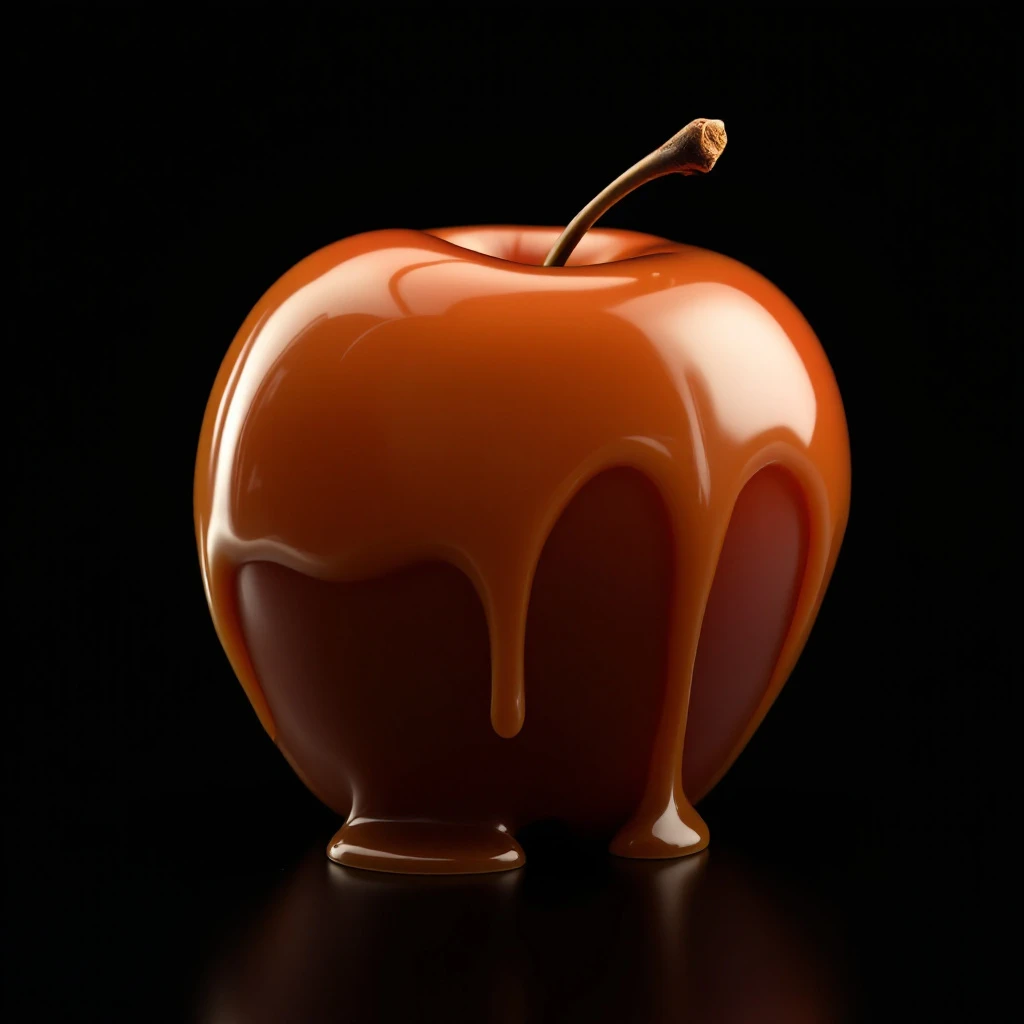
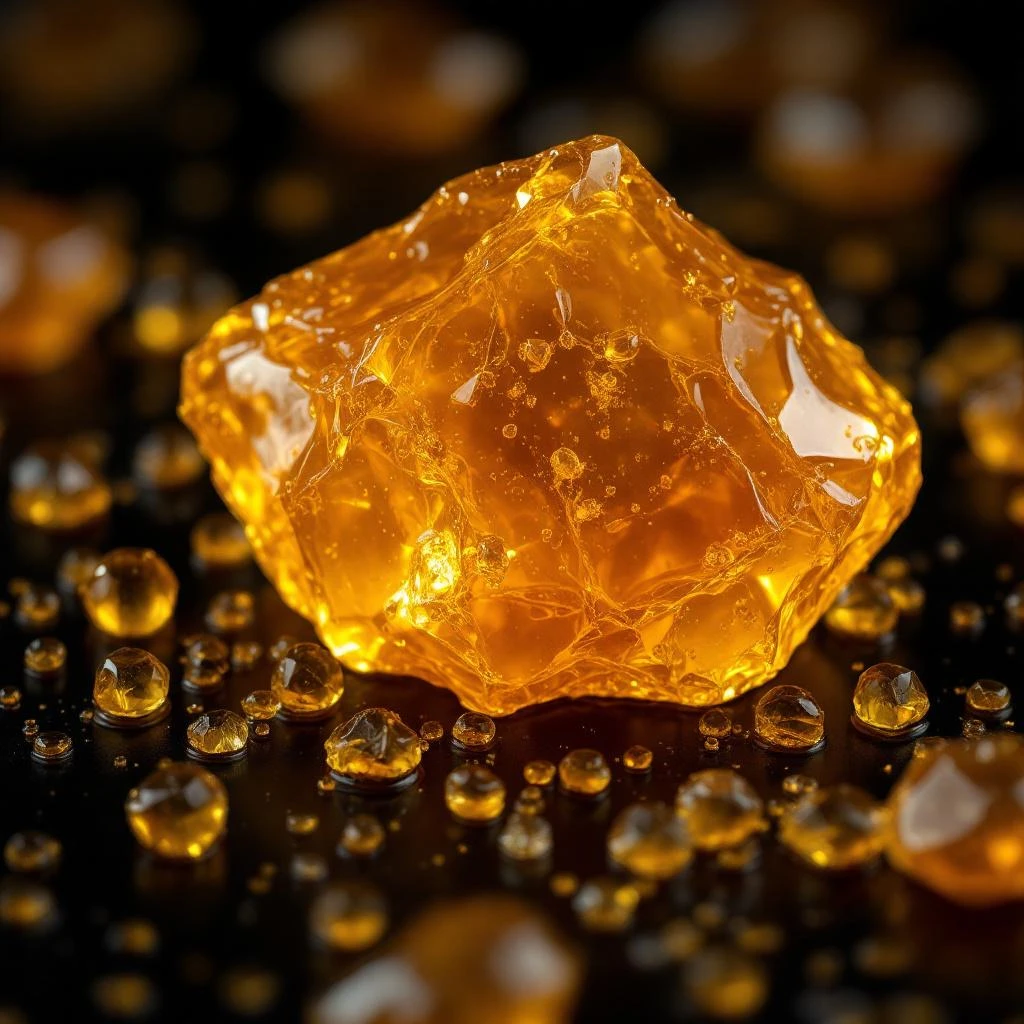
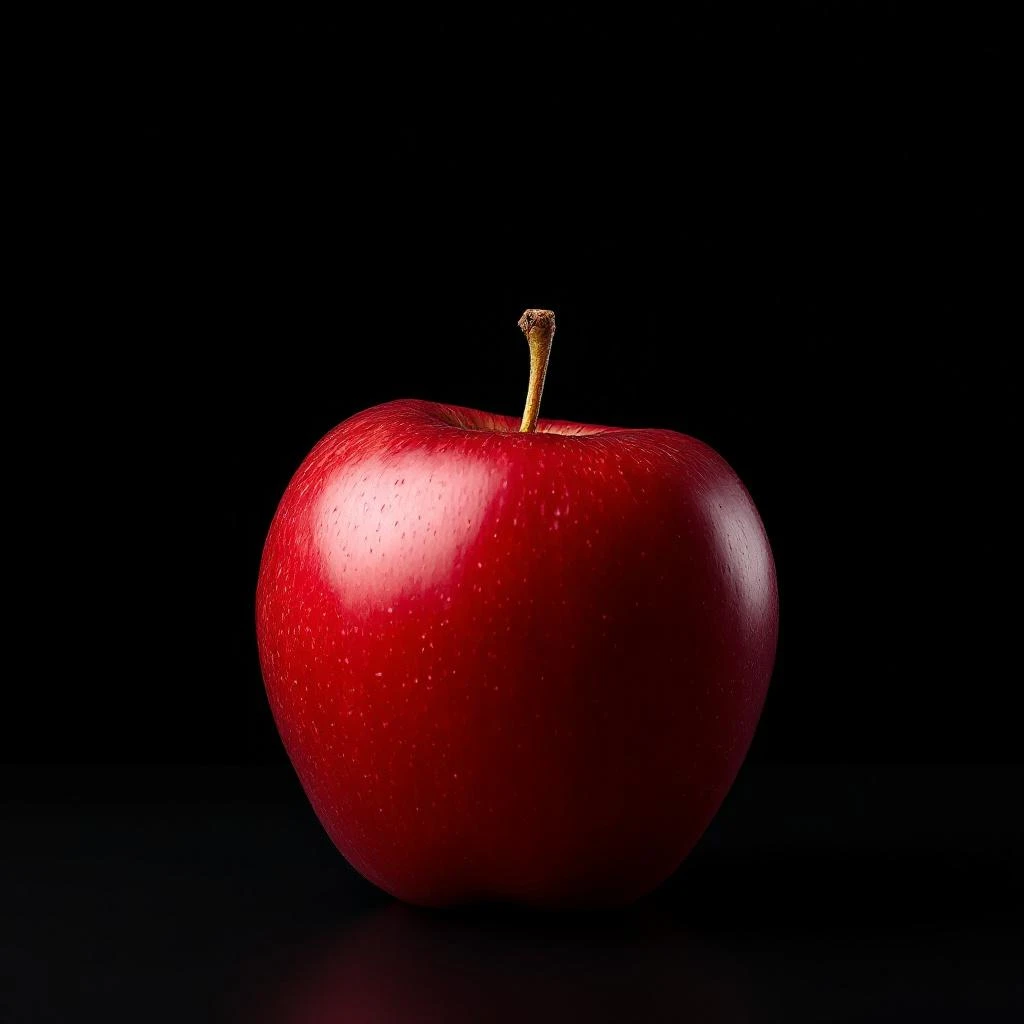
Warm caramel meets orchard-fresh apple.
The apple note in perfumery is entirely synthetic—no essential oil can be extracted from fresh apples because the fruit lacks sufficient aromatic concentration for commercial extraction.

Origin
France
The Caramel Apple combination emerged from the broader gourmand movement in late 20th-century perfumery, when perfumers began exploring edible, food-inspired scent territories. While apple fragrances date back centuries in various forms, the specific Caramel Apple aesthetic gained traction in the 1990s and 2000s as consumers sought comfort and nostalgia in their fragrances. The trend paralleled the rise of synthetic aromatic compounds developed throughout the 20th century, beginning with early synthetics like vanillin and coumarin.
These materials gave perfumers unprecedented control over sweet, edible accords that had previously been difficult to achieve. Today, Caramel Apple remains a versatile building block in fragrance construction, appearing across market segments from accessible designer scents to niche artisanal creations.
Wears it best
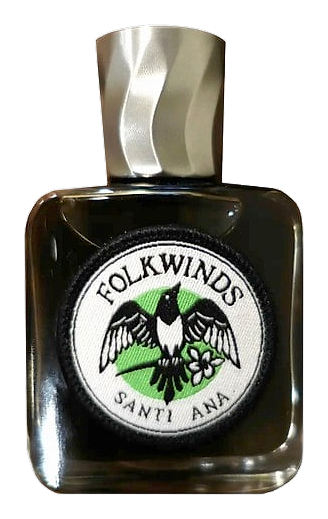
Fragrances featuring Caramel Apple
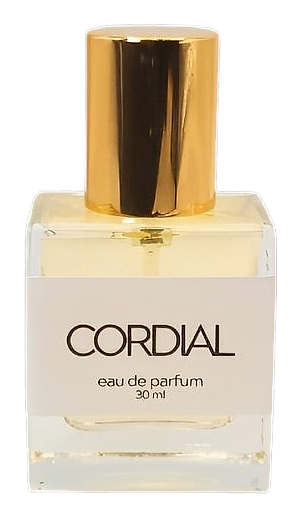
Brands
Brands known for Caramel Apple
Good to know
Questions, answered
The essentials on Caramel Apple in perfumery: how it smells, where it comes from, and how it behaves on skin.
What gives Caramel Apple its characteristic smell?
Caramel Apple combines synthetic apple compounds like damascone and hexyl acetate with caramel materials such as ethyl maltol. These aromatic chemicals recreate the fresh, green apple top note alongside warm, sugary caramel depth.
Is the caramel note in perfumery made from real caramel?
Caramel in perfumery is typically synthetic, built from ethyl maltol and coumarin derivatives. These compounds deliver the warm, brown sugar sweetness associated with caramel without using actual caramelized sugar.
Why do perfumers use synthetic apple instead of natural apple?
No commercially viable essential oil exists for apple. The fruit lacks sufficient aromatic concentration for extraction, making synthetic reconstruction the only practical approach for consistent perfumery use.
What fragrance families pair well with Caramel Apple?
Caramel Apple complements gourmand partners like vanilla, tonka, and sandalwood. It also bridges toward floral directions with jasmine or rose, or spicy accents through cinnamon and cardamom.
How long does Caramel Apple typically last on skin?
Longevity ranges from 4 to 8 hours depending on concentration and formulation. Higher perfume oil percentages and quality fixatives like sandalwood extend the wear time significantly.
Which seasons suit Caramel Apple fragrances best?
Cooler months showcase this note most effectively. Autumn and early winter align naturally with the warm, edible character, though lighter applications work year-round.
Are Caramel Apple fragrances safe for sensitive skin?
IFRA-compliant formulations use approved synthetic compounds at regulated concentrations. Patch testing remains advisable for sensitive skin types before full application.
What distinguishes a quality Caramel Apple fragrance?
Quality lies in balance and evolution. The best interpretations open with crisp, authentic apple brightness before the caramel warmth develops smoothly, maintaining coherence throughout the fragrance dry-down.