Cannonball Tree Blossom
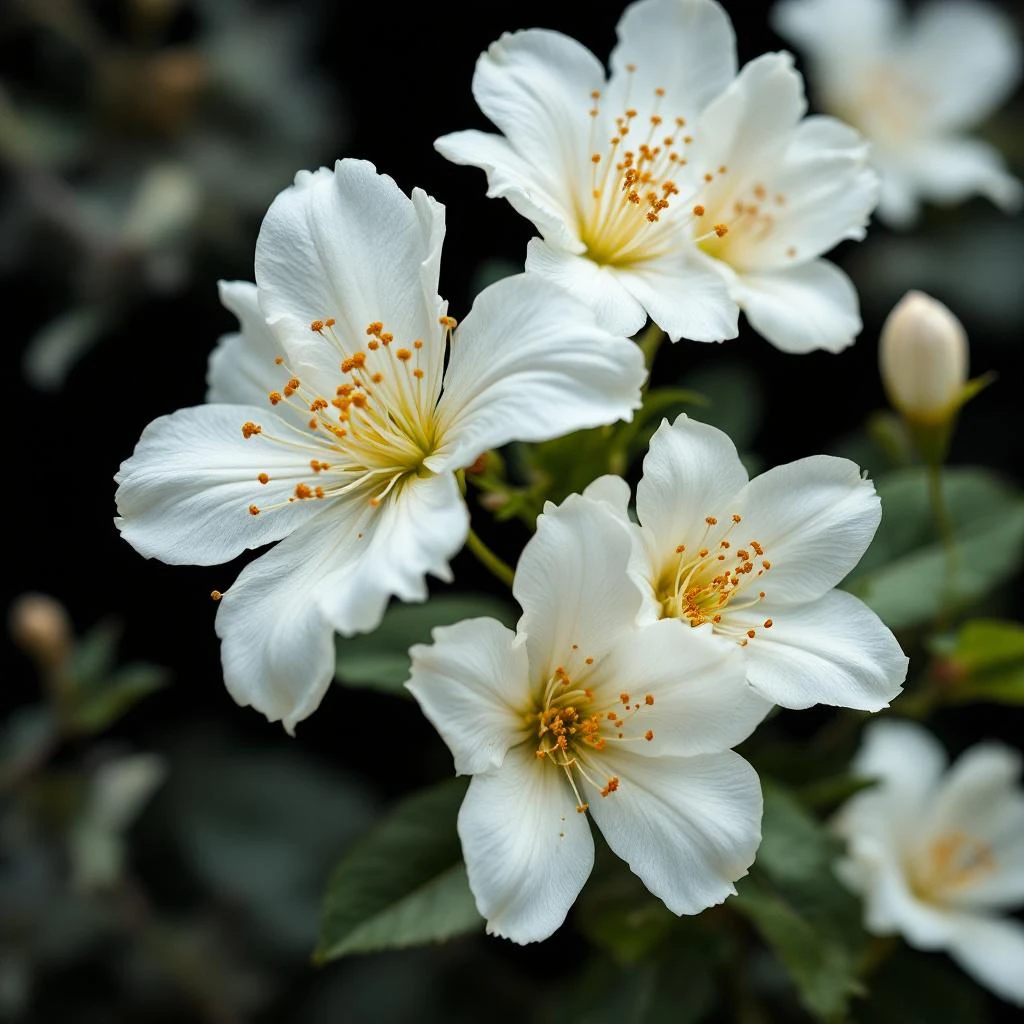
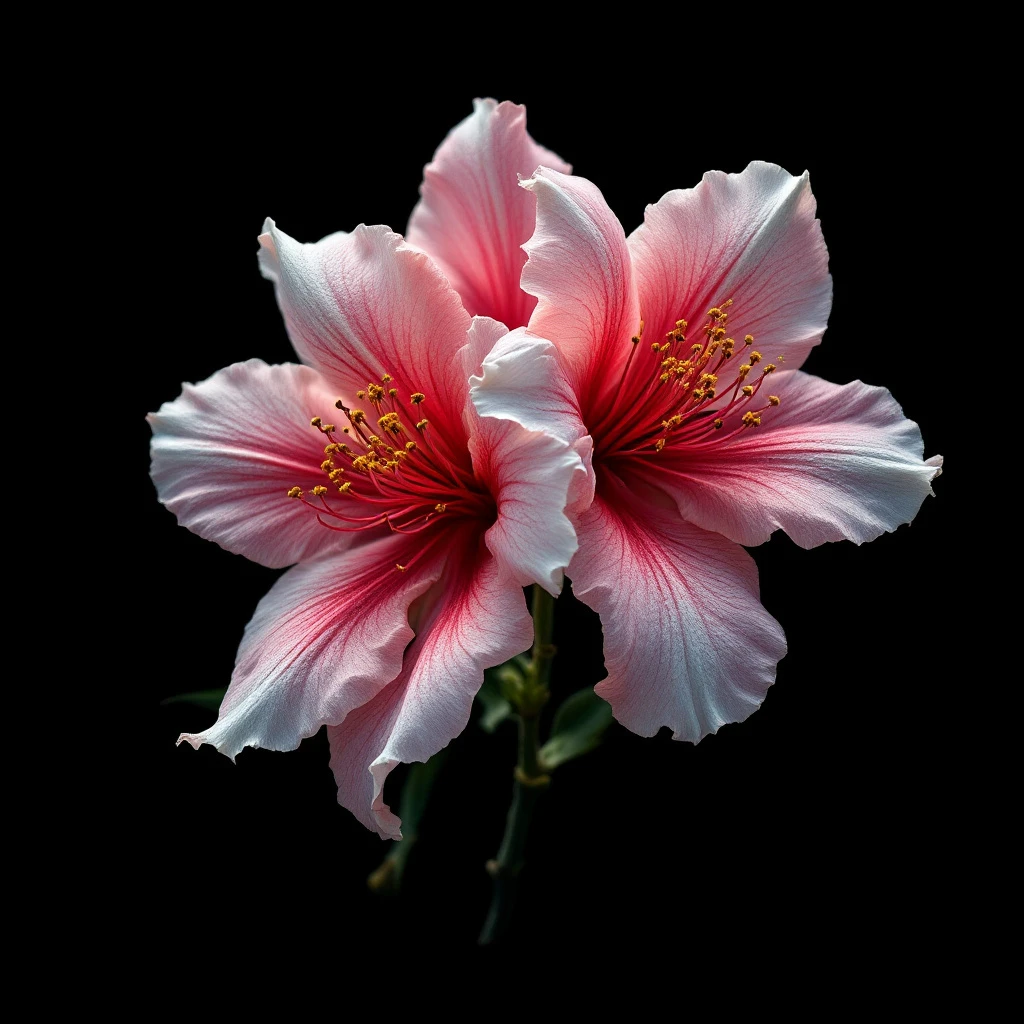
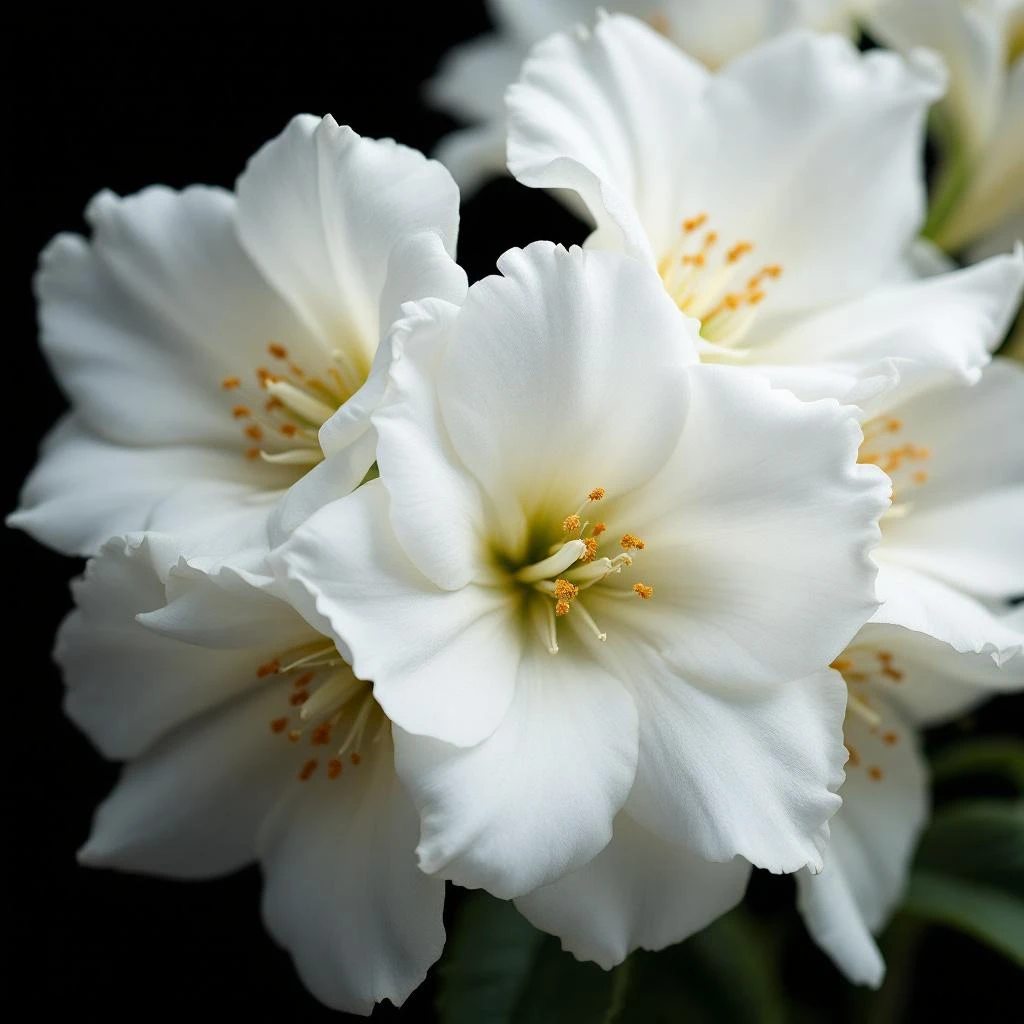
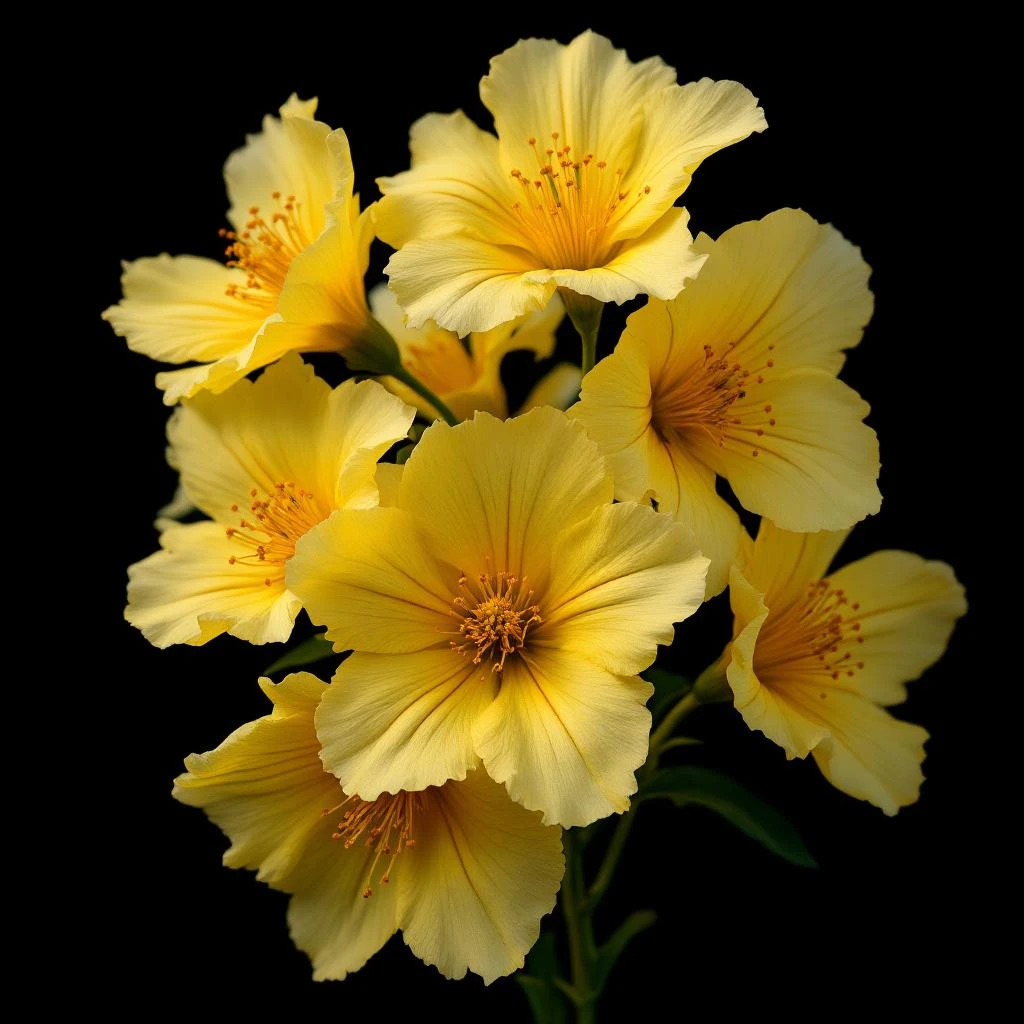
Cannonball Tree Blossom emits an intoxicating floral scent from flowers that bloom directly on the trunk itself. Native to South American rainforests, this tropical note offers a sweet, exotic aroma that contrasts sharply with the tree's notoriously foul-smelling fruit.
Character
How it smells
Intoxicating tropical blooms born from a living cannonball.
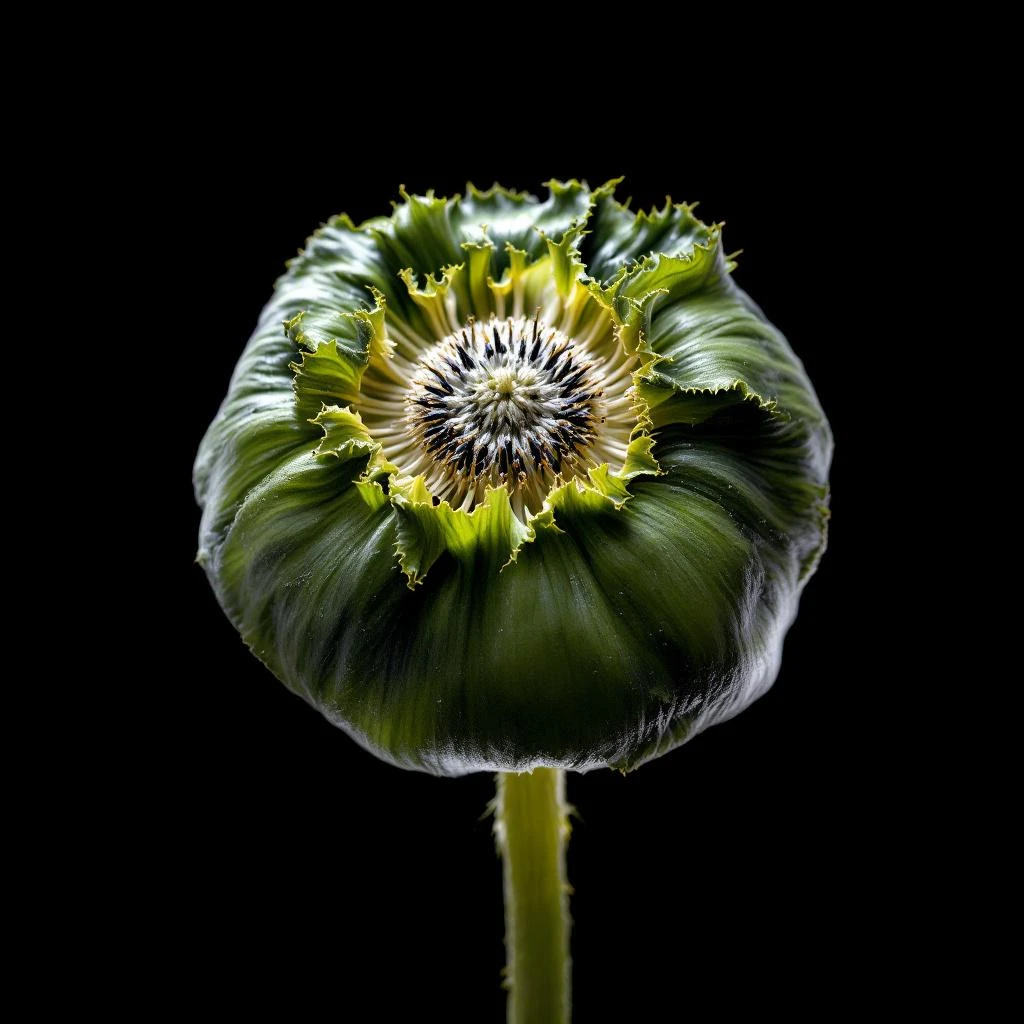
The tree produces flowers and fruits directly from its trunk in a rare phenomenon called cauliflory.


Origin
Brazil
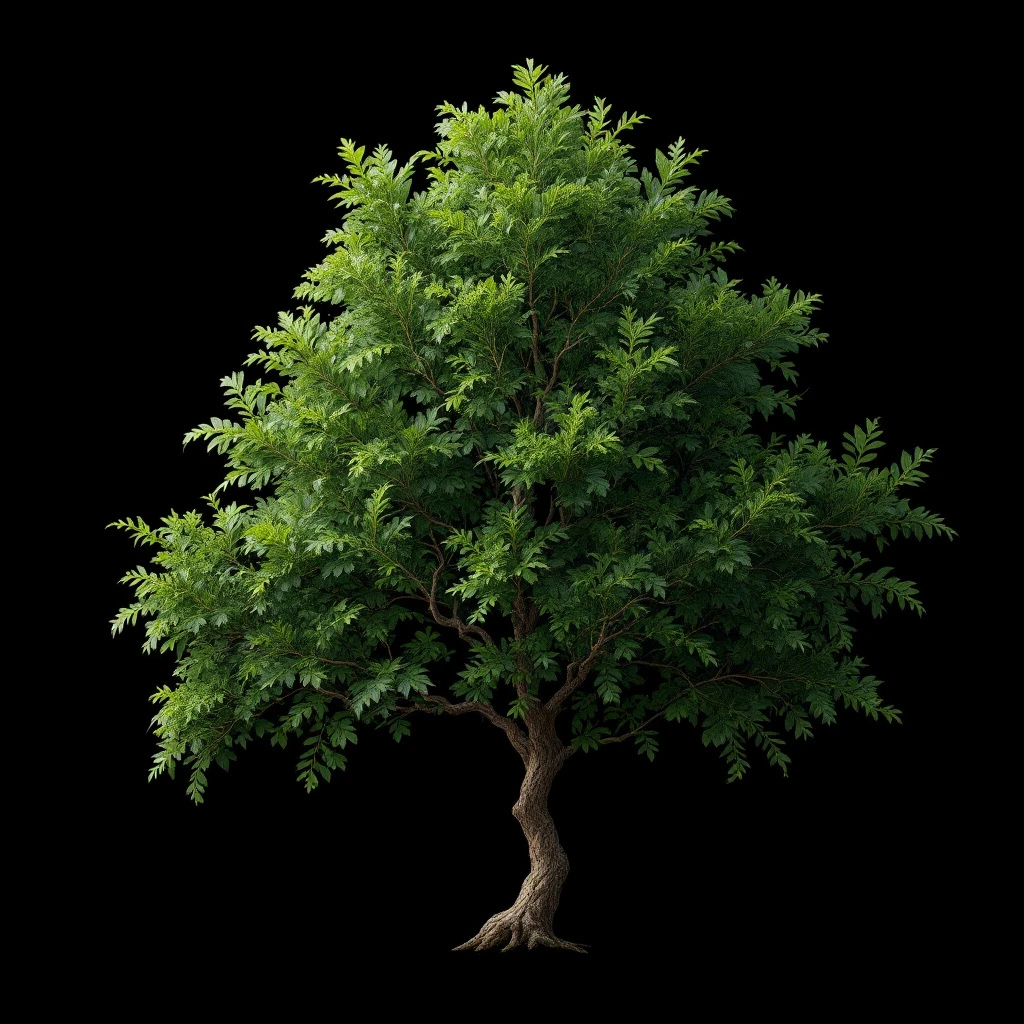
Couroupita guianensis has grown in South American rainforests for millennia, with its massive round fruits once consumed by giant ground sloths now extinct since the last Ice Age. Indigenous communities across the tree's native range have long recognized the extraordinary fragrance of its blossoms.
In Hindu tradition, the cannonball tree holds sacred significance, with its flowers used in temple offerings and ceremonies. The tree's other common name, 'jumbie calabash,' reflects its presence in Caribbean folklore.
Early European botanists documented the tree's striking cauliflory during colonial exploration of tropical Americas, noting how flowers emerged directly from mature trunks. Today, the tree appears in botanical gardens worldwide, planted specifically for its remarkable and enduring floral perfume.
Wears it best
Fragrances featuring Cannonball Tree Blossom


Brands
Brands known for Cannonball Tree Blossom
Good to know
Questions, answered
The essentials on Cannonball Tree Blossom in perfumery: how it smells, where it comes from, and how it behaves on skin.
What does Cannonball Tree Blossom smell like?
It smells intensely sweet and floral with tropical and slightly green undertones. The aroma is often described as intoxicating and exotic, distinct from common floral notes like jasmine or rose.
Where does Cannonball Tree grow?
It is native to lowland tropical rainforests from Costa Rica through Brazil and into Bolivia. The tree thrives in humid, warm climates and is now cultivated in gardens across tropical regions worldwide.
Why is it called the cannonball tree?
The name comes from its fruit, which grows up to 25 centimeters in diameter, weighing up to several kilograms. The hard, woody spheres resemble cannonballs hanging from the trunk.
Is Cannonball Tree Blossom commonly used in perfumery?
No, it remains a rare and specialty ingredient. Limited cultivation, rapid flower perishability, and challenging extraction make it uncommon in commercial fragrances.
How is the fragrance extracted from the blossoms?
Solvent extraction captures the aromatic compounds from freshly picked flowers, producing a concentrated absolute. The process requires immediate processing after harvest due to the delicate nature of the petals.
Does the tree have any traditional uses?
Yes, Hindu traditions use the flowers in temple offerings. In various indigenous practices, different parts of the tree have been used for medicinal purposes, though the fruit itself has limited edibility.
Why do the flowers grow from the trunk instead of branches?
This phenomenon, called cauliflory, is thought to have evolved alongside large animals like extinct ground sloths that dispersed seeds. Growing flowers directly on the trunk makes them more accessible to ground-dwelling creatures.
Does the fruit smell as good as the flowers?
No, the fruit emits a foul, putrid odor when ripe. Despite its beautiful appearance, the contrasting smell repels most animals and humans from consuming it.