
The Story
Why it exists.
The beginning
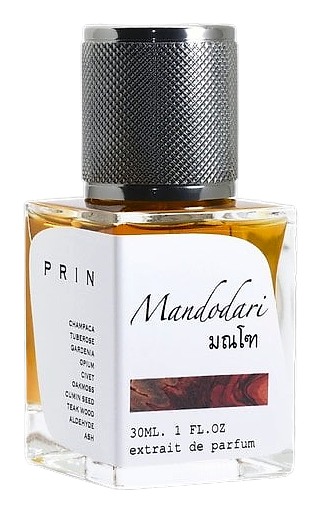
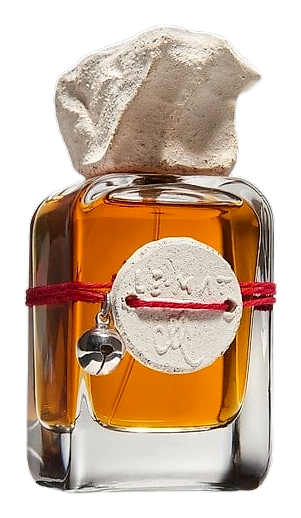
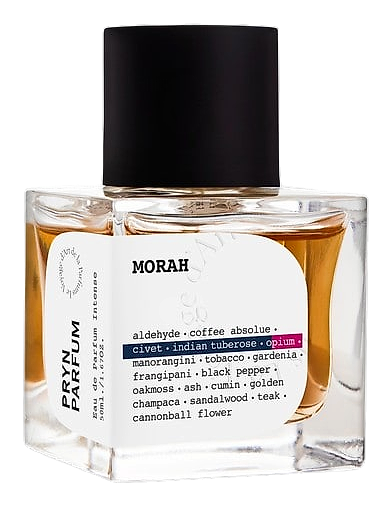
Morah draws from Thai folklore, the legend of Chantakorob, specifically the character of Morah herself. She appears from a spellbound casket, silk-draped and designed to undo. In the story, she makes a choice that damns her: she hands the dagger to the bandit instead of the prince. That moment of seduction and betrayal is what perfumer Prin Lomros translated into scent in 2017. The opening recreates Morah's first appearance, unexpected, intoxicating, impossible to ignore. The heart captures the liaison itself, heated and complicated. The drydown is the aftermath, earthy and irreversible.
What makes Morah unusual isn't any single note, it's the way coffee and civet coexist without canceling each other out. Coffee absolute brings roasted depth, almost bitter, while civet adds a raw animalic warmth that most modern compositions avoid entirely. Prin Lomros lets them rub shoulders. The aldehydes do quiet structural work here, keeping the heavier elements from collapsing under their own weight. Without that lift, this would be impenetrable. With it, the fragrance breathes, even at its most intense.
The evolution
The opening lands confident and aldehydic, sparkling in a way that portends something denser coming. Within minutes the white florals surge, tuberose and gardenia asserting themselves with tropical insistence, backed by cumin that adds a faint shadow of spice. The civet doesn't announce itself. It arrives around the thirty-minute mark, sliding beneath the florals like a second skin. Coffee lingers at the edges, not dominant but persistent. By hour three, the composition has settled into teak and sandalwood, warm and animalic, projecting less but lasting long into the night. On fabric, it holds for a full day. On skin, it becomes something intimate, you smell it, others don't until they get close enough to matter.
Cultural impact
Morah occupies a specific corner of the niche world: the floriental that leans animalic without apology. It was released in 2017 alongside Ayothaya and Aranyaka, both geographic references, but Morah's inspiration is more narrative, Thai folklore, seduction, betrayal. That storytelling thread runs through the entire Pryn line, but Morah is perhaps the most literal translation of its source material. Wearers describe it as the scent of someone with a past, or a future worth complicating. It's not for everyone. It doesn't try to be.