Canna flower
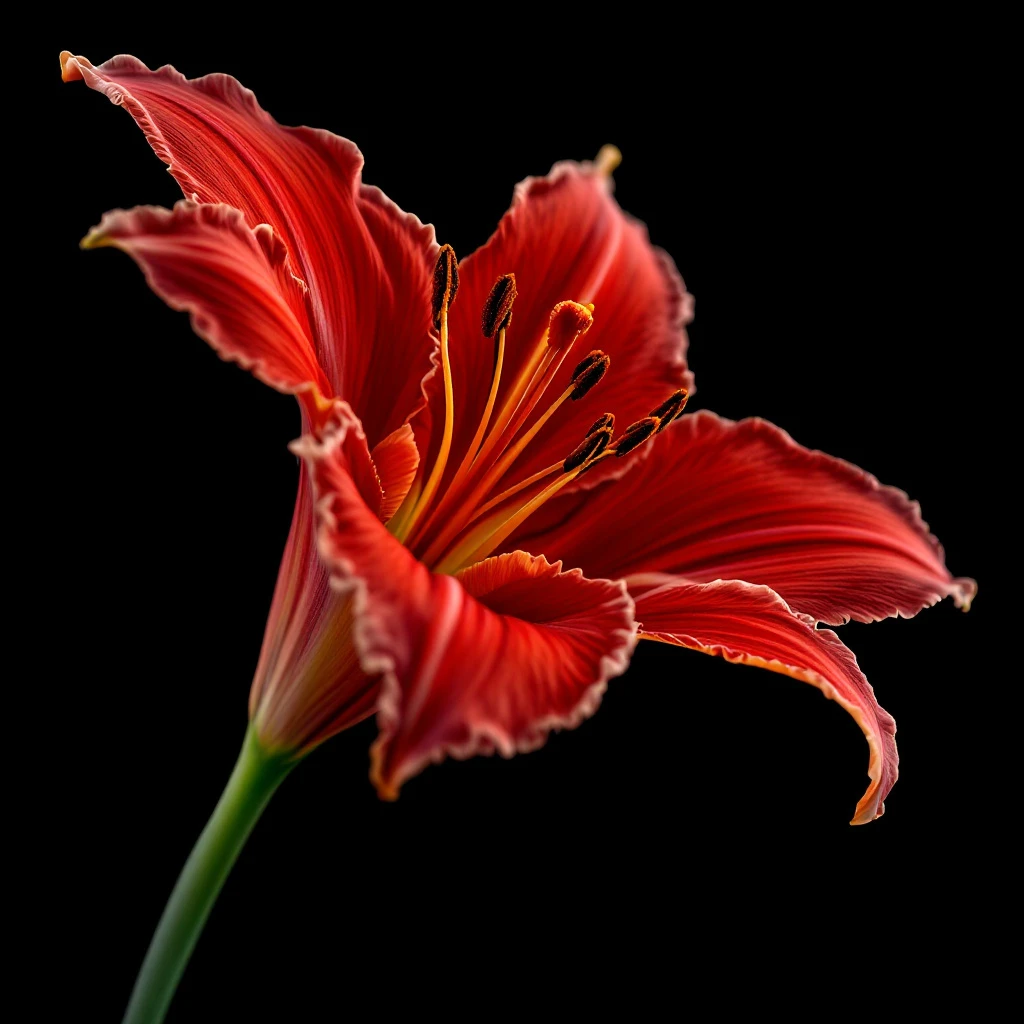
Canna flower brings a soft, watery sweetness with subtle green undertones to fine fragrances. Tropical and understated, it lends a creamy, slightly fruity lift that bridges floral and fresh accords without overpowering delicate compositions.
Character
How it smells
Tropical whisper, creamy and fleeting
Despite its lush appearance, canna flowers produce almost no scent on their own. Perfumery versions are typically reconstructed in the lab using aroma molecules found in related tropical flora.





Origin
Mexico
The canna genus originated in the tropical Americas, where Indigenous peoples cultivated the plants for their edible rhizomes long before their flowers attracted botanical curiosity. Spanish and Portuguese traders carried canna rhizomes across the Atlantic and Pacific during the 16th century, spreading the plants through India, Southeast Asia, and Africa where they became naturalized in gardens and temple grounds.
By the Victorian era, canna lilies were prized ornamental specimens in European conservatories, admired for their bold foliage and torch-like blooms rather than fragrance. Their entry into perfumery came much later, as 20th-century perfumers sought new tropical floral notes to round out exotic compositions.
Canna never achieved the iconic status of jasmine or rose, partly because extracting usable scent from the blooms proved impractical. Today, canna flower appears as a listed note in modern fragrances where its name evokes lush, sun-warmed gardens and creamy tropical ambiance, even when the actual scent comes from a perfumer's careful reconstruction in the laboratory.
Wears it best
Fragrances featuring Canna flower
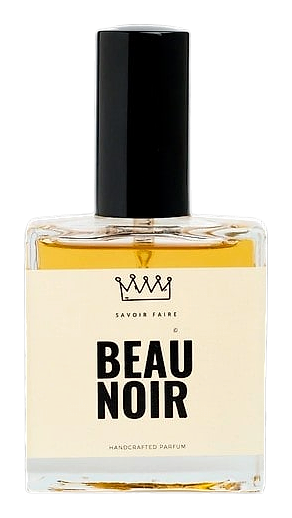
Brands
Brands known for Canna flower
Good to know
Questions, answered
The essentials on Canna flower in perfumery: how it smells, where it comes from, and how it behaves on skin.
What does canna flower smell like in perfume?
Canna flower carries a soft, creamy sweetness with mild green and watery facets. It smells tropical and slightly fruity, offering a gentle lift rather than a bold floral statement. Most modern versions are lab-built to capture this airy, fresh character.
Is canna flower a natural or synthetic perfume ingredient?
Natural canna flower absolute is extremely rare because the blooms yield almost no extractable oil. Nearly all canna notes in commercial fragrances are synthetic reconstructions built from aroma molecules like linalool and geraniol that mimic the flower's subtle profile.
Where does canna flower originate?
Canna plants are native to tropical regions of the Americas, particularly Mexico and Central America. Traders introduced them to Asia and Africa in the 16th century, where the rhizomes became a food staple and the flowers found ornamental use.
Why is canna flower rarely extracted naturally?
The petals contain very few volatile oil glands, meaning steam or solvent extraction produces only trace amounts of usable material. One study on similar tropical blooms found yields under 0.01 percent, making natural canna absolute commercially impractical.
What type of fragrance does canna flower suit best?
Canna flower works well in light floral, tropical, and aquatic compositions where it adds creamy softness without dominating. It pairs naturally with coconut, water lily, and white musk notes, lending a sun-warmed, garden-fresh quality to summer scents.
Does canna flower have any cultural significance?
Beyond ornamental gardens, canna holds agricultural importance as a food crop in places like Vietnam and Peru, where its starch-rich rhizomes have been cultivated for centuries. Its appearance in perfumery is largely modern and tied to its evocative tropical image.
How is synthetic canna flower made?
Chemists study the faint scent profile of fresh canna blooms and then blend aroma compounds such as linalool, geraniol, and specific lactones to recreate it. This approach gives perfumers a stable, consistent canna note without depending on crop harvests.
Is canna flower safe in fragrance?
Synthetic canna accords use aroma ingredients that are generally regarded as safe by IFRA standards when used within recommended levels. Always check individual product labels if you have specific sensitivities or allergies to floral fragrance compounds.





