Candy Apple
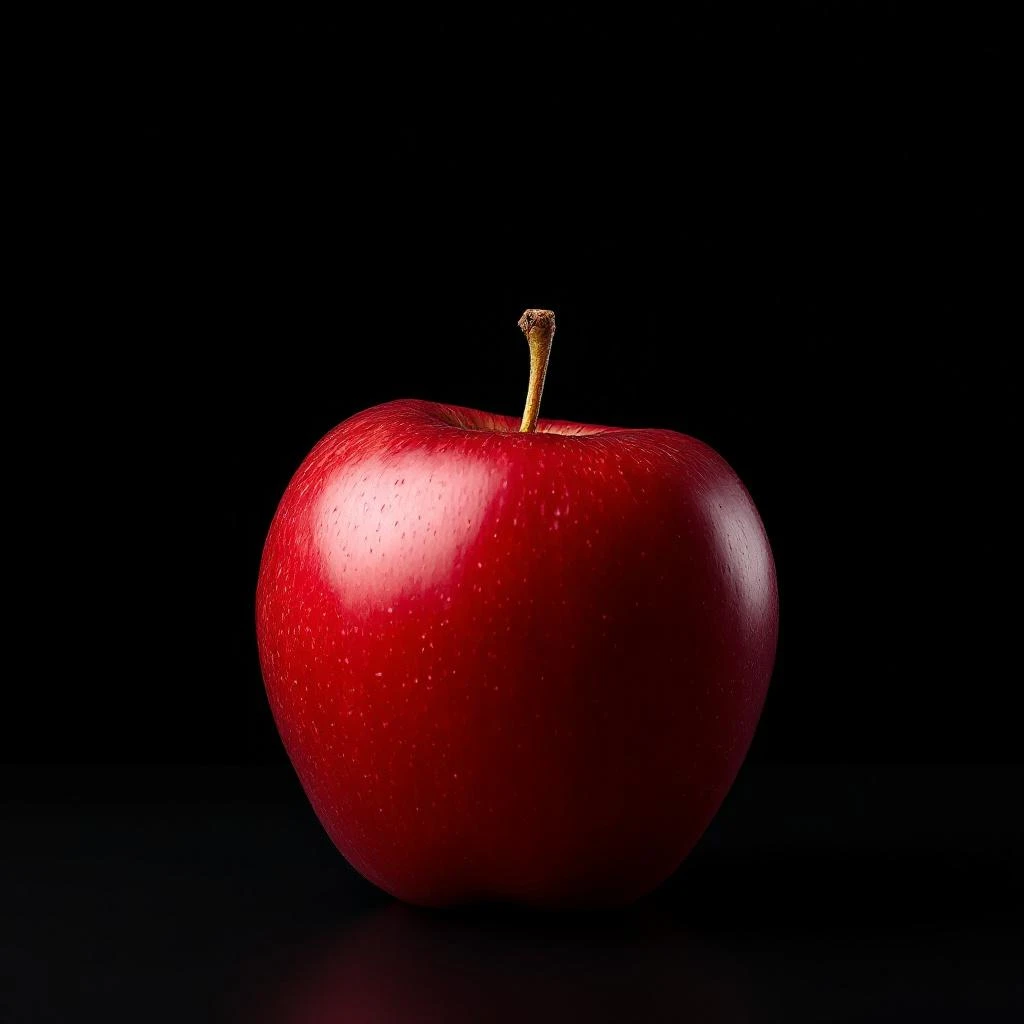
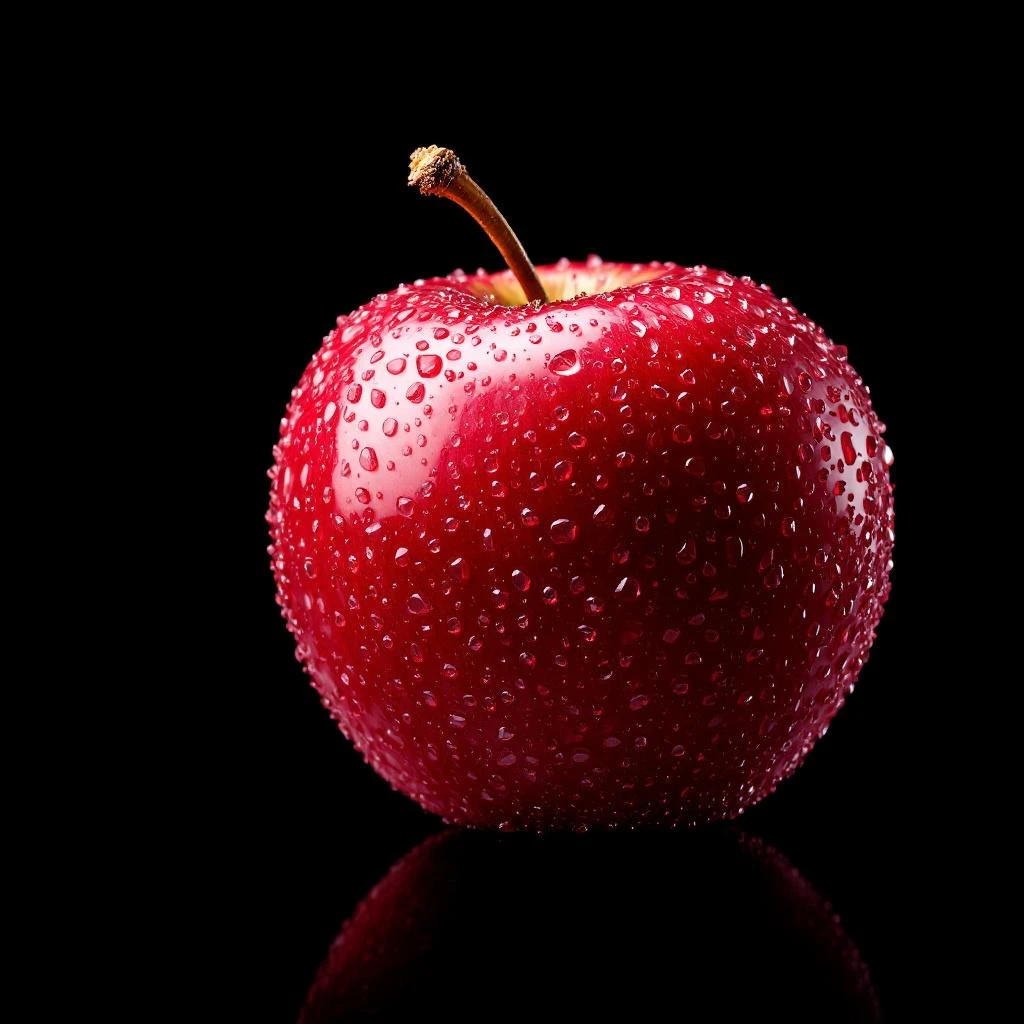
Tart, glossy, red-sugar-coated. Candy apple captures the carnival version of an apple — green fruit sharpness under a brittle sugar shell that cracks when you bite. In perfumery, it evokes fairs, autumn festivities, and childhood nostalgia.
Character
How it smells
The carnival apple — tart fruit wrapped in glossy sugar.
Candy apples were never meant to be eaten. Newark candy maker William W. Kolb created them in 1908 as window decorations. Customers bought them anyway and ate them.







Origin
United States
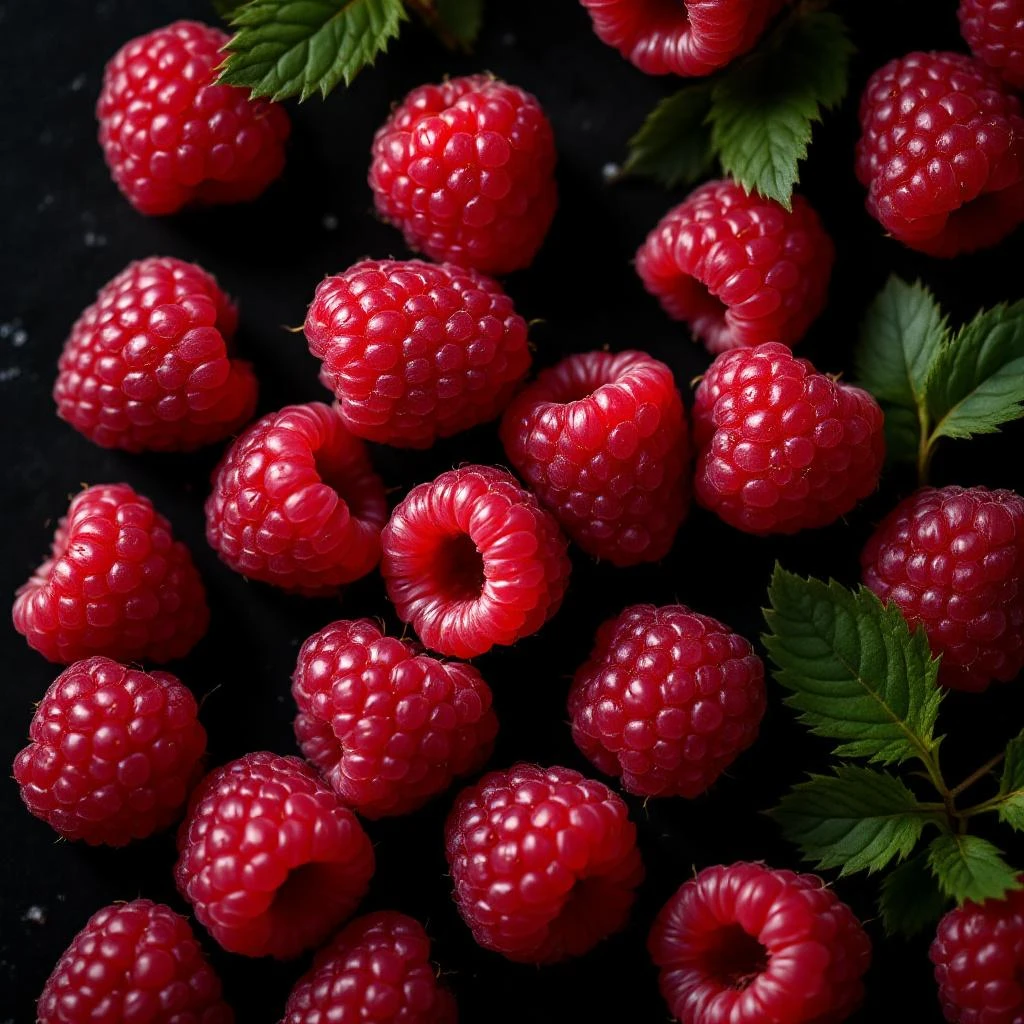
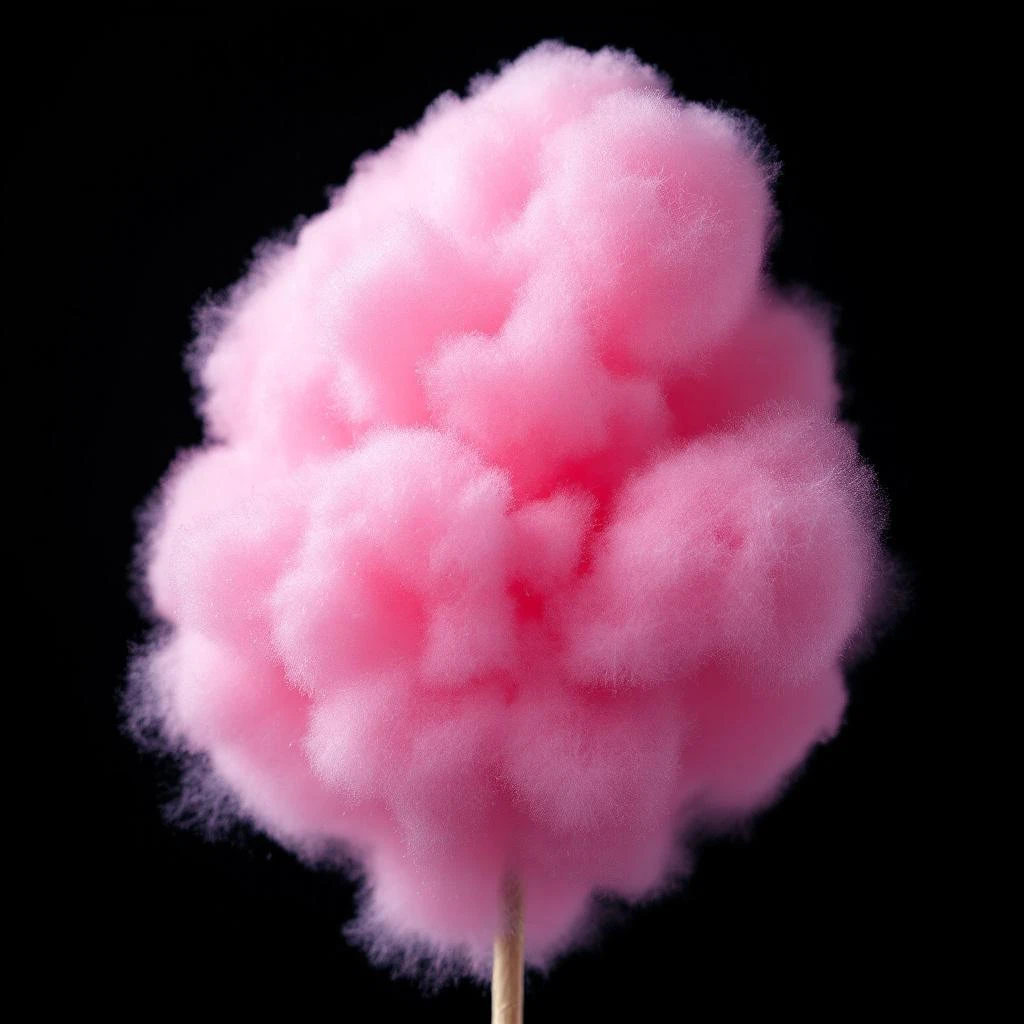
In 1908, William W. Kolb, a candy maker in Newark, New Jersey, dipped apples in red cinnamon candy and arranged them in his shop window. Kolb meant them as decorations.
Customers disagreed — they bought the displays and ate the apples anyway. The accidental success spawned a seasonal confection tradition. Candy apple landed in perfumery decades later as synthetic aromatics advanced enough to capture specific food scents.
The note carries its carnival origins into fragrance: bright, nostalgic, and unapologetically sweet. Modern perfumers use it to evoke autumn fairs and childhood memory, often pairing it with cinnamon and warm woods in seasonal compositions. The note works best in top-to-heart positions, where its tartness arrives first and the caramel sweetness follows into the dry-down.
Wears it best
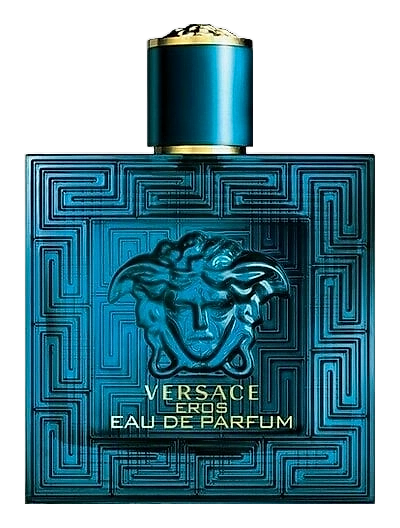
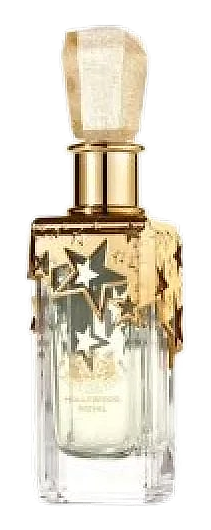
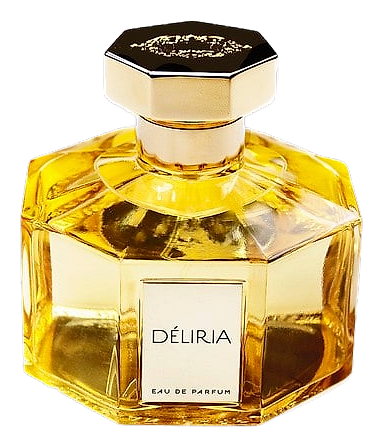
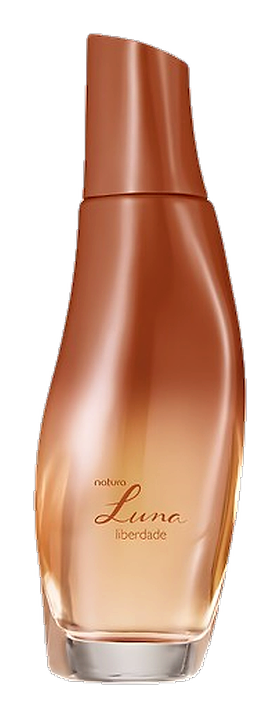
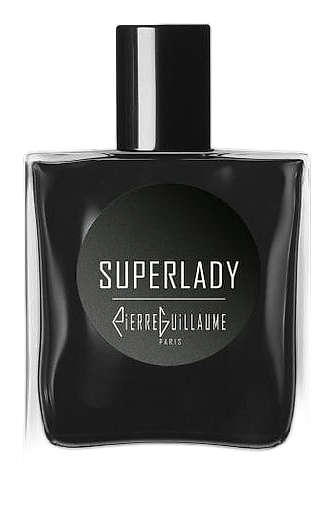
Fragrances featuring Candy Apple
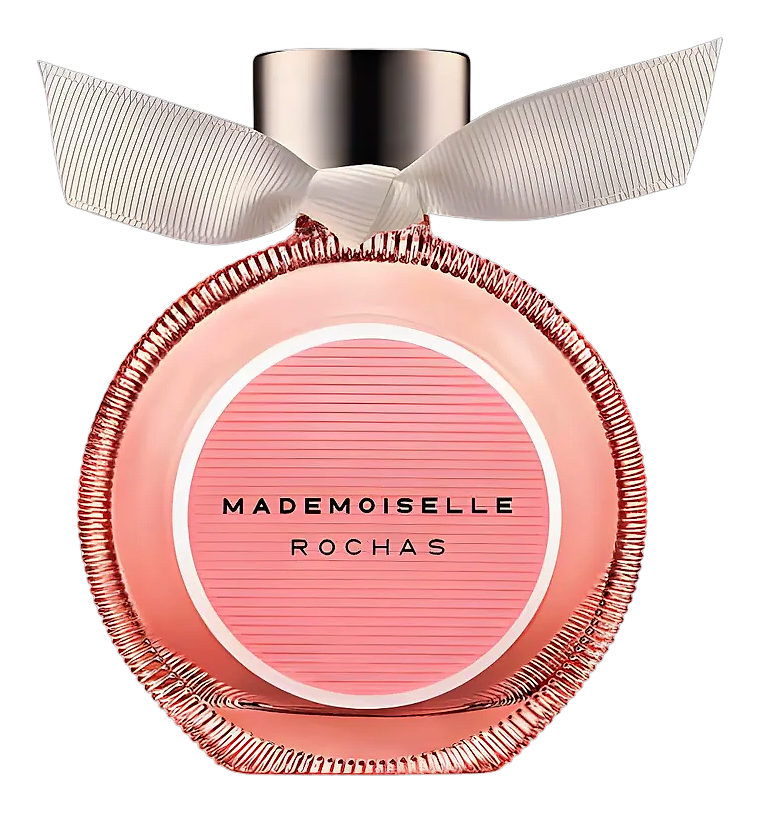
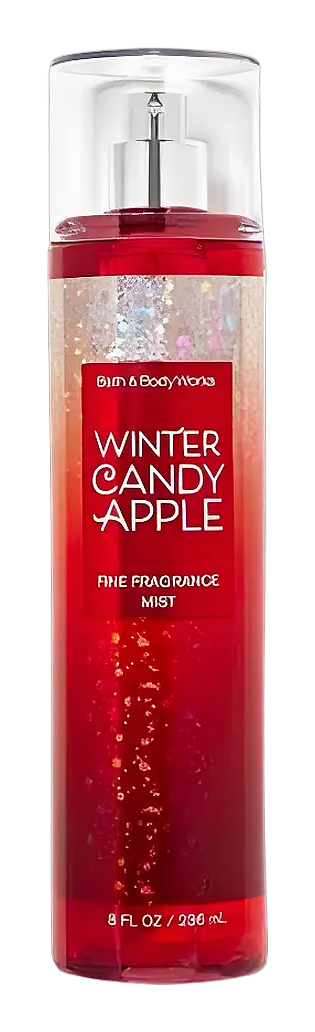
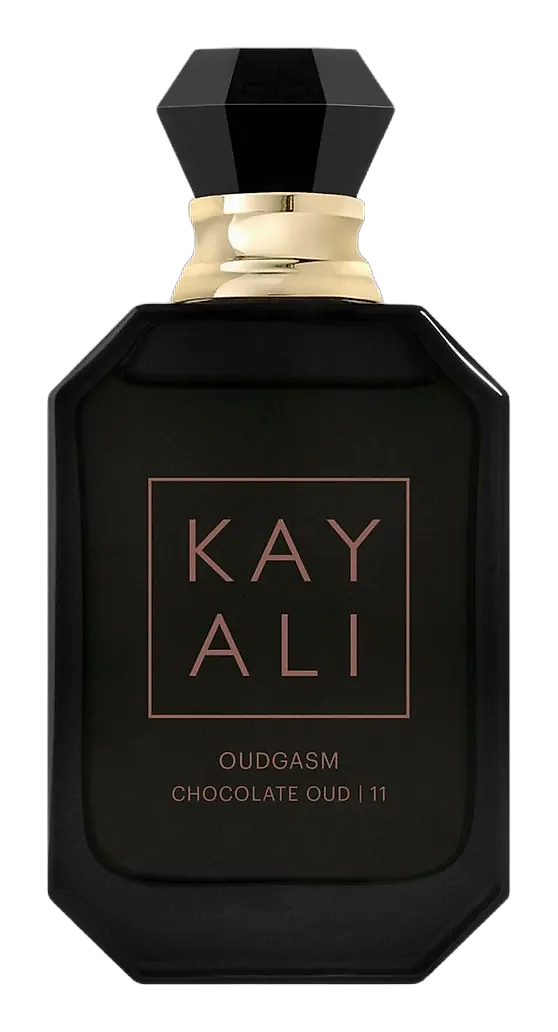
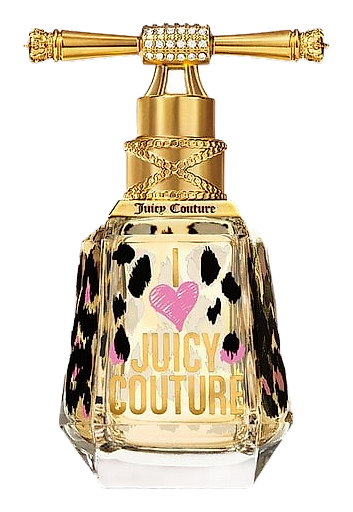
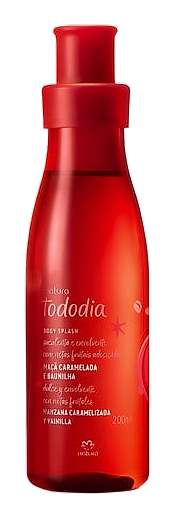
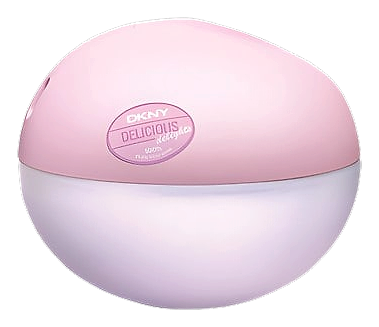
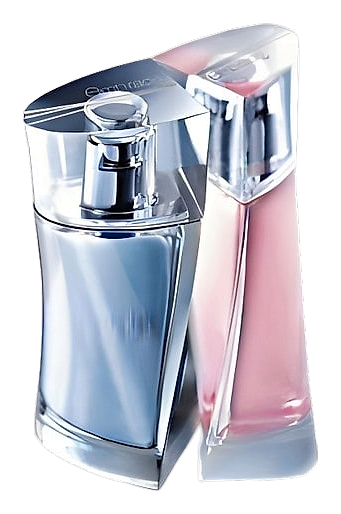
Brands
Brands known for Candy Apple
Good to know
Questions, answered
The essentials on Candy Apple in perfumery: how it smells, where it comes from, and how it behaves on skin.
What does candy apple smell like in perfume?
Candy apple in perfume smells like tart green apple fruitiness wrapped in caramelized sugar. The note balances bright, sharp fruit against a glossy, sweet coating — like biting through a brittle sugar shell into fresh apple underneath. Perfumers build this effect using esters for fruit and caramel molecules for sweetness.
Is candy apple a natural or synthetic ingredient?
Candy apple is synthetic. Fresh apples do not yield reliable fragrance when extracted, so perfumers build the note from aroma chemicals like hexyl acetate and maltol. This allows precise control over the fruit-to-candy balance that defines the note.
How do perfumers create the candy apple accord?
They layer green apple esters — primarily hexyl acetate and ethyl 2-methylbutyrate — with caramel molecules like maltol and cyclotene. Tart modifiers sharpen the blend so the apple reads first and the confection follows. The result is a constructed accord, not an extracted material.
What fragrances traditionally feature candy apple?
Candy apple appears mostly in autumn and winter fragrances. It shows up in gourmand compositions where it pairs with cinnamon, vanilla, and warm woods. The note works well in playful, nostalgic fragrances that reference seasonal fairs and childhood treats.
When was candy apple introduced to perfumery?
Candy apple became a recognized perfumery note as synthetic aromatics advanced in the late 20th century. The confection itself dates to 1908, when Newark candy maker William W. Kolb created it as a window display. Customers bought the decorations and ate them, launching a seasonal treat tradition.
What does candy apple evoke for wearers?
Candy apple evokes autumn fairs, carnival stalls, and childhood memory. The note carries the visual of a glossy red apple on a stick — tart fruit beneath a sugar shell. Perfumers use this nostalgia to add warmth and playfulness to seasonal compositions.
Can candy apple be extracted from real apples?
No. Fresh fruits like apples do not yield their expected odors through standard extraction methods. Perfumers rely on synthesized aroma chemicals to recreate the scent. This is why fruit notes in perfume are almost always constructed, not natural.
How long does the candy apple note last on skin?
The note behaves as a top-to-heart material in fragrance construction. It arrives quickly, delivering tart fruitiness before softening into the caramel warmth as the fragrance develops. Actual longevity depends on the formula and concentration of the surrounding composition.