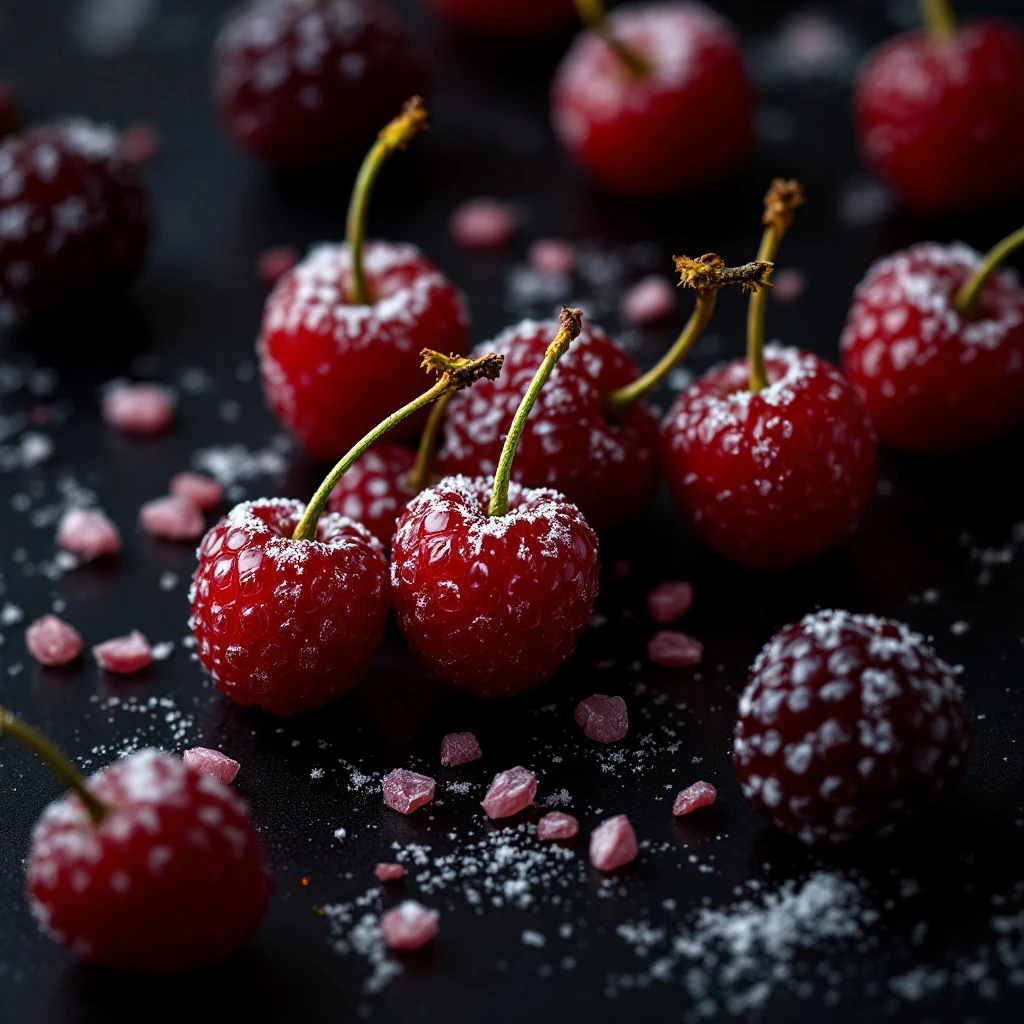
Candied Berries
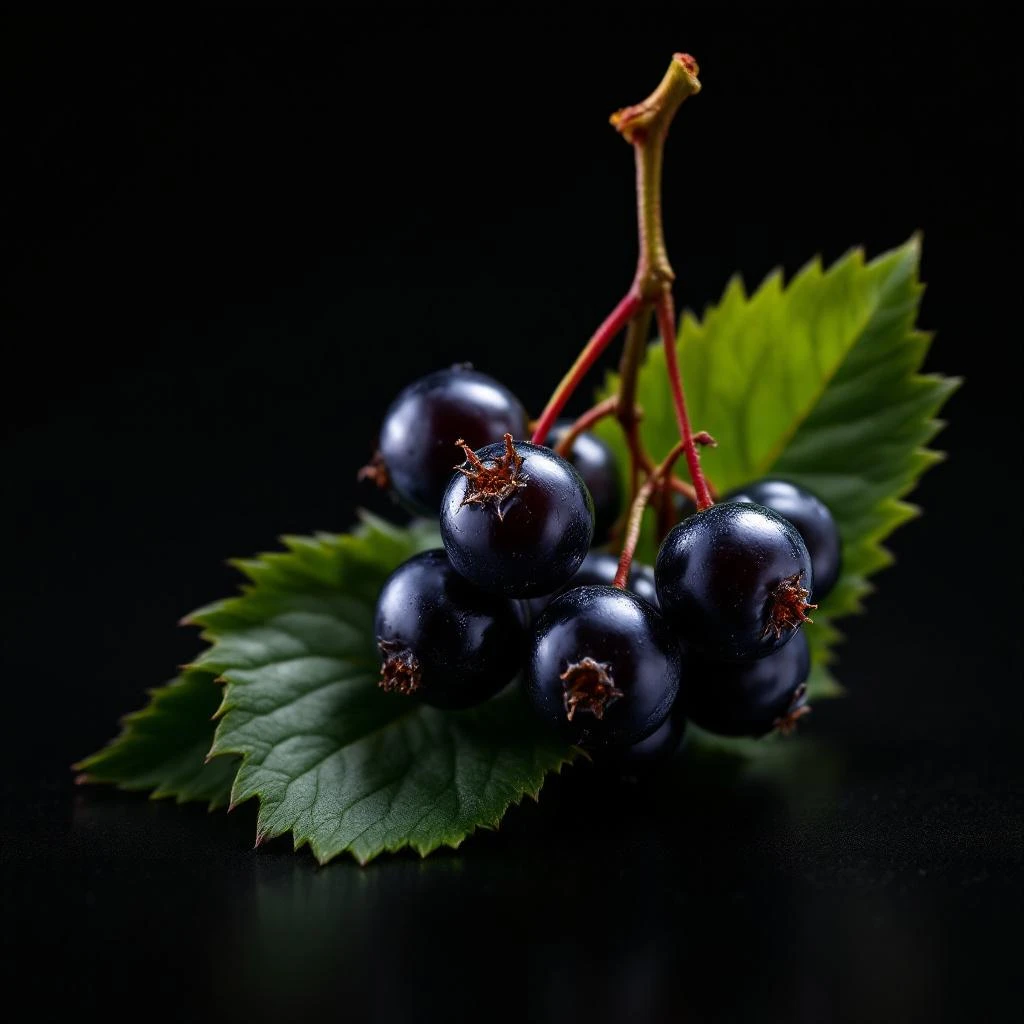
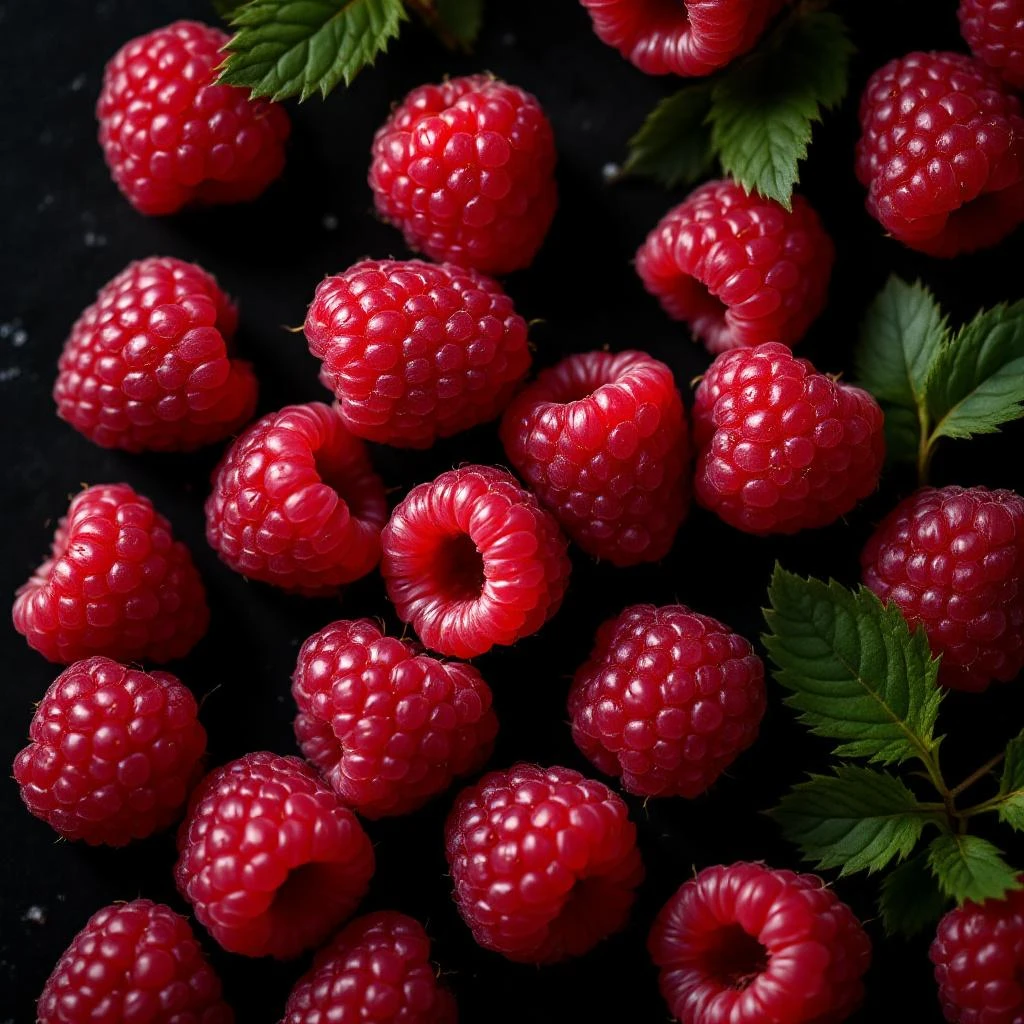
The lush sweetness of sun-ripened berries preserved in sugar, this note brings bright juiciness and a playful warmth to fragrance compositions.
Character
How it smells
Bright, sweet, and unapologetically juicy.
Synthetic candied berry compounds predate many natural extractions, giving perfumers a reliable alternative as early as the 1890s.




Origin
France
Berries have featured in food and medicine for millennia, but their entry into perfumery came much later. Early perfumers occasionally used berry-like absolutes and tinctures, but these were costly and faded quickly on the skin. The real shift arrived with synthetic fragrance chemistry in the 1890s.
Compounds like raspberry ketone and gamma-decalactone gave perfumers a reliable way to add berry sweetness without relying on seasonal fruit. This democratized fruity perfumery. By the mid-twentieth century, candied berry accords appeared in everything from playful florals to bold oriental fragrances.
Today, synthetic berry notes are a cornerstone of modern fragrance creation, letting perfumers build bright, juicy accents that once required expensive natural materials.
Wears it best
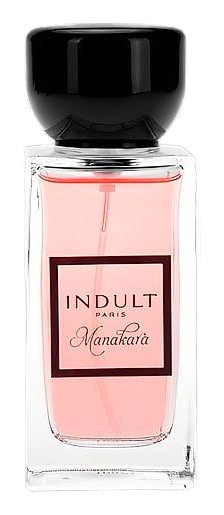
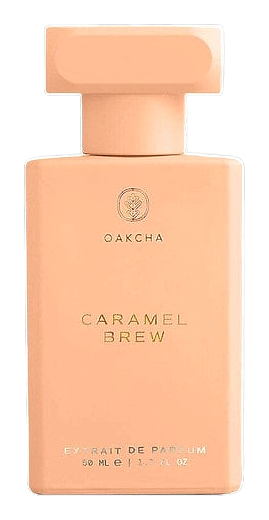
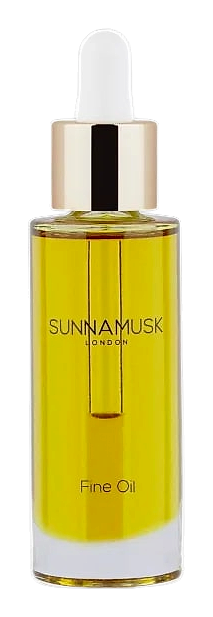
Fragrances featuring Candied Berries
Good to know
Questions, answered
The essentials on Candied Berries in perfumery: how it smells, where it comes from, and how it behaves on skin.
Are candied berries natural or synthetic?
Candied berries are almost entirely synthetic in modern perfumery. Replicating this note in a lab gives perfumers precise control over its sweetness, acidity, and staying power without relying on seasonal fruit harvests.
Why not extract berry scent directly from fruit?
Direct extraction from berries is inefficient and unstable. The aromatic compounds break down quickly, making natural berry materials impractical for fragrance work.
When did synthetic berries first appear?
The late nineteenth century marks the arrival of synthetic berry compounds. Early lab-made ingredients like coumarin and vanillin paved the way for fruity notes that would soon follow.
How does synthetic production affect the cost?
Synthetic candied berry compounds cost less to produce than attempting natural extraction from fruit. Perfumers avoid expensive raw materials and the unpredictability of seasonal harvests.
Which fragrance families use candied berries?
Candied berries appear across fruity, floral, and oriental compositions. They add a bright, gourmand quality that works equally well in casual daytime scents and richer evening formulas.
What scent qualities define candied berries?
This note blends jammy sweetness, light tartness, and a smooth finish. It reads as cooked fruit rather than fresh, giving it a warm, dessert-like quality.
What molecules create the candied berry accord?
Gamma-decalactone provides creamy strawberry depth, while aldehydic molecules add sparkle and lift. Blending these creates the balanced sweetness found in candied berry fragrances.
What notes pair well with candied berries?
Candied berries combine well with florals like rose and peony for brightness, vanilla for warmth, and citrus for added lift. These pairings enhance the fruity character without overwhelming the composition.