Cadam Tree Blossom
Cadam Tree Blossom (Neolamarckia cadamba) is a sacred South Asian flower with powdery, honeyed sweetness. Harvested during monsoon season, it forms the heart of traditional Indian attars and brings a rare floral facet to niche perfumery.
Character
How it smells
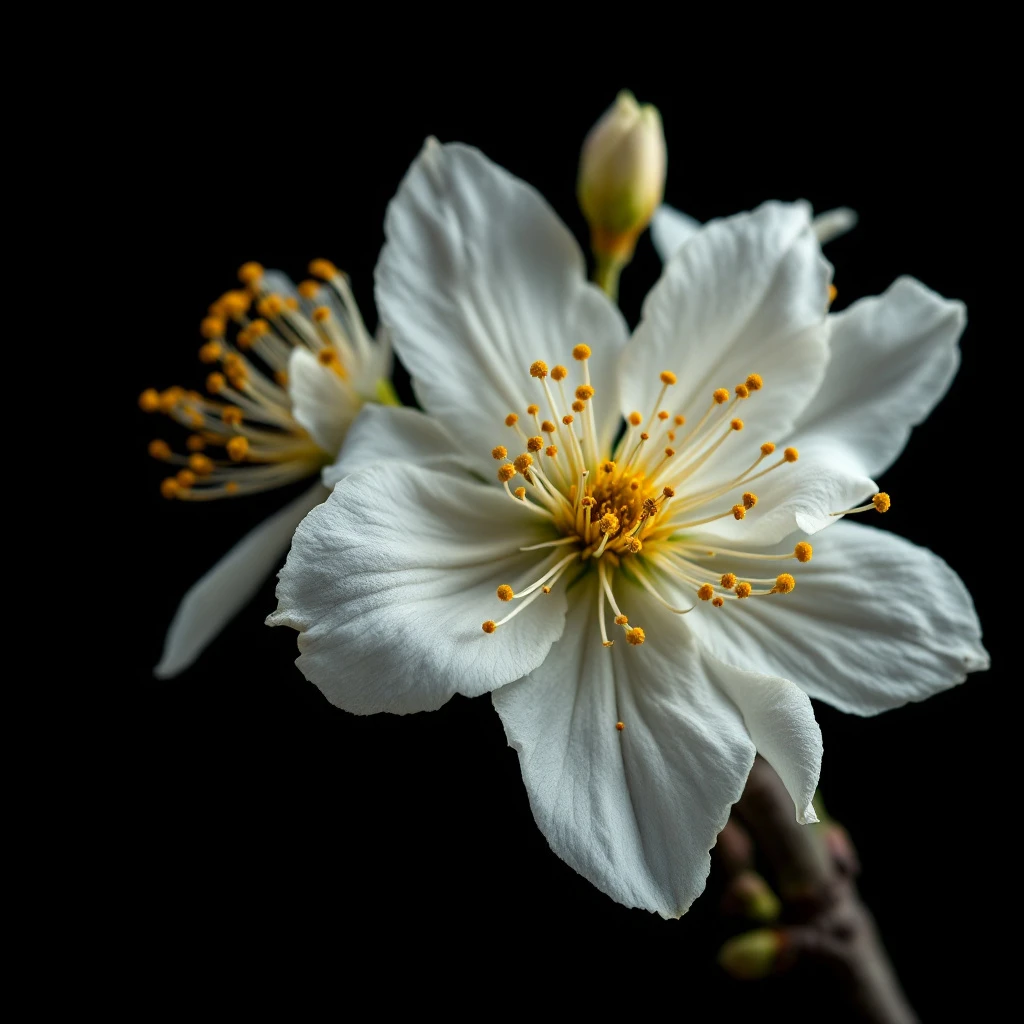
Monsoon honey captured in orange blossoms
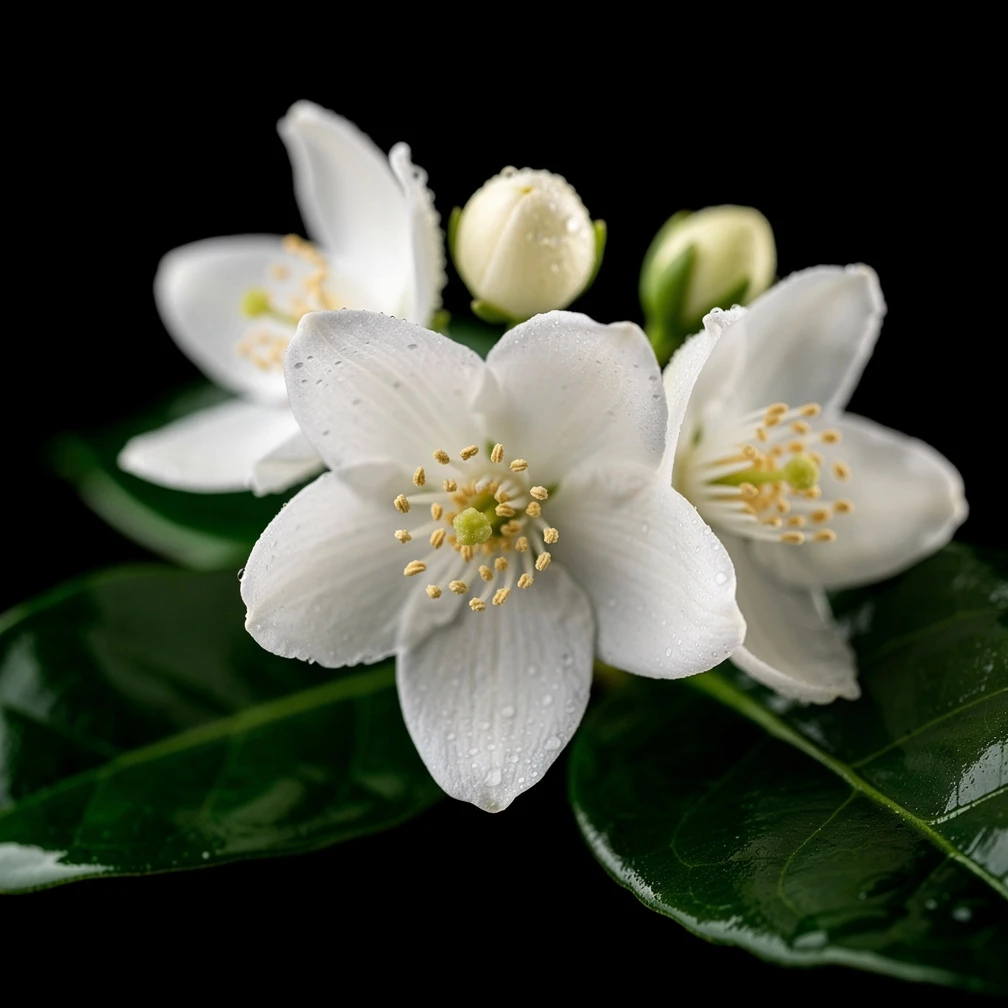
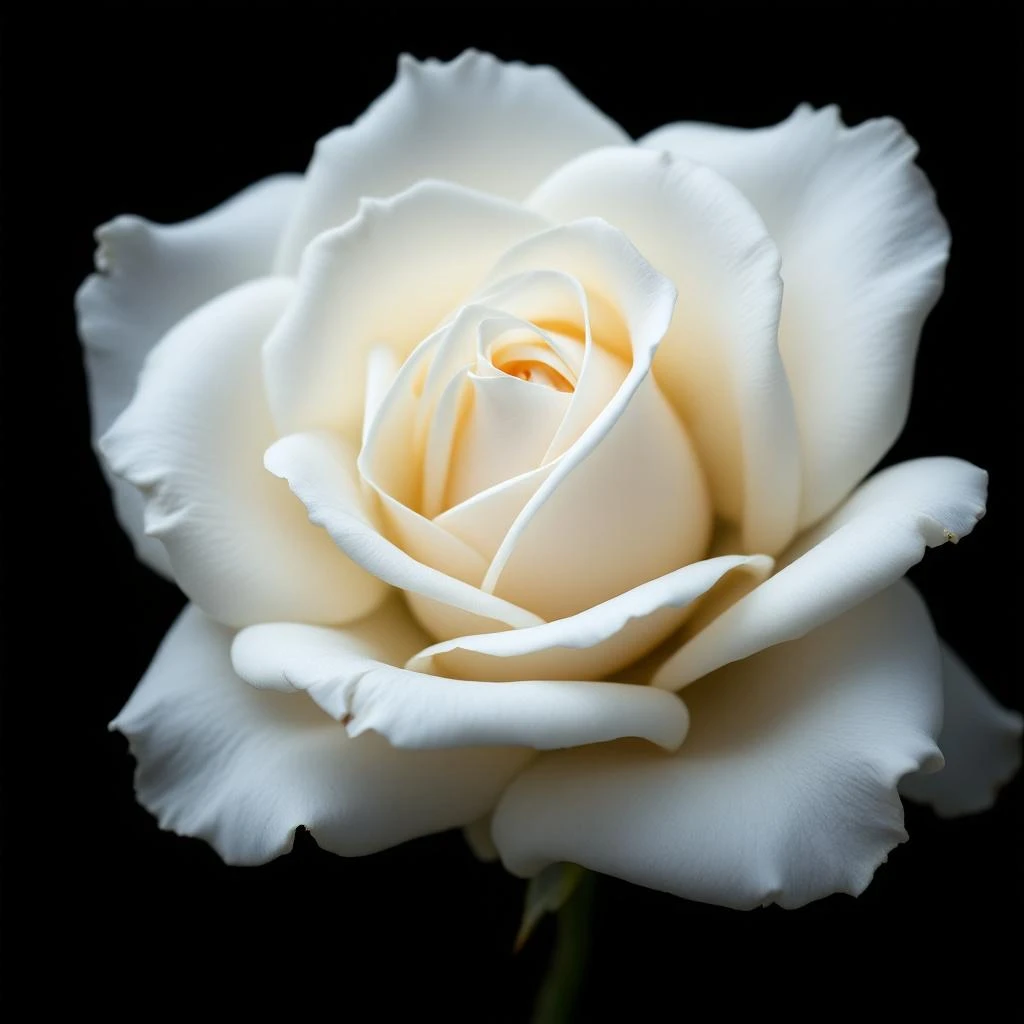
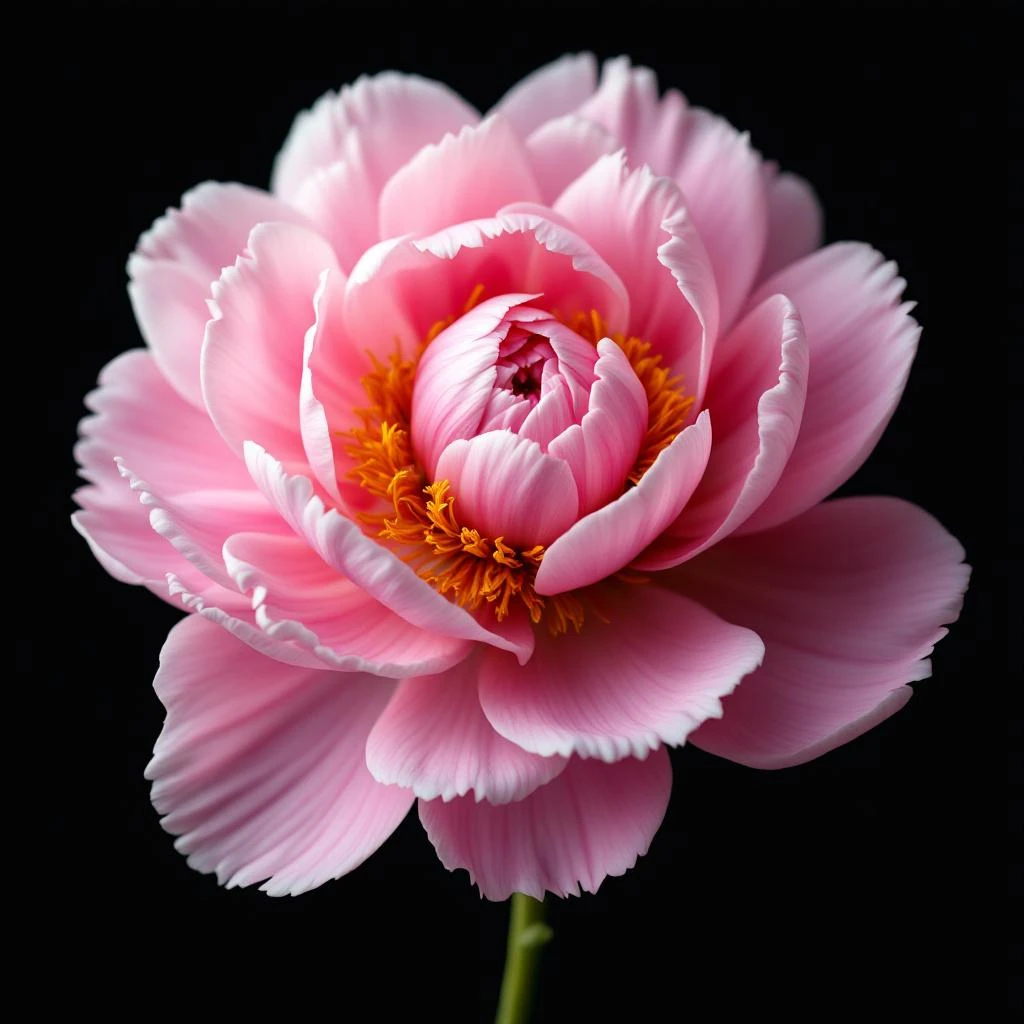
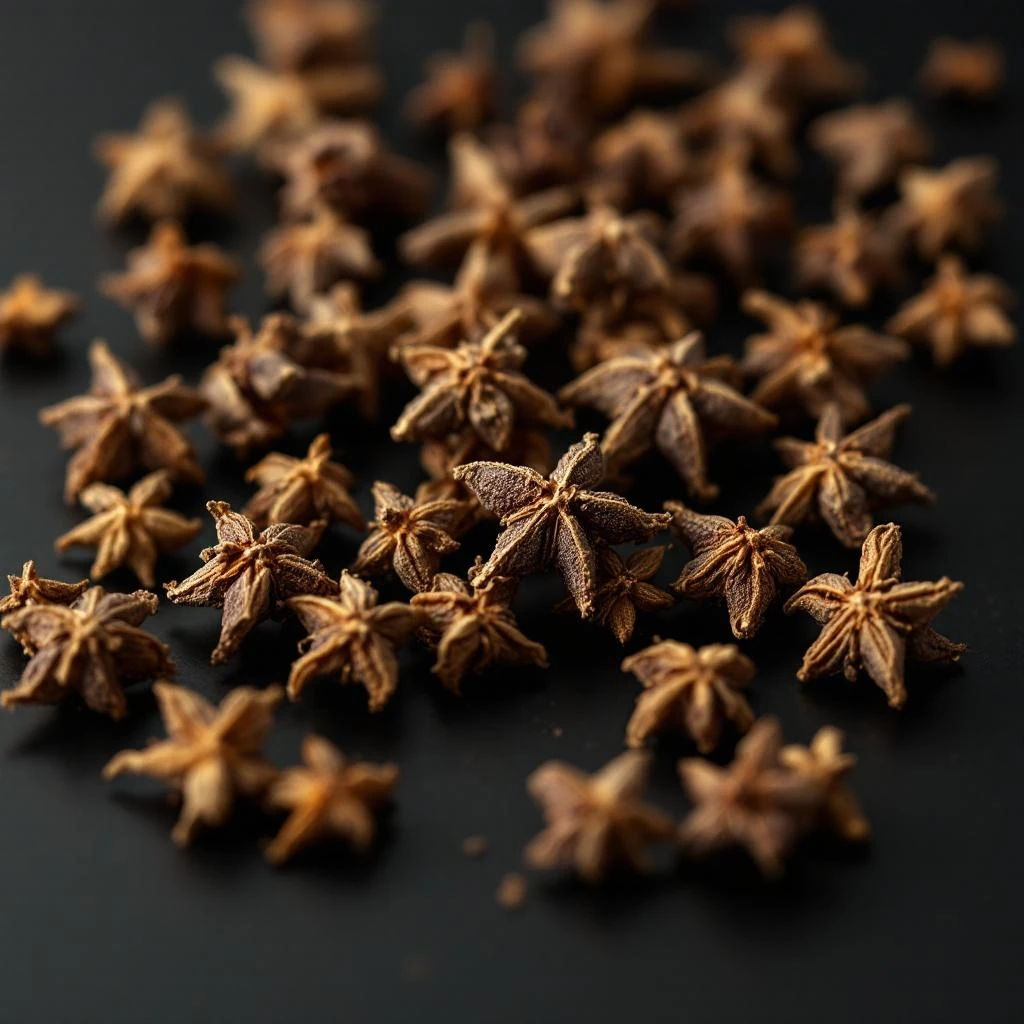
Kadam flowers bloom in heavy clusters during India's rainy season, releasing their honeyed scent into humid evening air across the subcontinent.



Origin
India
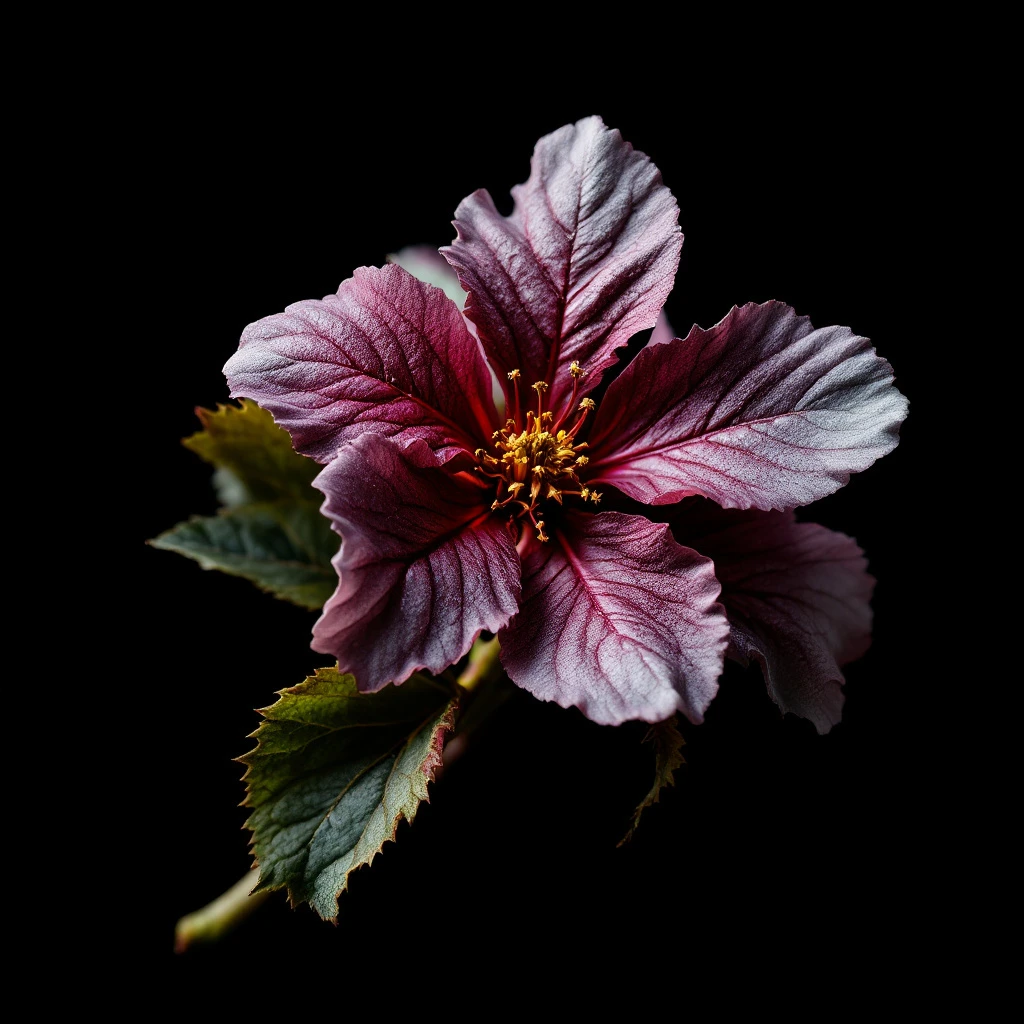
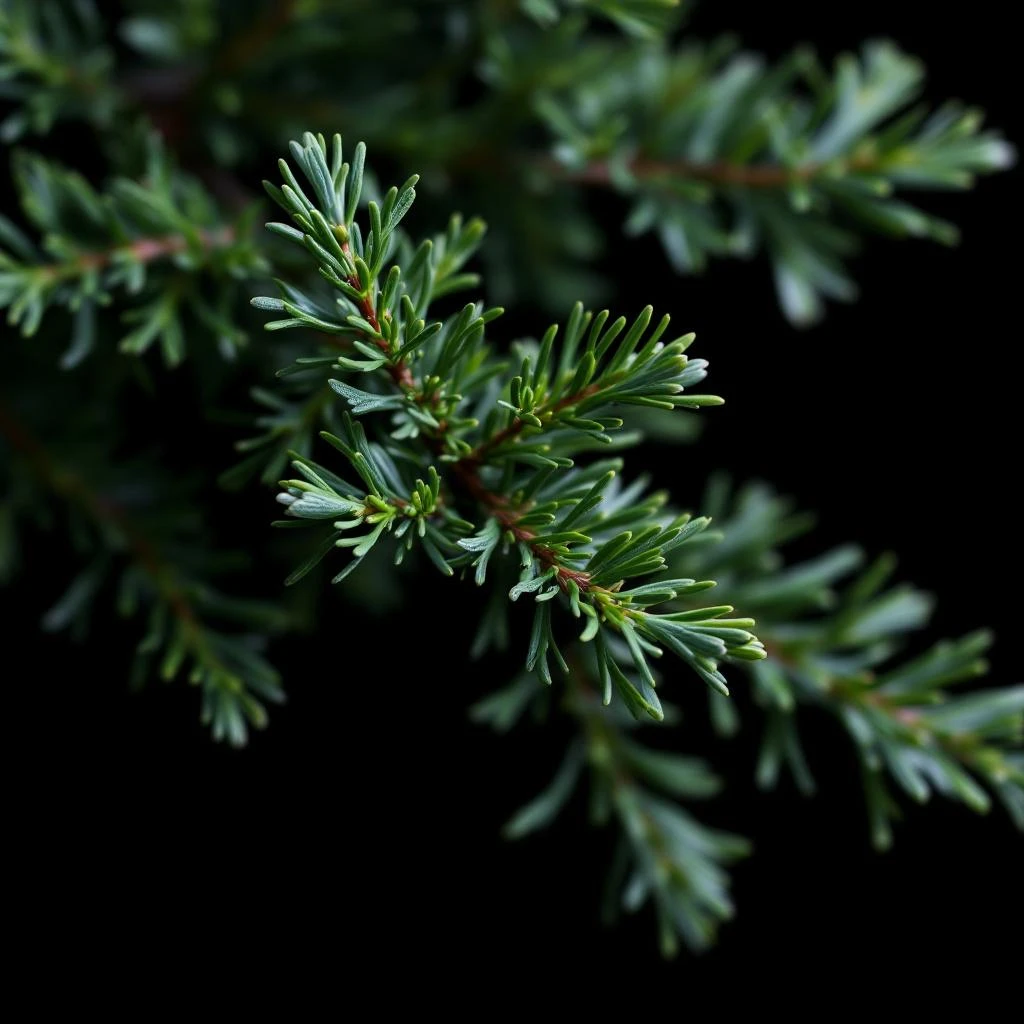
The Kadam tree holds a singular place in South Asian cultural history, referenced in Sanskrit texts, Buddhist Jataka tales, and Hindu iconography for over two thousand years. In the Ramayana, the forest of Dandaka is described as dense with Kadamba trees, and the blooms are associated with the monsoon rains, fertility, and divine play. Krishna is traditionally depicted beneath a Kadam, the tree being sacred to Vishnu and Ganesha alike.
Beyond myth, the flower has anchored Indian perfumery for centuries, serving as a key raw material in attar formulations distilled in Kannauj, Uttar Pradesh, the historical center of Indian fragrance craftsmanship. The flowers also enter traditional Ayurvedic medicine, with bark and leaf extracts documented for treating fever, inflammation, and skin conditions. Kipling referenced the tree in The Jungle Book, noting its prominence in the central Indian landscape.
Today, Kadam remains relatively rare in Western perfumery, where it appears chiefly in artisan and niche compositions seeking botanical specificity.
Wears it best
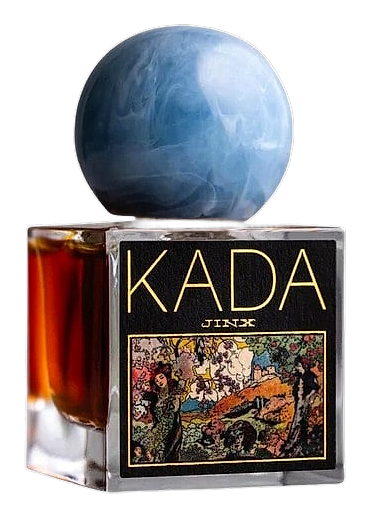
Fragrances featuring Cadam Tree Blossom
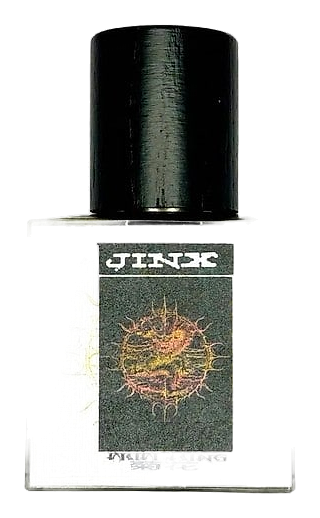

Brands
Brands known for Cadam Tree Blossom
Good to know
Questions, answered
The essentials on Cadam Tree Blossom in perfumery: how it smells, where it comes from, and how it behaves on skin.
What does Cadam Tree Blossom smell like?
Cadam Tree Blossom carries a powdery, honeyed sweetness with soft floral undertones reminiscent of monsoon humidity. Its scent profile is gentler than jasmine, with a creamy warmth that pairs well with sandalwood and white florals.
Is Cadam Tree Blossom used in mainstream perfumery?
Cadam appears more often in artisan and niche compositions than in commercial fragrance. Most mainstream Western houses have yet to feature it, though it remains a staple in traditional Indian attar production.
How is Kadam attar made?
Kadam attar is produced through deg-bhapka, a slow hydro-distillation where fresh blossoms co-distill with sandalwood heartwood chips over several days. This method captures the flower's delicate aroma without thermal damage.
Where does Cadam Tree Blossom grow?
Neolamarckia cadamba is native to South and Southeast Asia, thriving across India, Bangladesh, Myanmar, and parts of Indochina. It flourishes in tropical lowlands, particularly in regions with heavy monsoon rainfall.
Is Kadam the same as Kadamba?
Yes, Kadam and Kadamba refer to the same tree, Neolamarckia cadamba, also called the Burflower-tree. The name varies by region and language across the Indian subcontinent.
What is the cultural significance of the Kadam tree?
The Kadam tree is sacred in Hinduism and Buddhism, mentioned in the Ramayana and associated with deities Krishna, Vishnu, and Ganesha. Its blossoms symbolize the monsoon season and divine abundance in Indian tradition.
Can Cadam Blossom be synthesized?
No widely accepted synthetic equivalent replicates its full scent profile. The flower's complex honeyed-floral character depends on trace compounds that remain difficult to reproduce in a laboratory.
Is Cadam Tree Blossom sustainable?
The tree grows rapidly and is widely planted across South Asia for timber, paper, and ornamental purposes, making the species resilient. Sustainable sourcing depends on local harvesting practices and fair labor in attar production regions.



