Buttery Note
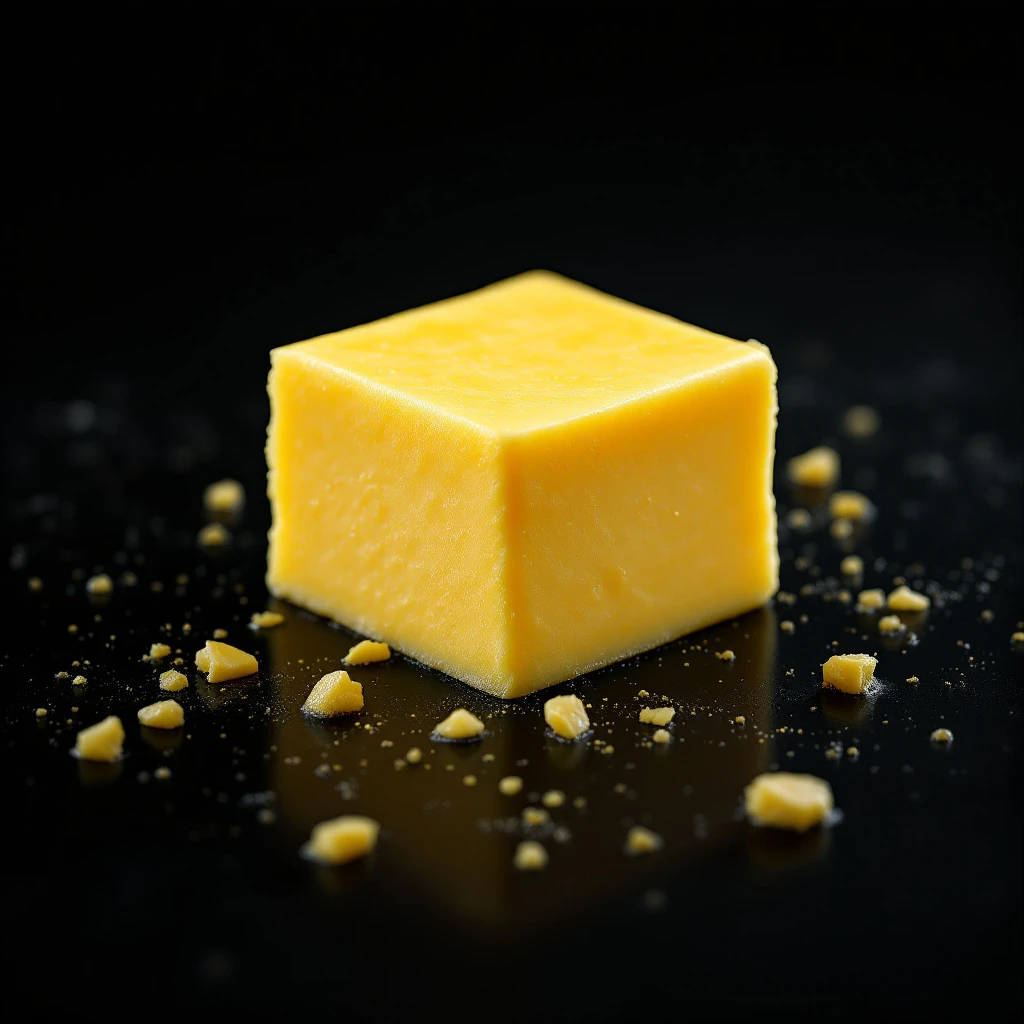
A warm, gourmand-leaning facet that smells of melted butter, caramelized sugar, and soft pastry dough. Buttery notes add edible richness to a fragrance without sweetness dominating, anchoring floral bouquets and lending creamy depth to woody compositions.
Character
How it smells
Warm, edible comfort in molecular form
The buttery smell in perfume usually comes from a synthetic molecule called diacetyl, the same compound responsible for the aroma of real butter on warm popcorn.




Origin
Switzerland
The buttery facet in fragrance is largely a modern creation, emerging after organic chemistry advanced enough to isolate and replicate food-derived aroma compounds. Diacetyl was first characterized in the late 19th century as chemists began cataloging volatile molecules responsible for flavors and scents.
Its adoption into perfumery accelerated in the late 20th century when gourmand fragrances, perfumes featuring edible, dessert-like notes, gained commercial momentum. Before that, buttery impressions appeared only as byproducts of certain absolutes, such as tonka and beeswax, which carry warm, lactonic undertones reminiscent of baked goods.
The deliberate use of pure buttery notes as a featured accord is a contemporary development, tied to the rise of niche perfumery and the demand for unconventional, food-inspired compositions. Today it sits at the heart of countless gourmand launches.
Wears it best
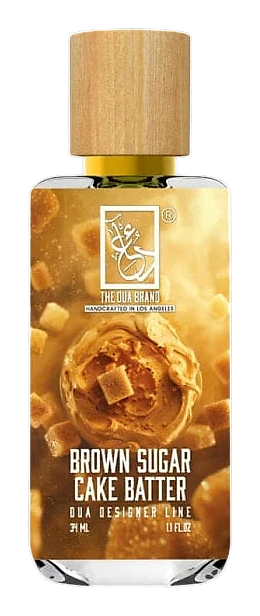
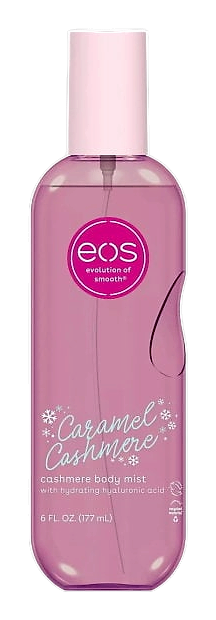
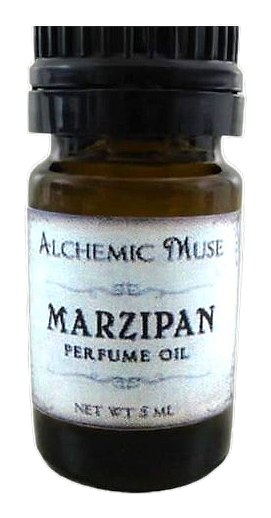
Fragrances featuring Buttery Note

Brands
Brands known for Buttery Note
Good to know
Questions, answered
The essentials on Buttery Note in perfumery: how it smells, where it comes from, and how it behaves on skin.
What does a buttery note smell like in perfume?
A buttery note smells warm, creamy, and slightly toasted, recalling melted butter or freshly baked pastry. It adds an edible richness without the cloying sweetness of vanilla, grounding lighter compositions with a soft, gourmand undertone.
Is buttery note natural or synthetic?
The buttery note is almost always synthetic. Perfumers use diacetyl, the same molecule found in real butter, manufactured through controlled chemical synthesis for purity, consistency, and shelf stability.
Which fragrance families use buttery notes?
Buttery notes appear primarily in gourmand and oriental fragrances, where edible accords dominate. They also support floral and woody compositions by adding creamy warmth and a soft, comforting base.
What ingredients create a buttery effect naturally?
Tonka bean, beeswax absolute, and certain lactones naturally produce buttery impressions. These materials contain lactonic compounds that read as warm and creamy, though perfumers often reinforce them with synthetic diacetyl.
When was the buttery note first used in perfumery?
The deliberate use of buttery notes became prominent in the late 20th century, coinciding with the rise of gourmand perfumery. Before then, similar impressions appeared only as subtle byproducts of lactonic absolutes like tonka.
Do buttery notes last long on skin?
Buttery notes are typically mid-range in longevity, lasting three to six hours depending on concentration. Blending them with heavier base notes such as sandalwood or vanilla significantly extends their presence.
Are buttery fragrances suitable for summer?
Buttery fragrances can work in summer when paired with citrus or aquatic top notes that lighten the composition. Heavier butter-dominant scents tend to perform better in cooler weather due to their dense, warming character.
Can buttery notes smell rancid?
Yes, poorly balanced buttery notes can turn sour or rancid, especially at high concentrations. Skilled perfumers dose them carefully and pair with stabilizing base notes to maintain a fresh, creamy impression rather than an off-putting one.