Burmese Magnolia
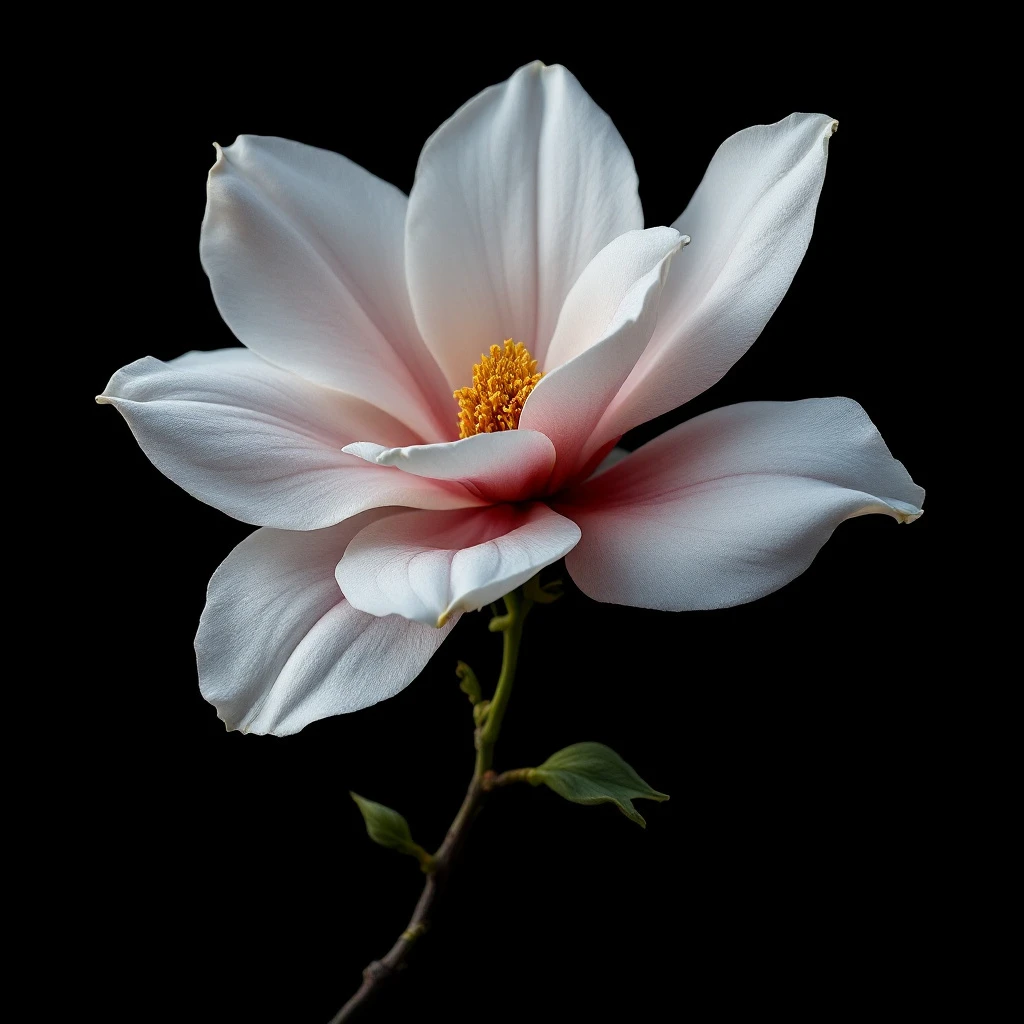
Burmese Magnolia carries the essence of Southeast Asia's lush forests—a warm, creamy floral with a citrus sparkle that has captivated perfumers only since the early 1990s, despite centuries of botanical appreciation.
Character
How it smells
Warm, creamy floral with a bright citrus spark
Pierre Magnol, the botanist magnolia honors, pioneered the classification system that organizes all flowering plants into families—a framework still used today.


Origin
Myanmar
Magnolia species grow native across Southeast Asia, including Myanmar's forested regions, where local traditions have long appreciated their intoxicating scent. French botanist Pierre Magnol lent his name to the genus in the 18th century, honoring his revolutionary work establishing plant family classifications. European traders introduced magnolia to Southern France and Italy at the century's end, though perfumers largely ignored the flower until the early 1990s.
The delay stemmed from extraction challenges—magnolia's fragile aromatics resisted traditional distillation methods. Today, magnolia occupies a celebrated space in fine fragrance, prized for its ability to bridge fruity warmth and fresh citrus in a single note.
Wears it best
Fragrances featuring Burmese Magnolia

Brands
Brands known for Burmese Magnolia
Good to know
Questions, answered
The essentials on Burmese Magnolia in perfumery: how it smells, where it comes from, and how it behaves on skin.
What does Burmese Magnolia smell like?
Burmese Magnolia opens with bright, lemony citrus notes before revealing a warm, creamy floral heart reminiscent of gardenia and ylang-ylang. The scent balances freshness and warmth, making it versatile across fragrance families.
Is Burmese Magnolia a natural or synthetic ingredient?
Both options exist. Natural magnolia absolute comes from solvent extraction of the flowers, while perfumers also recreate the scent synthetically using aroma chemicals. Natural versions tend toward greater complexity.
Why did magnolia remain unused in perfumery for so long?
Magnolia resisted traditional steam distillation because heat destroys its delicate aromatic compounds. Solvent extraction solved this problem, enabling commercial use only from the early 1990s onward.
What extraction method produces magnolia absolute?
Solvent extraction first creates a concrete from the flowers, then alcohol washing yields the absolute. This two-step process preserves the fragile molecules that steam distillation would destroy.
What volume of magnolia absolute comes from fresh flowers?
Extraction yields between 1.2 and 1.63 percent by weight from fresh magnolia flowers. This low yield makes natural magnolia absolute considerably more expensive than many alternatives.
Which magnolia species supply perfumery materials?
Perfumers primarily source from Magnolia grandiflora and Michelia alba (white champaca). Both species produce flowers with the creamy, citrus-floral character that defines magnolia in fragrance.
Where does Burmese Magnolia originate?
Myanmar provides one historic origin for Magnolia species used in perfumery, though commercial production concentrates in China's Guangxi and Fujian provinces. The Burmese origin carries particular appeal for fragrance storytelling.
How does magnolia perform as a fragrance note?
Magnolia functions as both heart and top note depending on formulation. It projects moderately and lasts three to six hours on skin, lending warmth to florals, brightness to orientals, and freshness to chypres.




