Brazilian Kumquat Peel
A bright, tart citrus oil pressed from the peels of Fortunella japonica grown in Brazil. Delivers a sharper, more pithy character than conventional citrus notes, with a lingering green bitterness.
Character
How it smells
Citrus with a sharper edge.
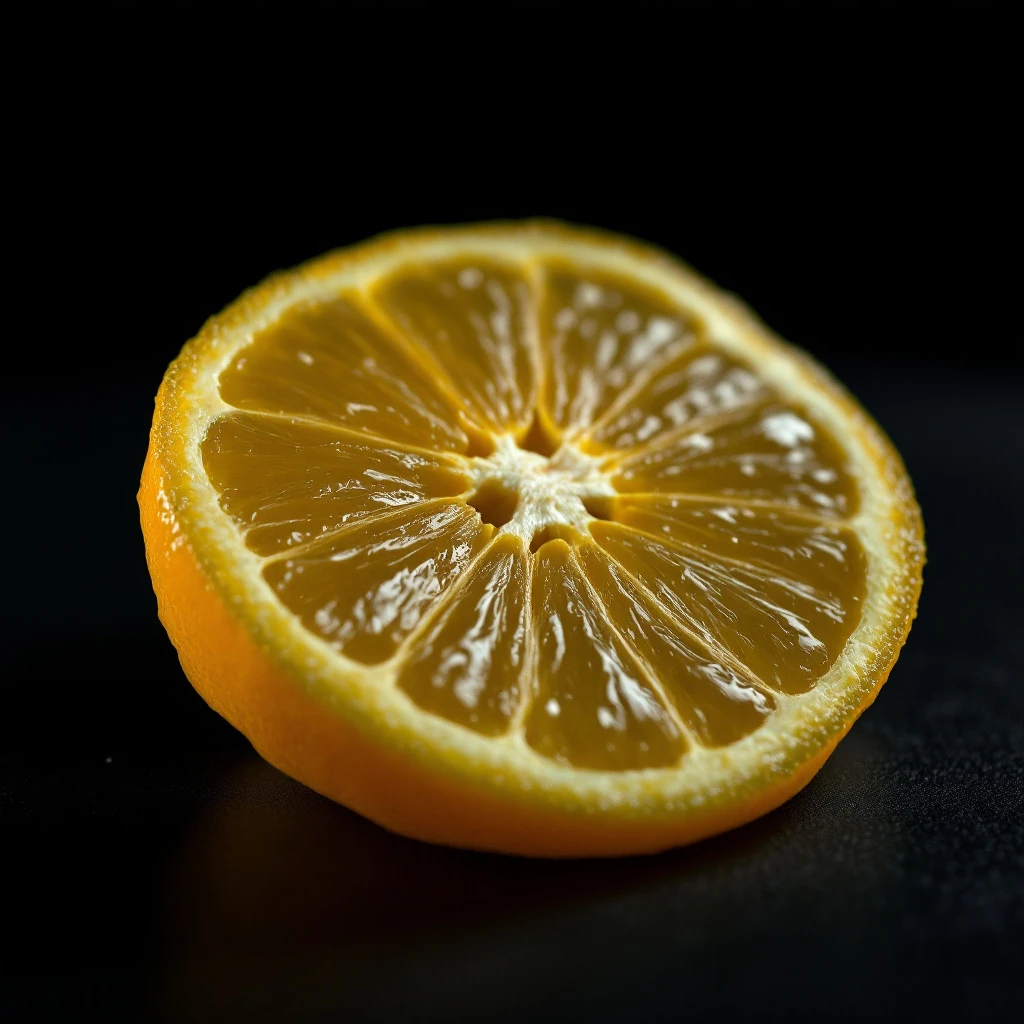
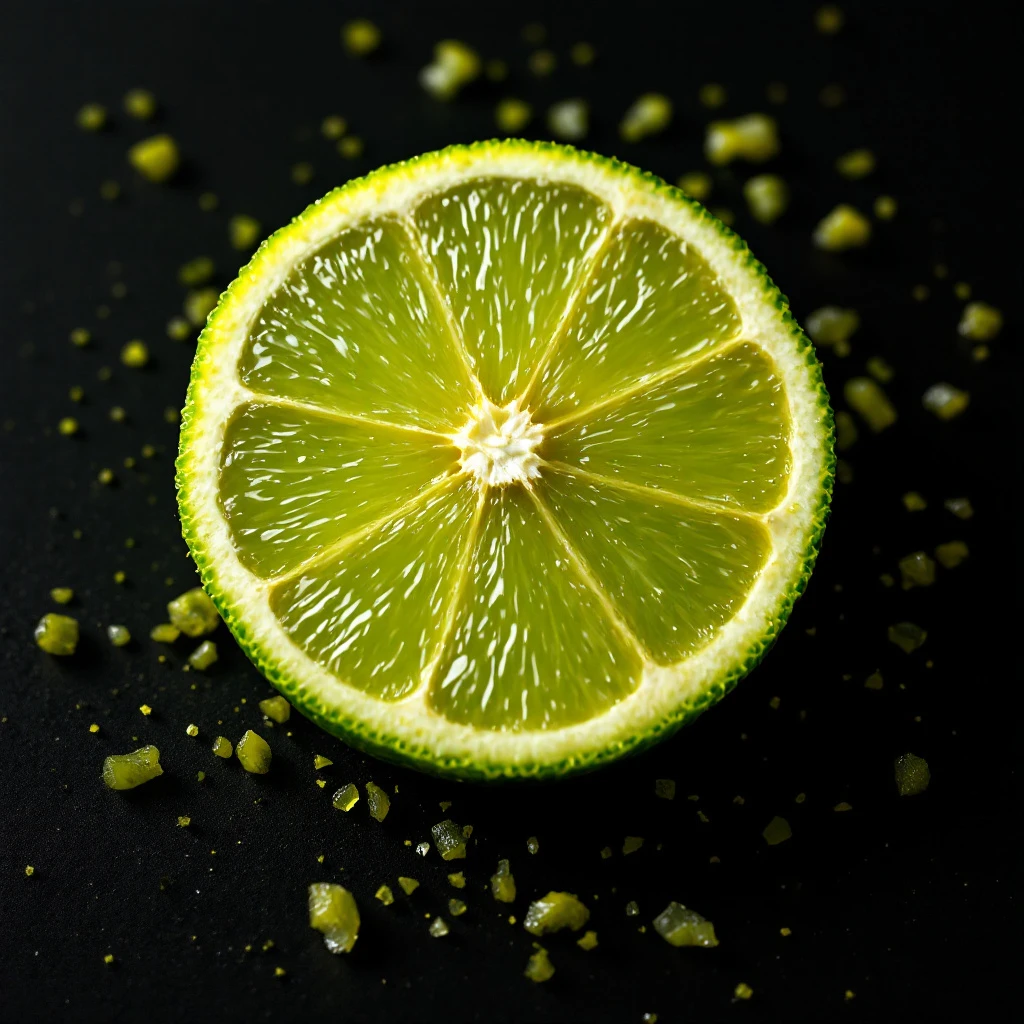
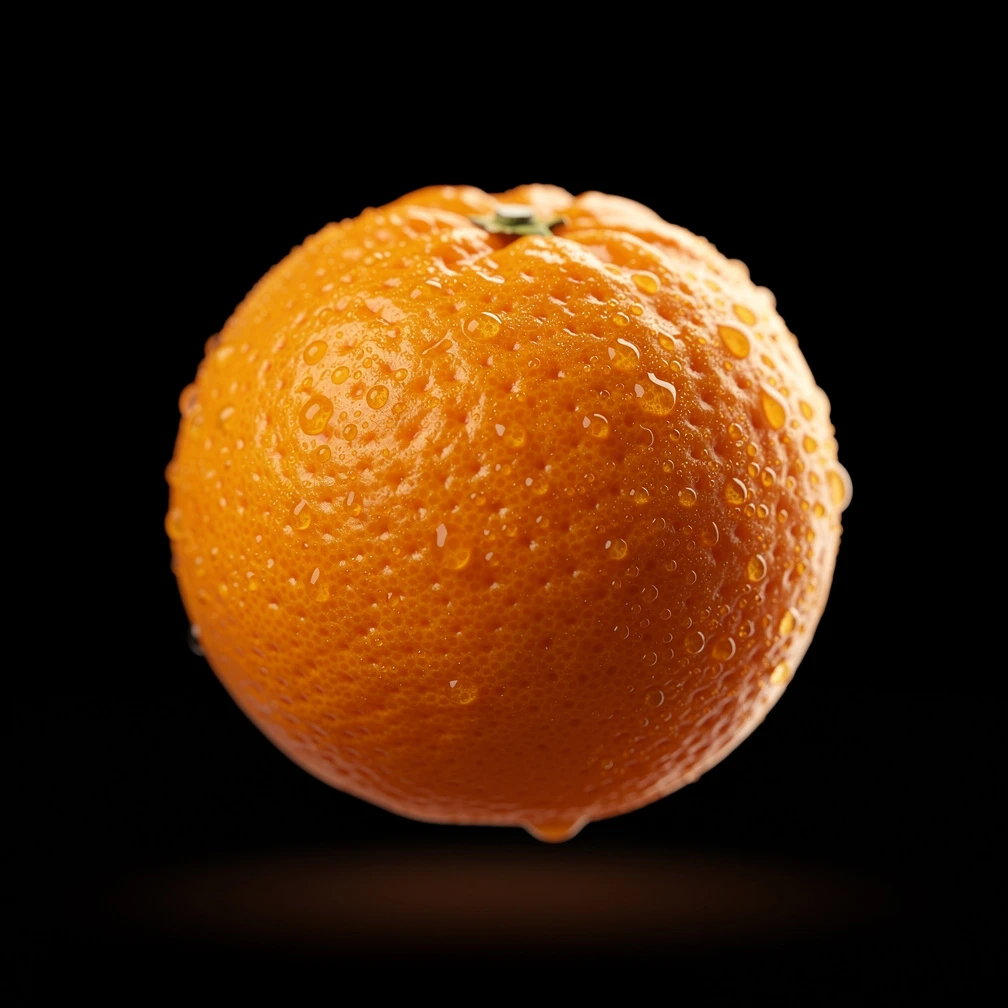
Unlike most citrus fruits, kumquats are eaten whole, peel and all, because the sweet rind balances the sour flesh. That edible peel is exactly what perfumers press for its oil.




Origin
Brazil
The kumquat tree, Fortunella japonica, traces its origins to southern China, where gardeners cultivated it for centuries before it traveled westward. Its Cantonese name, gam gwat, translates to golden orange, a reference to the fruit's flame-colored rind and oblong shape. Portuguese traders carried kumquat specimens from China to Europe in the nineteenth century, and the fruit eventually reached Brazil, where subtropical climate and Portuguese agricultural expertise created ideal growing conditions.
Brazil now ranks among the principal commercial producers alongside China and parts of southern Europe. The peel's introduction into modern perfumery came relatively late, gaining traction as perfumers sought citrus notes with greater complexity than lemon or bergamot offered. Kumquat peel oil entered niche European compositions in the early 2000s and grew steadily through the 2010s as consumers gravitated toward bright, photorealistic fruit accords.
Its presence in fine fragrance now spans fresh colognes, unisex compositions, and gourmand-adjacent releases where a sharper citrus edge anchors sweeter base notes. The Brazilian supply chain benefits from established citrus infrastructure originally built for orange juice exports.
Wears it best
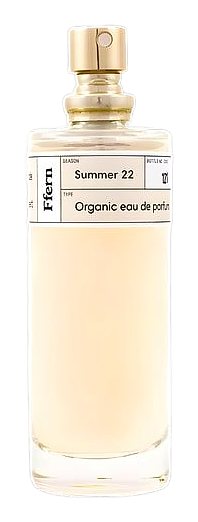
Fragrances featuring Brazilian Kumquat Peel
Brands
Brands known for Brazilian Kumquat Peel
Good to know
Questions, answered
The essentials on Brazilian Kumquat Peel in perfumery: how it smells, where it comes from, and how it behaves on skin.
What does Brazilian kumquat peel smell like in perfumery?
Brazilian kumquat peel oil smells sharper and greener than conventional citrus, with a pronounced pithy bitterness layered over bright zest. It reads less candied than sweet orange and more herbaceous than bergamot, lending compositions a crisp, slightly peppery lift that holds up well in formulations.
How is kumquat peel oil extracted?
Kumquat peel oil is extracted through cold pressing, the same mechanical method used for most citrus peel oils. Fruits are mechanically peeled, the rind is centrifuged to separate oil from water and pulp, and the finished oil is filtered before storage.
What is the difference between kumquat and orange peel oil?
Kumquat peel oil contains different volatile compounds than orange peel, with higher levels of certain sesquiterpenes and aldehydes that produce its sharper, more pithy character. Orange peel oil leans sweeter and more familiar, while kumquat reads greener and more complex.
Why is Brazil a major source for kumquat peel oil?
Brazil became a major kumquat producer because subtropical climate and existing citrus infrastructure originally built for orange juice exports provided ideal conditions. Brazilian Fortunella japonica cultivation benefits from established pressing facilities and export channels.
Is kumquat peel oil natural or synthetic in perfumery?
Kumquat peel oil exists as both a genuine cold-pressed natural material and a reconstructed synthetic accord. Genuine Brazilian kumquat peel oil is commercially available but production volumes remain small compared to mainstream citrus oils.
Where does the kumquat fruit originally come from?
The kumquat is native to southern China, where it has been cultivated for centuries. Its Cantonese name gam gwat means golden orange. The fruit reached Europe through Portuguese traders and later spread to subtropical regions including Brazil.
Which perfumes feature kumquat peel notes?
Kumquat peel appears in a range of mainstream and niche releases from the 2010s onward, often as a top-note accent in fresh colognes and unisex compositions. Specific examples include Kenzo Flower by Tag Nakajima and the 2012 composition Au Pays de la Fleur d'Oranger Kumquat.
Is kumquat peel oil expensive compared to other citrus oils?
Kumquat peel oil costs more than common citrus oils like lemon or sweet orange because yields per fruit are lower and production volumes remain minor. Its price reflects specialty-crop economics rather than rarity of the raw fruit itself.