Brazilian coffee
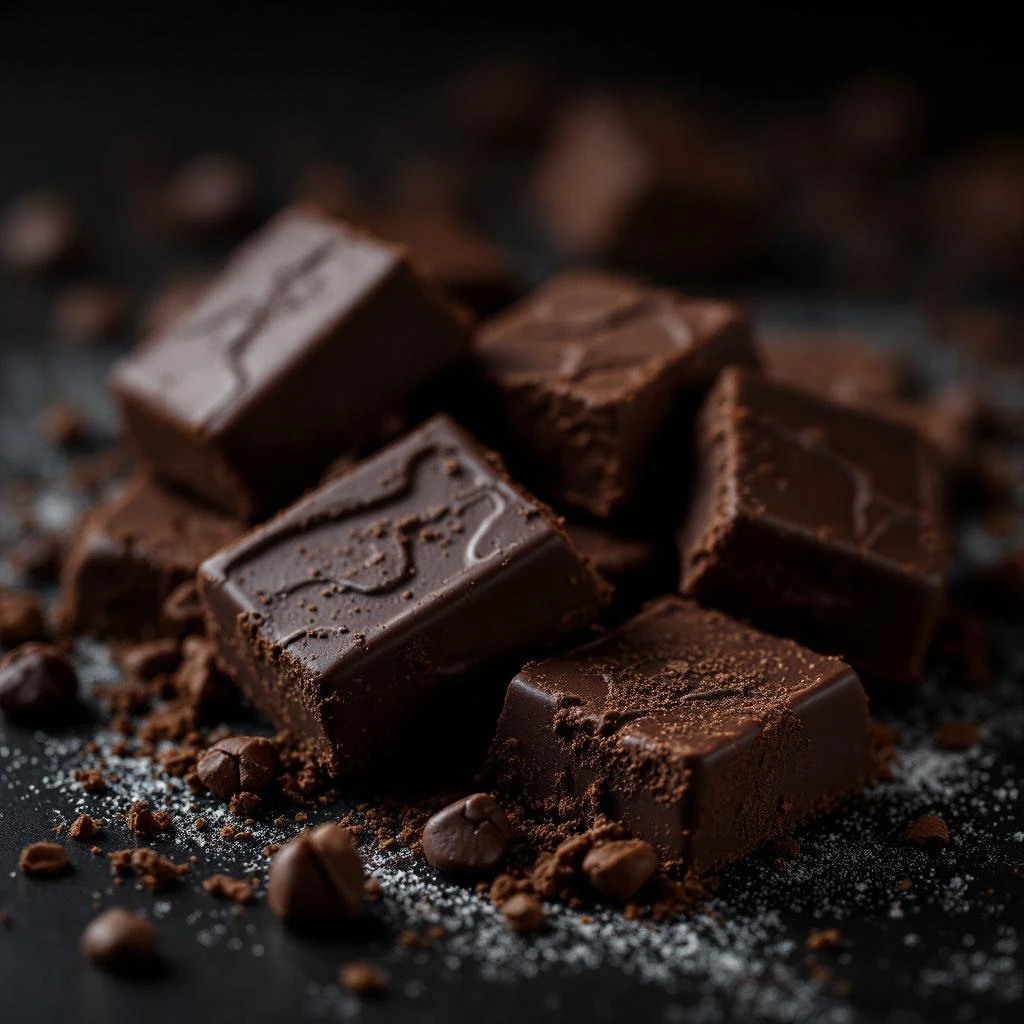
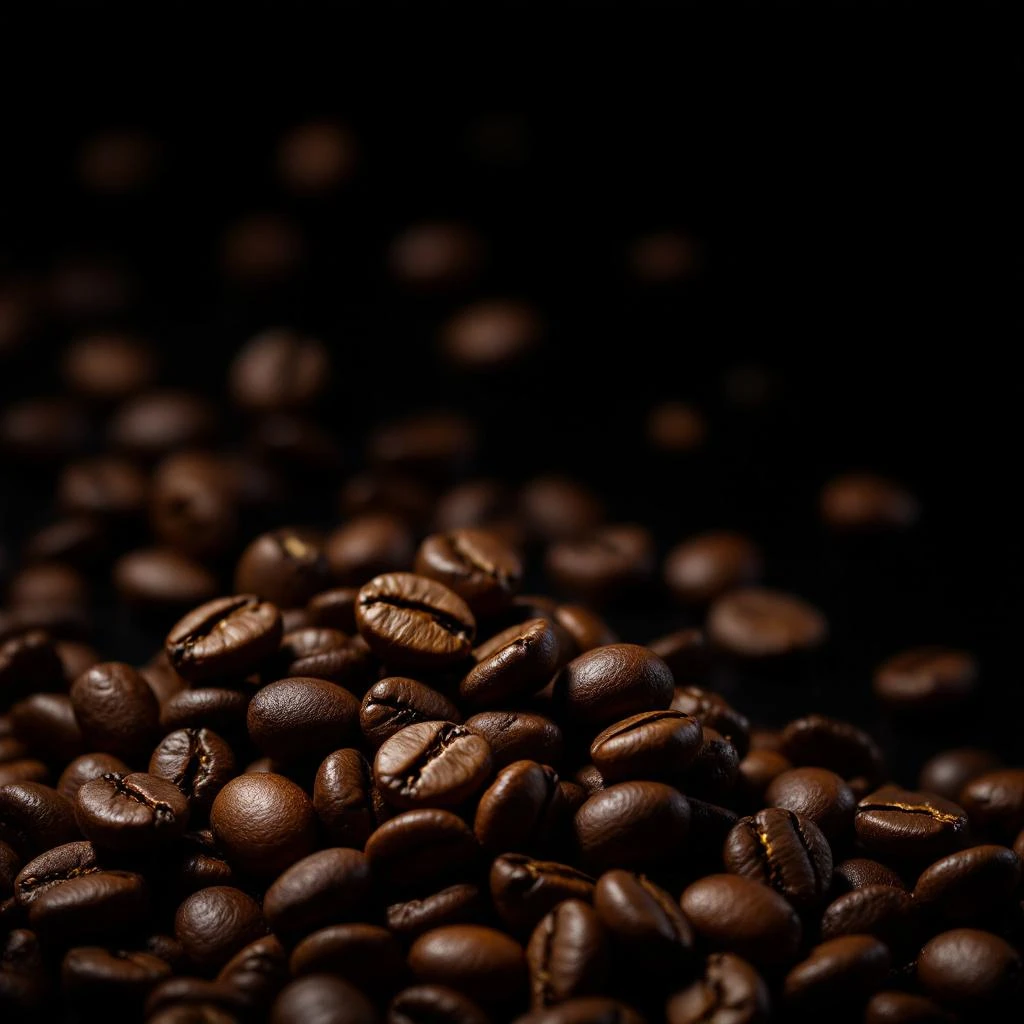
Brazilian coffee brings deep, roasted warmth to fine fragrance. From green berry to aromatic concentrate, its journey spans terroir, harvest, and precision extraction, yielding a bold material prized across masculine and unisex compositions for its addictive, enveloping character.

Character
How it smells
Deep-roasted warmth distilled into fragrance.
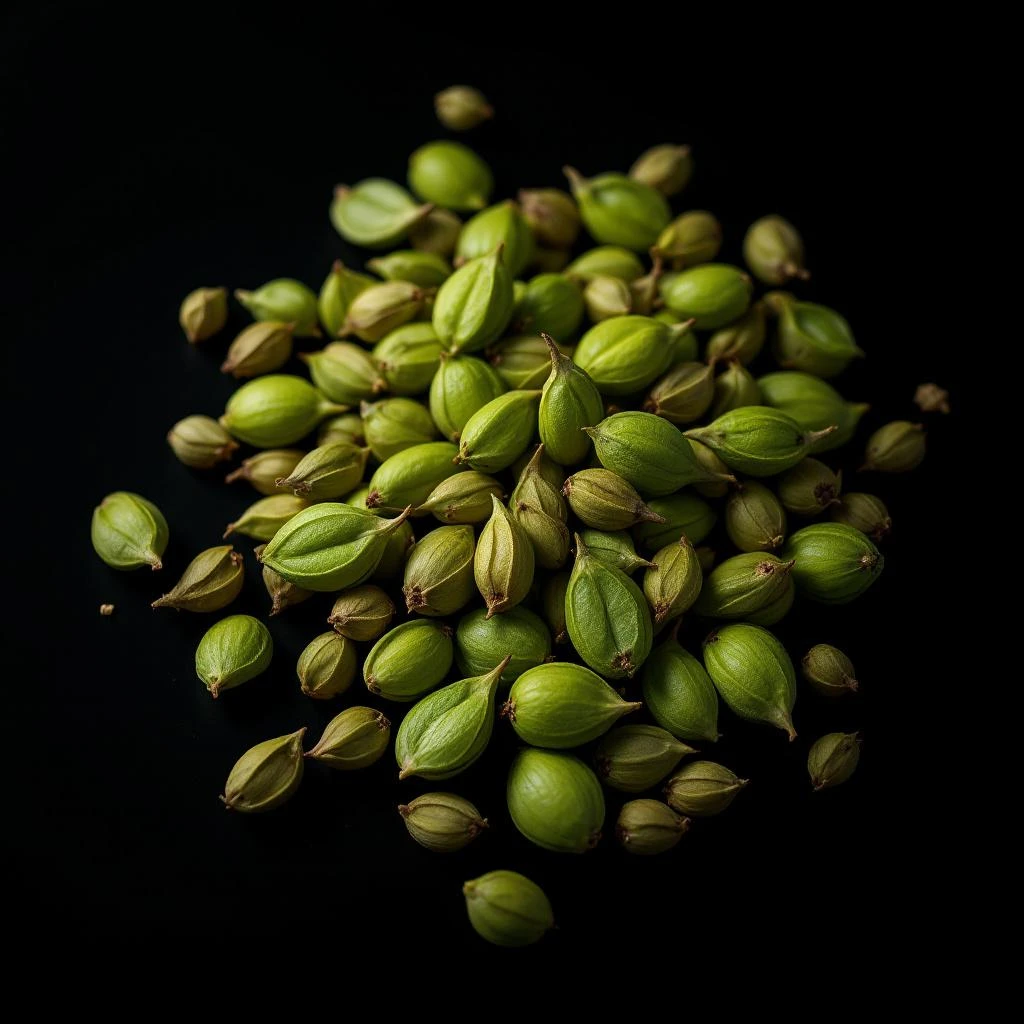
Brazil supplies roughly 40% of the world's coffee, making it the largest exporter and the material source most fragrance houses turn to for coffee accords.





Origin
Brazil
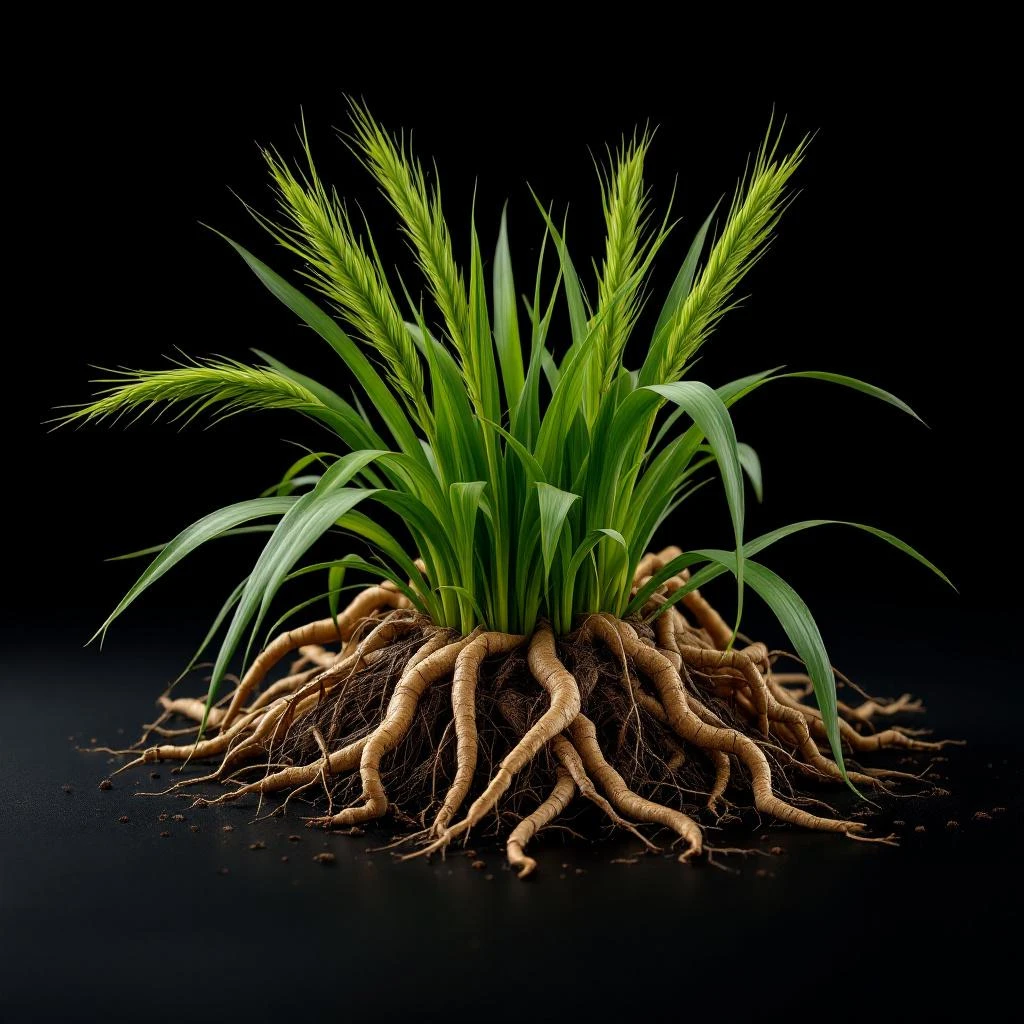
Coffee traces its botanical roots to Ethiopia, where the Coffea arabica plant originated and local legend describes goat herders first noticing its stimulant effect centuries ago. Yemeni traders brought the plant across the Red Sea, and by the 1500s coffee culture had spread through the Ottoman Empire, transforming from religious ritual to social beverage across the Middle East.
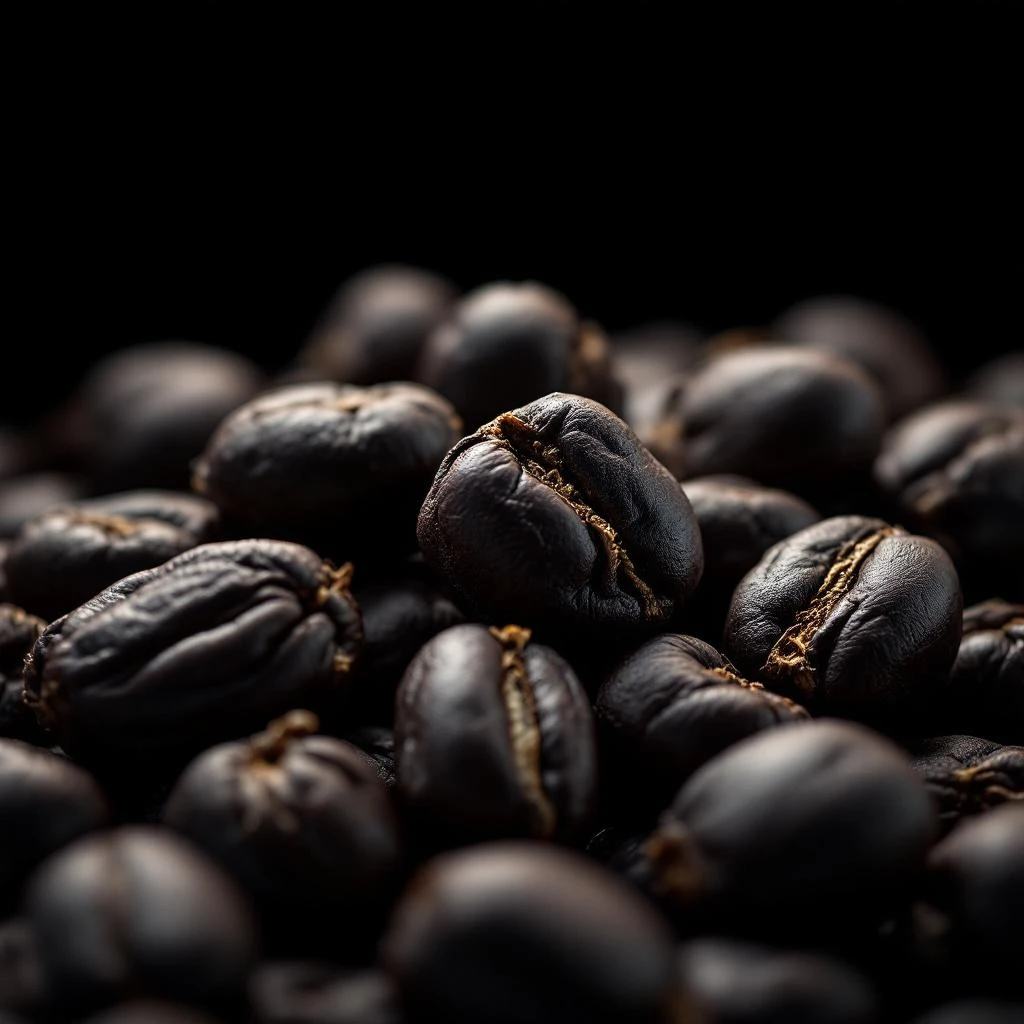
Brazil's coffee chapter began in 1727 when the Franciscan priest Francisco de Melo Palheta reportedly smuggled seeds from French Guiana to Pará, planting the first Brazilian crops near Belém. From those humble beginnings, Brazil expanded into the world's dominant coffee power. By 1900, the nation produced roughly 80% of global supply, with Santos port serving as the primary export hub.
Coffee shaped Brazil's economic geography, driving European investment, immigration policies, and urban development. When leaf rust devastated Asian crops, Brazil filled the gap, cementing its role as the world's coffee house. Today, Brazilian coffee production remains unrivaled at approximately 83 million 60-kilogram bags annually, about 40% of global output. Specialty Brazilian coffees have won international awards, with regions like Cerrado Mineiro earning Protected Designation of Origin status, proving that Brazilian terroir produces extraordinary aromatic complexity in the cup and beyond.
Wears it best
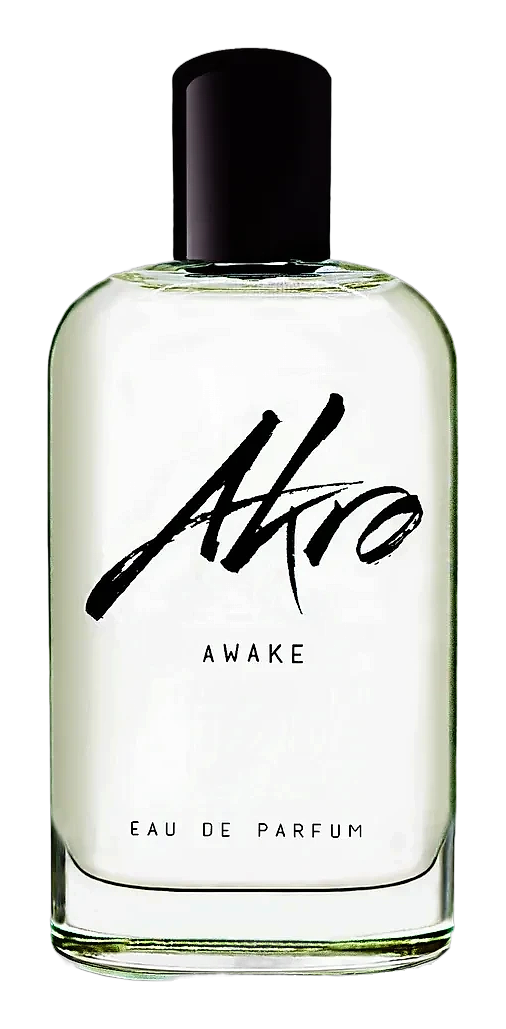
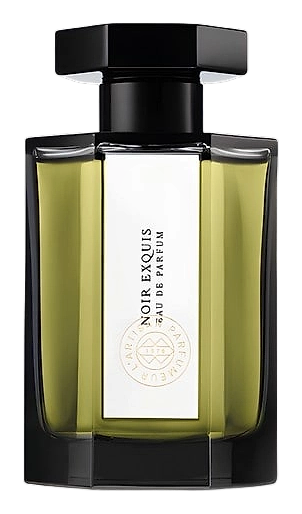
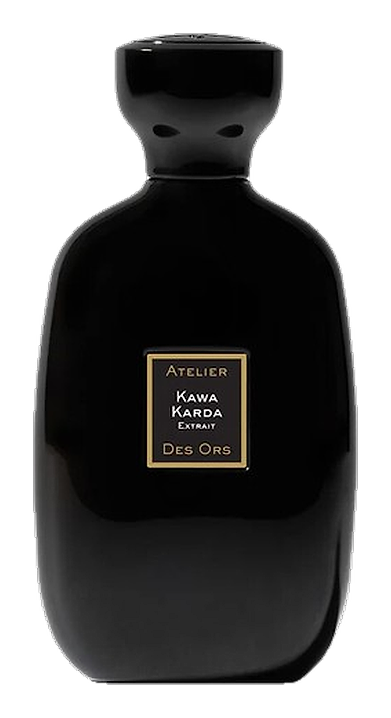
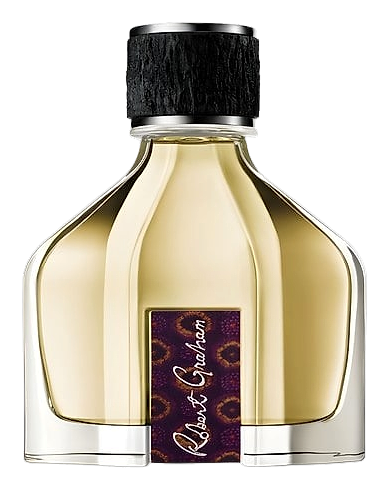
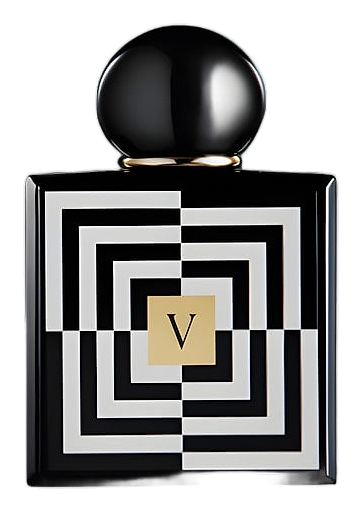
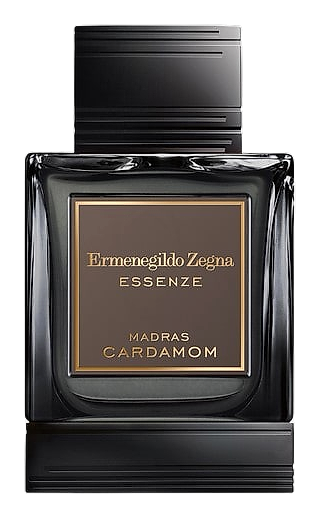
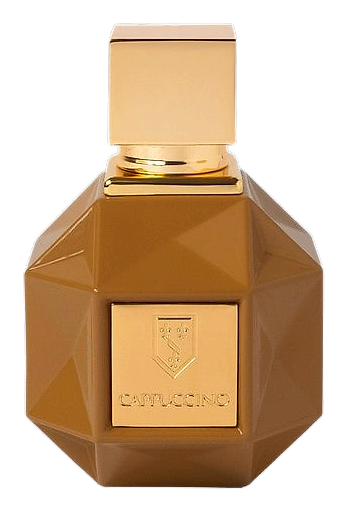
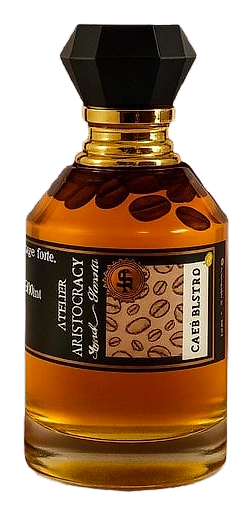
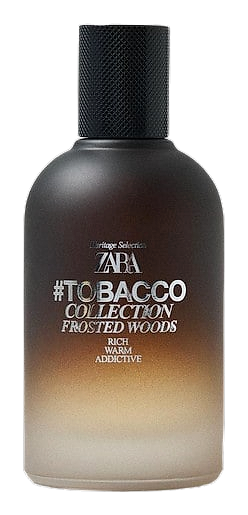
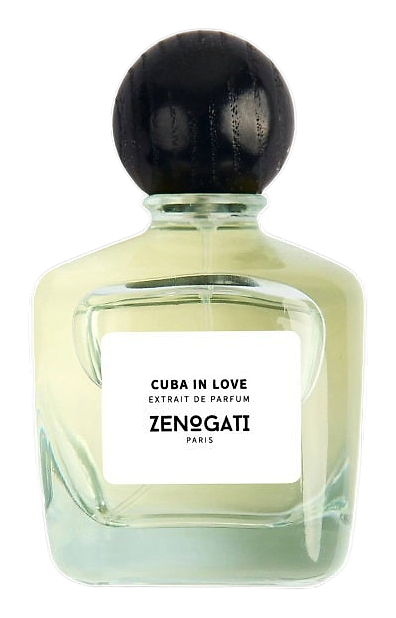
Fragrances featuring Brazilian coffee
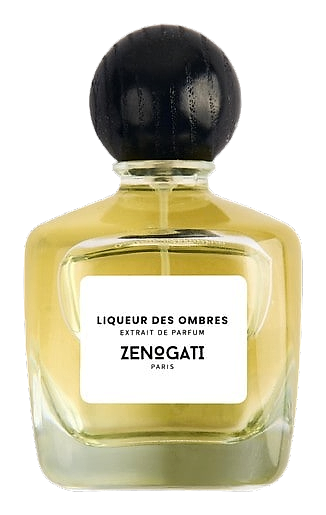
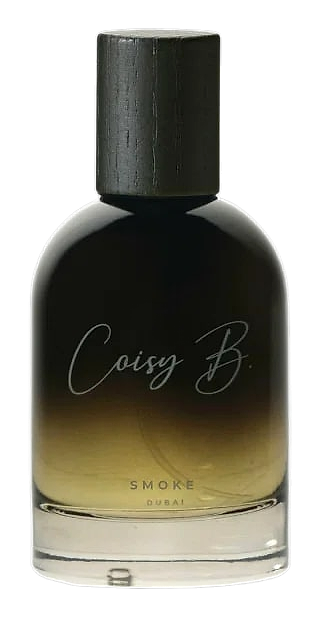
Brands
Brands known for Brazilian coffee
Good to know
Questions, answered
The essentials on Brazilian coffee in perfumery: how it smells, where it comes from, and how it behaves on skin.
What does Brazilian coffee smell like in perfume?
Brazilian coffee absolute presents roasted, warm, and slightly bitter qualities with caramel undertones. It does not smell like brewed coffee, but rather a dry, dark, and enveloping accord that pairs well with woods, spices, and vetiver.
How do perfumers extract coffee's aroma?
Fragrance houses primarily use supercritical CO2 extraction and food-grade solvent extraction on roasted beans. Supercritical CO2 operates below 50°C under high pressure, preserving delicate volatile compounds for a purer aromatic profile.
Why does Brazil dominate coffee for perfumery?
Brazil produces about 40% of the world's green coffee, ensuring abundant supply, consistent quality, and established processing infrastructure that fragrance manufacturers can rely on year-round.
Does Brazilian coffee smell different from Ethiopian coffee in fragrance?
Yes. Altitude, processing methods, and bean varieties shape volatile profiles. Ethiopian coffees often show brighter, fruity, and floral characters, while Brazilian coffees typically present deeper roasted, chocolate, and nutty tones.
What fragrance families use Brazilian coffee?
Coffee absolutes appear most in Oriental and woody compositions. Masculine fragrances, ambery scents, and unisex perfumes with leathery or smoky drydowns frequently feature coffee as a heart or base modifier.
Is coffee in perfume natural or synthetic?
Coffee used in fine fragrance is typically natural, derived from roasted Coffea arabica beans through extraction. Synthetic coffee aromatics exist for cost reduction but premium perfumery favors the natural absolute.
Why does roasting matter for coffee in perfumery?
Roasting triggers Maillard reactions between amino acids and sugars, generating the pyrazines and furans responsible for coffee's characteristic roasted, nutty aroma. Unroasted green beans would not produce the same effect.
How much global coffee does Brazil produce?
Brazil produces approximately 83 million 60-kilogram bags annually, representing roughly 40% of total world coffee output. This scale ensures consistent supply for food, beverage, and fragrance industries.
Why does global coffee demand matter for fragrance?
Global coffee demand stands around 170 million bags yearly and is projected to reach 200 million by 2030. This scale creates robust processing infrastructure that fragrance manufacturers can leverage for aromatic material production.