
The Story
Why it exists.
The beginning
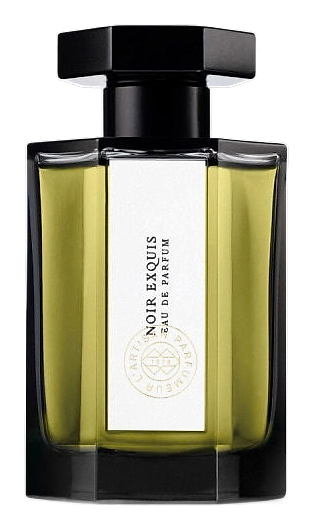
There is a specific kind of pleasure in candied chestnut, the ones sold from copper carts in Paris as the light goes blue. Not flashy. Not trying. Just warm, and there, and exactly right. Noir Exquis is built from that moment. The name is deliberate: not exotic, not dramatic. Exquis is a quiet word. It means finely done, carefully chosen. It does not raise its voice. The composition translates that restraint into smell: chestnut and candied orange open the door, but the coffee and maple syrup are already inside, sitting at the table, waiting.
What makes Noir Exquis interesting is how it handles sweetness. The chestnut is candied, not roasted, it has sugar, but also gloss, the way a confection looks under glass. The coffee is Brazilian, which means it carries some of that characteristic warmth, a bitterness that keeps the sugar from becoming syrup. These two are in tension throughout the fragrance. The vanilla and tonka bean in the base could have tipped it into dessert territory, but Duchaufour uses them as soft landing, not payoff. The orange blossom appears in the heart and stays, it threads through all three stages, not as a floral note but as a thread of something cleaner cutting through the richness.
The evolution
The opening arrives quickly: chestnut and candied orange, bright and sweet, like unwrapping something from a paper bag. Within fifteen minutes the orange recedes and the coffee enters, not the coffee of an espresso, but the coffee of a café at dusk, when the light is warm and the room smells of sugar and roasted beans. The maple syrup is here too, but it's blended, not separate. You feel it more than you smell it: a thickness in the air. The orange blossom appears and lifts the whole thing slightly, preventing it from becoming heavy. Around two hours in, the base takes over. Vanilla and tonka bean become the main event, but the ebony and sandalwood are underneath, keeping the sweetness from being simple. The heliotrope adds a powdery finish that makes the drydown smell like warm skin, not warm candy.
Cultural impact
Noir Exquis occupies a distinctive space within the gourmand category, warm enough for cooler weather and interesting enough to avoid the generic. The coffee note provides a defining element that sets it apart from other sweet fragrances. It appeals to those who want something with dessert-like qualities but without the heavy, cloying sweetness that can overwhelm. The interplay between coffee, maple, and vanilla creates a rich, layered experience that feels both inviting and sophisticated.
The House
L'ArtisanL'Artisan Parfumeur arrived in 1976 with a quietly radical idea: perfume should feel personal, not mass-produced. Founded by chemist Jean Laporte in Paris, the house became one of the first true niche fragrance houses, championing natural ingredients and artisanal craft at a time when blockbuster launches dominated the market. Its Mûre et Musc, launched in 1978, paired blackberry and musk in a way no one had attempted before, and it became a sensation. Over nearly five decades, the house has continued to create unusual fragrances with distinguished noses, never following trends but trusting instead in beautiful materials and imaginative composition.
The Creator
Bertrand DuchaufourDuchaufour is the master of smoke and shadow, of incense rendered with painterly depth rather than theatrical force. Where many perfumers treat frankincense as a single note, he builds incense as a tonal range, capable of austerity or warmth depending on what the fragrance dem…