Braeburn Apple
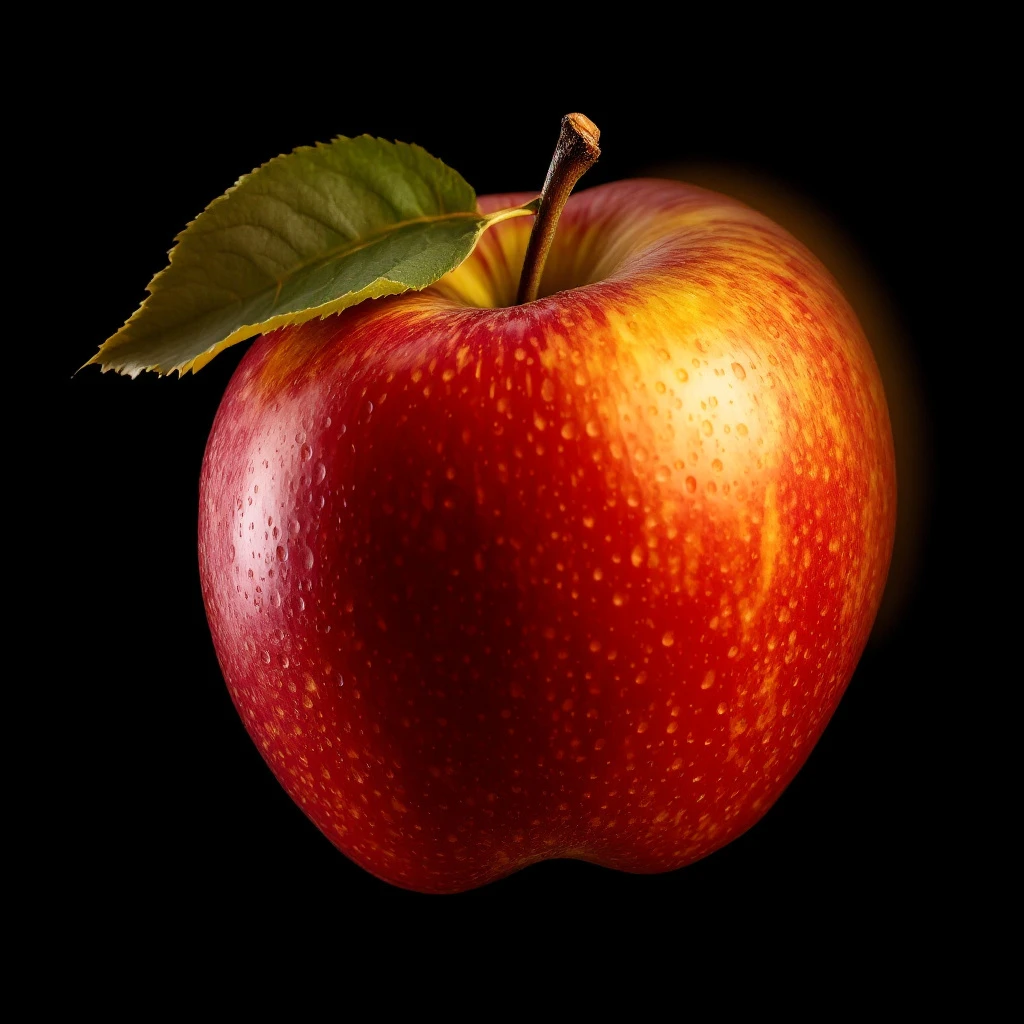
Crisp, tart-sweet, and unmistakably fresh. Braeburn apple brings orchard-to-bottle brightness, capturing the balanced acidity and juicy snap of one of the world's most aromatic eating apples.
Character
How it smells
New Zealand orchard crunch, bottled.
Braeburn was discovered as a chance seedling in New Zealand in the 1950s, making it one of the youngest heirloom-style cultivars to enter perfumery-inspired scent profiles.





Origin
New Zealand
The apple carries one of perfumery's oldest symbolic weights, from the forbidden fruit of Eden to Aphrodite's golden apples of love. Cultivated apples trace their ancestry to wild Malus sieversii trees in Central Asia, with the Silk Road scattering pions westward over centuries. Braeburn itself emerged in the 1950s near Nelson, New Zealand, where a farmer named O.
Moran discovered it growing as a chance hybrid. By the late 20th century, it had spread across warm apple-growing regions worldwide. In fragrance, apple moved from confection and candle territory into fine perfumery in the late 1990s, when niche and mainstream houses alike began exploiting its crisp, photorealistic quality.
Modern Braeburn-style accords evoke sliced fruit, cool morning air, and the slight green bite of apple skin, a scent family now central to fresh, fruity, and unisex compositions.
Wears it best
Fragrances featuring Braeburn Apple
Brands
Brands known for Braeburn Apple
Good to know
Questions, answered
The essentials on Braeburn Apple in perfumery: how it smells, where it comes from, and how it behaves on skin.
What does Braeburn apple smell like in perfumery?
Braeburn apple accord smells crisp, tart-sweet, and freshly sliced, with green skin notes and juicy pulp. Its balanced acidity gives perfumers a sharper, more complex apple character than red apple reconstructions typically achieve.
Is Braeburn apple essential oil fragrance commercially available?
True Braeburn apple essential oil exists only in trace amounts. Most perfumery uses synthetic reconstructions built from natural apple isolates like hexyl acetate, since the fresh fruit yields very little extractable oil through conventional methods.
Where does Braeburn apple originate?
Braeburn was discovered in the 1950s near Nelson, New Zealand, as a chance seedling. By the late 20th century it had been planted across all major warm apple-growing regions, becoming a global commercial variety.
How is the Braeburn apple scent extracted for perfume?
Headspace technology captures the live aroma molecules around a freshly cut Braeburn apple. Gas chromatography then maps its chemical profile, allowing perfumers to reconstruct the scent synthetically with consistent results.
What fragrance families use Braeburn apple notes?
Braeburn apple appears most often in fresh, fruity, and gourmand compositions, as well as clean unisex fragrances. Its crisp acidity also bridges green and floral families in modern niche perfumery.
Why is Braeburn apple used instead of other apple varieties?
Braeburn offers a sharper acidity and more pronounced skin-wax aroma than sweeter varieties like Fuji or Gala. This aromatic complexity translates into a more layered, photorealistic apple note in fragrance compositions.
Is Braeburn apple a natural or synthetic perfume ingredient?
Most Braeburn apple notes in commercial perfumery are synthetic reconstructions. Natural apple absolute exists but is expensive and inconsistent, making synthetic alternatives the practical standard for fine fragrance production.
What other notes pair well with Braeburn apple?
Braeburn apple pairs naturally with green leaves, pear, and bergamot for freshness, or with cinnamon, vanilla, and tonka for a warmer gourmand direction. It also cuts cleanly through white musks in modern clean compositions.





