Boswellia Frereana
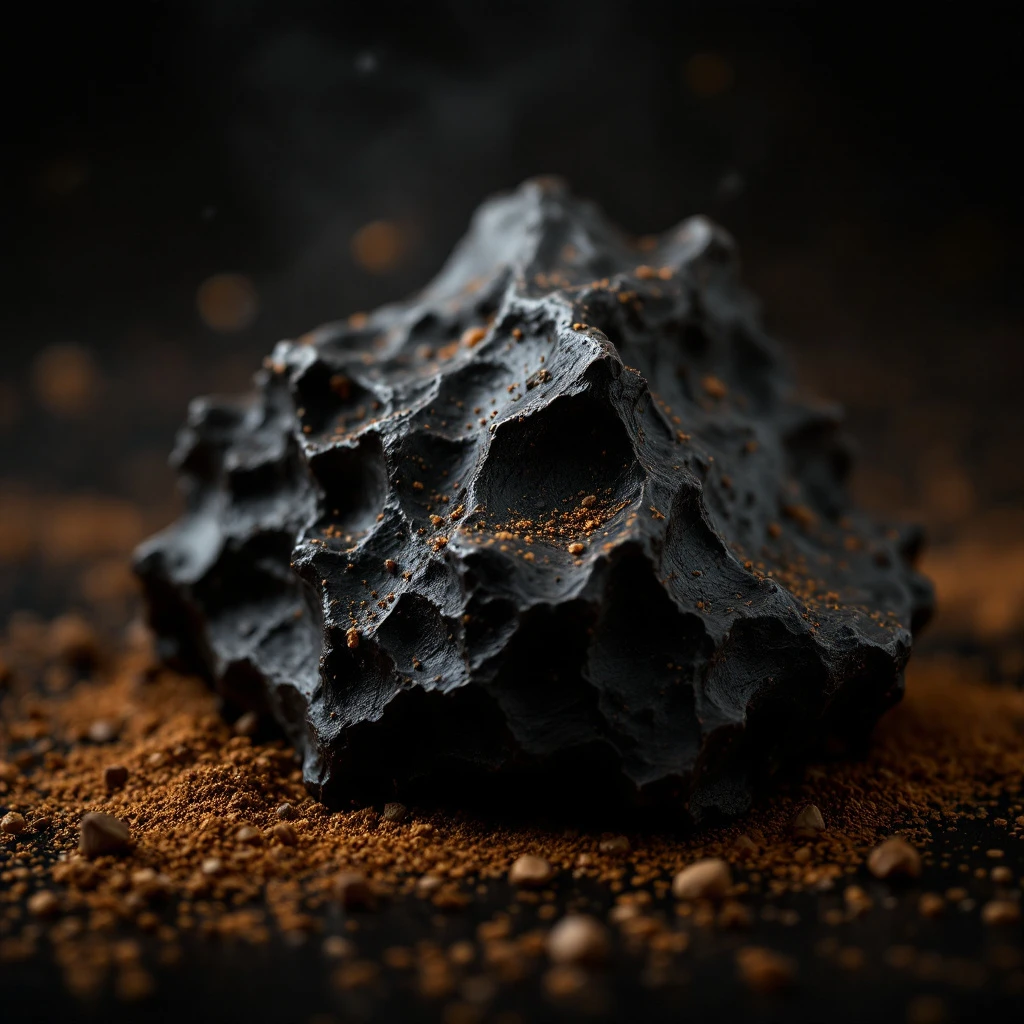
Somali frankincense prized for its clean, citrusy-balsamic profile. Boswellia frereana yields a lighter resin with distinct green and resinous facets prized in fine perfumery.
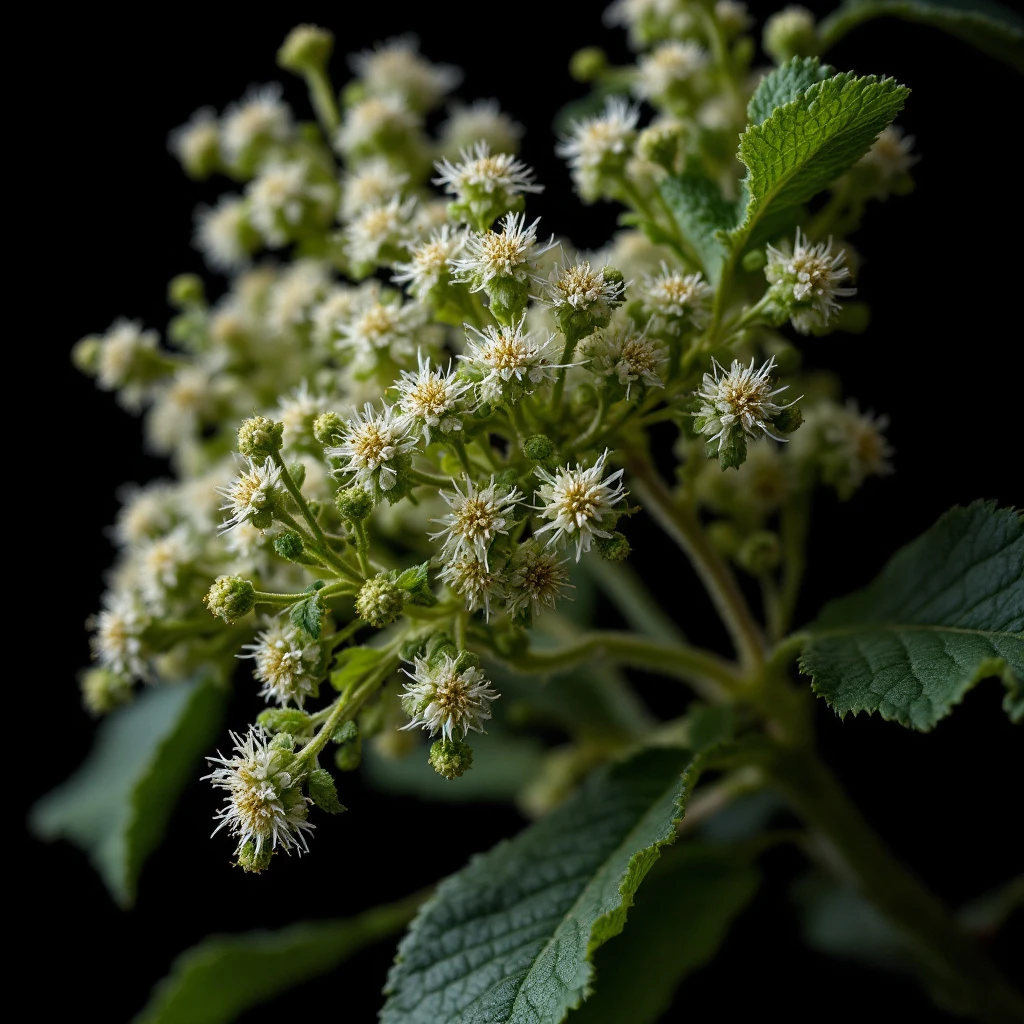
Character
How it smells
The Somali frankincense with a citrus soul.
Somali harvesters once confused Boswellia frereana with a closely related species, Boswellia occulta, until botanical studies separated them.


Origin
Somalia
Northern Somalia has been a source of frankincense for over 5,000 years. Ancient Phoenician traders loaded ships at coastal ports, carrying Boswellia resins alongside myrrh and spices westward across the Mediterranean.
Local Somali communities used these resins in ceremonial burning and medicinal applications long before the term frankincense entered European languages. The trade routes connected coastal trading posts to Egyptian temples, Greek marketplaces, and eventually Roman arenas where the smoke was considered purifying.
Boswellia frereana remained less commercially prominent than its Omani and Yemeni cousins, but Somali merchants prized it for its distinctive character. The species gained botanical recognition in the late 19th century when British naturalists documented the distinctive gum-producing trees growing in the Sanaag and Bari regions.
Wears it best
Fragrances featuring Boswellia Frereana
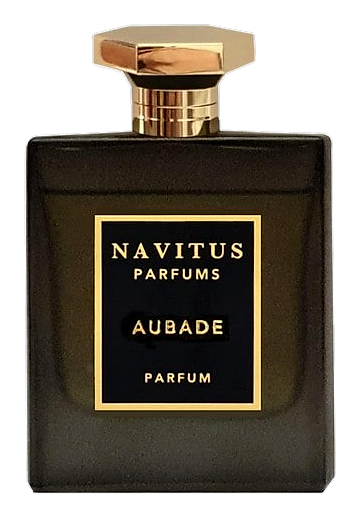
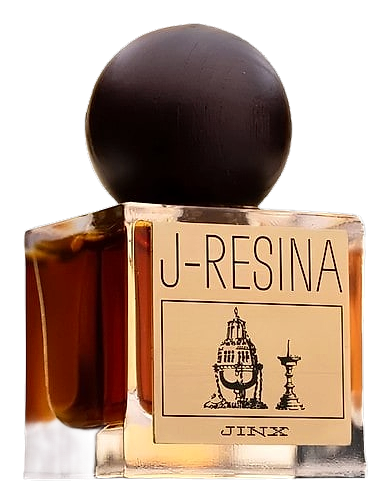
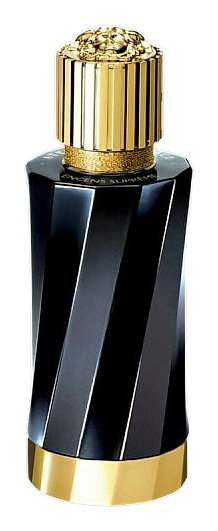
Brands
Brands known for Boswellia Frereana
Good to know
Questions, answered
The essentials on Boswellia Frereana in perfumery: how it smells, where it comes from, and how it behaves on skin.
What does Boswellia Frereana smell like compared to other frankincense?
Boswellia Frereana offers a cleaner, more citrus-forward profile than many Middle Eastern frankincense varieties. The aroma combines fresh green notes with soft balsamic warmth and a subtle pine quality. It lacks the heavy, smoky depth found in some other species.
Where does Boswellia Frereana grow?
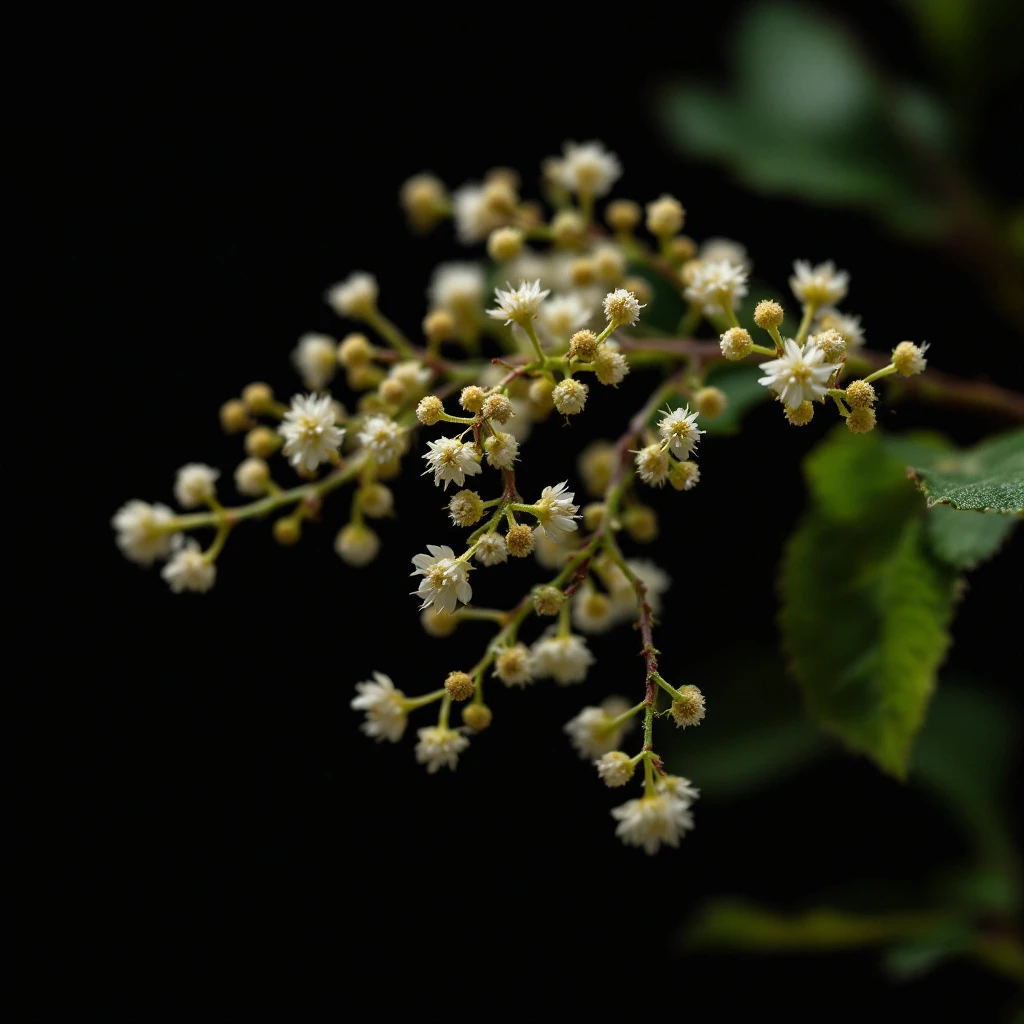
Boswellia Frereana grows exclusively in the highlands of northern Somalia, primarily in the Sanaag and Bari regions. This narrow geographic range makes it one of the more geographically restricted frankincense species.
How is Boswellia Frereana resin harvested?
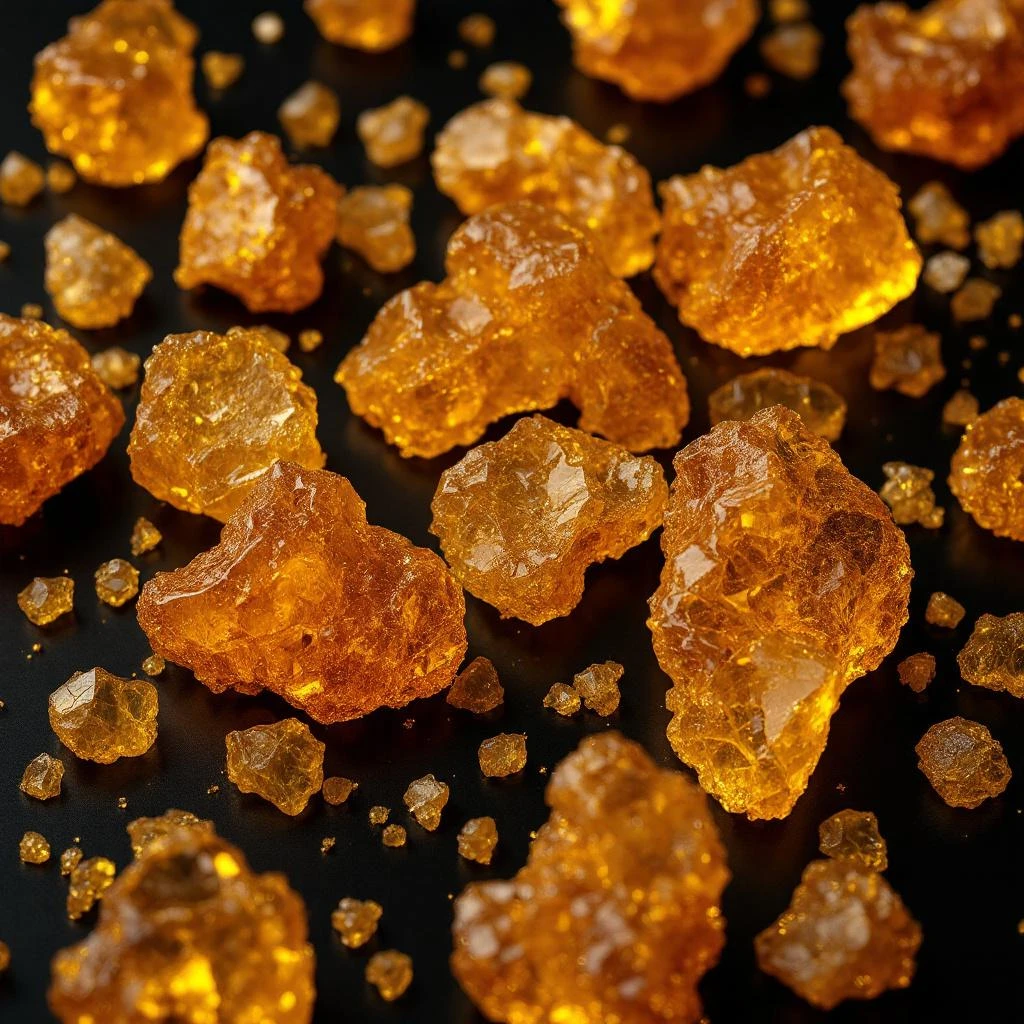
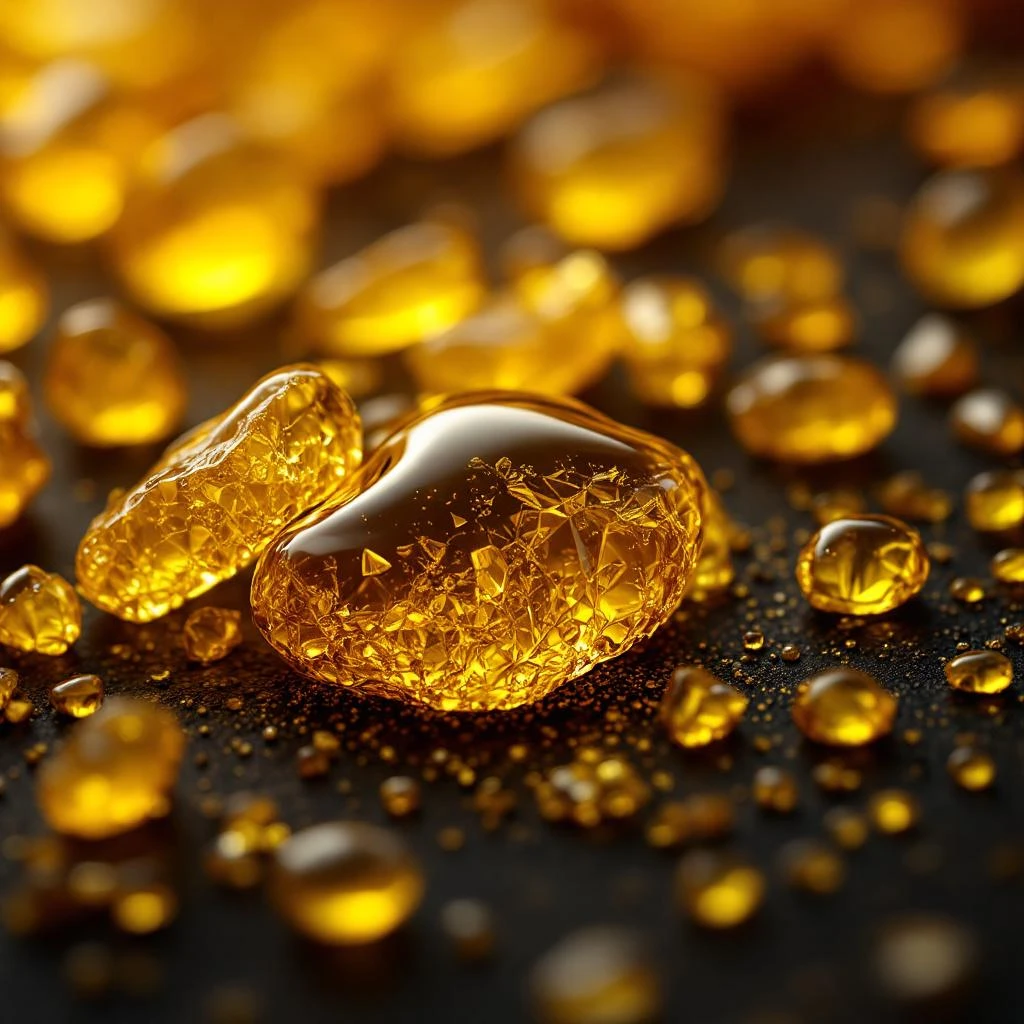
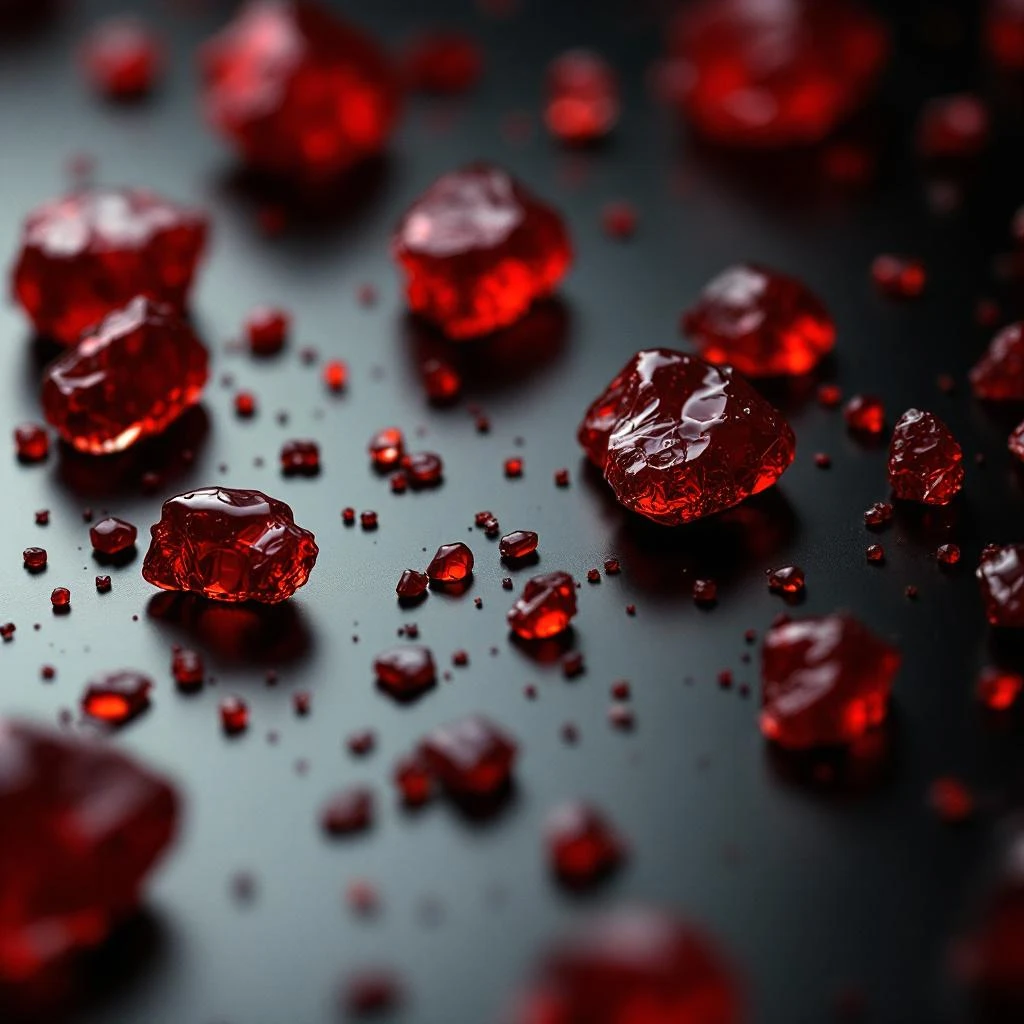
Harvesters make shallow cuts in the tree bark, allowing the oleo-gum-resin to slowly exude and solidify into tear-shaped droplets. Workers collect the hardened resin by hand weeks after the initial tapping.
What makes Boswellia Frereana different from Boswellia Sacra?
Boswellia Frereana produces a lighter-colored resin with a distinctly citrus and green aromatic character. Boswellia Sacra, native to Oman and Yemen, typically yields a richer, more balsamic resin with deeper smoky notes.
How many Boswellia species produce frankincense?
Five main Boswellia species produce commercially significant frankincense resin. Boswellia Frereana is among the lesser-known species, though perfumers value its unique olfactory profile.
Is Boswellia Frereana resin sustainably harvested?
Sustainable harvest depends on proper tapping intervals and tree rest periods. Over-collection weakens trees and threatens long-term resin yield. Some conservation efforts now focus on supporting Somali harvesting communities in adopting sustainable practices.
What traditional uses does Boswellia Frereana have?
Somali communities have burned the resin for spiritual ceremonies and purification rituals for centuries. Traditional medicine practices also incorporated frankincense resins for their perceived anti-inflammatory and aromatic properties.
What compounds define Boswellia Frereana's aroma?
The resin contains alpha-pinene, limonene, and various boswellic acids. These compounds contribute to the fresh, citrus-like opening and the characteristic balsamic base that develops as the resin burns or warms.