Borneo Elemi
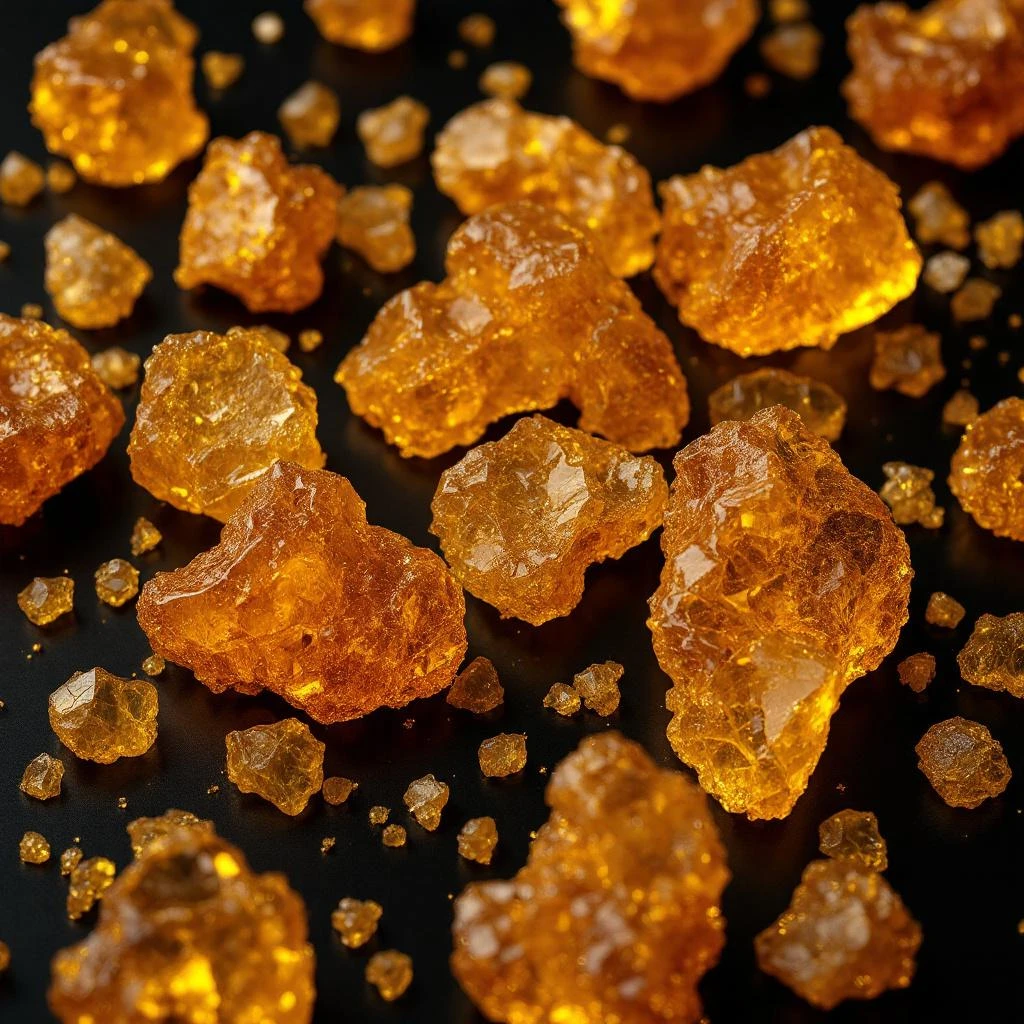
A pale golden resin from the wild kenari tree, Borneo elemi captures the spirit of tropical rainforests in perfumery. Its bright, citrusy warmth bridges fresh and resinous, lending fragrances an aromatic complexity that feels both ancient and remarkably modern.
Character
How it smells
Tropical resin with bright, incensey warmth.
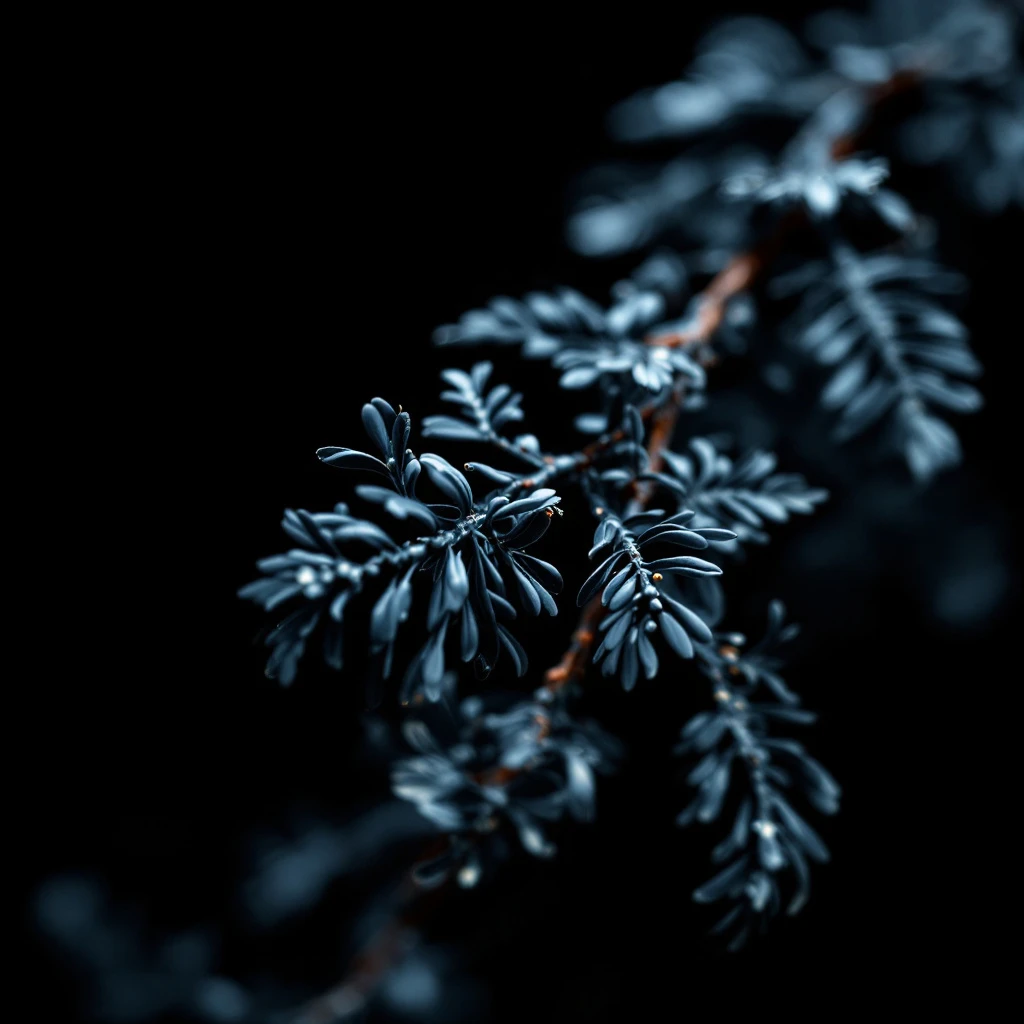
When tapped, the kenari tree literally weeps its resin, a visual that inspired ancientFilipino communities to call it the crying tree.




Origin
Philippines
Elemi carries centuries of cultural significance across the Philippines and Borneo. Indigenous communities of Luzon and surrounding islands used the resin in traditional rituals and medicinal preparations long before perfumers discovered its olfactory potential.
Spanish colonial records from the 16th century mention Filipino traders exporting elemi alongside other aromatic materials, suggesting a sophisticated understanding of its value. The resin appears in ancient incense practices throughout Maritime Southeast Asia, where it served ceremonial purposes in spiritual traditions.
Perfumers began incorporating elemi systematically during the 19th century shift toward natural ingredients, drawn to its unique ability to add freshness without lightness. Today, Philippine elemi remains highly prized among niche fragrance houses, though sustainable harvesting practices have become essential as wild kenari populations face pressure from deforestation and overharvesting.
Wears it best
Fragrances featuring Borneo Elemi
Brands
Brands known for Borneo Elemi
Good to know
Questions, answered
The essentials on Borneo Elemi in perfumery: how it smells, where it comes from, and how it behaves on skin.
What does Borneo elemi smell like?
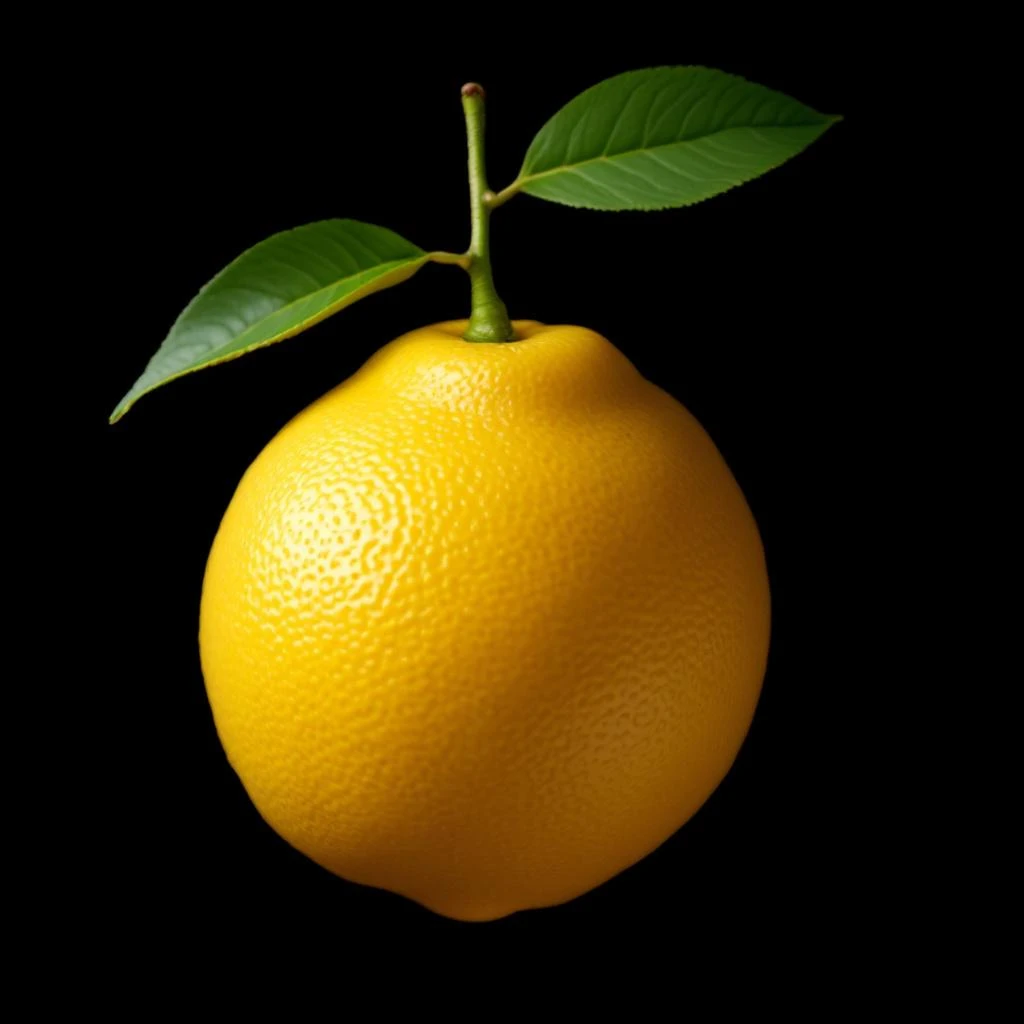
Borneo elemi has a bright, citrusy character with warm, resinous undertones. Think fresh lemon combined with subtle incense and a faint piney quality. It smells clean yet complex, offering both freshness and depth.
Is Borneo elemi related to frankincense?
Both are resins used in perfumery, but they differ significantly. Elemi comes from Canarium trees native to Southeast Asia, while frankincense originates from Boswellia trees in the Horn of Africa and Arabian Peninsula. Their scents also differ, with elemi being brighter and more citrus-forward.
Why is elemi used in perfumes?
Elemi acts as a natural bridge in fragrance compositions. Its citrus top notes lift heavier base materials, while its resinous character adds warmth and staying power. Perfumers value it for creating aromatic continuity between fresh and deep scent families.
Is Borneo elemi sustainable?
Wild-harvested elemi raises sustainability concerns. The slow weeping process yields limited resin per tree, making overharvesting a risk. Reputable suppliers work with Filipino harvesting communities to implement responsible tapping schedules that allow trees to recover between harvests.
What fragrances feature Borneo elemi?
Elemi appears in various niche and designer fragrances, often positioned as a bridge note. It commonly surfaces in compositions that blend citrus, incense, and woody elements. The ingredient has gained visibility in recent years as perfumers seek unique natural materials.
How is Borneo elemi different from Manila elemi?
The names refer to essentially the same material. Manila elemi derives from the Manila trade hub historically used for Philippine exports, while Borneo references the broader regional geography. Both describe Canarium luzonicum resin from the same species.
Can elemi be synthesized?
Yes, synthetic elemi aroma chemicals exist for use when natural supply is limited or cost-prohibitive. However, synthetic versions typically capture only certain facets of the complex natural scent profile, lacking the subtle variations that come from real resin.
Does elemi have any traditional uses outside perfumery?
Historically, communities across the Philippines used elemi resin in traditional medicine and ritual incense. The resin was believed to have protective properties and appeared in ceremonies. These cultural practices date back centuries before modern perfumery adopted the ingredient.