Ivory Coast Bergamot
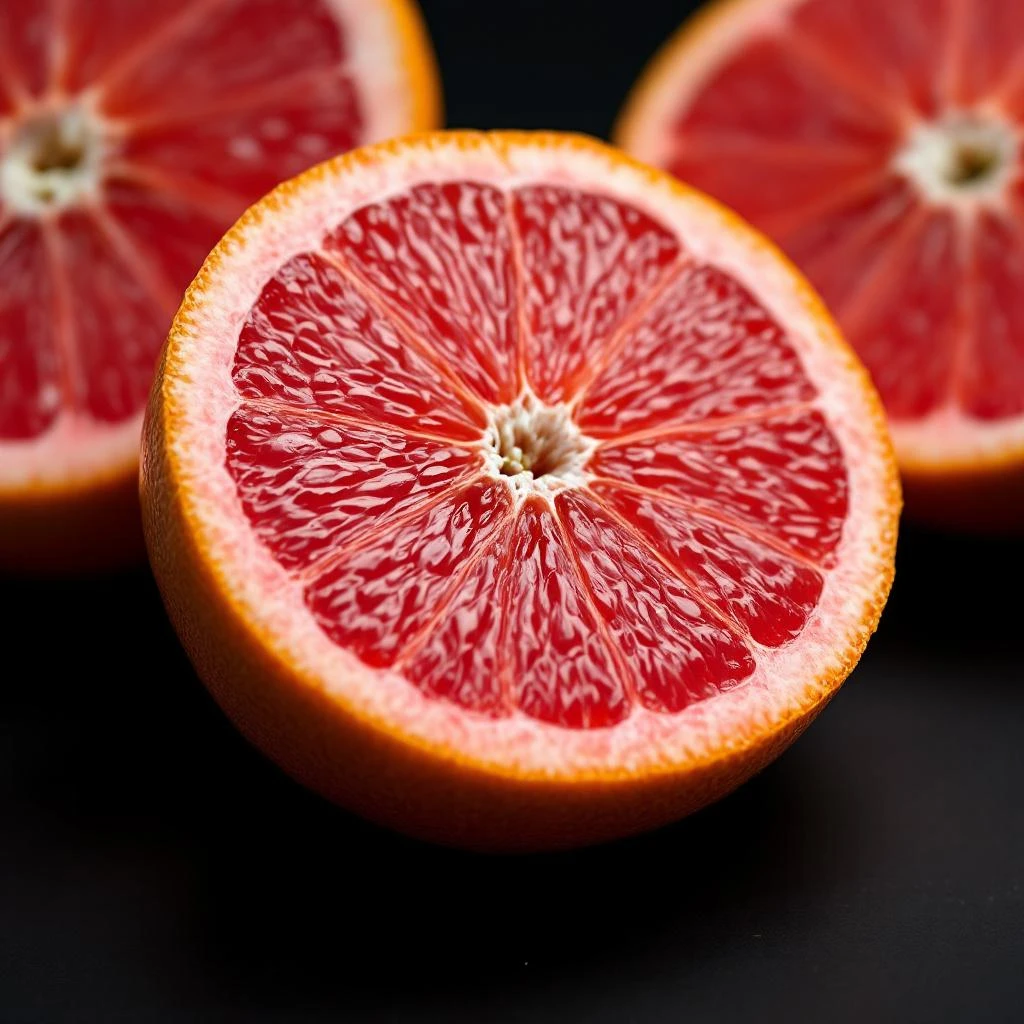
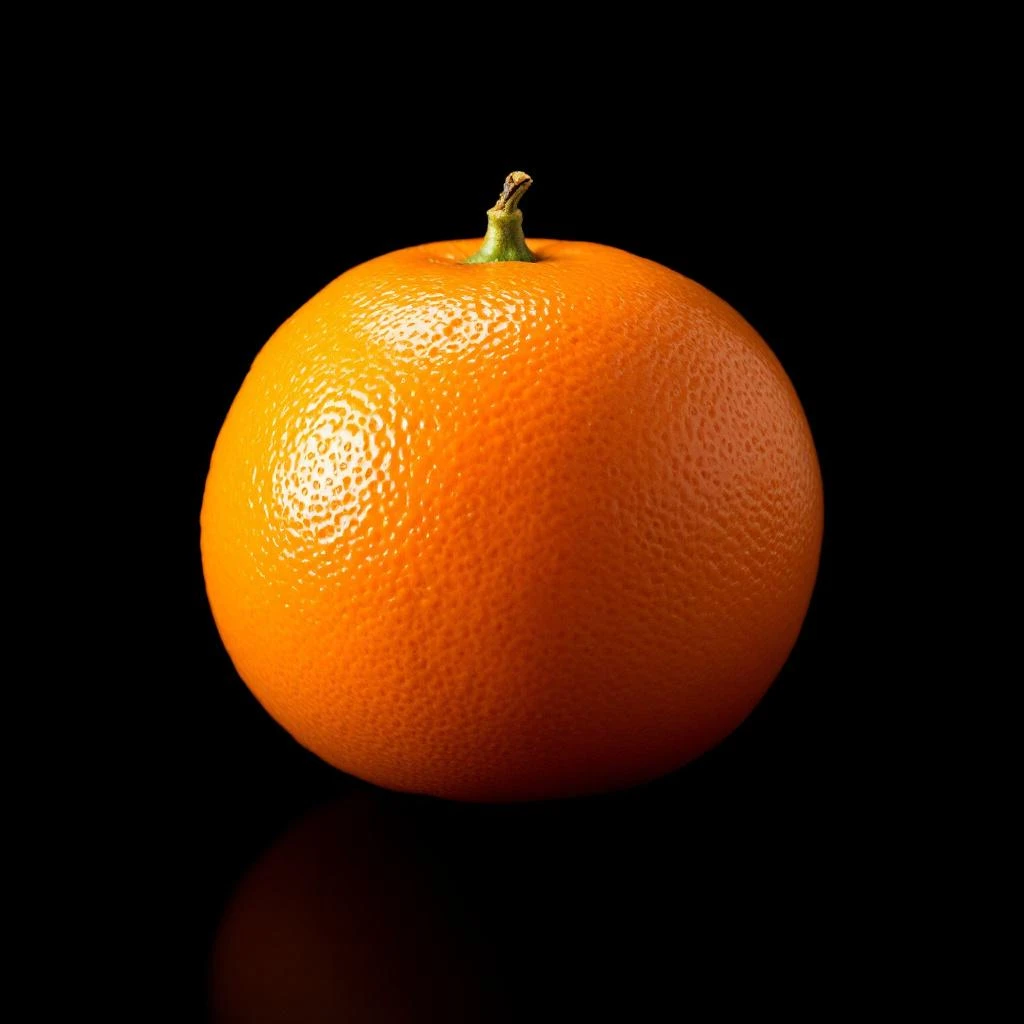
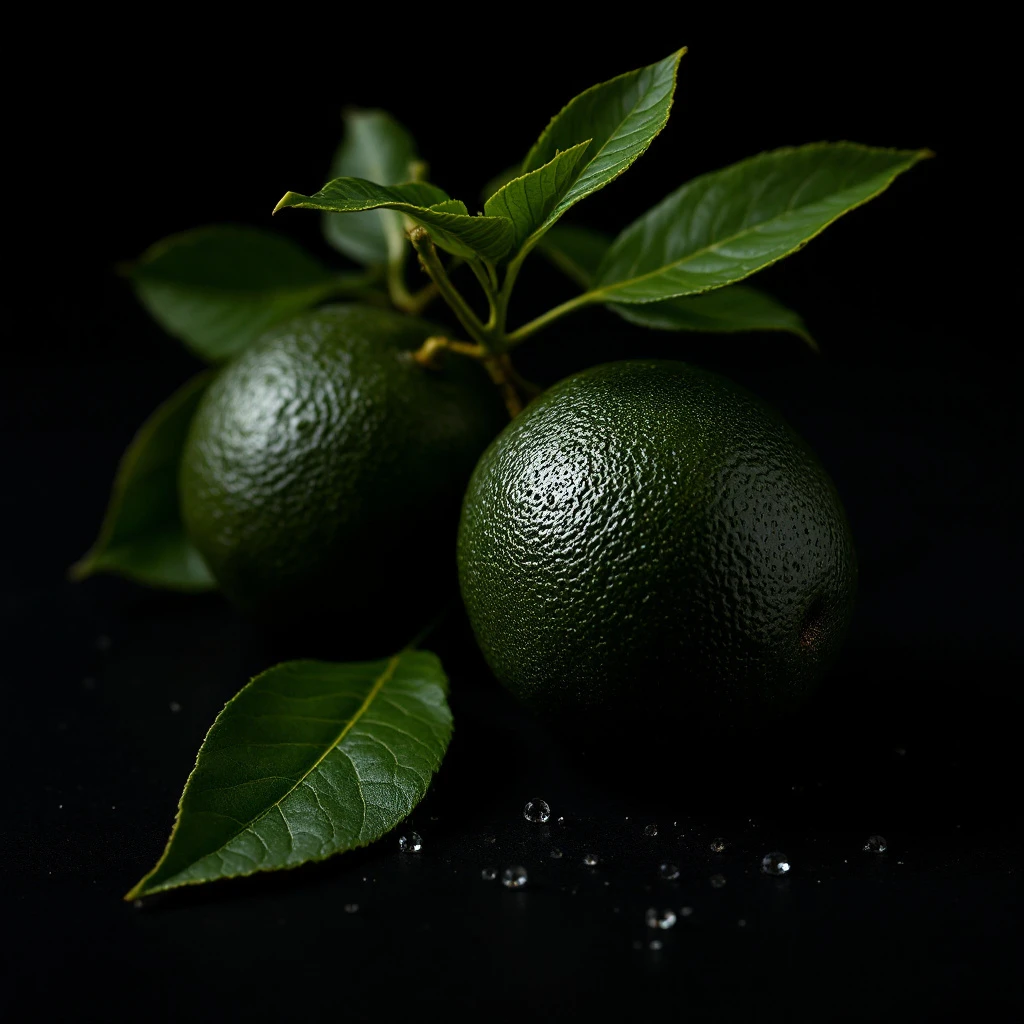
Ivory Coast Bergamot brings a warm, sun-ripened citrus character to fragrances. Grown in West Africa's tropical belt, this variety offers a sweeter, rounder take on bergamot's signature brightness, lending fragrances an approachable, luminous opening that feels distinct from its Italian cousin.
Character
How it smells
West African citrus with a softer, sweeter edge.
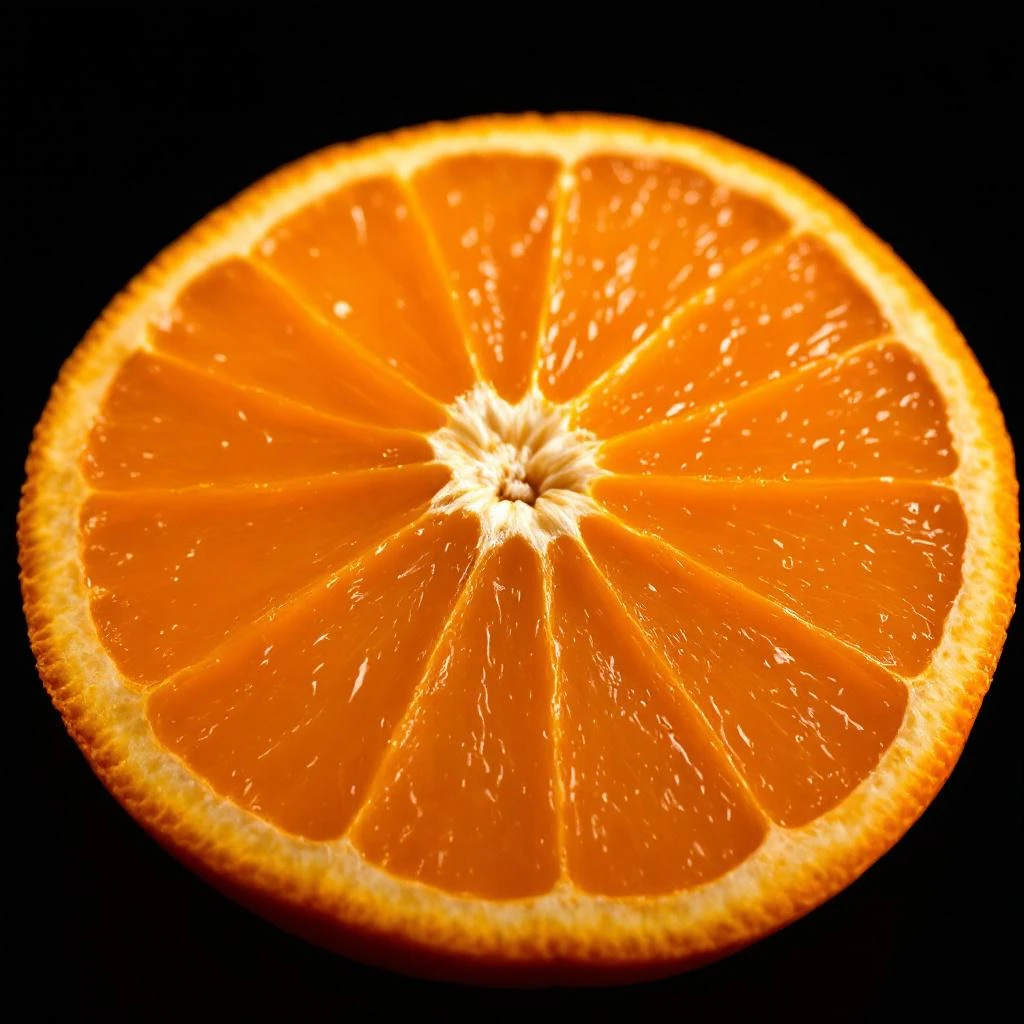
It takes roughly 100 bergamot oranges to yield just 3 ounces of essential oil, making every drop a concentrated expression of tropical terroir.






Origin
Ivory Coast
While bergamot's spiritual home remains the narrow Calabrian coastline of southern Italy, where over 90 percent of the world's supply still grows, cultivation expanded to Ivory Coast during the 20th century as producers sought to meet rising global demand. The citrus fruit itself carries an unusual history: in 17th-century Europe, before it became a fragrance staple, craftsmen in Calabria, Sicily, and Grasse fashioned the aromatic peel into small decorative boxes and cases. The fruit's distinctive scent gradually caught the attention of perfumers in Grasse, eventually becoming indispensable to the fragrance industry.
Ivory Coast emerged as a secondary source, its tropical conditions producing bergamot with a recognizable yet distinct character. Today, West African bergamot oil appears in a range of fragrances, valued for its accessibility and the subtle variation it introduces to compositions.
Wears it best
Fragrances featuring Ivory Coast Bergamot
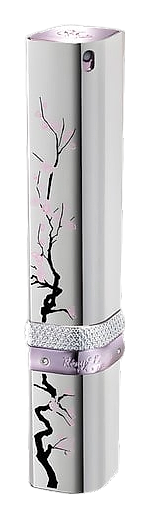

Brands
Brands known for Ivory Coast Bergamot
Good to know
Questions, answered
The essentials on Ivory Coast Bergamot in perfumery: how it smells, where it comes from, and how it behaves on skin.
What does Ivory Coast Bergamot smell like?
Ivory Coast Bergamot delivers a sweet, bright citrus aroma with softer edges than Italian bergamot. It opens with lively lemon-like freshness but settles into a rounder, more approachable sweetness that blends seamlessly with florals and woods.
How is Ivory Coast Bergamot oil produced?
Producers extract the oil via steam distillation of the fruit peel. Steam passes through crushed bergamot peel, carrying aromatic compounds into a condenser where they separate from water to yield the essential oil.
How does Ivory Coast Bergamot differ from Calabrian Bergamot?
Calabrian bergamot grows in a Mediterranean climate and offers a sharper, more complex profile tied to its specific terroir. Ivory Coast bergamot, grown in tropical conditions, presents a gentler sweetness and slightly softer citrus character.
Is Ivory Coast Bergamot a major or minor producing region?
Ivory Coast ranks as a minor producer. Calabria, Italy supplies over 90 percent of the world's bergamot, while Ivory Coast, Argentina, Turkey, Brazil, and Morocco contribute smaller but consistent quantities.
What fragrances feature Ivory Coast Bergamot?
Fragrance houses use Ivory Coast bergamot for its accessibility and distinctive warmth. It appears as a top note in various citrus and floral compositions, where its softer opening provides an inviting introduction.
How much fruit is needed to produce bergamot oil?
The process is concentrated: roughly 100 bergamot oranges yield approximately 3 ounces of essential oil, meaning each bottle of bergamot oil represents hundreds of individual fruits.
Can bergamot cause skin sensitivity?
Bergamot oil contains furanocoumarins, compounds that can increase skin photosensitivity. Bergapten-free varieties are available for formulations intended for skin application, reducing this risk while retaining the aromatic character.
Does Ivory Coast Bergamot appear in natural or synthetic fragrances?
Ivory Coast Bergamot is a natural ingredient, extracted from real fruit peel via steam distillation. Synthetic reproductions exist for cost and consistency reasons, but natural bergamot oil carries a complexity that synthetic alternatives struggle to replicate fully.