Black Sage
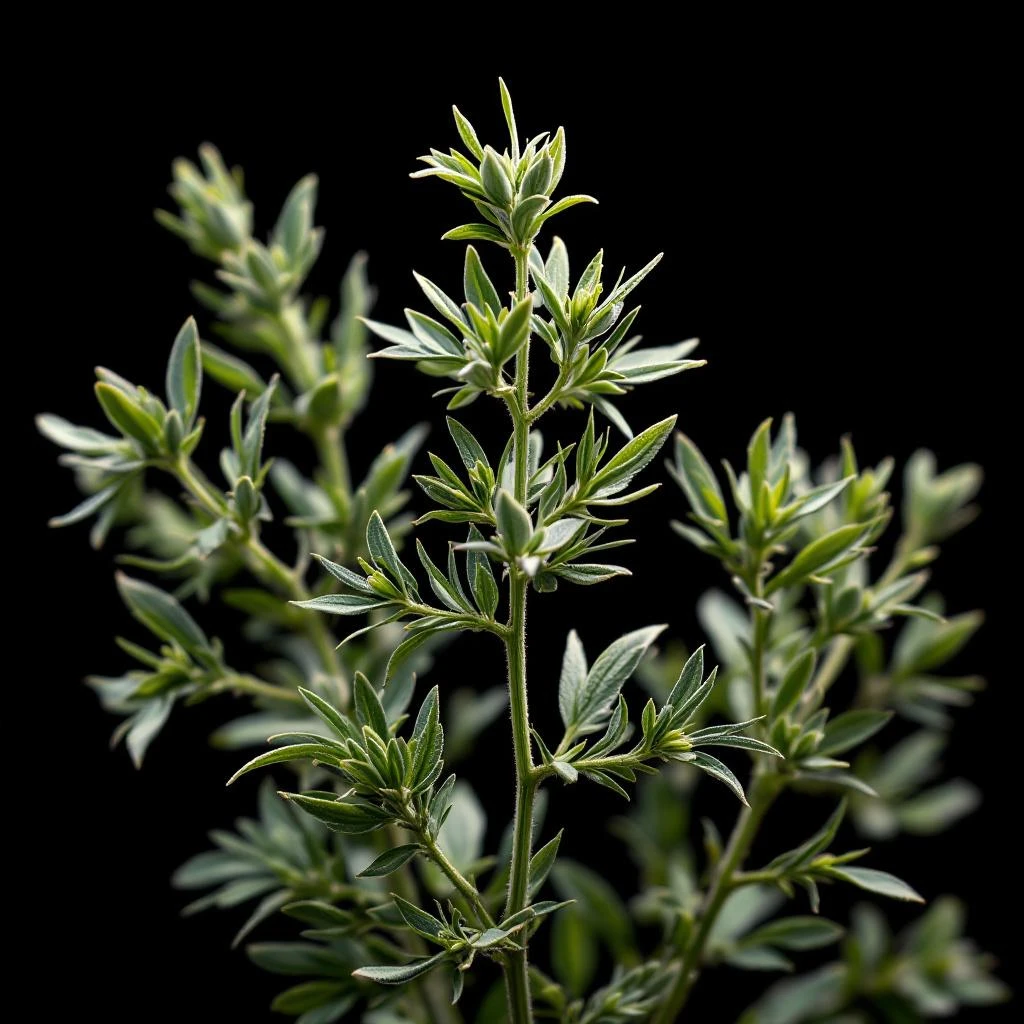
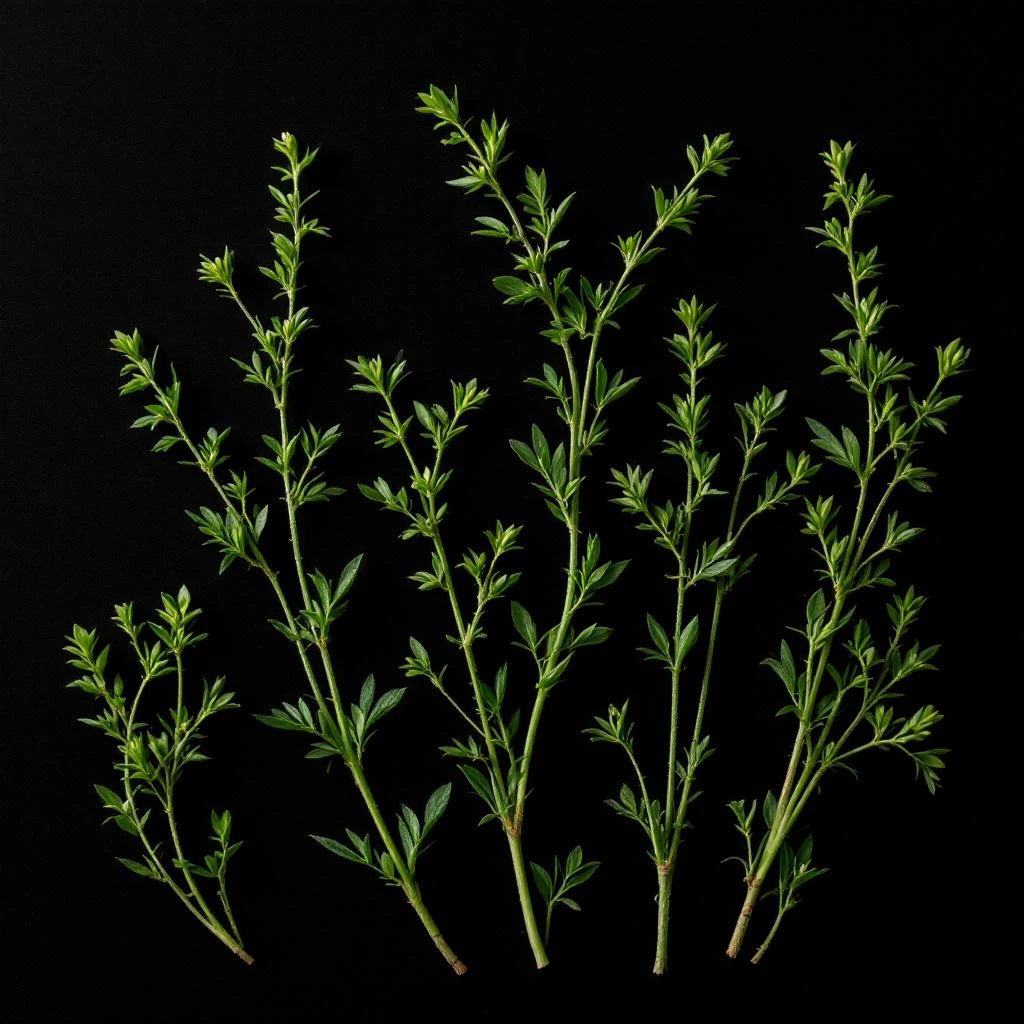
Black Sage brings an earthy, herbaceous depth to fragrances that is both grounding and quietly sophisticated. Native to the California coast, this wild shrub delivers a dark, camphorated warmth that perfumers turn to when they need an aromatic anchor.
Character
How it smells
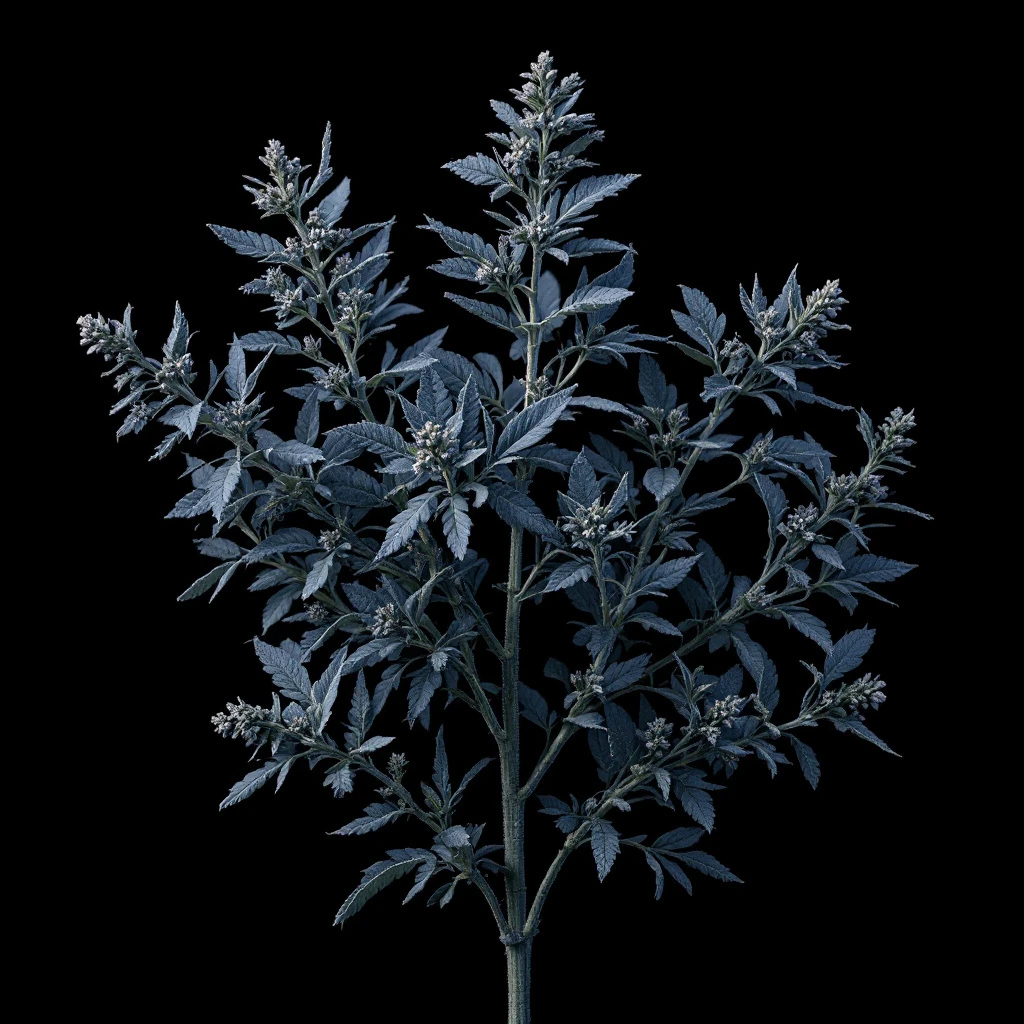
Wild California sage with an earthy, camphorated soul.
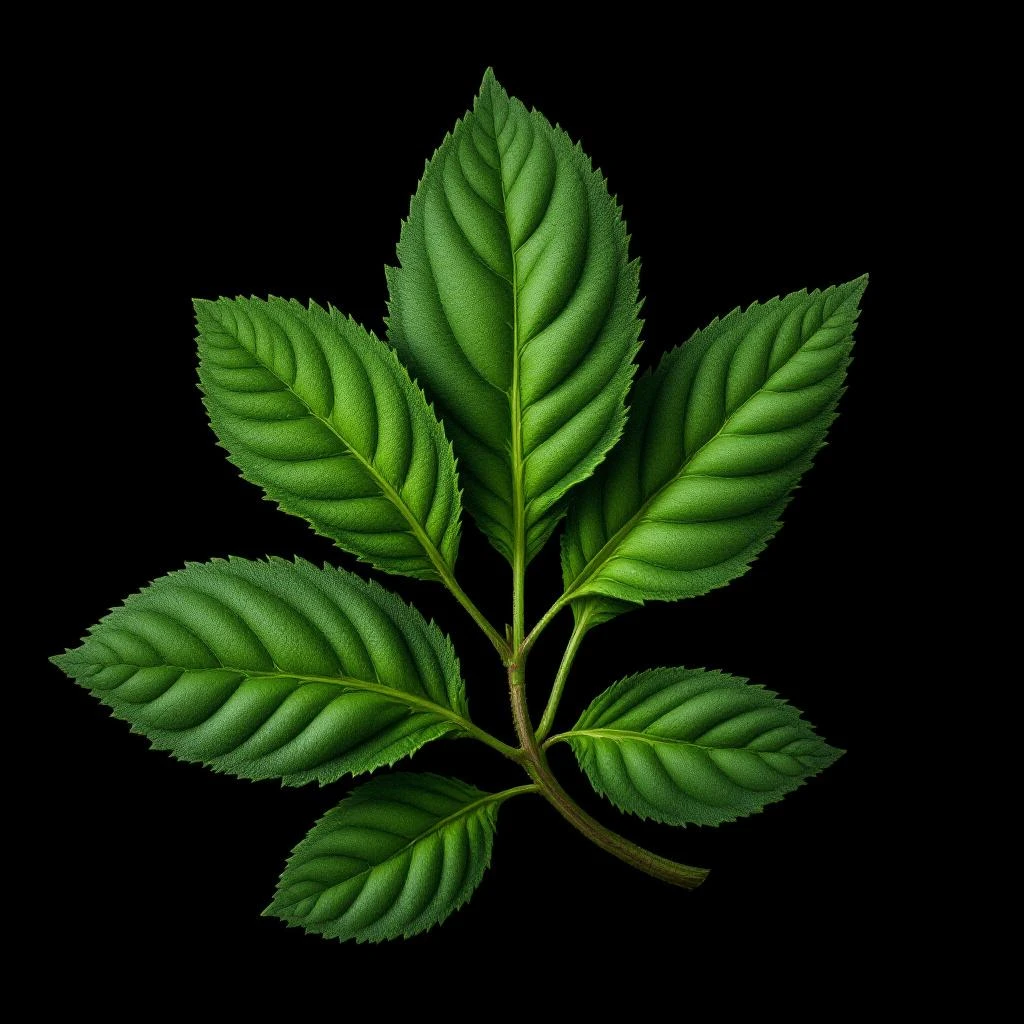
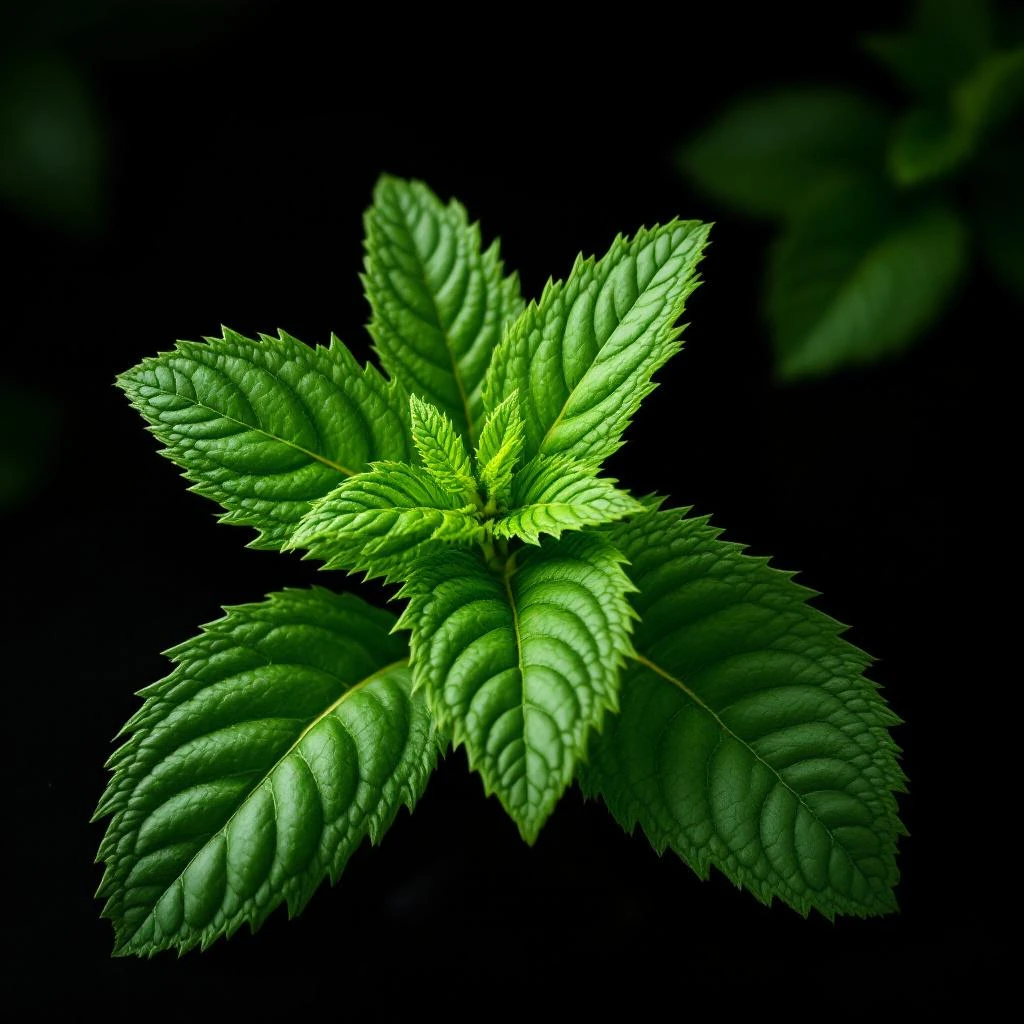
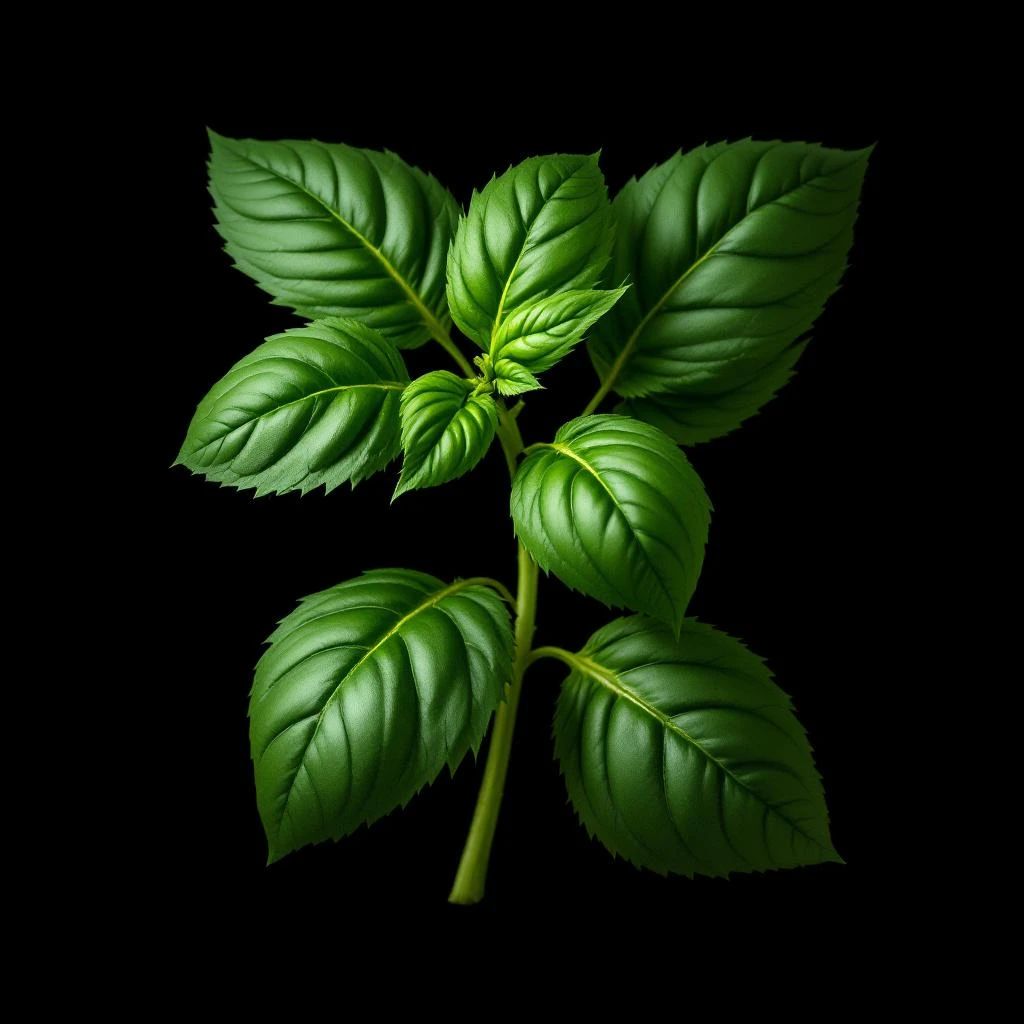
Black Sage is named for its darker leaves, which darken further when the plant is stressed or during drought conditions.





Origin
USA
Black Sage has been central to the botanical knowledge of Indigenous peoples in California for thousands of years. The Tongva, Chumash, and other tribes used the plant in ceremonial smudging practices, medicinal preparations, and as a food source.
The species Salvia mellifera thrives in the chaparral and coastal sage scrub ecosystems that define the California landscape. Early Spanish explorers noted the plant's intense aroma when brushing against it on trails.
The scientific name mellifera refers to the plant's honey-producing qualities, as bees are particularly attracted to its lavender flowers. Black Sage entered Western perfumery literature in the mid-20th century as interest in California native botanicals grew, though it remains less commercially standardized than its cousins Clary Sage and Dalmatian Sage.
Wears it best
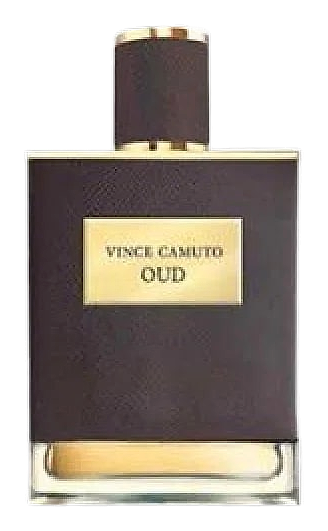
Fragrances featuring Black Sage
Brands
Brands known for Black Sage
Good to know
Questions, answered
The essentials on Black Sage in perfumery: how it smells, where it comes from, and how it behaves on skin.
What does Black Sage smell like?
Black Sage has an earthy, herbaceous scent with camphorated top notes and a warm, slightly medicinal base. It is sharper and more wild than Clary Sage, with less sweetness and more forest-floor character.
Is Black Sage the same as Clary Sage?
No. Black Sage (Salvia mellifera) is a different species native to California, while Clary Sage (Salvia sclarea) originates from the Mediterranean. Clary Sage is sweeter and more floral; Black Sage is earthier and more camphorated.
What fragrance families use Black Sage?
Black Sage appears in herbal, fougere, and aromatic chypre compositions. It works as a bridge between citrus and wood notes, adding natural depth to menswear and outdoor-inspired fragrances.
Is Black Sage used in natural or synthetic perfumery?
Black Sage is primarily a natural ingredient. Steam-distilled oil is available from a small number of specialty producers. Synthetic alternatives mimic its camphor character but lack the full complexity of the natural material.
Is Black Sage sustainable to harvest?
Wild harvesting of Black Sage requires care because it grows in sensitive chaparral ecosystems. Responsible sourcing means working with cultivators or wildcrafters who limit harvest to 10-20% of a population per season.
What are the key chemical components of Black Sage oil?
The oil contains camphor, 1,8-cineole, alpha-pinene, and beta-pinene as primary constituents. These compounds give Black Sage its characteristic sharp, cooling, and slightly medicinal aroma.
How does Black Sage perform in fragrance formulations?
Black Sage functions as a modifier and blender in fragrance bases. It holds well in the heart and dry-down phases, lending persistence to herbal and green accords without overpowering lighter top notes.
Does Black Sage have any traditional uses beyond perfumery?
Yes. Indigenous California tribes used Black Sage in smudge rituals, as a tea for colds and sore throats, and as a poultice for wounds. These uses informed early Western botanical documentation of the plant.