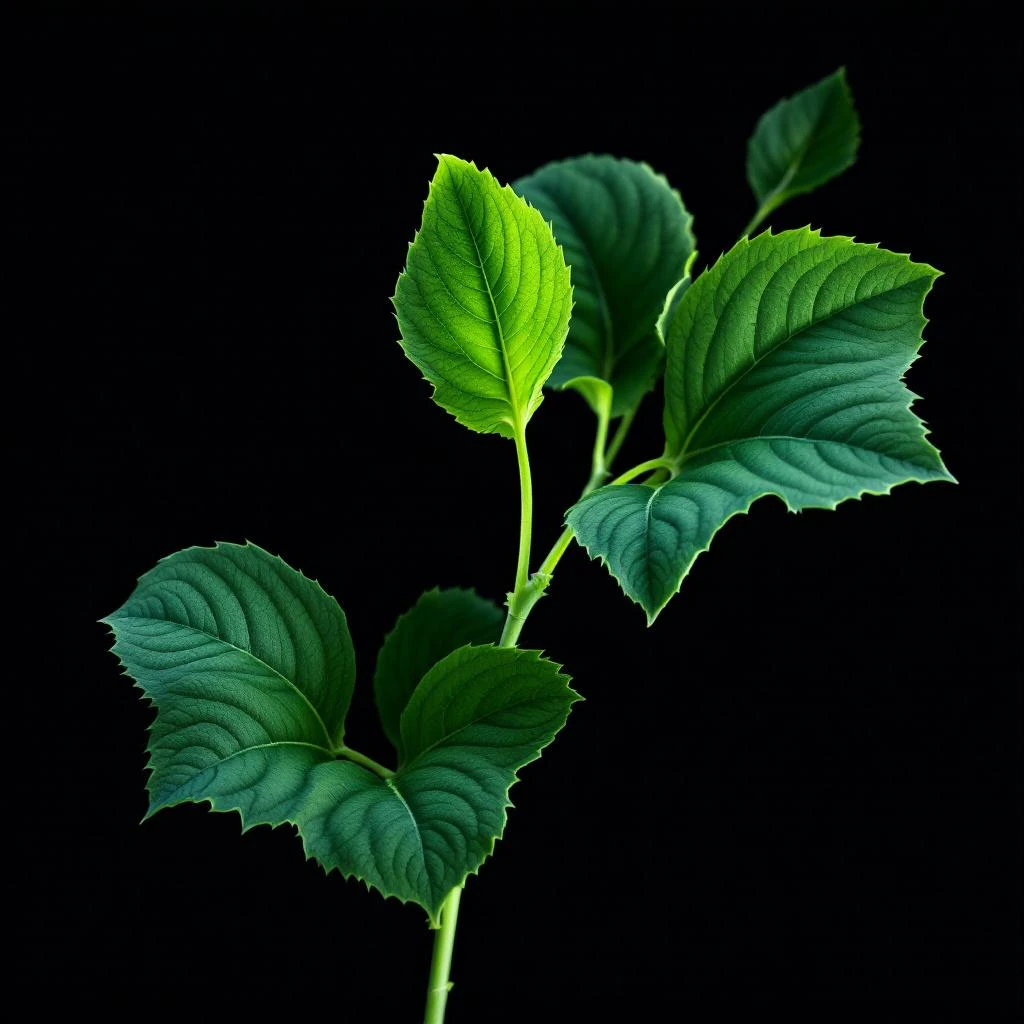
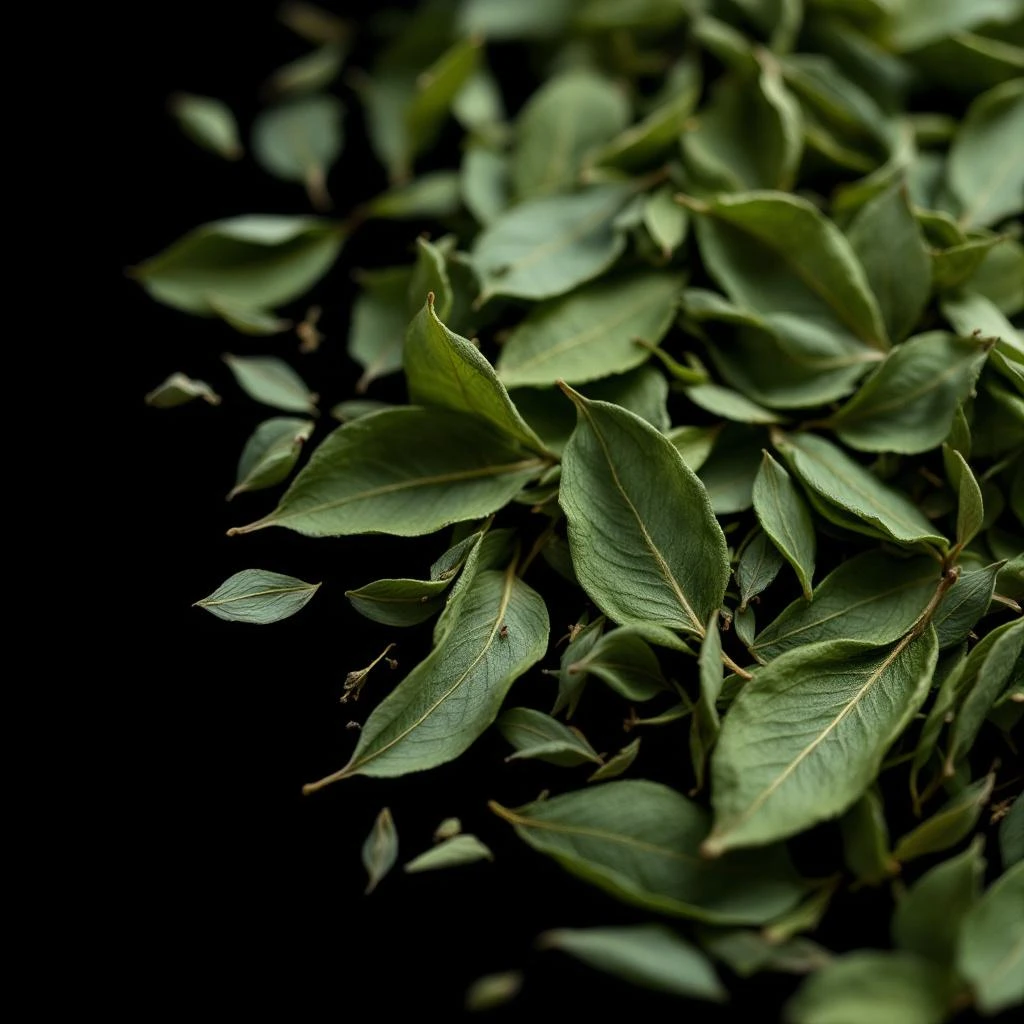
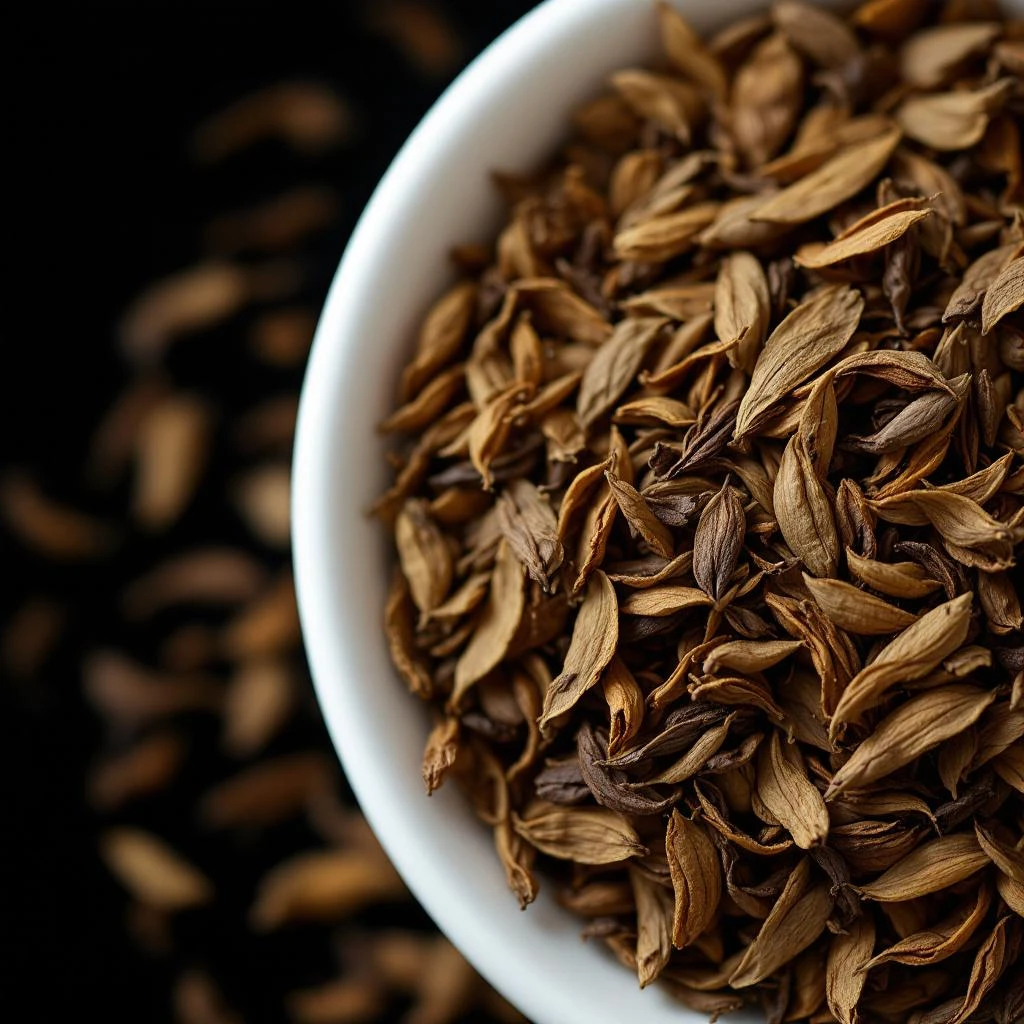
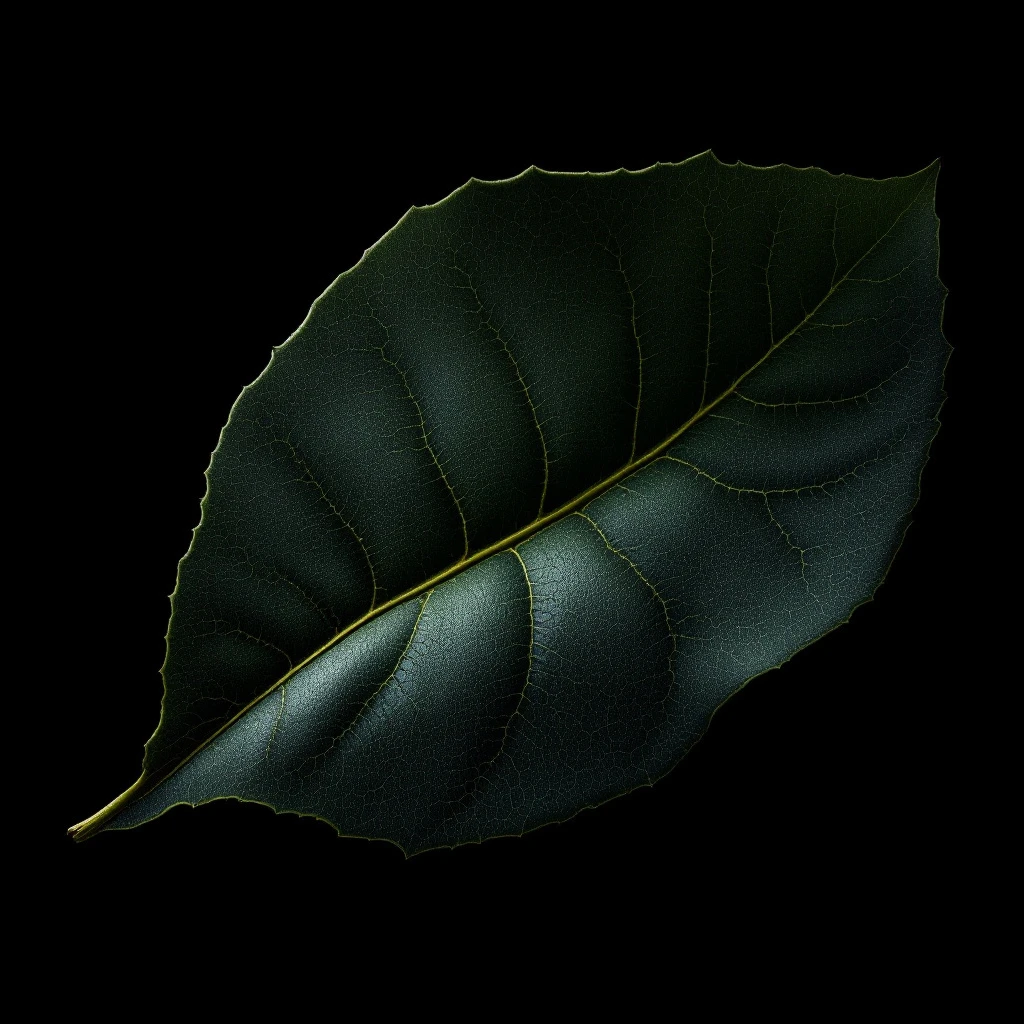
Black Locust Leaf
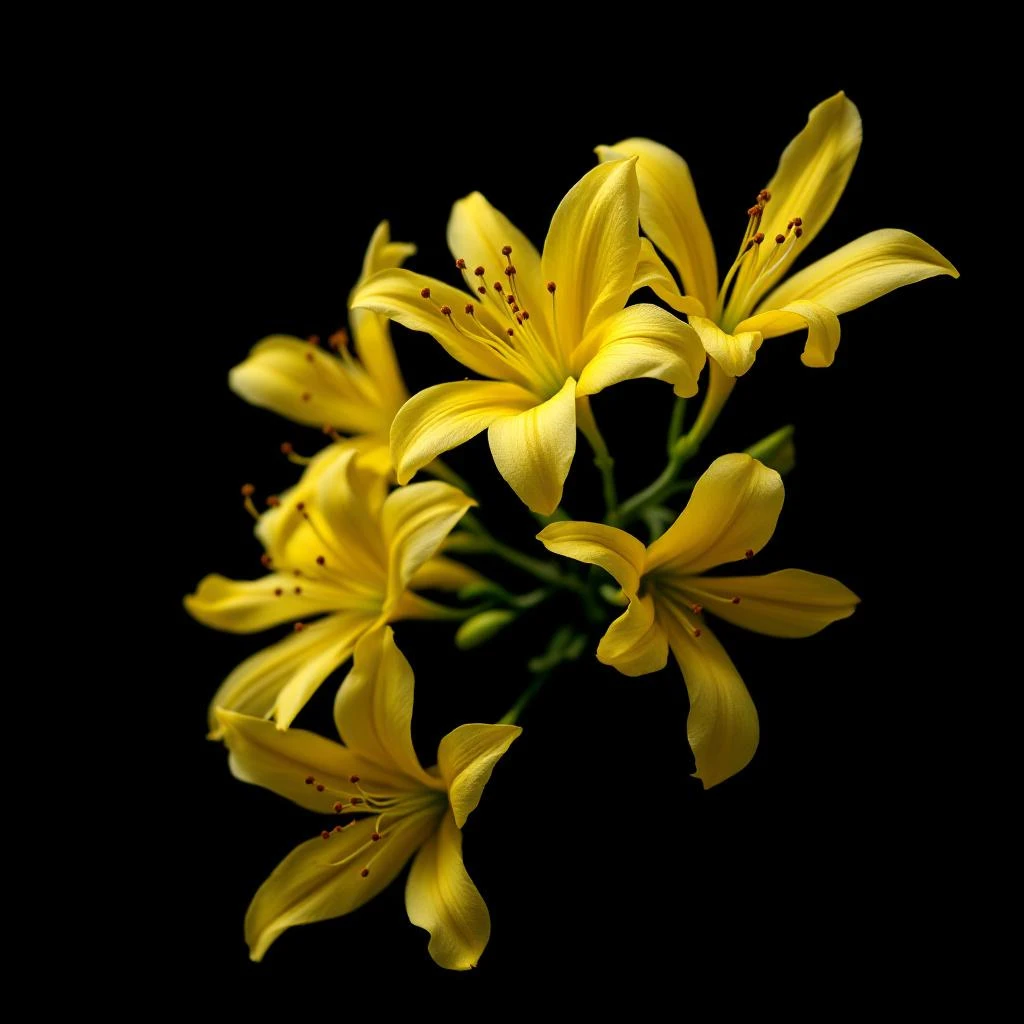
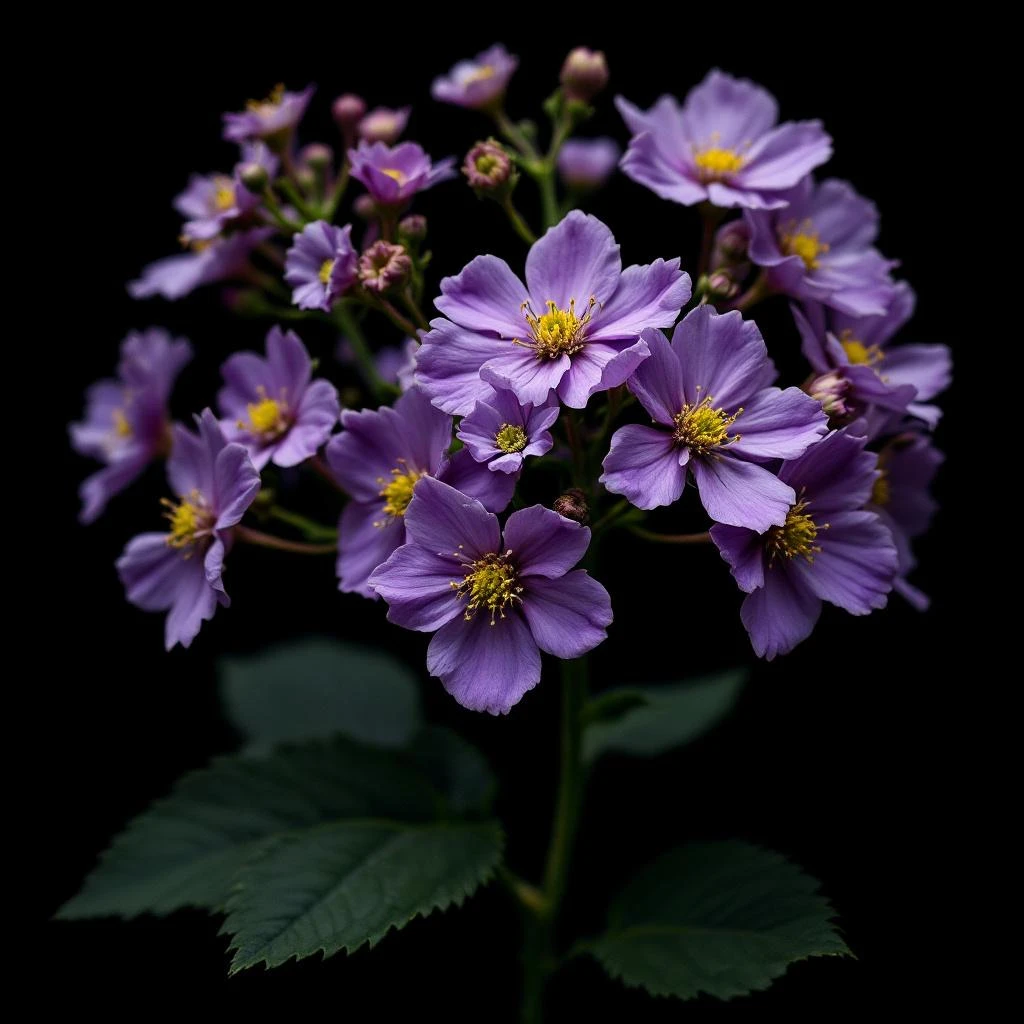
Black locust transforms woodlands with cascading white blooms that release a sweet, honeyed scent at dusk. This North American native legume carries centuries of aromatic heritage in every petal.
Character
How it smells
North American wildflower with honeyed blossoms.
Black locust honey ranks among the most prized in Hungary, where the tree forms the backbone of commercial honey production.





Origin
United States
Black locust originated in the Appalachian region of eastern North America, where Native American peoples utilized every part of the tree for food, medicine, and ceremony. The Pawnee and other tribes consumed the blossoms fresh and brewed them into beverages.
European colonists recognized the tree's exceptional timber qualities and introduced it abroad in the 1600s. By the 18th century, black locust had naturalized across France, Germany, and Hungary, where it became economically vital for honey production.
Thomas Jefferson cultivated it at Monticello, valuing both its beauty and utility. The tree earned its Latin name Robinia pseudoacacia from Jean Robin, the royal botanist who first cultivated it in Paris, though Swedish botanist Linnaeus later formally classified it.
Wears it best
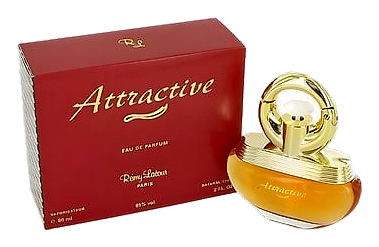
Fragrances featuring Black Locust Leaf
Brands
Brands known for Black Locust Leaf
Good to know
Questions, answered
The essentials on Black Locust Leaf in perfumery: how it smells, where it comes from, and how it behaves on skin.
What does black locust absolute smell like?
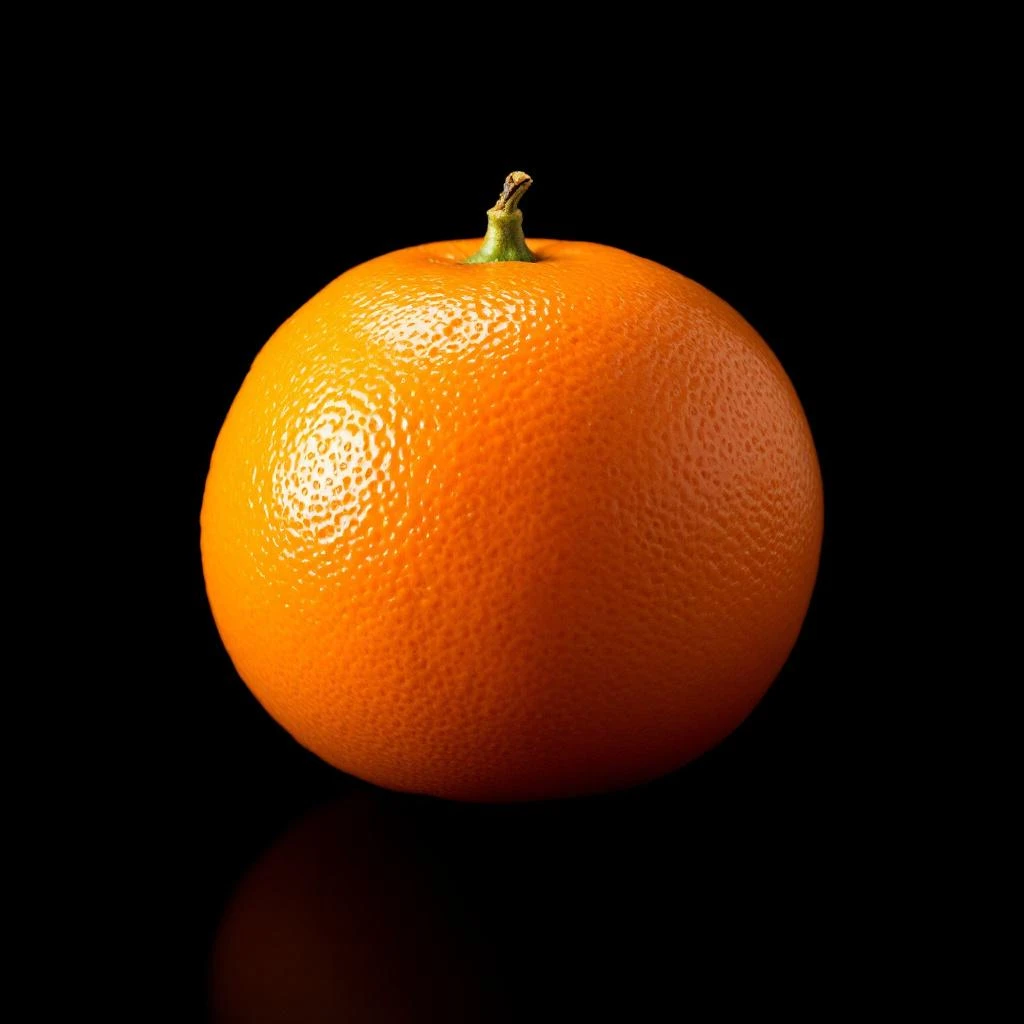
Black locust absolute carries a rich honeyed floral character with creamy orange blossom-like undertones. The scent is intensely sweet and warm, most potent during evening hours when the blossoms naturally release more fragrance.
Is black locust used frequently in modern perfumery?
Black locust absolute sees limited commercial use due to short harvest windows and labor-intensive collection. The ingredient remains relatively rare in mainstream fragrances but appears in niche botanical and natural perfume collections.
What part of the black locust tree is used for fragrance?
Perfumers extract fragrance from the fresh cream-white blossoms harvested during the brief spring flowering period. The blossoms contain the highest concentration of aromatic compounds in the tree.
What gives black locust blossoms their distinctive scent?
The blossoms contain aromatic molecules similar to those in orange blossom and acacia, belonging to the same Fabaceae family. These compounds create the characteristic honeyed, creamy floral signature released most intensely at dusk.
Where does commercial black locust honey production occur?
Hungary leads global black locust honey production, where Robinia pseudoacacia forms the basis of commercial beekeeping operations. The trees also support significant honey industries in France, Serbia, and parts of the American Northeast.
Can black locust blossoms be used in food?
Yes, black locust blossoms are edible. Native American tribes consumed them fresh, dried them for storage, and brewed them into beverages. Modern foragers use them to flavor syrups, cordials, and baked goods.
What distinguishes black locust from other Fabaceae fragrance materials?
Unlike many legume family members, black locust produces singularly dramatic floral displays rather than compact flower clusters. The result is a more concentrated, intensely sweet fragrance that behaves differently during extraction than related species.
Why is black locust particularly fragrant at dusk?
The blossoms naturally intensify fragrance output during evening hours to attract nocturnal pollinators like moths. This biological mechanism means harvesters collect blooms after sunset to capture the most potent aromatic material.