Biscotti
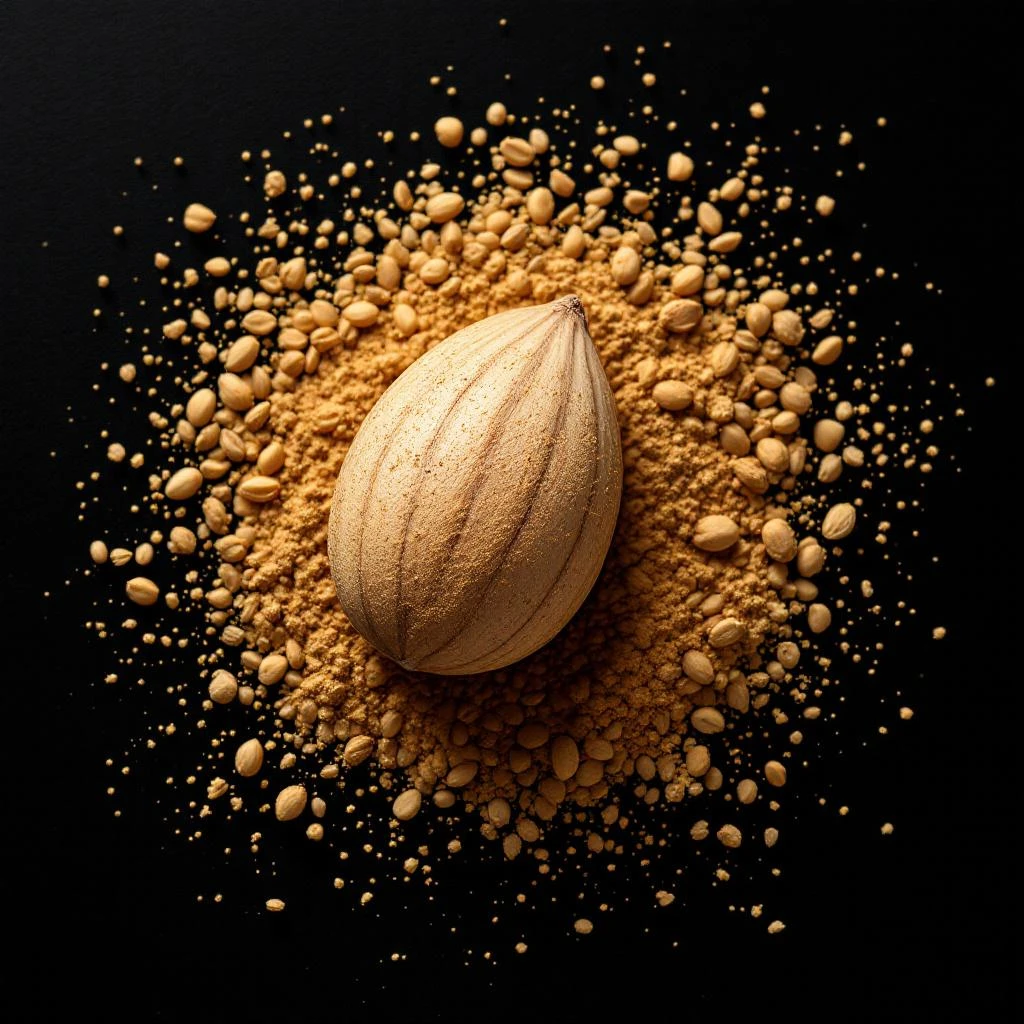
Biscotti brings the warm, toasted sweetness of twice-baked almond cookies into fragrance. This gourmand note adds a crackling, caramelized edge to perfumes, evoking fresh-baked pastry and golden sugar crusts.
Character
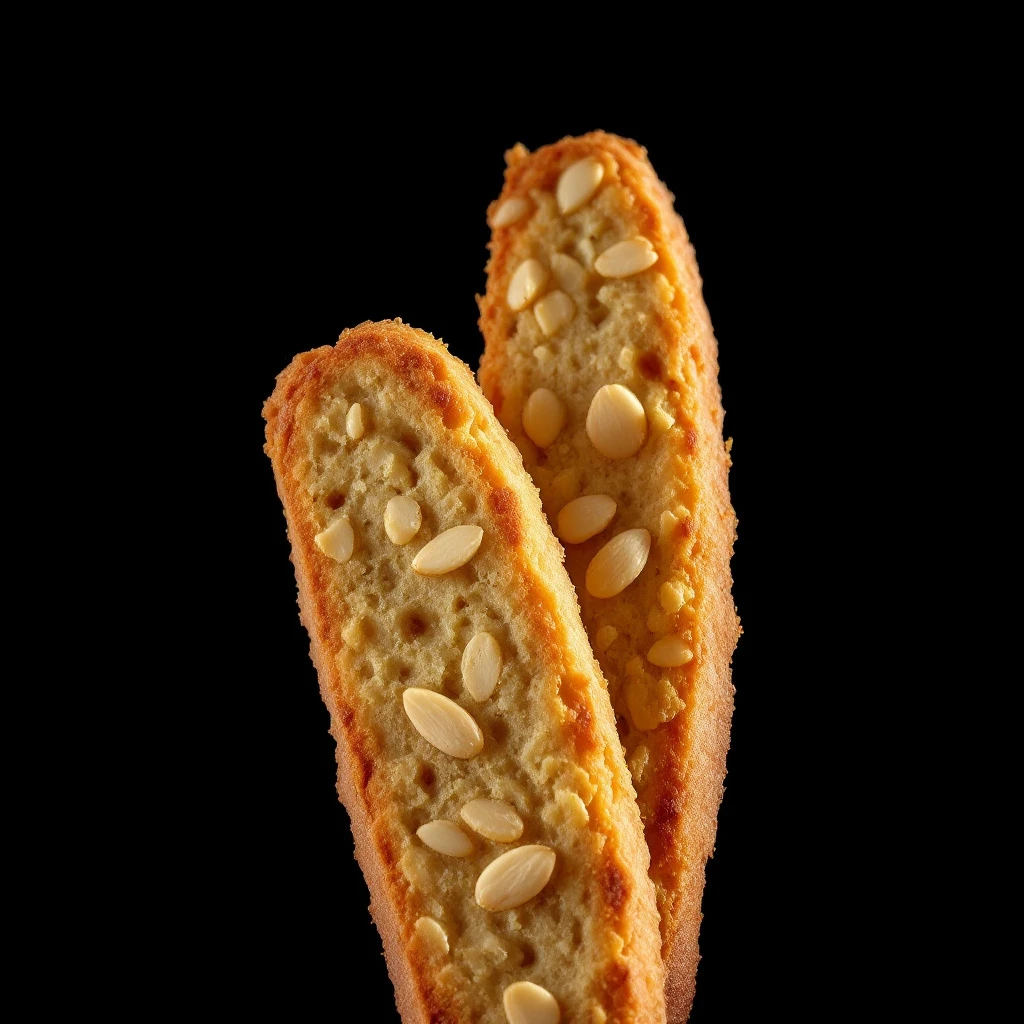
How it smells
Toasted sugar, golden crust, lingering warmth
Biscotti actually means 'twice-cooked' in Italian. The twice-baking process is what creates the deep, caramelized aroma perfumers now replicate in the bottle.





Origin
France
The word biscotti traces back to Tuscan cantucci, hard almond cookies baked twice and traditionally dipped in vin santo, a sweet dessert wine. Italian bakers perfected this method centuries ago for preservation, since the low moisture content kept the cookies edible for months. The sensory profile, golden, almond-rich, slightly burnt, entered fragrance culture in the 1990s as part of the gourmand revolution.
Thierry Mugler's Angel (1992) opened the door to edible-smelling perfumes, and by the early 2000s, biscotti and bakery accords appeared in niche compositions. Today the note signals comfort, nostalgia, and culinary indulgence. It pairs naturally with vanilla, coffee, and tonka bean.
The biscotti accord has become a signature element in autumnal and winter releases, particularly in eau de parfum concentrations where its warmth projects most clearly.
Wears it best
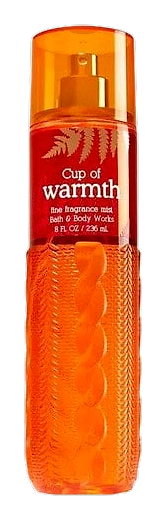
Fragrances featuring Biscotti
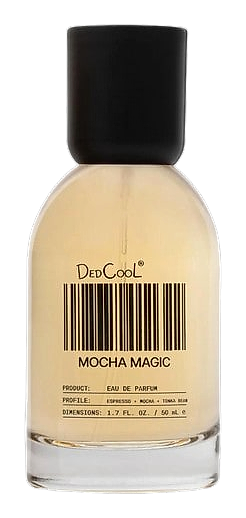
Brands
Brands known for Biscotti
Good to know
Questions, answered
The essentials on Biscotti in perfumery: how it smells, where it comes from, and how it behaves on skin.
What does biscotti smell like in perfume?
Biscotti smells like toasted almond, caramelized sugar, and warm baked dough. The note carries a dry, slightly burnt sweetness that sits between vanilla and fresh pastry, with a nutty backbone throughout.
Is biscotti a natural or synthetic fragrance note?
Biscotti is almost always a synthetic reconstruction. Perfumers combine aroma molecules like vanillin, maltol, and benzaldehyde derivatives to recreate the smell of twice-baked cookies.
When was the biscotti note first used in perfumery?
The biscotti accord entered fragrance in the early 2000s, following the 1992 gourmand revolution sparked by Thierry Mugler's Angel. Niche perfumers popularized bakery-style notes throughout that decade.
What fragrance family does biscotti belong to?
Biscotti belongs to the gourmand fragrance family, which features edible, dessert-like notes. It often sits in the base or heart of a composition alongside vanilla, tonka bean, and honey.
What notes pair well with biscotti in a perfume?
Vanilla, tonka bean, coffee, and toasted almond pair naturally with biscotti. Citrus notes like orange or bergamot lift the accord and add brightness to the warm, baked sweetness.
What is the difference between biscotti and vanilla notes?
Biscotti is drier, more caramelized, and nuttier than vanilla. Vanilla alone reads creamy and smooth, while biscotti adds a toasted, slightly burnt-sugar dimension that feels more complex.
Is biscotti a good note for winter perfumes?
Yes, biscotti thrives in cooler weather. Its toasted, warming character suits autumn and winter releases, where it adds cozy depth to orientals, gourmands, and amber compositions.
Why is it called biscotti if no cookies are used?
The name comes from Italian cantucci, twice-baked almond cookies whose aroma the fragrance note imitates. Perfumers borrowed the word to describe any accord that smells like warm, caramelized baked goods.