Birch Resin
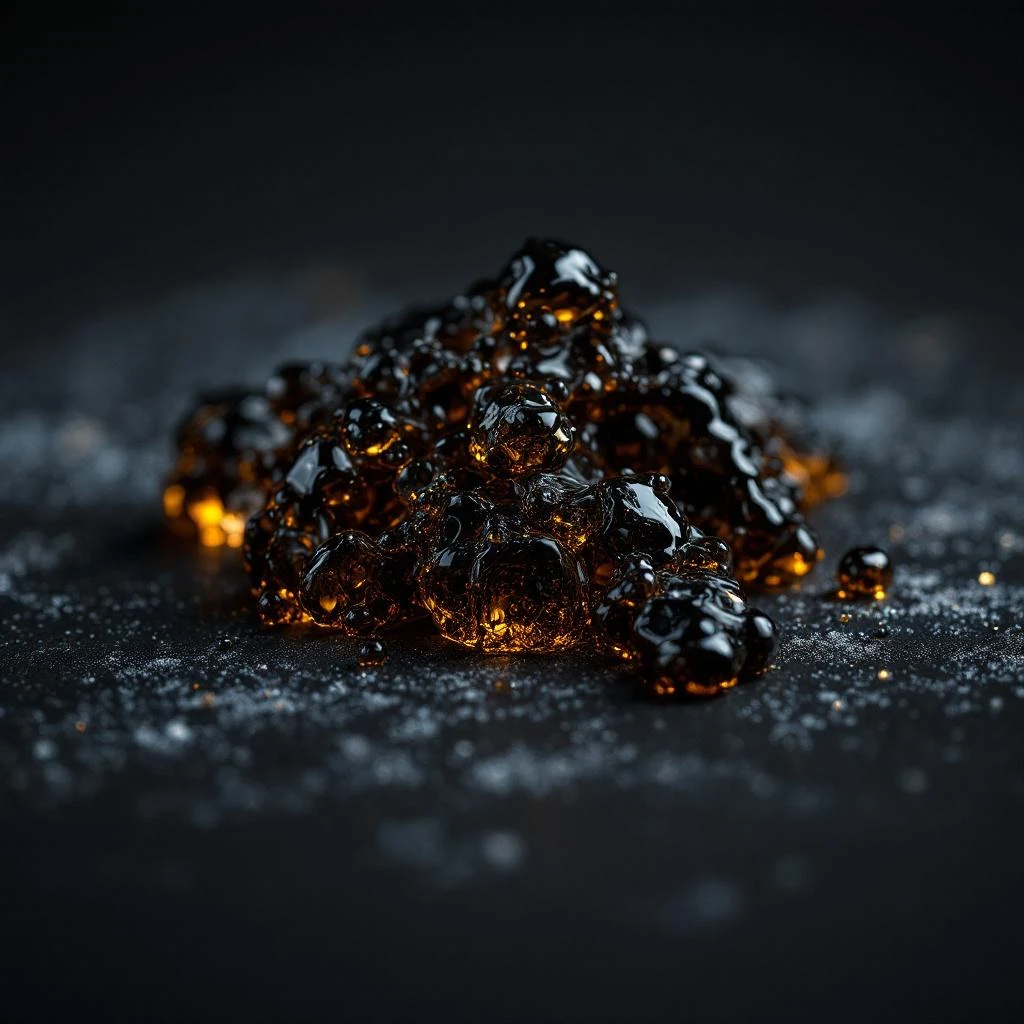
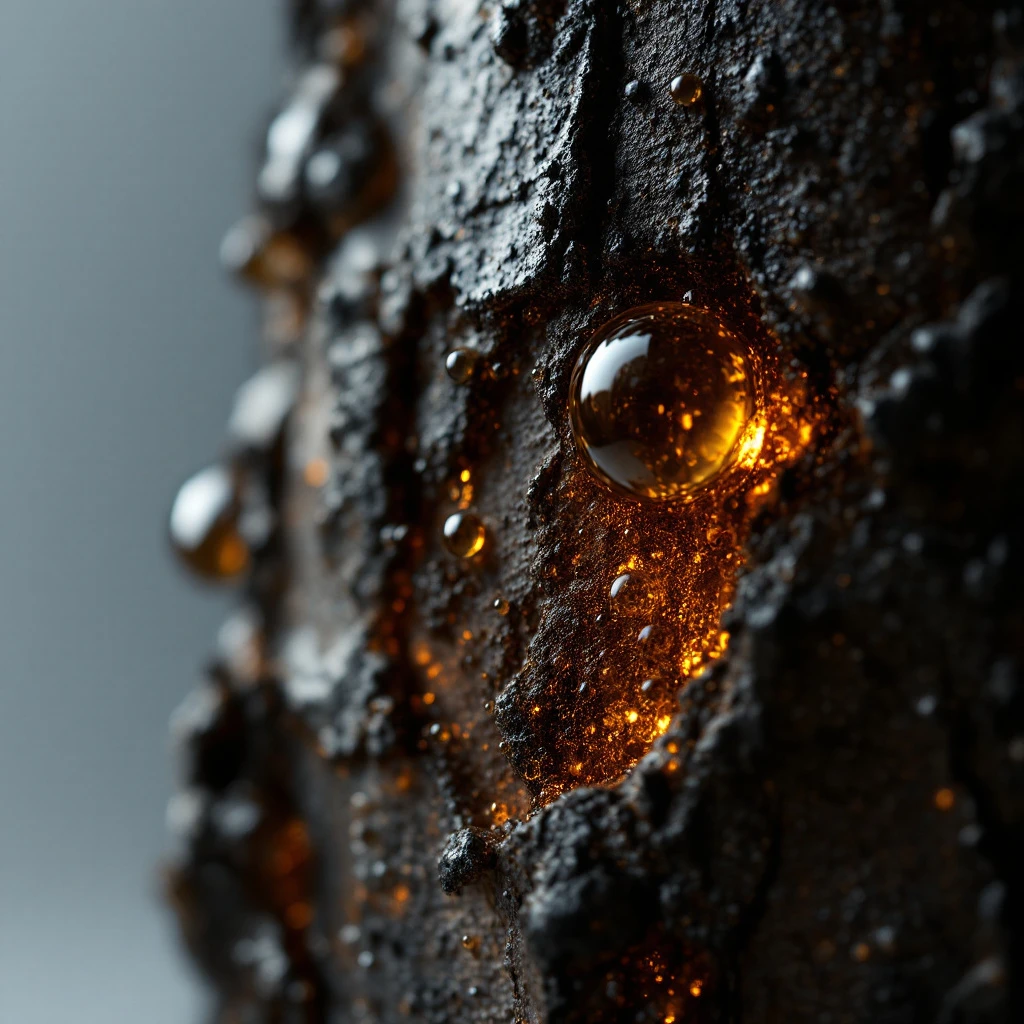
Birch resin delivers a bold, smoky character that anchors woody and leather fragrances. Its dark, tar-like warmth evokes crackling campfires and raw nature, lending depth and a primal edge that few ingredients can match.
Character
How it smells
Smoky, dark, and grounding - birch resin brings primal warmth to leather and wood fragrances.
Birch tar oil contains guaiacol, the same compound that gives smoked wood its characteristic aroma. It is the source of birch resin's unmistakable smoky quality.




Origin
Russia
Ancient Mesopotamians and Egyptians burned fragrant resins as incense in rituals, establishing a tradition that would shape perfumery for millennia. Birch tar specifically gained prominence through Russian leather craftsmen, who used it to treat and scent leather goods in the 18th and 19th centuries. This practice gave rise to the distinctive leather fragrance profile that perfumers later adopted.
Modern perfumery began in the late 19th century with commercial synthesis of aroma compounds, yet natural ingredients like birch resin retained their place in complex fragrance formulas. Today, birch resin appears in masculine chypre, fougere, and leather fragrances, preserving a link to centuries of aromatic tradition.
Wears it best
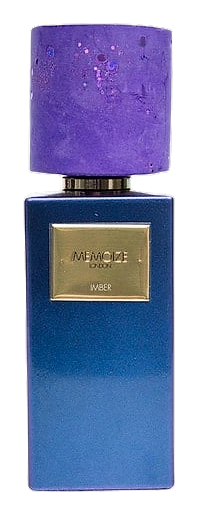
Fragrances featuring Birch Resin
Brands
Brands known for Birch Resin
Good to know
Questions, answered
The essentials on Birch Resin in perfumery: how it smells, where it comes from, and how it behaves on skin.
What is birch tar oil used for in perfumery?
Birch tar oil functions as a fixative and scent-imparting material in leather perfumes. It provides the characteristic smoky, leathery note associated with classic leather fragrance families. The guaiacol content delivers the instantly recognizable smoky character. This ingredient has become less common in modern perfumery due to reformulation pressures.
What does birch resin smell like?
Birch tar oil smells intensely smoky and tar-like with a distinctive wintergreen undertone from methyl salicylate. It carries medicinal, almost antiseptic qualities alongside smoked wood and leather impressions. When properly diluted, it produces a rich, warm base note that feels simultaneously refined and primal.
Is birch tar oil a natural ingredient?
Birch tar oil is a natural material obtained through destructive distillation of birch bark and wood. Betula pendula, the silver birch, serves as the primary species for perfumery use. The process transforms solid wood into a dark, viscous oil with a concentrated aromatic profile.
Is birch tar oil safe to use?
Birch tar oil carries IFRA approval for cosmetic use with specific concentration restrictions. It contains methyl salicylate, which requires allergen declaration in the EU. Reputable brands follow IFRA guidelines to ensure safe dilution levels in finished fragrances.
Which fragrances feature birch tar oil?
Birch tar oil appears across masculine leather, smoky woody, and chypre fragrance families. Classic examples include Vladimir Russlov and certain interpretations within the Eaux deпарфюм category. It remains more common in artisanal and vintage formulations than in mainstream releases.
How is birch tar oil different from birch essential oil?
Birch tar oil differs fundamentally from birch leaf or birch bark essential oils. It comes from destructive distillation, producing a smoky, tar-like material. Birch essential oils are milder, sweeter, and lack the characteristic smoky leather quality that defines birch tar oil in perfumery.
Can synthetic alternatives replace birch tar oil?
Guaiacol and isoeugenol can approximate birch tar oil's smoky effect but lack its full complexity. Synthetic substitutes work for simple smoky accords but struggle to match the depth, warmth, and leathery dimension that natural birch tar oil provides in fine fragrances.
How much birch tar oil do perfumers use?
Birch tar oil serves as a highly potent material, typically used at low concentrations. Perfumers employ it as a base note to anchor compositions or as a supporting accent to reinforce smoky, leather facets. Its intensity demands careful dosing to avoid an unpleasant rubber note.