Betahydrane
Betahydrane is a synthetic aroma chemical prized for its warm, woody-amber character with subtle fruity undertones. It adds depth and diffusion to florals, leathers, and red-fruit compositions without dominating.
Character
How it smells
Warm amber diffusion from a quiet lab
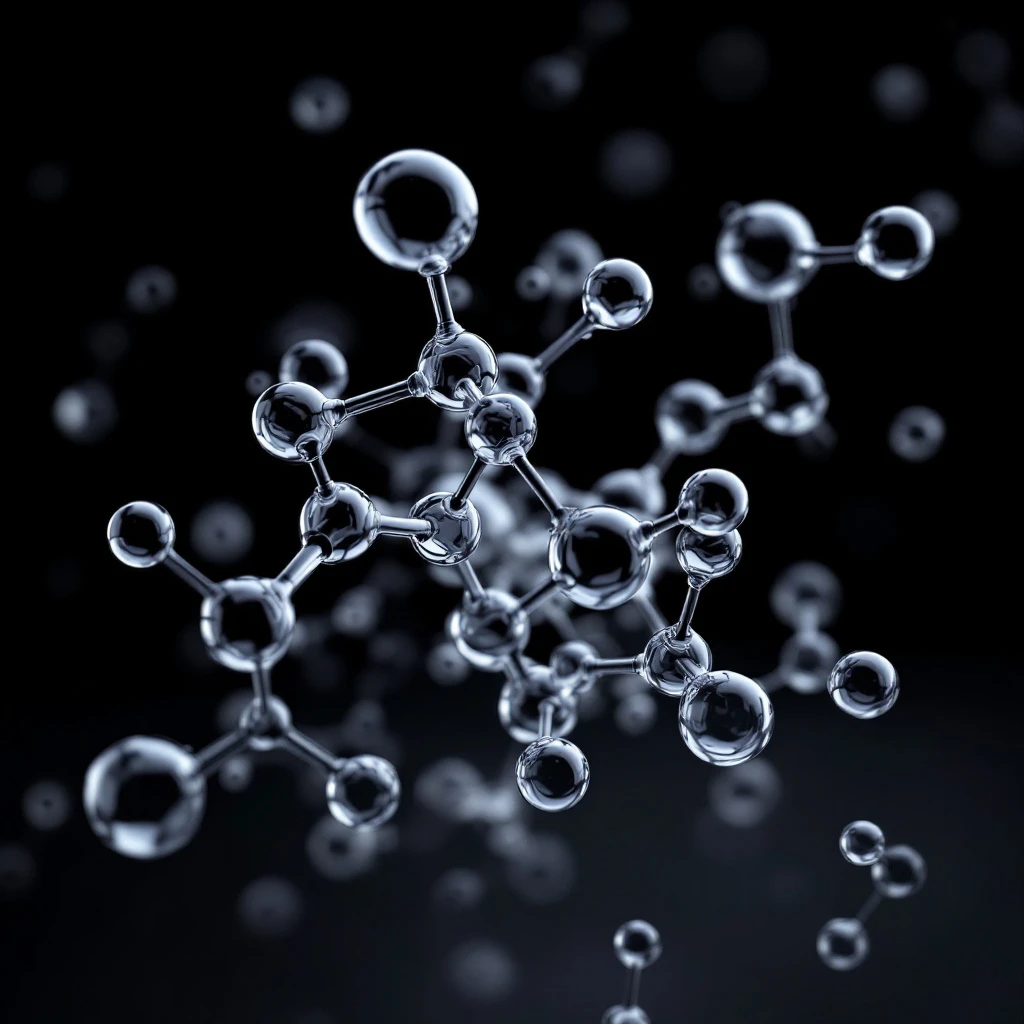
Betahydrane is essentially beta-ionone that has been softened through hydrogenation, stripping away sharp violet edges to reveal a creamier, more rounded aroma.



Origin
Switzerland
Betahydrane belongs to a family of aroma chemicals born from the late nineteenth century shift toward laboratory-made perfume ingredients. Until the 1880s, perfumery relied almost exclusively on natural materials: pressed citrus oils, steam-distilled flowers, animal-derived tinctures, and resins. That changed when chemists isolated and replicated key scent molecules such as coumarin, vanillin, and the ionones. These synthetic breakthroughs opened a new chapter: for the first time, perfumers had access to ingredients that were consistent, affordable, and independent of harvest conditions.
Betahydrane itself emerged as part of the ongoing exploration of ionone derivatives. Chemists discovered that beta-ionone, already famous for its violet-orris aroma, could be modified through hydrogenation to produce a softer, more versatile material. This transformed a relatively niche floral chemical into a builder ingredient suited for amber, leather, and fruity constructions. Its rise coincided with the twentieth-century boom in aldehydic and oriental fragrances, where perfumers needed warm, diffusive bases that did not smear compositions.
Today, betahydrane sits within the broader category of synthetic musks and amber ketones, molecules that quietly shape modern perfumery. It rarely headlines a scent, but its role as a supporting player is significant: it lends radiance and longevity without imposing a recognizable signature of its own.
Wears it best
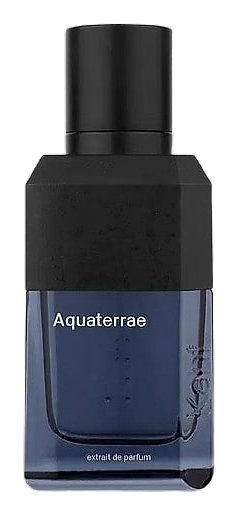
Fragrances featuring Betahydrane
Brands
Brands known for Betahydrane
Good to know
Questions, answered
The essentials on Betahydrane in perfumery: how it smells, where it comes from, and how it behaves on skin.
What does betahydrane smell like?
Betahydrane has a warm, woody-amber aroma with subtle leathery and dried-fruit facets. It reads softer and more rounded than its precursor beta-ionone, which carries sharper violet-orris characteristics.
Is betahydrane natural or synthetic?
Betahydrane is fully synthetic. It is produced in a laboratory through catalytic hydrogenation of beta-ionone, with no plant or animal source involved at any stage.
What perfumes commonly use betahydrane?
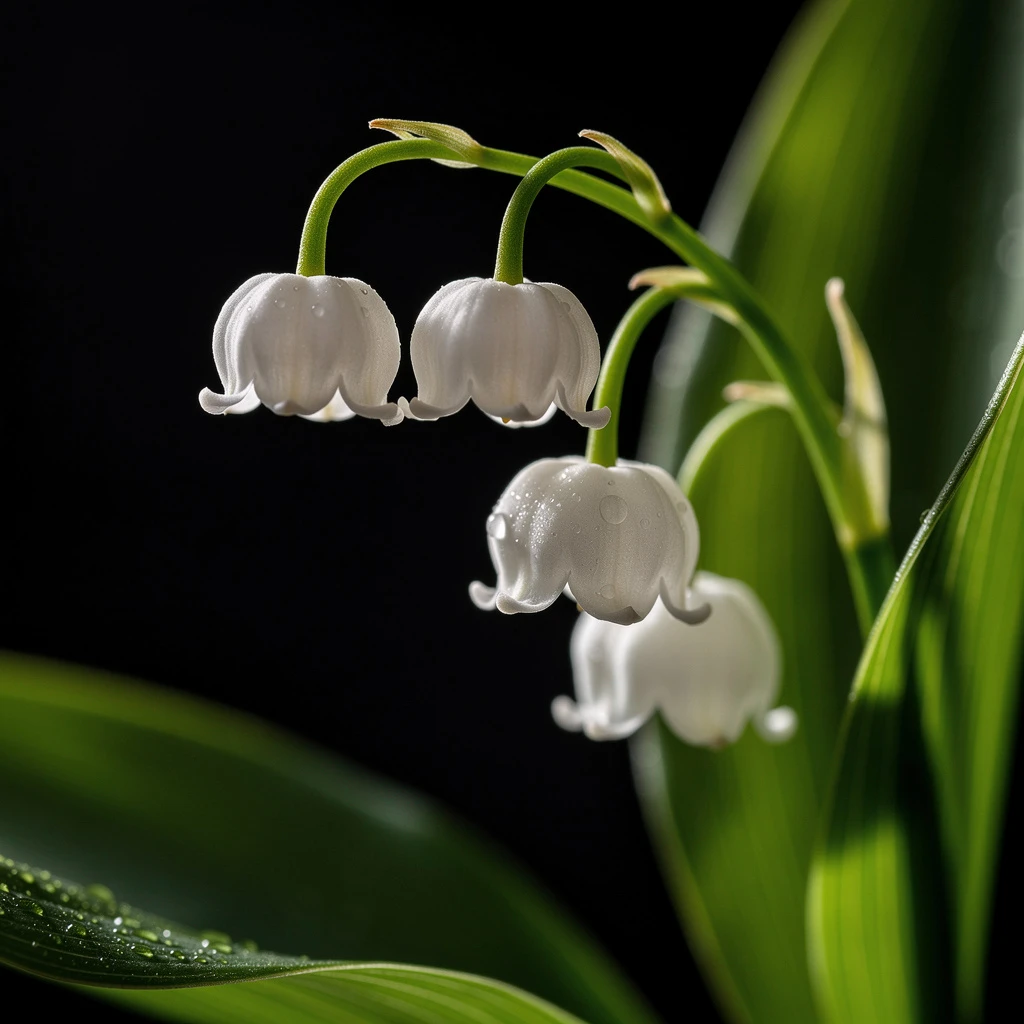
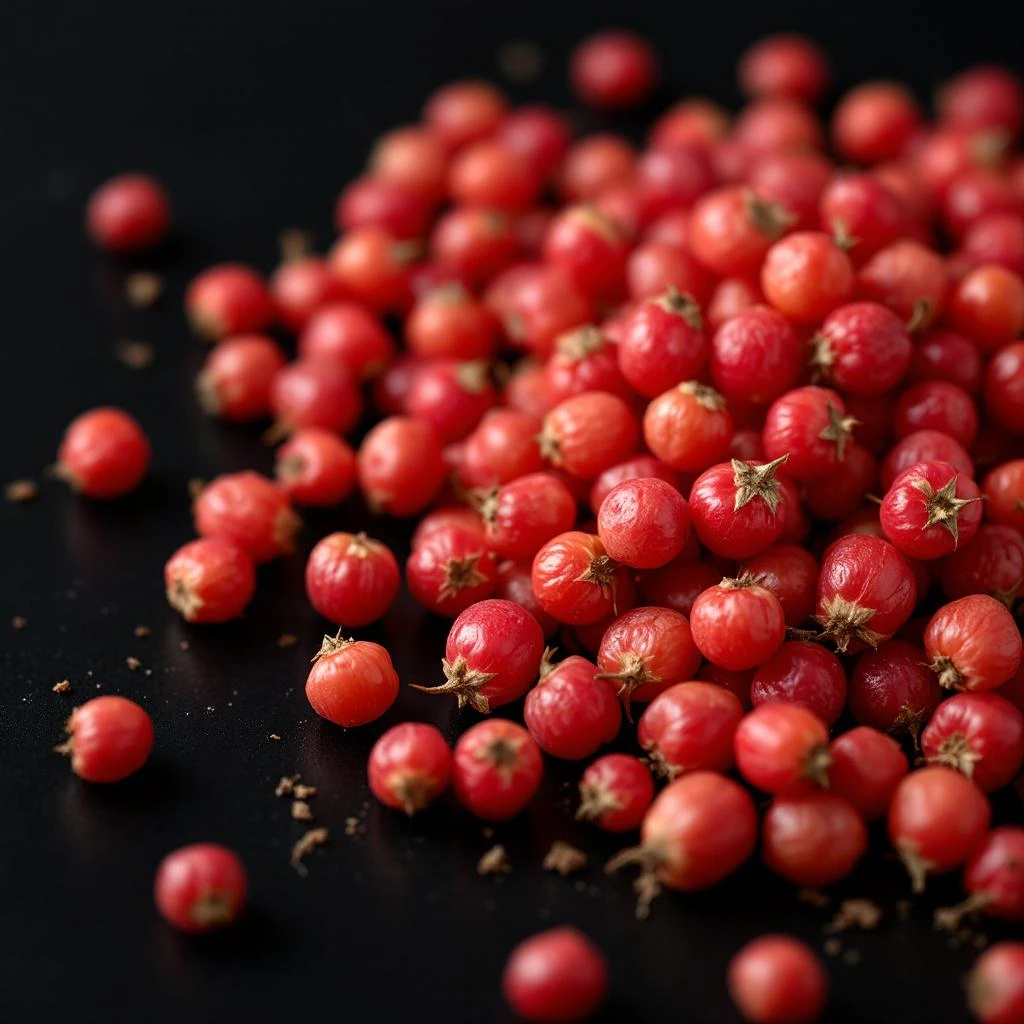
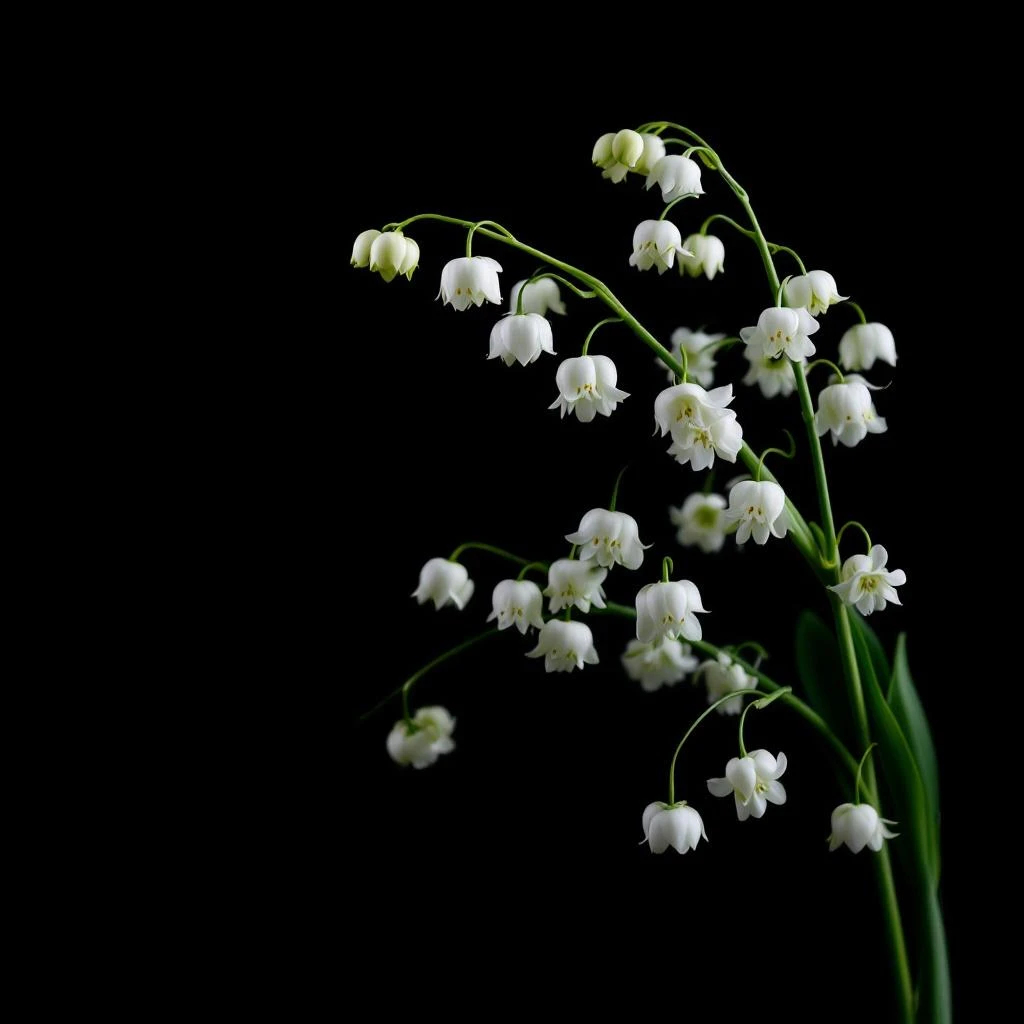
It features in leather, rose, red fruit, and muguet (lily of the valley) accords where perfumers want warmth and diffusion. Specific commercial formulas are rarely disclosed, so listing named fragrances is difficult.
How is betahydrane produced?
The compound forms when hydrogen gas reacts with beta-ionone in the presence of a palladium or platinum catalyst. After hydrogenation completes, the catalyst is removed and the product undergoes vacuum distillation for perfumery-grade purity.
Is betahydrane safe to wear on skin?
Betahydrane is used within regulated concentration limits set by bodies such as IFRA. At approved levels it poses no known sensitization risk for the majority of wearers.
How does betahydrane compare to beta-ionone?
Both molecules share a chemical lineage, yet they smell different. Beta-ionone reads sharp and violet-like, while betahydrane (the hydrogenated form) appears creamier, warmer, and more ambery.
Why do perfumers choose betahydrane over natural materials?
Synthetic betahydrane offers batch-to-batch consistency and scales independently of agricultural conditions. It also provides specific aromatic qualities that are difficult or impossible to source from natural raw materials.
Does betahydrane come from any plant?
No. The molecule exists only as a synthetic product. While structurally related to compounds found in violet flowers, no commercial extraction method isolates betahydrane directly from botanical sources.
In the same family