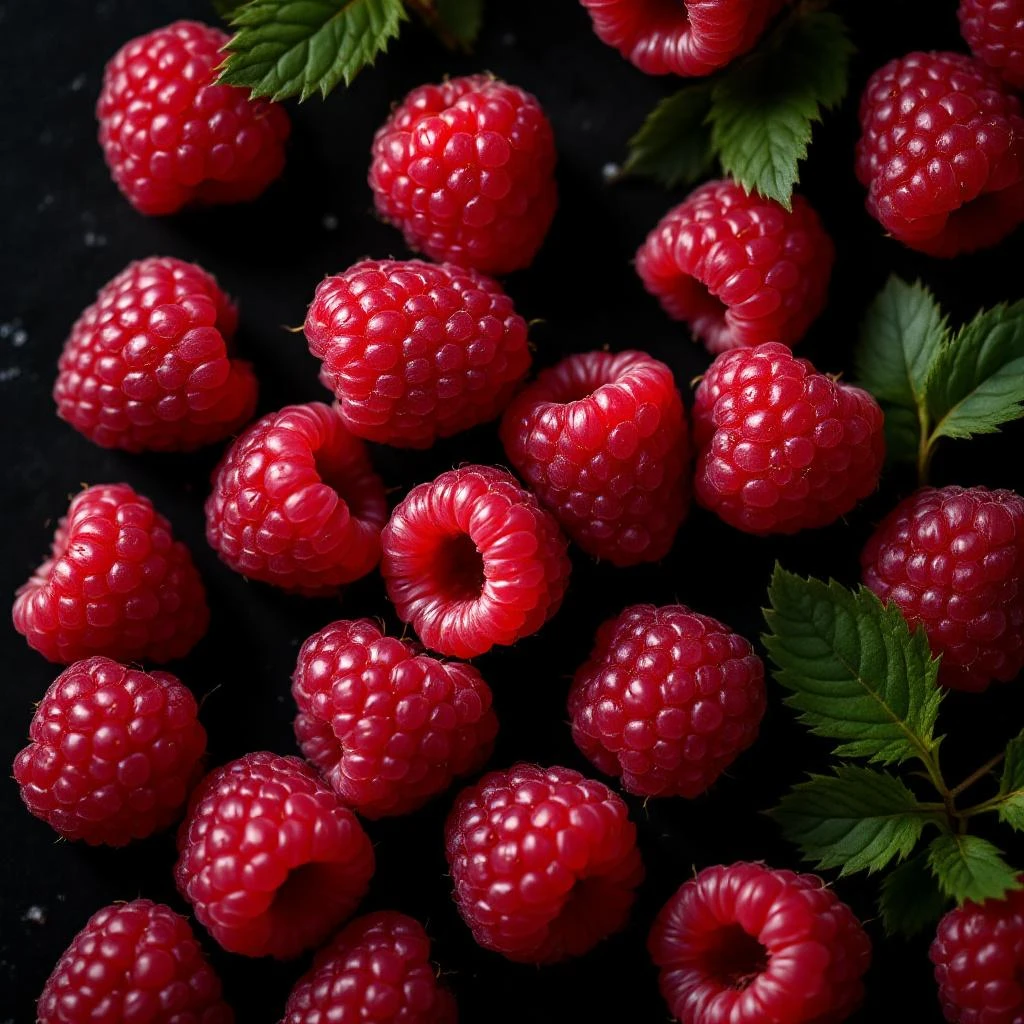
Berry
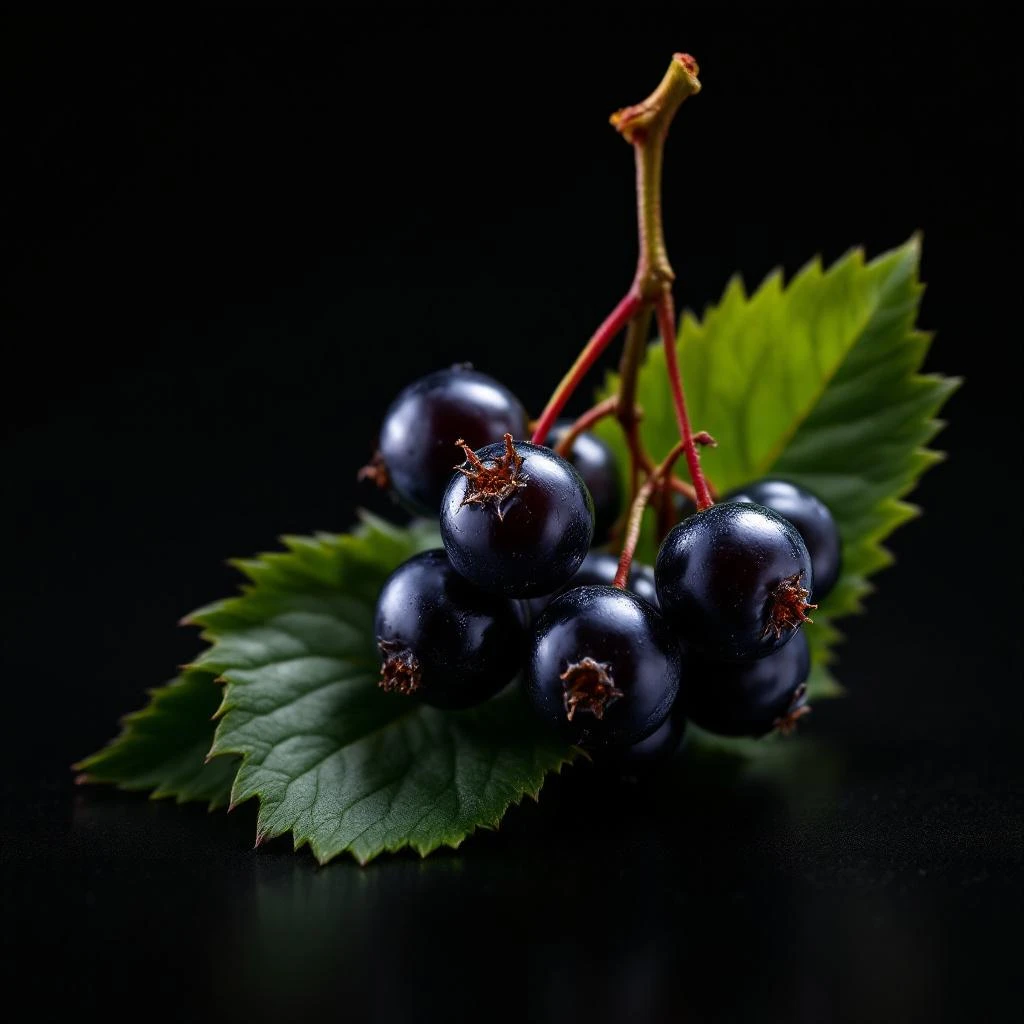
Berries bridge sweet and tart, offering perfumers a spectrum from bright raspberry to deep cassis. Both natural and synthetic berry materials now shape modern fragrance.
Character
How it smells
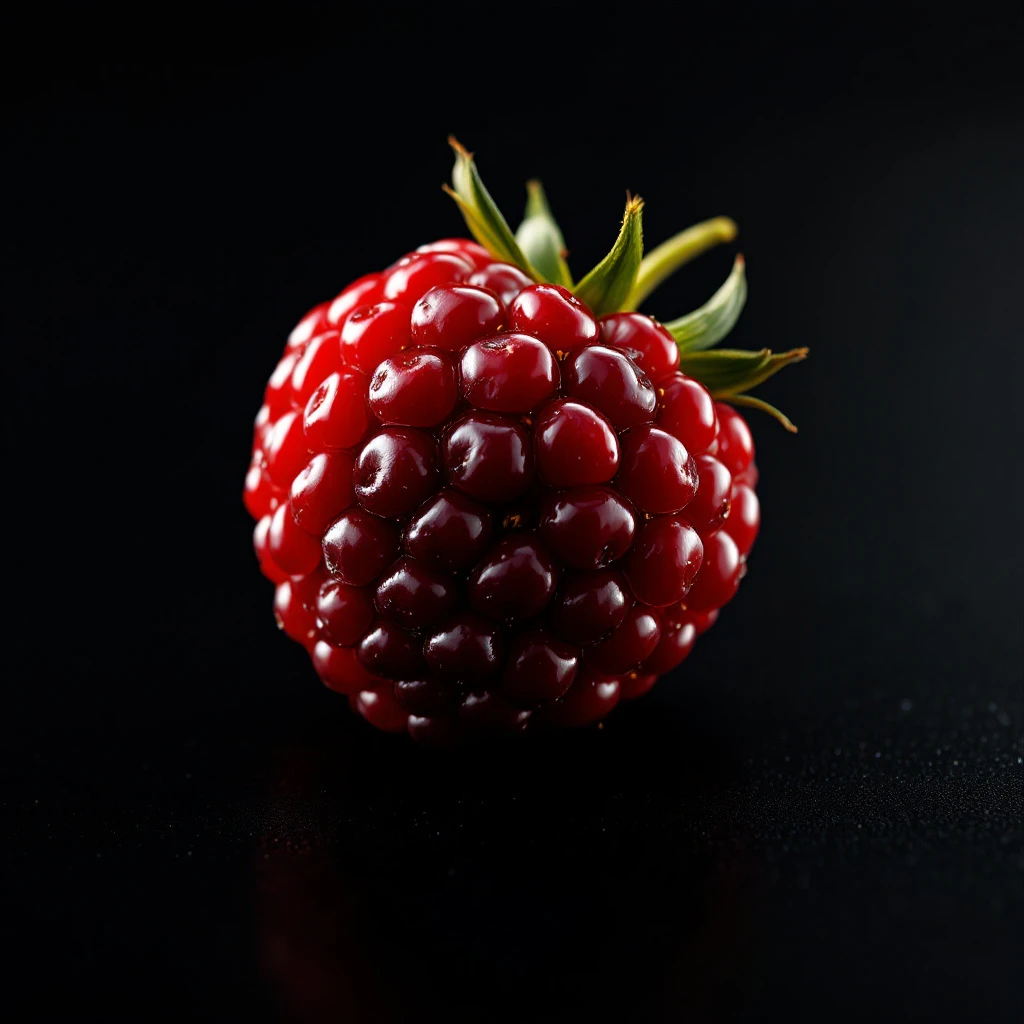
Tiny fruits, bold stories.
The compound that gives raspberries their signature scent was first isolated from rhubarb in 1868.
Pairs beautifully with

Origin
France
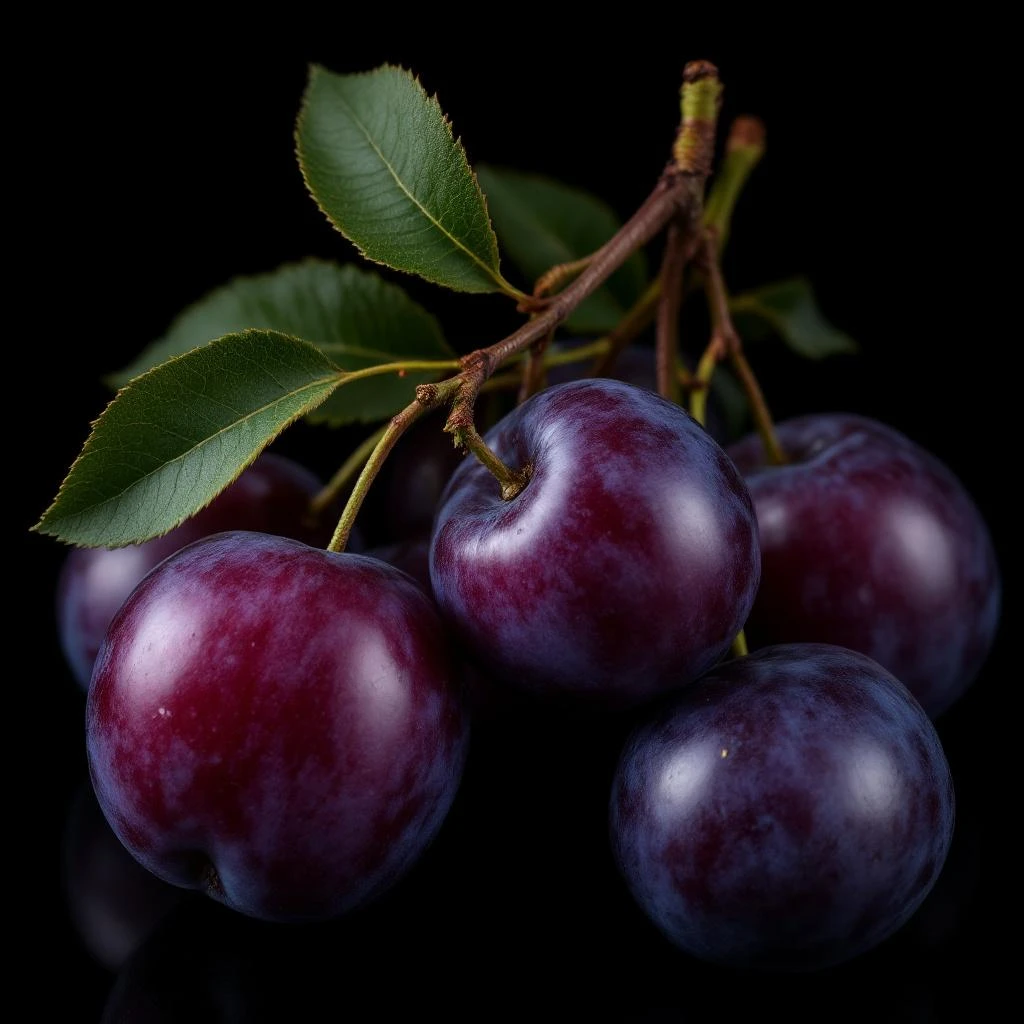
Ancient cultures valued berries for food and medicine long before perfume. Mesopotamians and Egyptians used fruit in rituals and preparations. The transformative moment for berries in perfumery came in the 19th century when perfumers began capturing these scents deliberately.
Blackcurrant, known as cassis in France, became particularly important to French perfumery. Guerlain's Jicky in 1889 featured prominent cassis, among the first to do so. Natural cassis proved difficult to extract from fruit, which led chemists to synthesize compounds like raspberry ketone in 1868.
These breakthroughs made complex berry accords accessible and reliable, paving the way for the berry-forward fragrances that followed.
Wears it best
Fragrances featuring Berry
Brands
Brands known for Berry
Good to know
Questions, answered
The essentials on Berry in perfumery: how it smells, where it comes from, and how it behaves on skin.
What creates berry notes in perfumery?
Berry notes combine natural absolutes and synthetic aroma chemicals. Natural blackcurrant absolute provides characteristic intensity. Synthetics like raspberry ketone and gamma-decalactone recreate fruity, sweet profiles. Most modern berry fragrances use both natural and synthetic materials.
Why is blackcurrant significant in perfumery?
Blackcurrant offers a uniquely intense, tart character that sets it apart from other berries. Its leaves and buds contain thiol compounds giving cassis its characteristic sulfurous, catty note. This distinctiveness makes it a prized ingredient for creating recognizable berry accords.
Are berry fragrances suitable for all seasons?
Berry fragrances work best in warmer months when their bright, juicy character feels natural. Many perfumers also include berry notes in autumn and winter compositions paired with spices and darker woods. Berry-forward scents adapt well when combined with appropriate companion ingredients.
Which fragrance families use berry notes most?
Fruity fragrances lead in berry usage, followed by chypres with berry hearts. Florals and orientals also incorporate berry notes for added vibrancy and sweetness. The versatility of berry makes it useful across fragrance families.
How long do berry notes last on skin?
Berry notes typically last 2 to 4 hours as primary fragrance ingredients. Natural berry absolutes and synthetics vary in longevity. Berry accords work best in the heart and top notes, with longer-lasting base notes providing the dry down.
Do natural berry extracts outperform synthetic ones?
Natural blackcurrant absolute offers complexity that synthetics struggle to match, including subtle green and animalic facets. Synthetic berry compounds provide consistency and allow precise dosage control. Modern perfumery typically blends both to achieve the best balance.
How should berry fragrances be stored?
Store berry-dominant perfumes away from heat and direct light in dark bottles. Heat degrades fruity esters and thiol compounds faster than other fragrance materials. Many fragrance houses add UV stabilizers to berry formulations to extend shelf life.
What makes synthetic berry compounds important?
Synthetics ensure consistent supply and pricing that natural extracts cannot guarantee. Raspberry ketone costs a fraction of natural raspberry essence while providing reliable results. These compounds also enable accords that would be impossible or prohibitively expensive using only natural materials.