Aperol
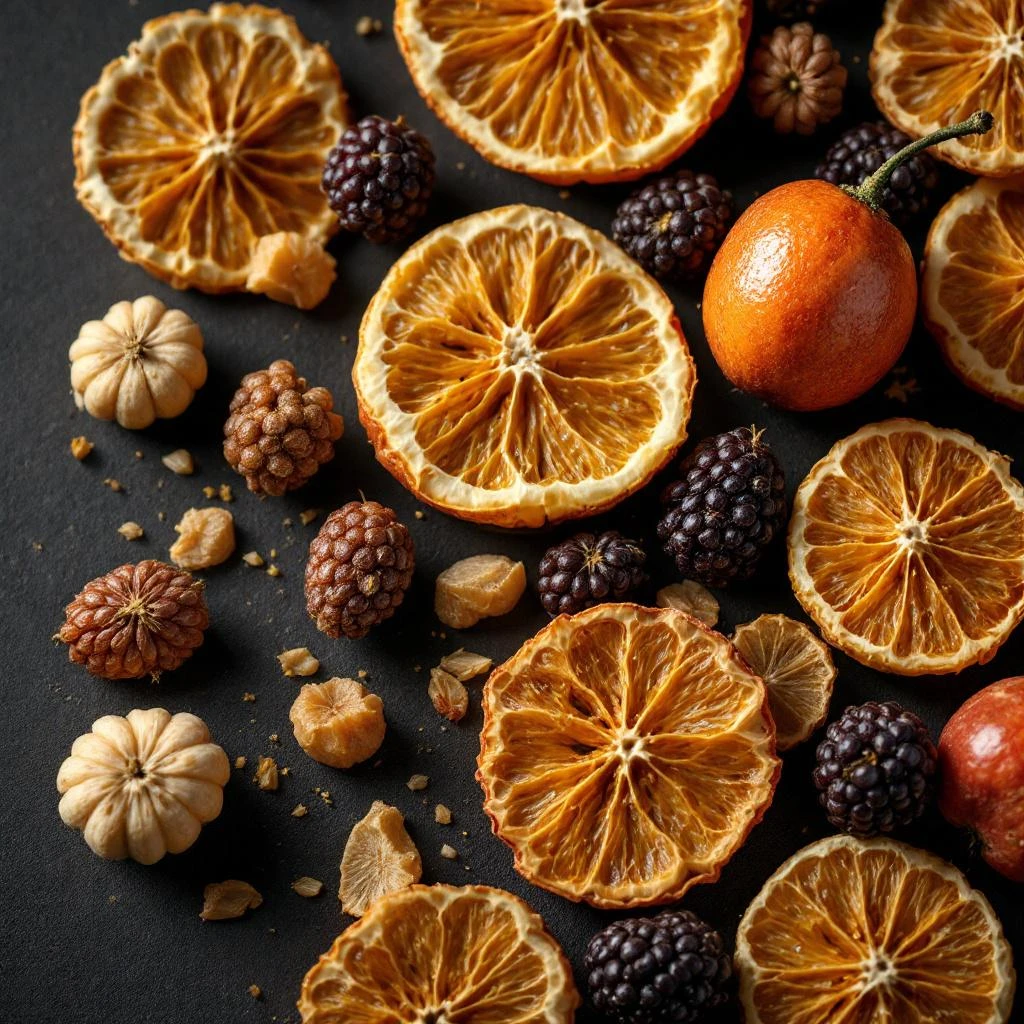
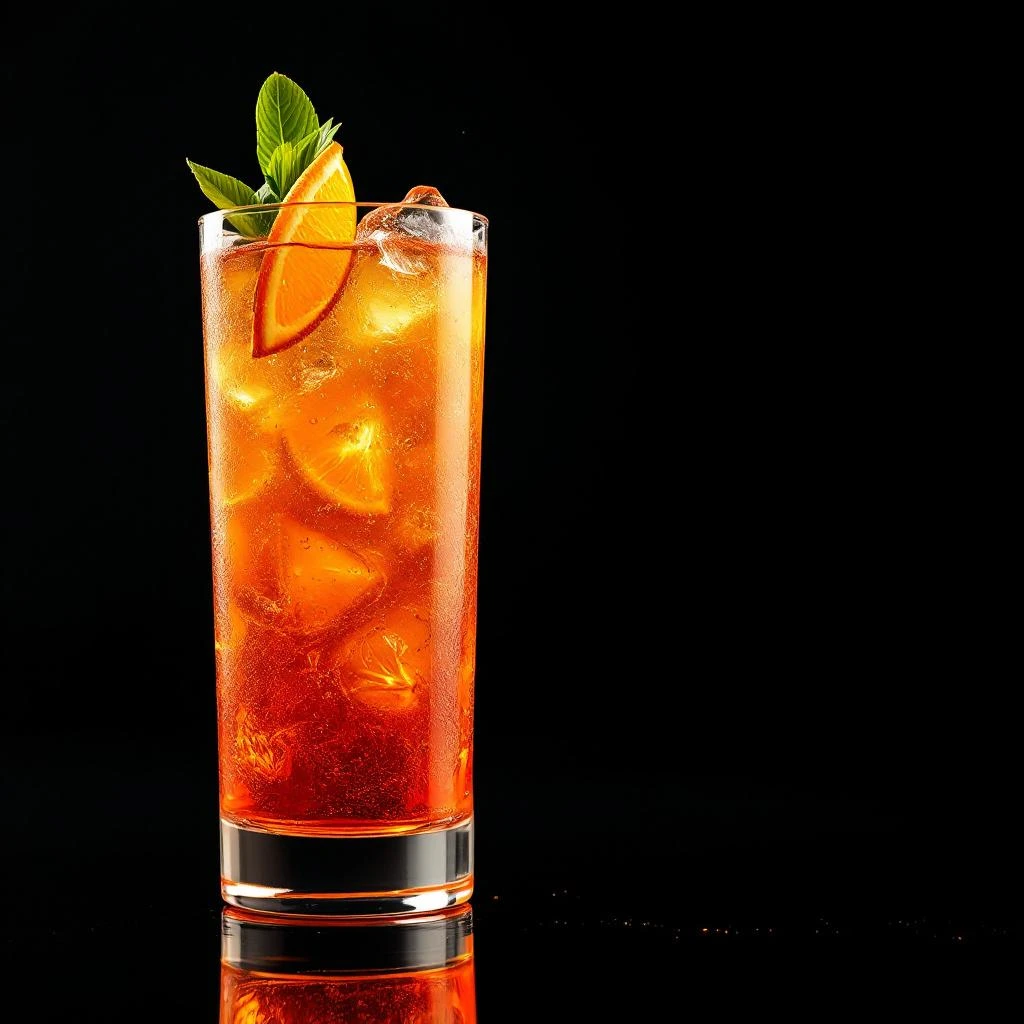
Aperol brings the sun-drenched spirit of the Italian Spritz into perfumery. This bitter-sweet botanical accords captures the vibrant citrus and rhubarb brightness that made the liqueur a global sensation, translating aperitivo culture into wearable warmth.
Character
How it smells
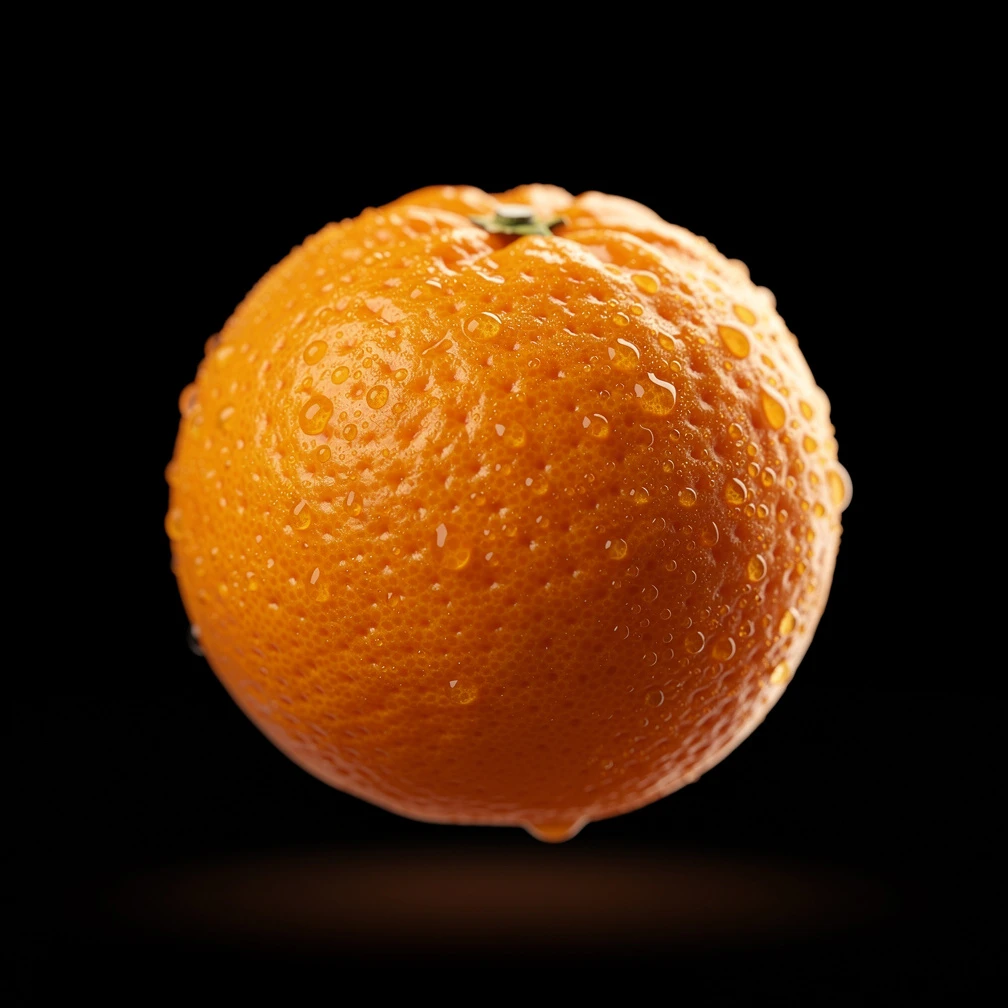
Bitter citrus meets Italian summer.
The Barbieri brothers crafted the original recipe in Padua in 1919 using gentian, rhubarb, and cinchona bark to achieve that signature bittersweet balance.




Origin
Italy
Aperol emerged from Padua, Italy in 1919 when brothers Luigi and Silvio Barbieri sought to create a lighter, more approachable bitter liqueur than traditional amari. The name derives from "apero," the French slang for apéritif that had gained cultural currency across Europe.
For decades, Aperol remained a regional favorite until the Spritz trend exploded in the 2000s, transforming a century-old recipe into a global现象. Today, its unmistakable bright orange color and bittersweet taste define modern aperitivo culture worldwide, inspiring fragrance creators to capture that effervescent Italian summer in bottle.
Wears it best
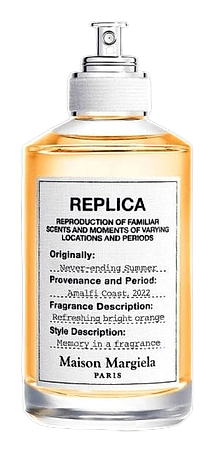
Fragrances featuring Aperol
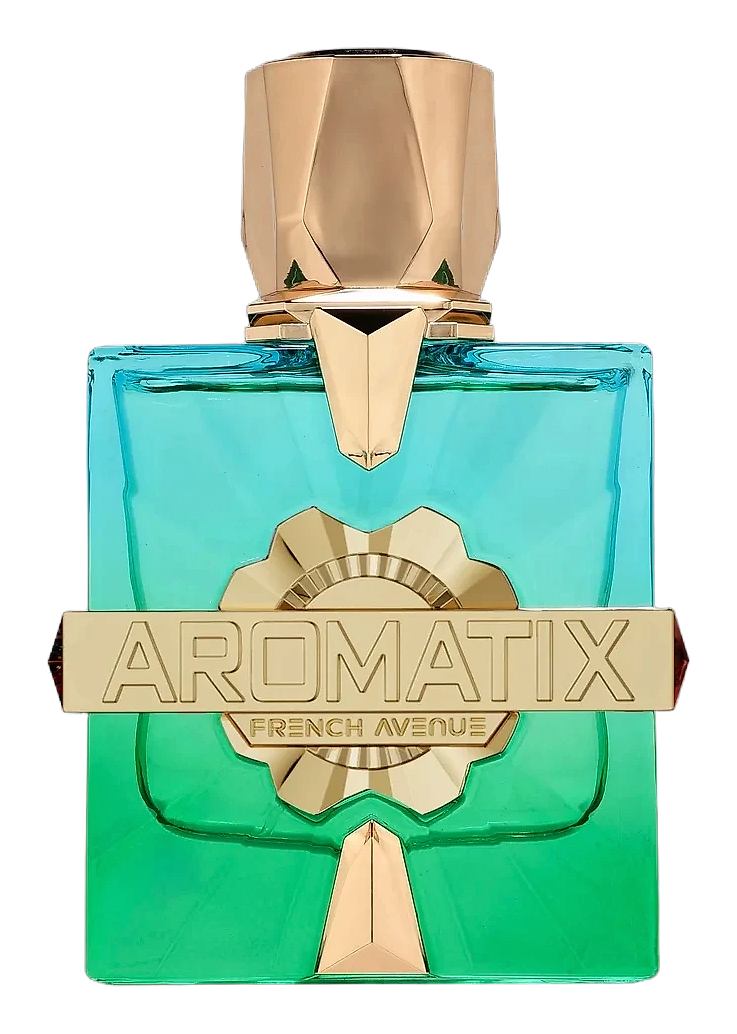
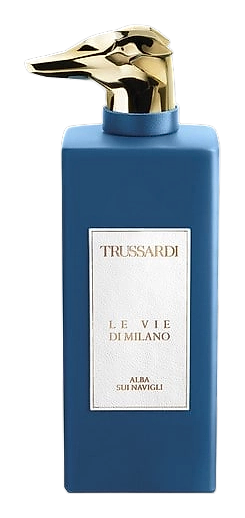
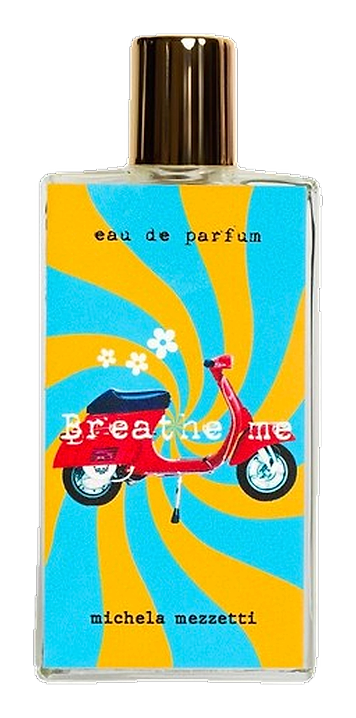
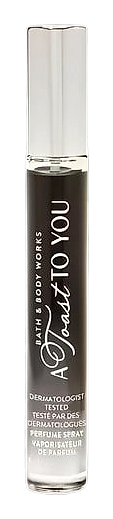
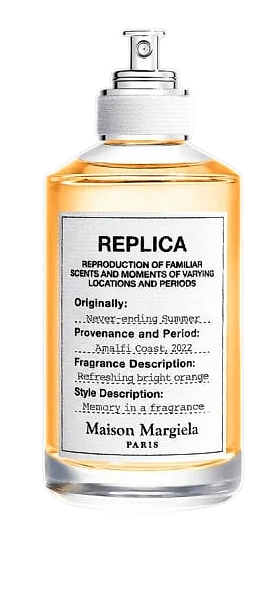
Brands
Brands known for Aperol
Good to know
Questions, answered
The essentials on Aperol in perfumery: how it smells, where it comes from, and how it behaves on skin.
What does Aperol smell like in perfume?
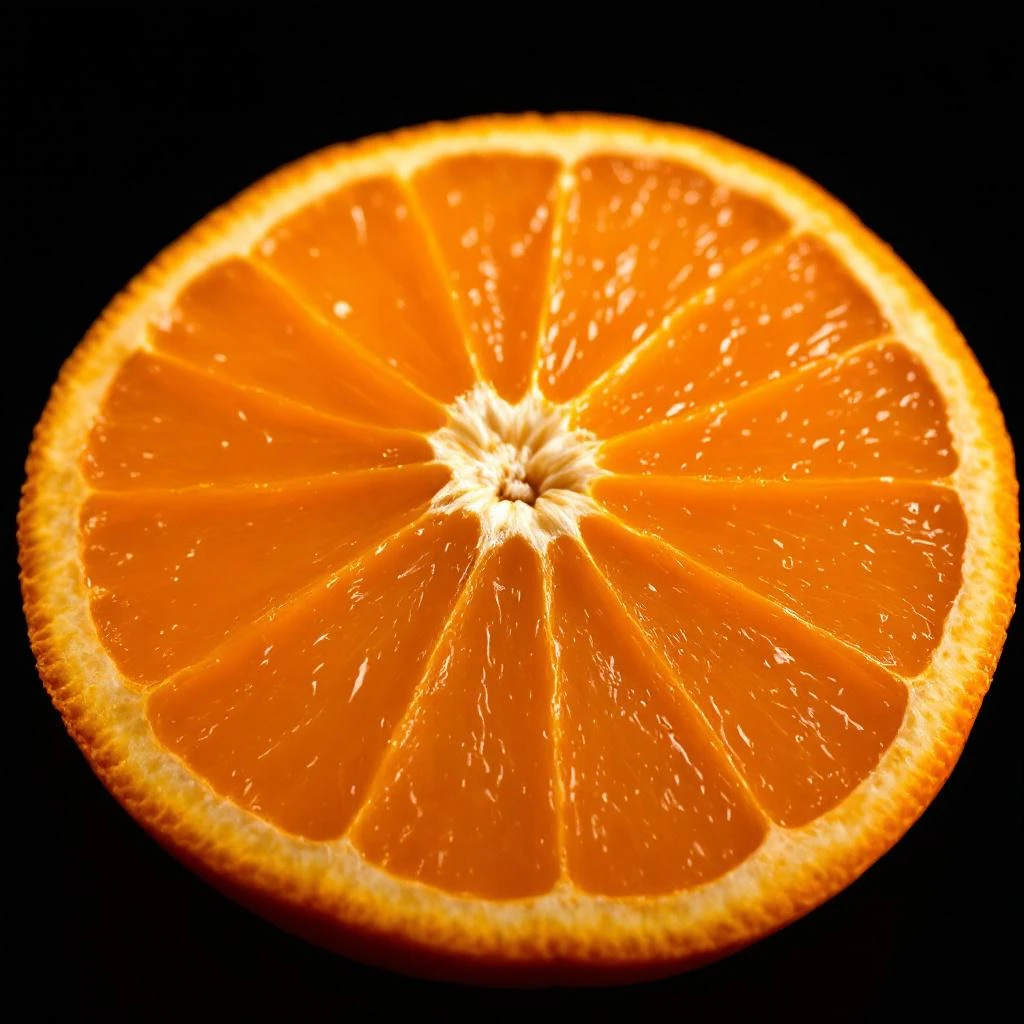
Aperol accords in perfumery present as bright, bitter citrus with tart rhubarb undertones. The scent balances zesty orange and gentian bitterness against a subtly sweet herbal backdrop, creating that distinctive bittersweet spritz character.
Is Aperol a natural fragrance ingredient?
Aperol is a synthetic fragrance accord that reconstructs the liqueur's aroma profile. Perfumers analyze the scent molecules from its key botanicals, including gentian, rhubarb, and cinchona, then recreate these notes using isolated compounds and natural essential oils.
What gives Aperol its characteristic bitter taste and smell?
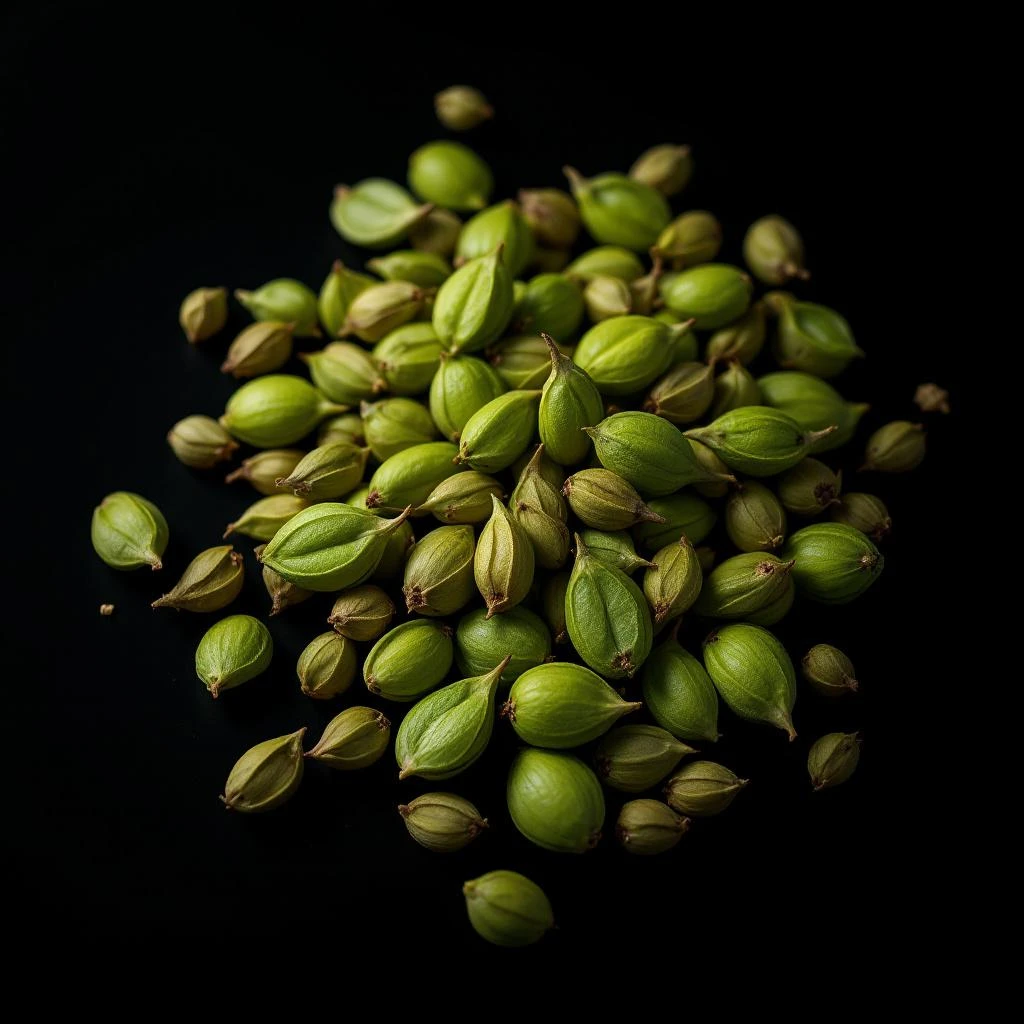
Gentian root provides the primary bitter component, while cinchona bark contributes quinine-like bitterness. Rhubarb adds tart, slightly astringent notes. Combined, these botanicals create the balanced bittersweet complexity the liqueur is known for.
How is the Aperol accord created for perfumery?
Perfumers use headspace technology and solvent extraction to identify the volatile compounds in Aperol's botanical ingredients. They then reconstruct these aromatics using isolated natural extracts and nature-identical synthetics to create a wearable fragrance accord.
What fragrances feature Aperol notes?
Several contemporary fragrances incorporate Aperol-inspired accords to evoke summery, bittersweet freshness. These accords typically appear in top notes, lending bright citrus and rhubarb brightness to citrus, floral, and fruity fragrance compositions.
Where does Aperol originate from?
The brothers Luigi and Silvio Barbieri created Aperol in Padua, Italy in 1919. The name derives from the French slang "apero" for apéritif. Padua sits at latitude 45.4064 and longitude 11.8768 in the Veneto region.
Does the alcohol content of Aperol affect its fragrance use?
Perfumers do not use the actual liqueur in formulations. Instead, they create accords from isolated aromatic compounds and botanical extracts that capture Aperol's scent profile without any alcohol content, making these suitable for oil-based or alcohol-based fragrances.
What other botanicals complement Aperol in perfumery?
Aperol accords pair naturally with sparkling aldehydes, citrus oils like bergamot and lemon, and herbal notes including basil and mint. These combinations reinforce the bright, effervescent quality that makes the Aperol Spritz so refreshing.