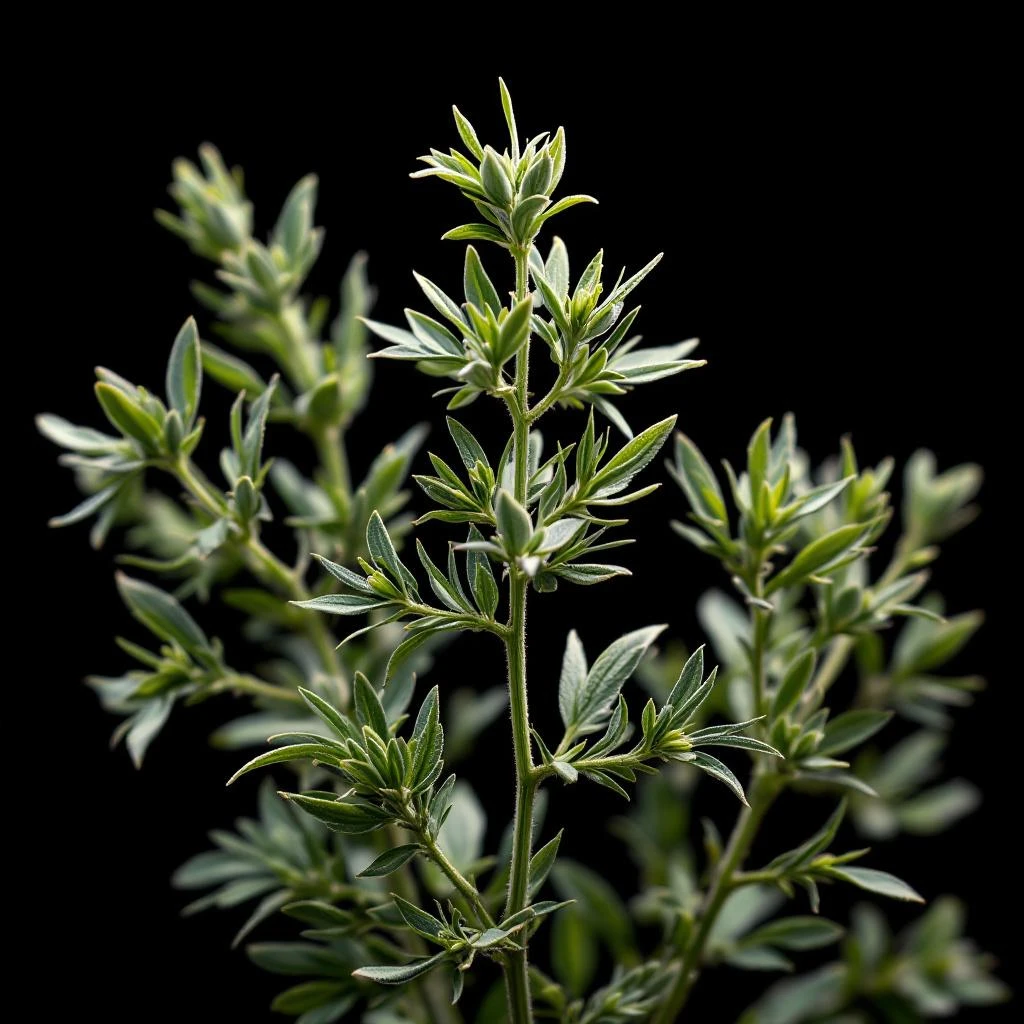
Bay Laurel
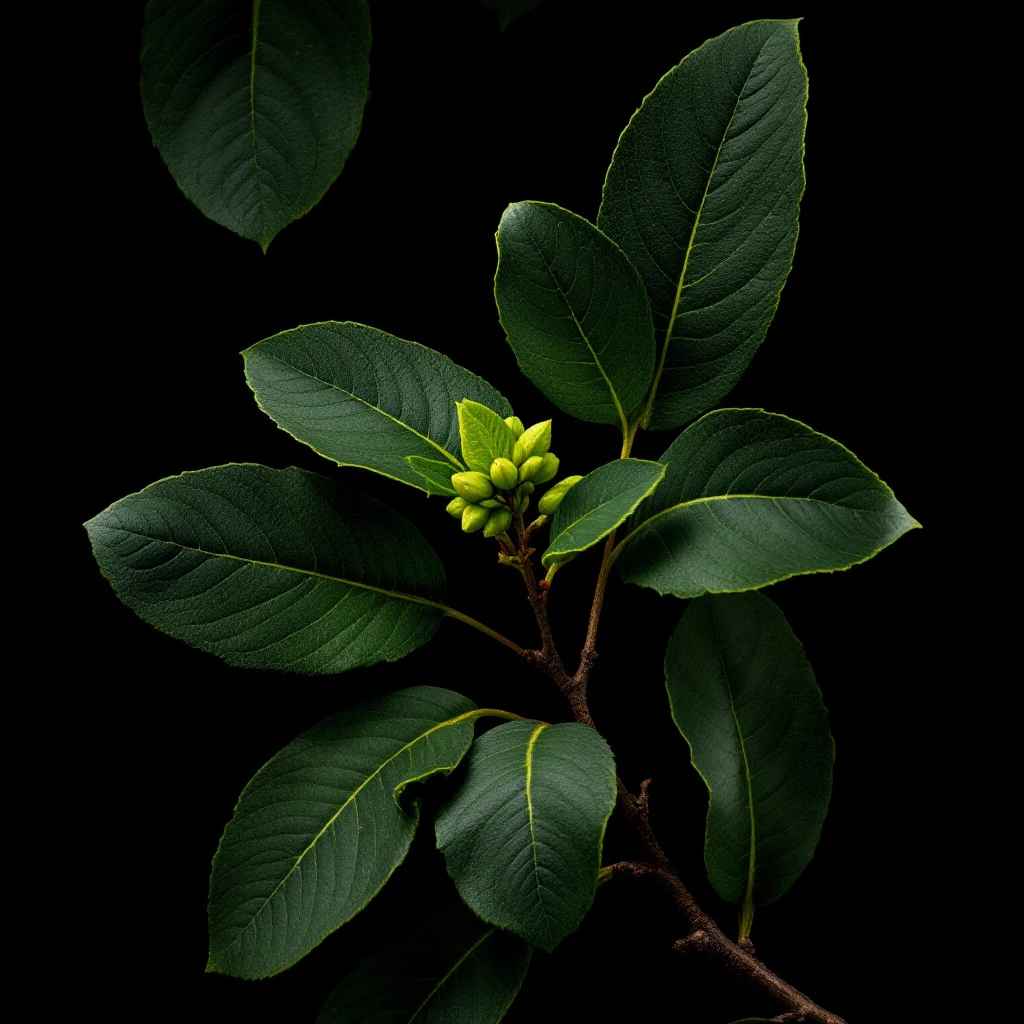
Bay laurel brings a sharp, aromatic presence to fragrance—green, slightly camphoraceous, with a warmth that recalls ancient Mediterranean groves. Its leaves carry centuries of myth and medicinal wisdom.
Character
How it smells
Ancient crown of victors, modern fragrance icon.
In Greek mythology, Apollo pursued the nymph Daphne until she begged to be transformed—into the laurel tree, forever linked with triumph and glory.







Origin
Turkey
Bay laurel carries the weight of civilization in its leaves. Ancient Greeks and Romans crowned victorious generals, poets, and Olympic champions with woven laurel wreaths, transforming botanical material into a symbol of achievement and glory. The classical legend traces the tree's origin to Daphne, a nymph pursued by Apollo who begged for relief and was transformed into the first laurel.
The god then declared the tree sacred, establishing its place in ritual and triumph. Mediterranean cultures valued Laurus nobilis for culinary, medicinal, and ceremonial purposes across millennia. Early physicians used bay preparations for digestive ailments and respiratory conditions.
The essential oil gained commercial importance in 19th-century perfumery, with Caribbean production centers in the Virgin Islands becoming major suppliers. Today, bay laurel bridges ancient tradition and modern fragrance craft, its aromatic legacy continuing in compositions worldwide.
Wears it best
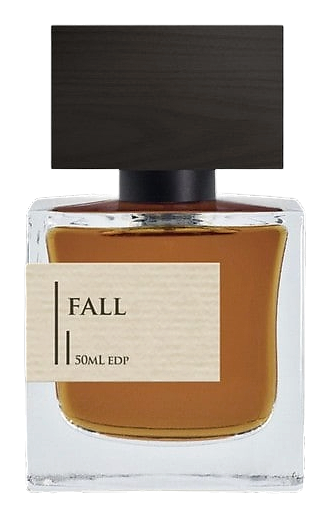
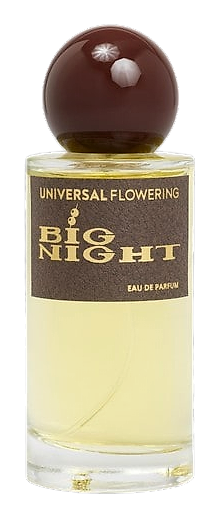
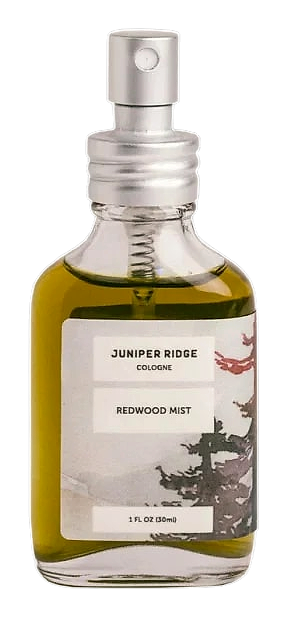
Fragrances featuring Bay Laurel
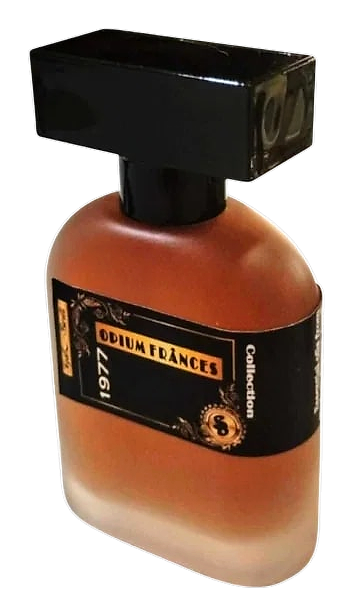
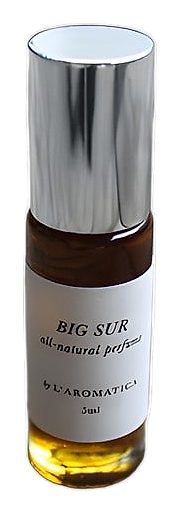
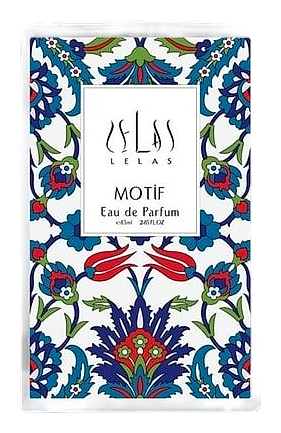
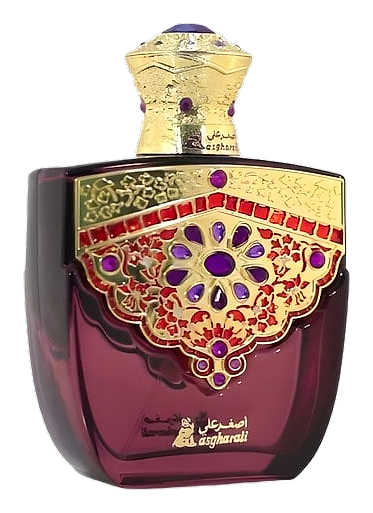
Brands
Brands known for Bay Laurel
Good to know
Questions, answered
The essentials on Bay Laurel in perfumery: how it smells, where it comes from, and how it behaves on skin.
What does bay laurel smell like in perfume?
Bay laurel presents a sharp, green aroma with camphor and spice characteristics. The scent combines freshness reminiscent of eucalyptus with subtle clove and black pepper undertones, creating an invigorating, slightly medicinal quality that adds depth to fragrance compositions.
Is bay laurel used in men's fragrances?
Bay laurel appears frequently in masculine and unisex fragrances, particularly those targeting the aromatic fougère and chypre categories. Its fresh, green qualities blend naturally with lavender, oakmoss, and citrus elements commonly found in men's fine fragrances.
Where does commercial bay laurel oil come from?
Turkey produces and exports the majority of the world's bay leaves and essential oil. The country dominates global supply, though Mediterranean regions and Caribbean nations like the Virgin Islands maintain significant cultivation, with the latter developing commercial production in the 19th century.
Is bay laurel essential oil safe for skin contact?
Bay laurel oil requires careful dilution due to its eugenol content, which can cause skin sensitization in some individuals. Professional formulators use it at low concentrations (typically below 1% in final products) and recommend patch testing for personal care applications.
How long has bay laurel been used in perfumery?
Bay laurel has appeared in fragrance for centuries, with documented essential oil production dating to the 19th century. Its use in perfumes, soaps, and cosmetics extends even further, as Mediterranean cultures incorporated the aromatic leaves into ceremonial and cosmetic preparations for millennia.
What fragrance families pair well with bay laurel?
Bay laurel integrates well with aromatic, green, and woody fragrance families. It complements citrus oils, lavender, rose, and resinous notes like benzoin and styrax. In chypre and fougère compositions, bay laurel adds an herbal dimension that balances sweeter or mossier elements.
Does bay laurel contain any notable chemical compounds?
Bay laurel leaves contain eugenol and myrcene, both significant compounds in perfumery. Eugenol contributes warm, spicy notes, while myrcene adds herbal, balsamic qualities. These components make bay laurel valuable for creating aromatic complexity in fragrance formulations.
What is the connection between bay laurel and victory symbolism?
Ancient Greeks and Romans crowned triumphant generals and Olympic victors with laurel wreaths, establishing the tree as a symbol of achievement. This tradition gave rise to terms like "laureate" and influenced the herb's enduring association with success and distinction.