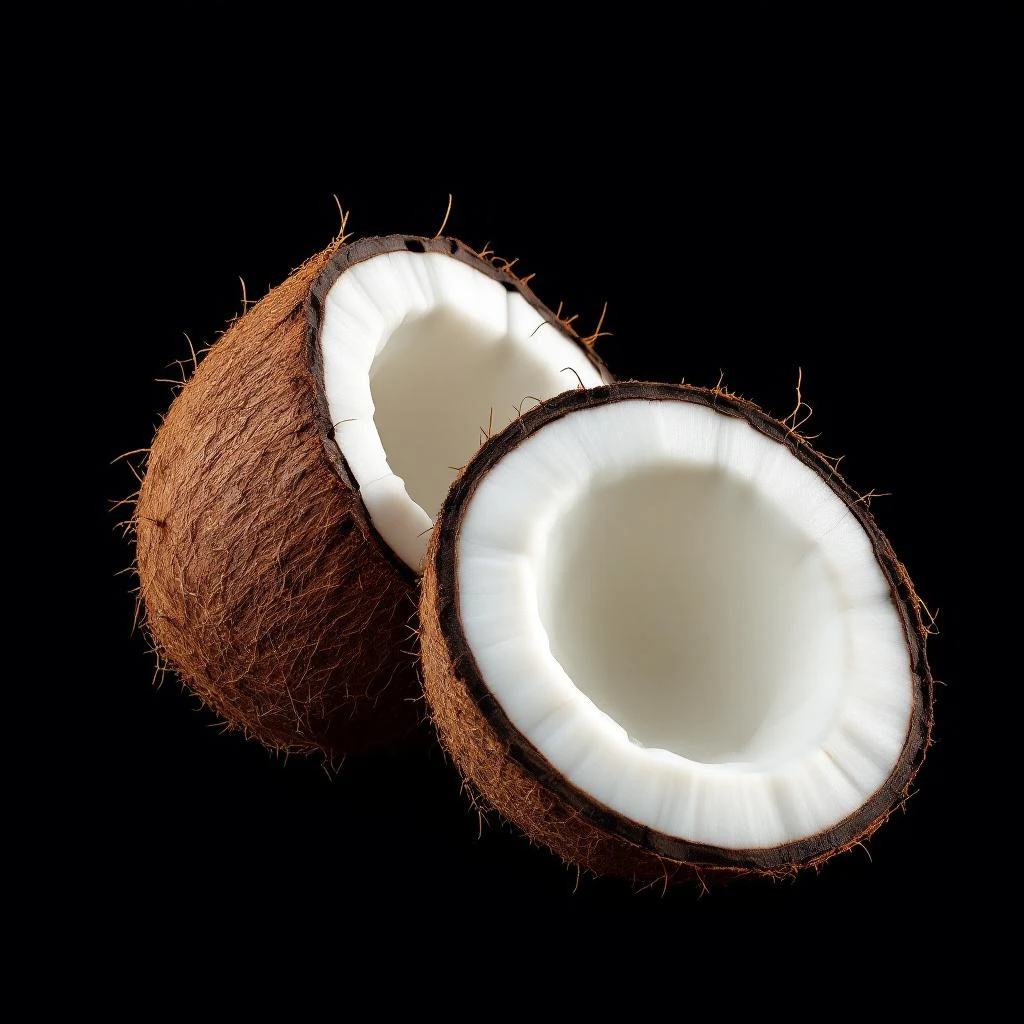
Banana Peel
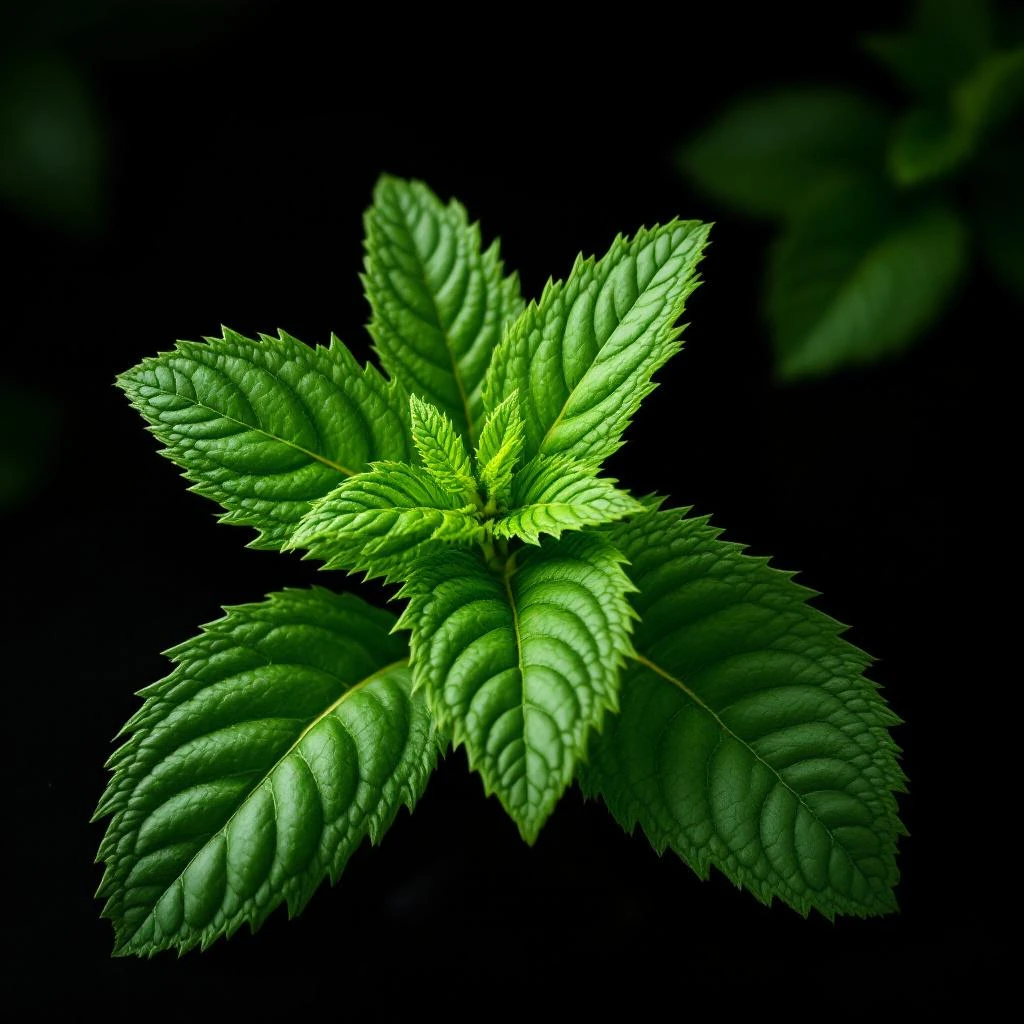
The humble banana peel carries a surprisingly complex scent: green, fruity, and faintly animalic. When extracted properly, this agricultural byproduct becomes a sustainable fragrance material with real depth.
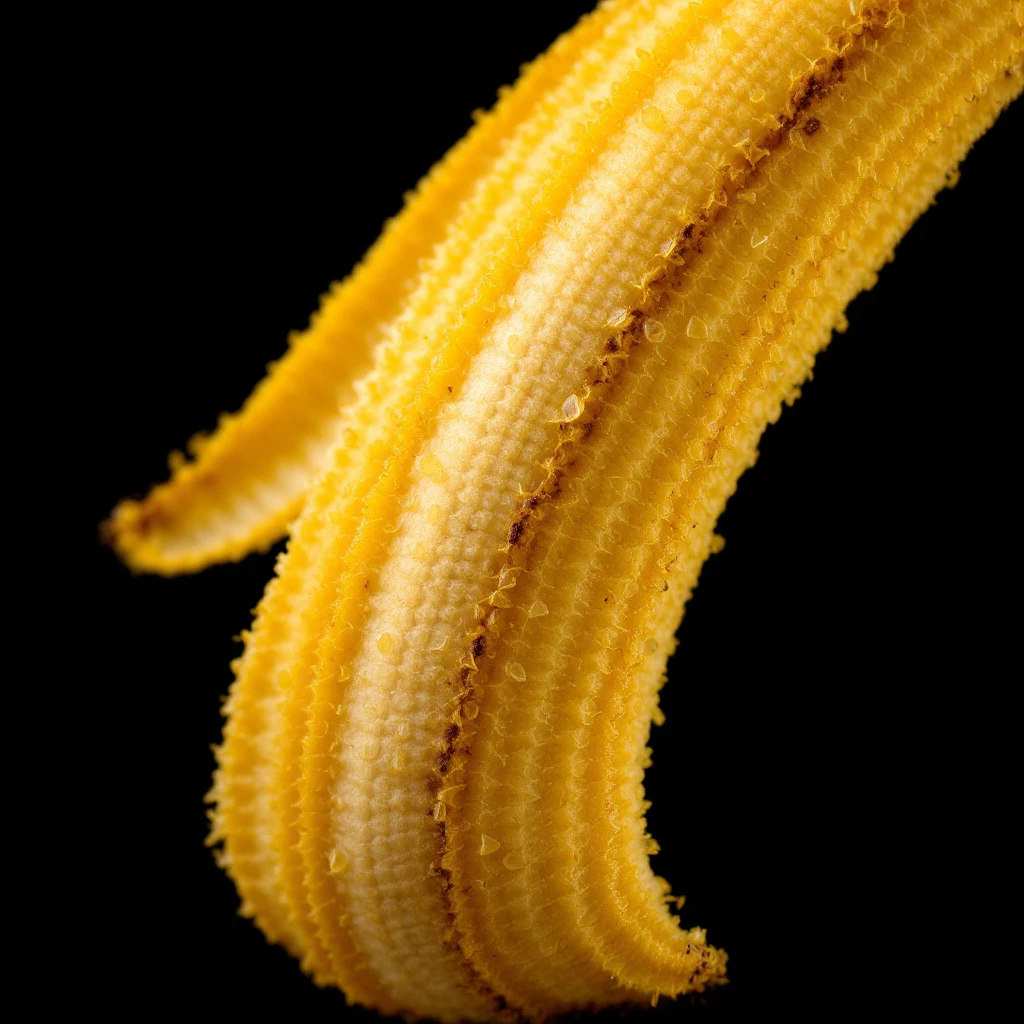
Character
How it smells
From kitchen scrap to perfumer's treasure
The same compound that gives banana peel its characteristic scent, isoamyl acetate, also creates artificial banana flavor in candy.


Origin
Southeast Asia
Bananas rank among humanity's oldest cultivated fruits, domesticated around 8,000 years ago in the Malesian region of Southeast Asia. Ancient cultures used every part of the plant, though peels were primarily valued as livestock feed rather than fragrance material. The perception of banana peel as waste has shifted dramatically in recent decades.
Academic research now highlights its potential as a source of high-value aromatic compounds, with studies from institutions exploring Lakatan and silver banana varieties specifically for fragrance applications. This represents a significant reversal in how we value agricultural byproduct. The contemporary interest in sustainable fragrance ingredients has accelerated research into banana peel extraction.
Scientists document its phenolic compounds and aromatic profile, positioning it as an eco-conscious alternative to synthetic aroma chemicals.
Wears it best
Fragrances featuring Banana Peel
Brands
Brands known for Banana Peel
Good to know
Questions, answered
The essentials on Banana Peel in perfumery: how it smells, where it comes from, and how it behaves on skin.
What does banana peel smell like in perfume?
Banana peel delivers a green, fruity aroma with faint animalic undertones. The dominant compound, isoamyl acetate, creates the characteristic scent recognizable in both the fresh material and fragrance applications.
Is banana peel used in natural or synthetic perfumery?
Banana peel extract functions as a natural material derived from agricultural waste. Extractions capture authentic aromatic compounds rather than relying on synthetically reproduced isoamyl acetate.
Why is banana peel considered a sustainable ingredient?
Billions of tons of banana peels become waste annually after fruit harvest. Extracting their aromatic compounds transforms this byproduct into a functional perfumery material.
Which banana varieties produce the best fragrance extract?
Lakatan and silver banana varieties show strong potential for fragrance extraction, according to published academic research on sustainable perfume production.
How is banana peel extract produced?
Producers collect peels, dry them, and use solvent extraction to isolate aromatic compounds. The process captures volatile molecules including isoamyl acetate, the primary scent compound.
What compounds make up banana peel's scent profile?
Isoamyl acetate dominates the aromatic profile, contributing the characteristic banana note. Phenolic compounds and additional esters create the green, fruity complexity perfumers value.
Where do banana peels used in perfumery originate?
Major production regions include India, the Philippines, Ecuador, and Brazil, which are among the world's leading banana cultivators and generate substantial peel volumes.
Can banana peel extract replace synthetic banana notes?
Banana peel extract offers a more complex, natural alternative to single-molecule synthetic banana fragrance. The extraction preserves nuanced aromatic qualities that isolated compounds cannot fully replicate.