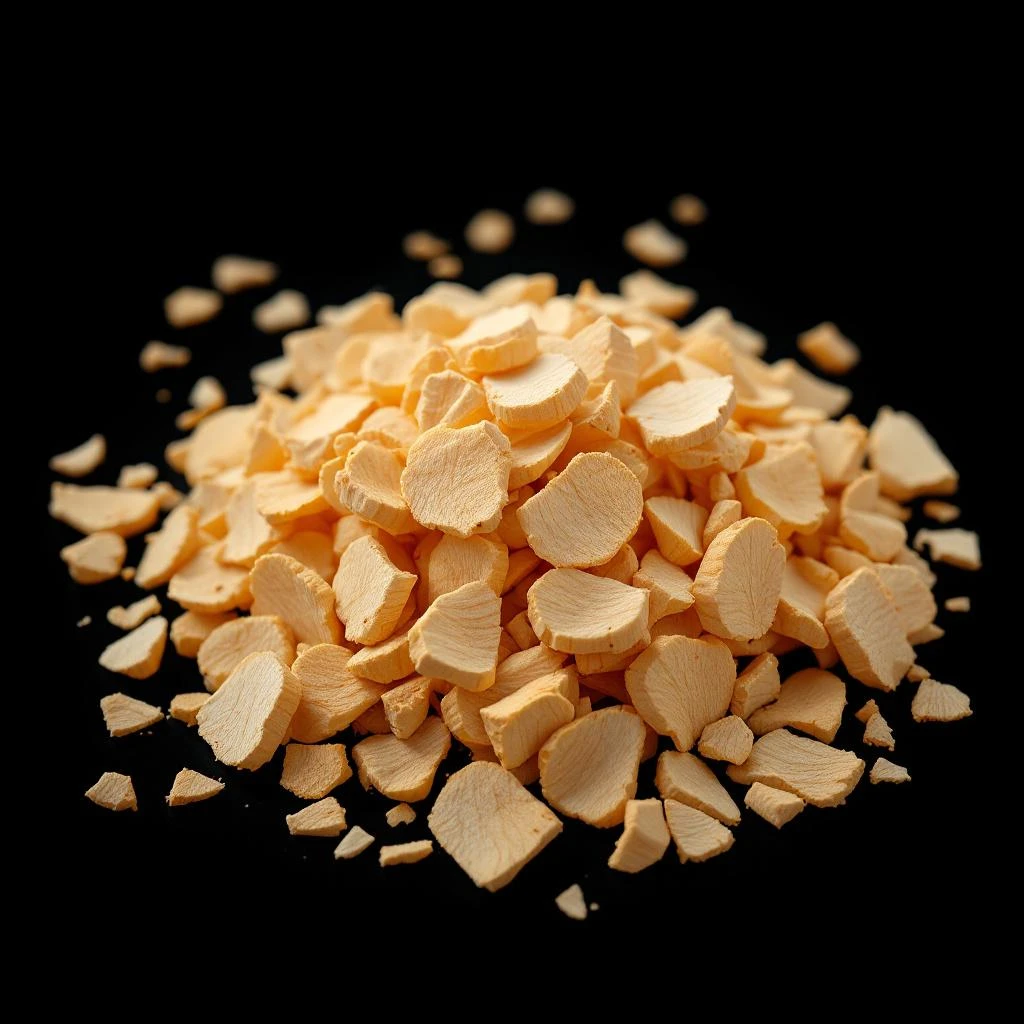
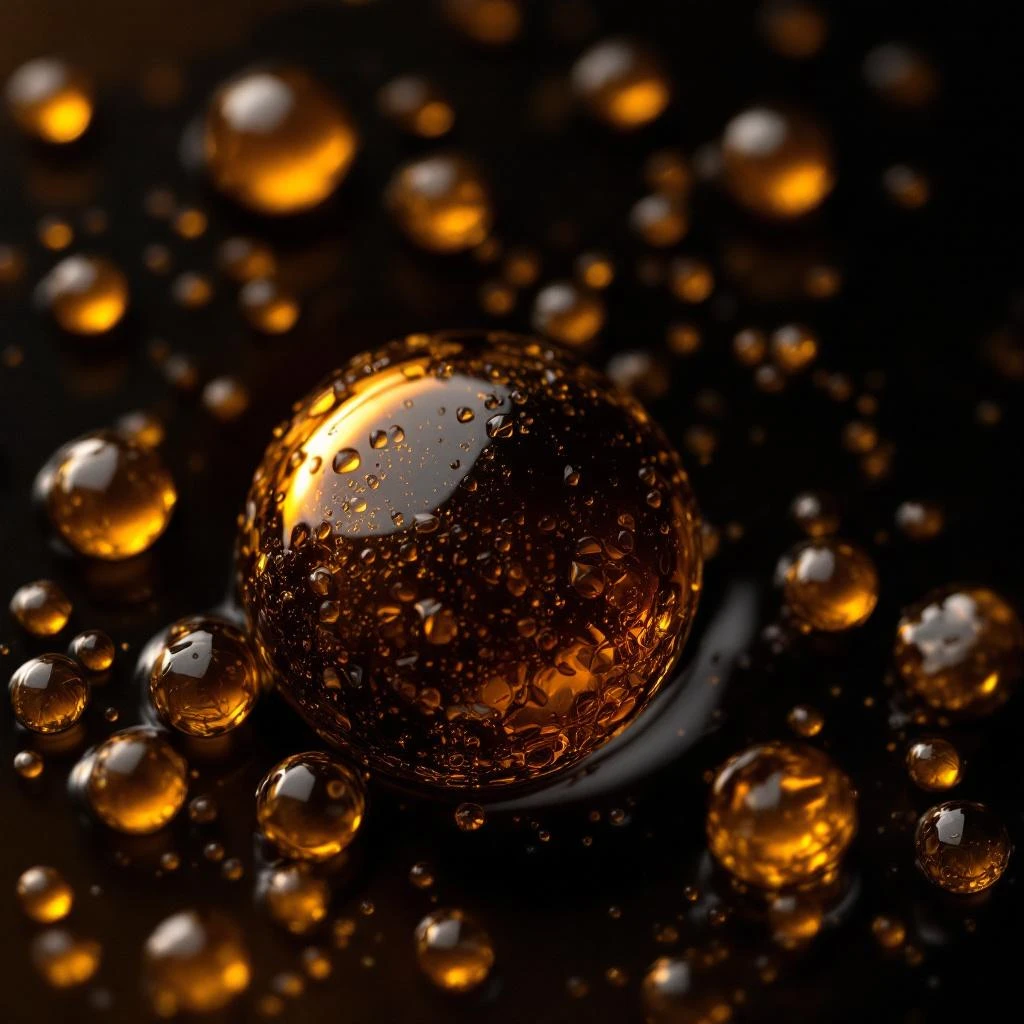
Balsamic Base
Balsamic base notes form the warm, resinous foundation of countless fragrances. Discover the ancient tree saps and aromatic balsams that perfumers have prized for centuries as fixatives and depth creators.
Character
How it smells
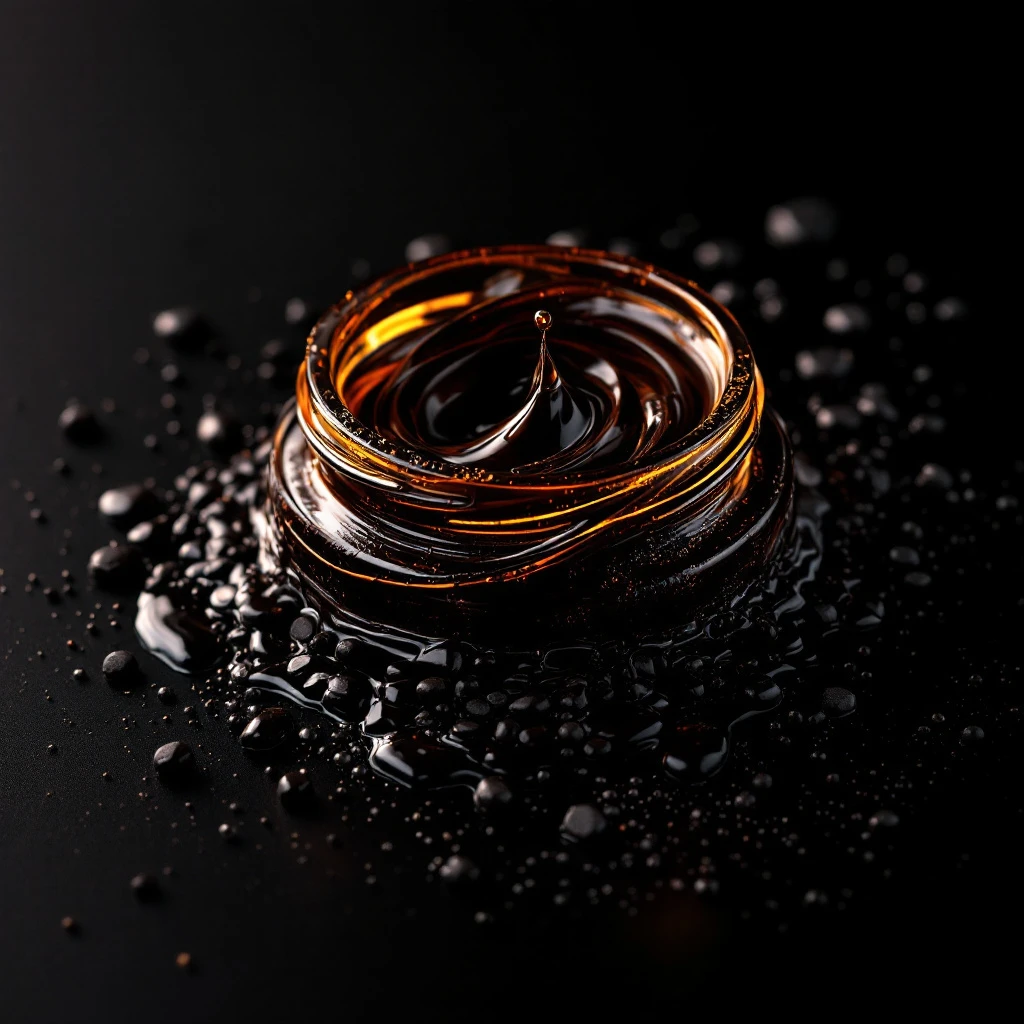
Warm, resinous, and deeply grounding.
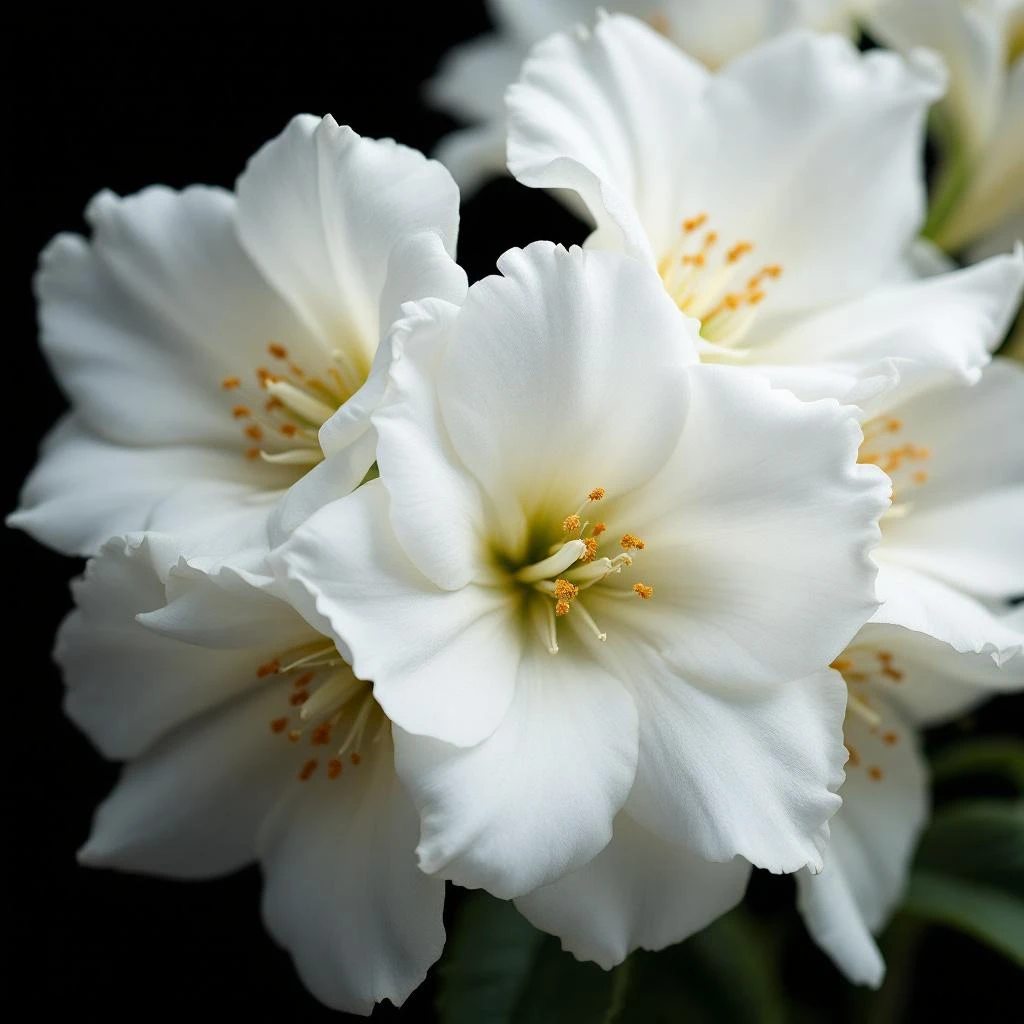
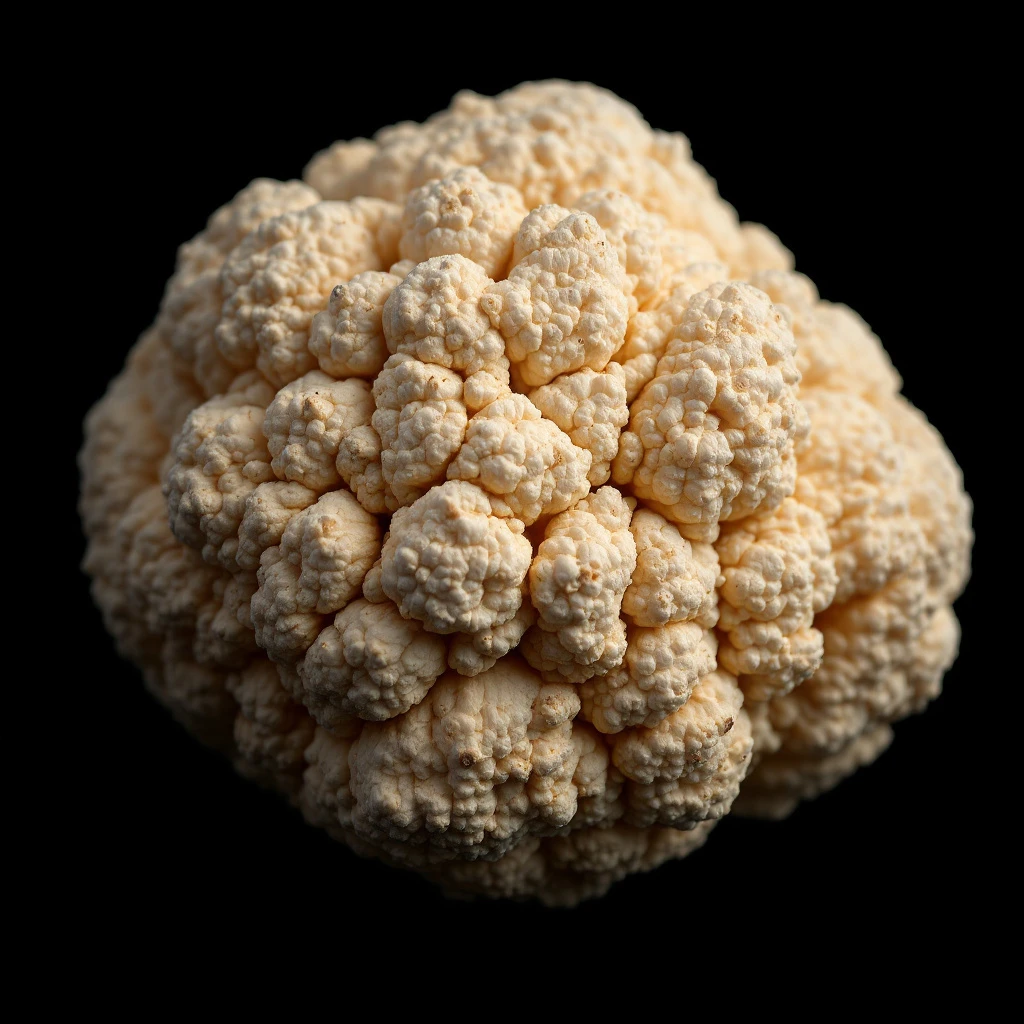
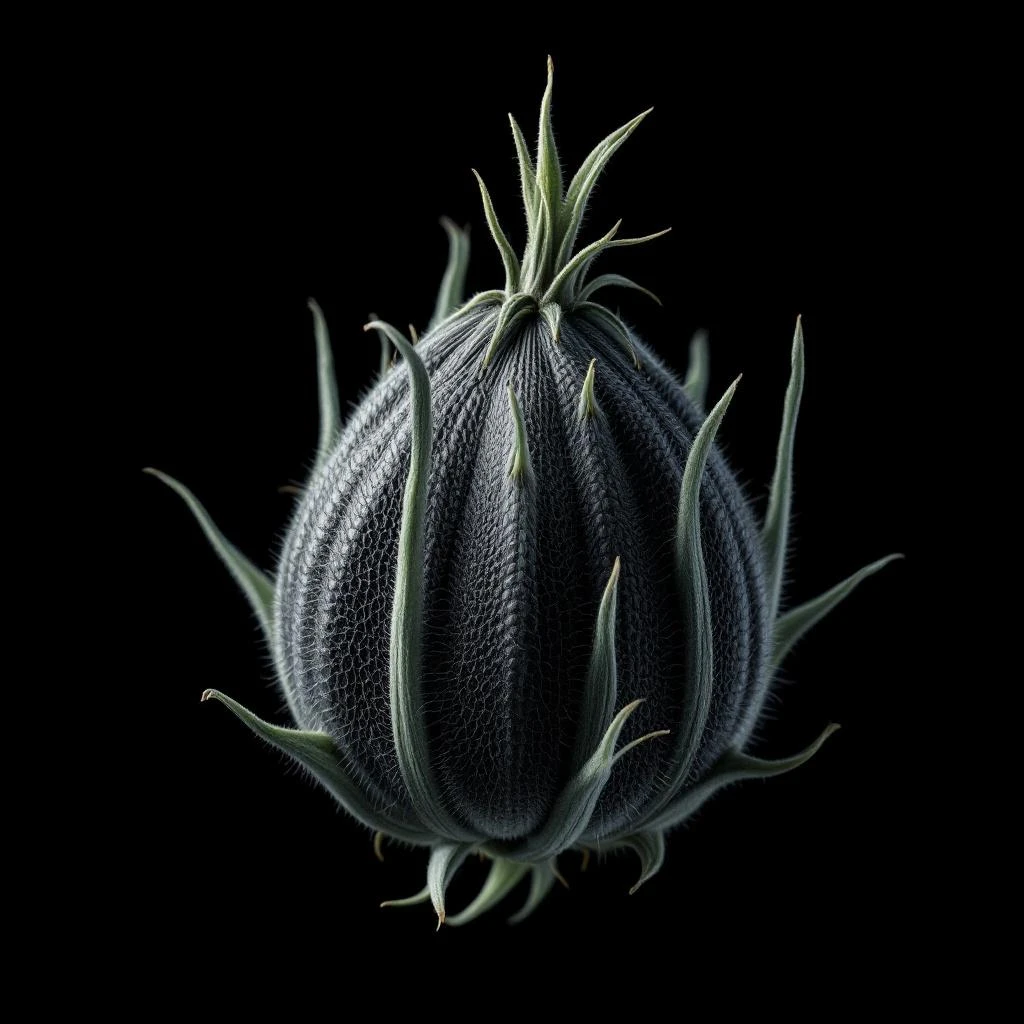
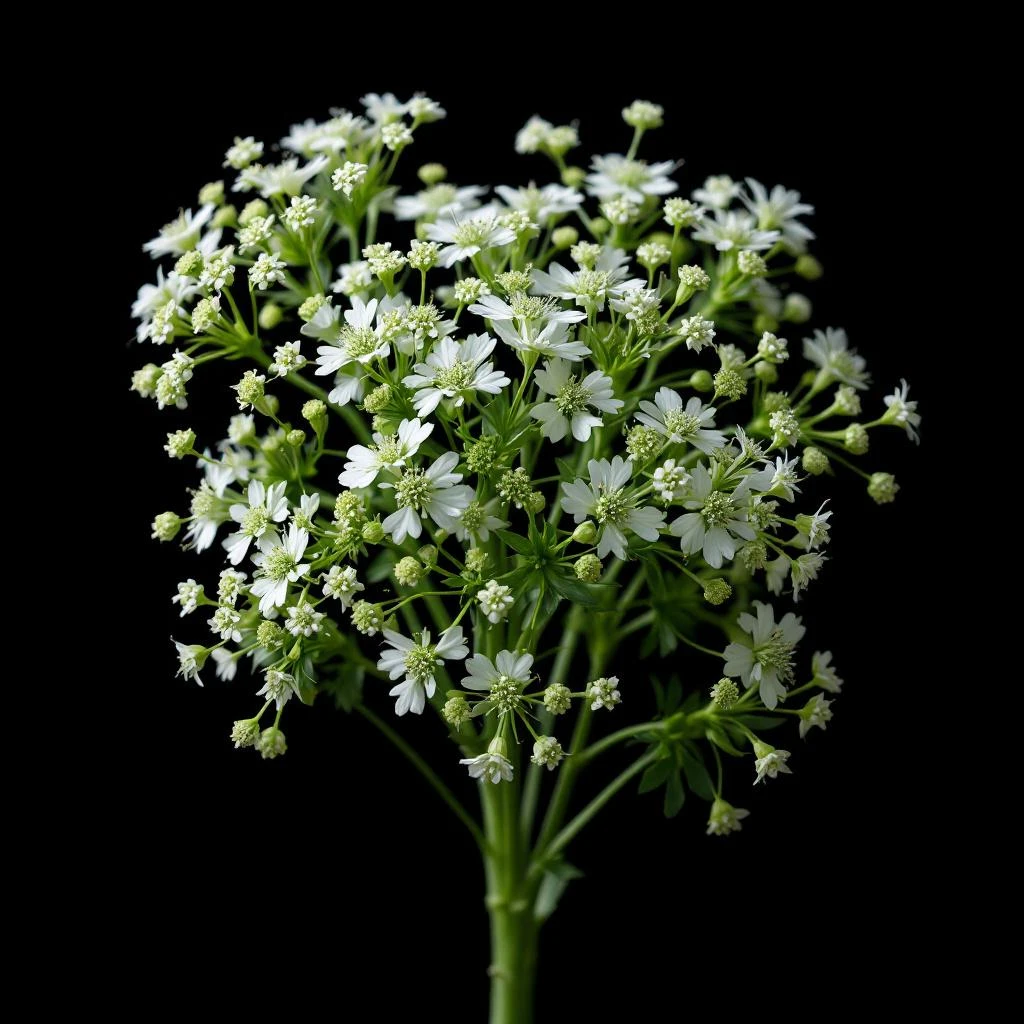
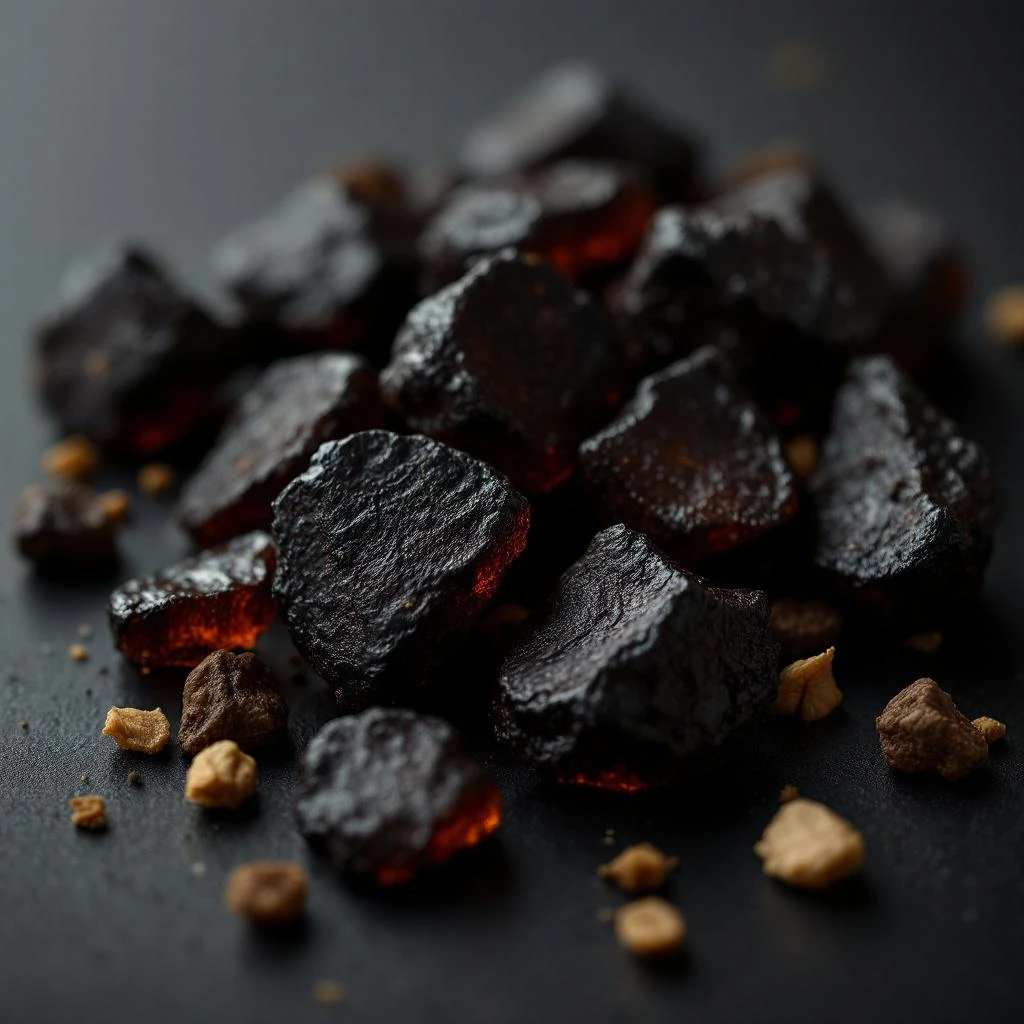
Peru Balsam harvesters make small cuts in the tree bark and collect the thick, dark resin that oozes out over several months.

Origin
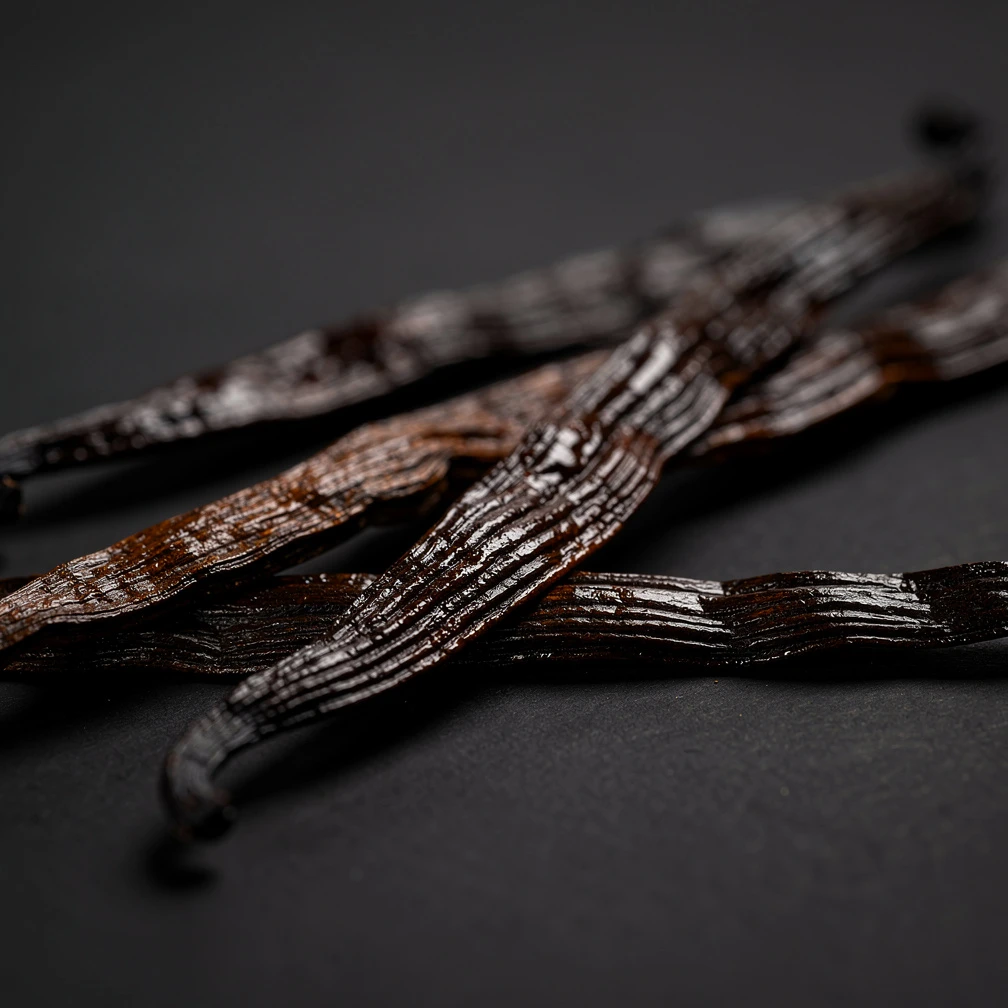
El Salvador
Ancient Egyptians burned resinous balsams during religious ceremonies, and Roman physicians administered these materials for wound care and respiratory ailments. Mediterranean traders transported them along established routes for centuries. By the Renaissance, perfumers in France and Italy began incorporating balsamic ingredients as fixatives to extend fragrance longevity on skin.
The 19th century brought systematic cultivation, particularly in Central America where Peru Balsam trees grew wild. Harvesters developed specialized tapping techniques passed through generations. Modern analytical chemistry identified the key aromatic compounds in these materials, including benzoic acid and vanillin, enabling both natural harvesting and responsible synthetic alternatives.
Today, balsamic base notes remain essential tools in perfumer palettes, valued for their warmth, depth, and exceptional fixative properties.
Wears it best
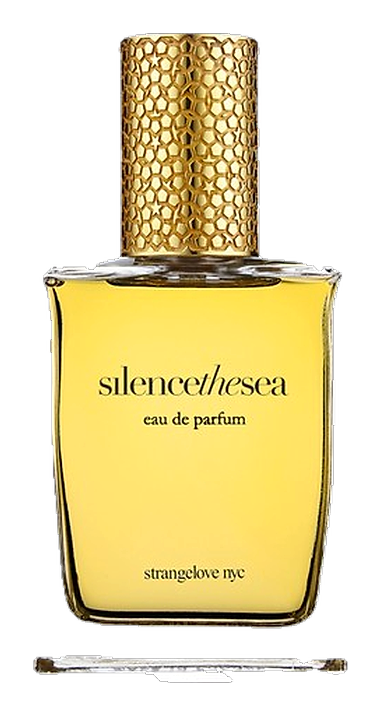
Fragrances featuring Balsamic Base
Brands
Brands known for Balsamic Base
Good to know
Questions, answered
The essentials on Balsamic Base in perfumery: how it smells, where it comes from, and how it behaves on skin.
What makes an ingredient balsamic in perfumery?
Balsamic describes warm, sweet, and resinous aromatic materials derived from tree saps and aromatic resins. These ingredients share a characteristic depth and sweetness reminiscent of aged vinegar, creating rich, enveloping base notes in fragrances.
What does a balsamic base note smell like?
Balsamic base notes deliver warmth, sweetness, and resinous depth with occasional vanilla or smokey undertones. Peru Balsam offers a caramel-vanilla warmth, benzoin provides a sweet storax character, and myrrh contributes dry, slightly medicinal resinousness.
Why do perfumers use balsamic ingredients as base notes?
Balsamic materials excel as fixatives because their molecular structures evaporate slowly, anchoring lighter fragrance elements to the skin. They also provide essential warmth and depth that rounds out sharper top notes, creating fuller, more lasting fragrance experiences.
Which specific ingredients create balsamic notes in fragrances?
Common balsamic ingredients include Peru Balsam, Tolu Balsam, benzoin, myrrh, frankincense, styrax, and gurjan balsam. Each brings distinct nuances ranging from sweet vanilla-like warmth to dry, sacred resinousness, allowing perfumers to craft varied base note profiles.
Where does Peru Balsam originate?
Peru Balsam derives from the Myroxylon balsamum tree native to El Salvador, where harvesters traditionally collect the resin by cutting the bark. The country remains the primary commercial source, and sustainable harvesting practices protect wild tree populations.
Are balsamic fragrance ingredients safe for skin use?
Most balsamic ingredients are approved for cosmetic use within recommended concentration limits. Peru Balsam and benzoin may cause sensitization in some individuals, so fragrance formulations follow IFRA guidelines that specify maximum safe usage levels for each material.
How can I recognize balsamic notes when testing a fragrance?
Apply fragrance to skin and observe the drydown phase approximately 30 to 60 minutes after application. Balsamic base notes emerge as the initial bright notes fade, revealing warm, resinous depth with lingering sweetness that often persists for several hours.
What is the historical significance of balsamic ingredients in perfumery?
Ancient civilizations used balsamic resins in religious ceremonies and medicinal preparations long before modern perfumery existed. By the Renaissance, European perfumers adopted these materials as fixatives. Their enduring popularity stems from millennia of continuous use and their irreplaceable olfactory contribution.