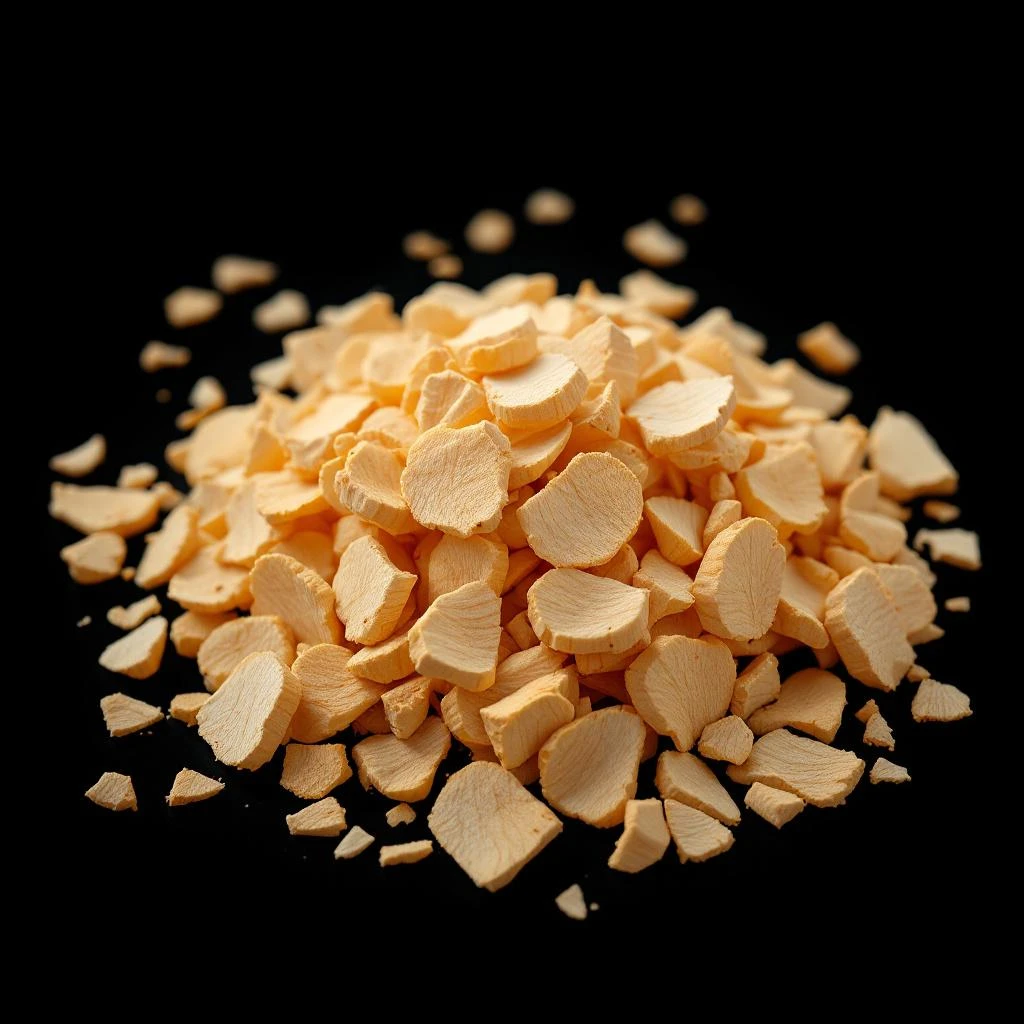
Balm Of Gilead
A legendary resin once worth twice its weight in gold, Balm of Gilead commands mythic status in perfumery history. This ancient ingredient bridges biblical texts and modern fragrance creation, offering complex balsamic warmth that few alive have truly experienced.
Character
How it smells
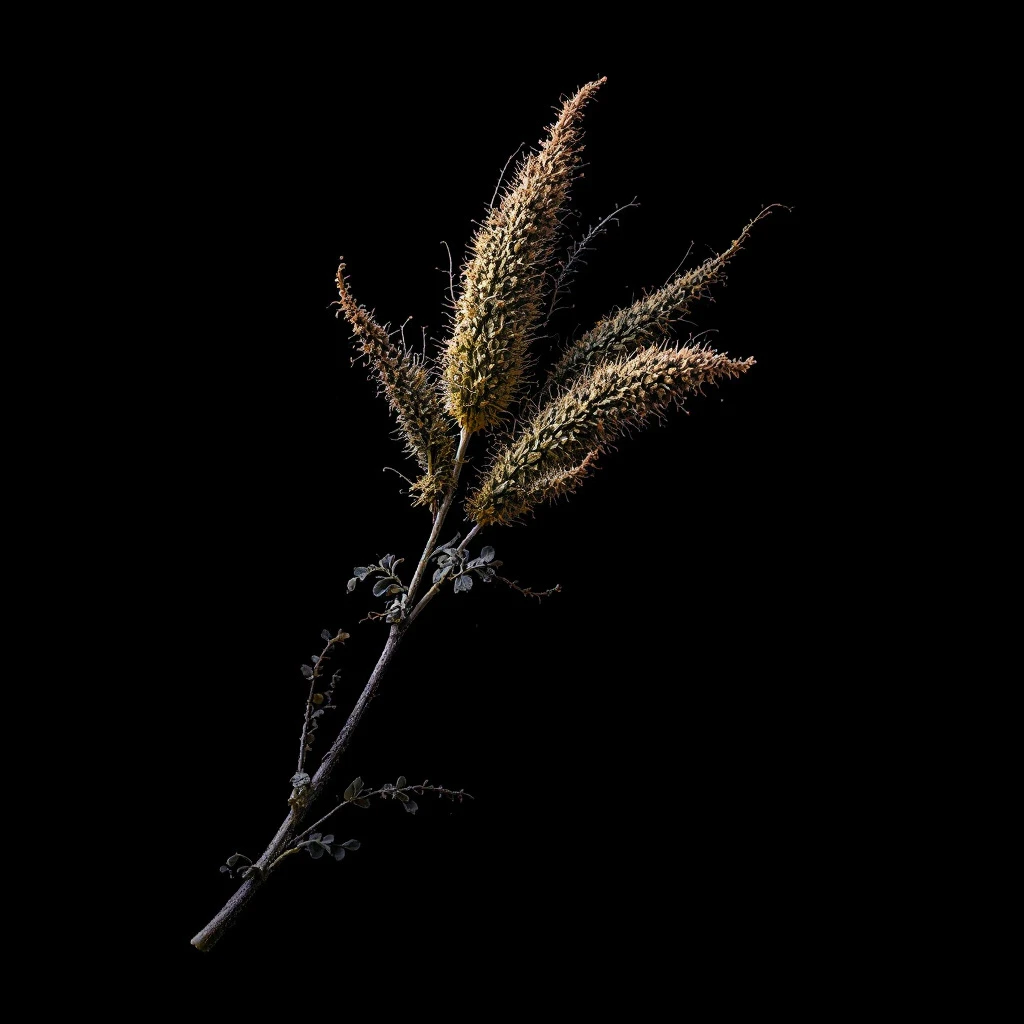
Sacred resin worth its weight in gold across a millennium.
During the Middle Ages, traders sold this resin at twice its weight in gold.



Origin
Jordan
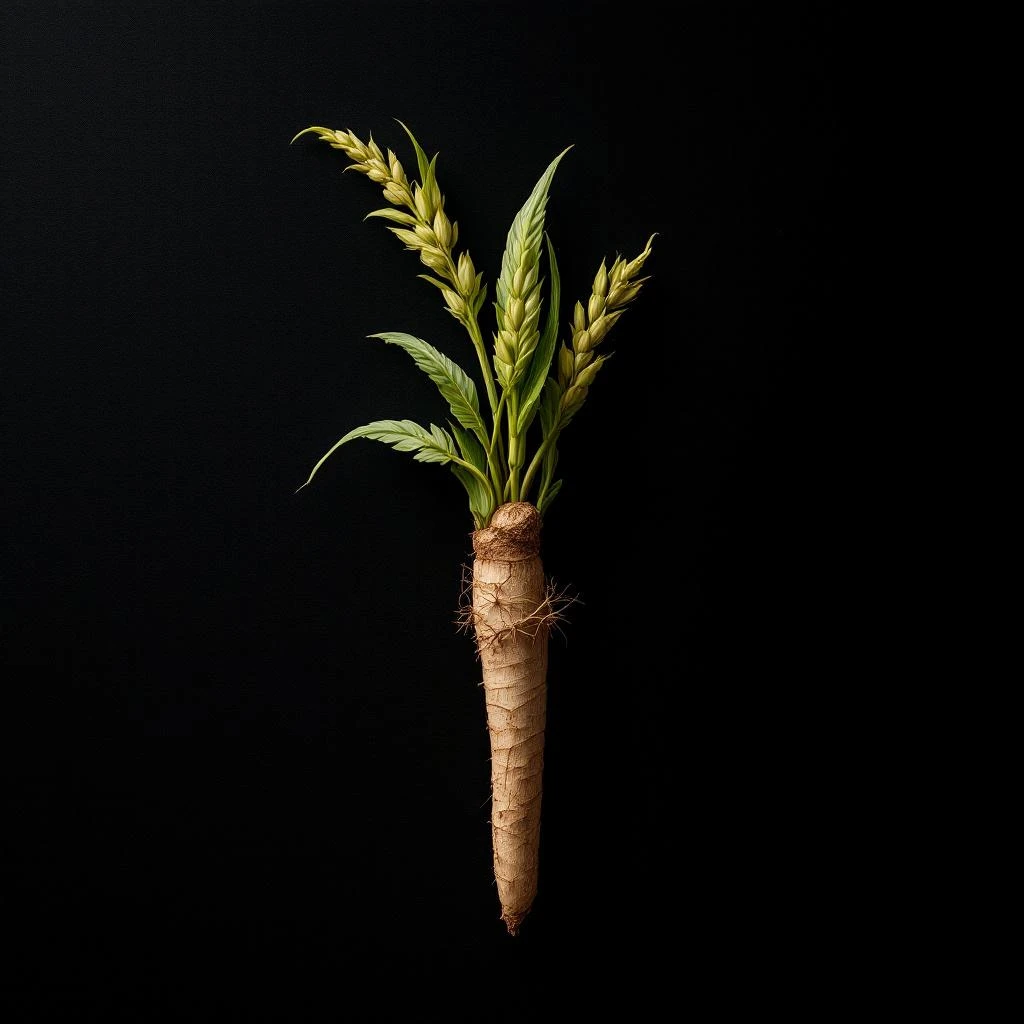
The Balm of Gilead appears in Genesis, celebrated as a healing substance from the ancient region of Gilead, spanning modern Jordan and Palestine. Jewish historian Josephus records that King Solomon received this precious resin as a tribute from the Queen of Sheba.
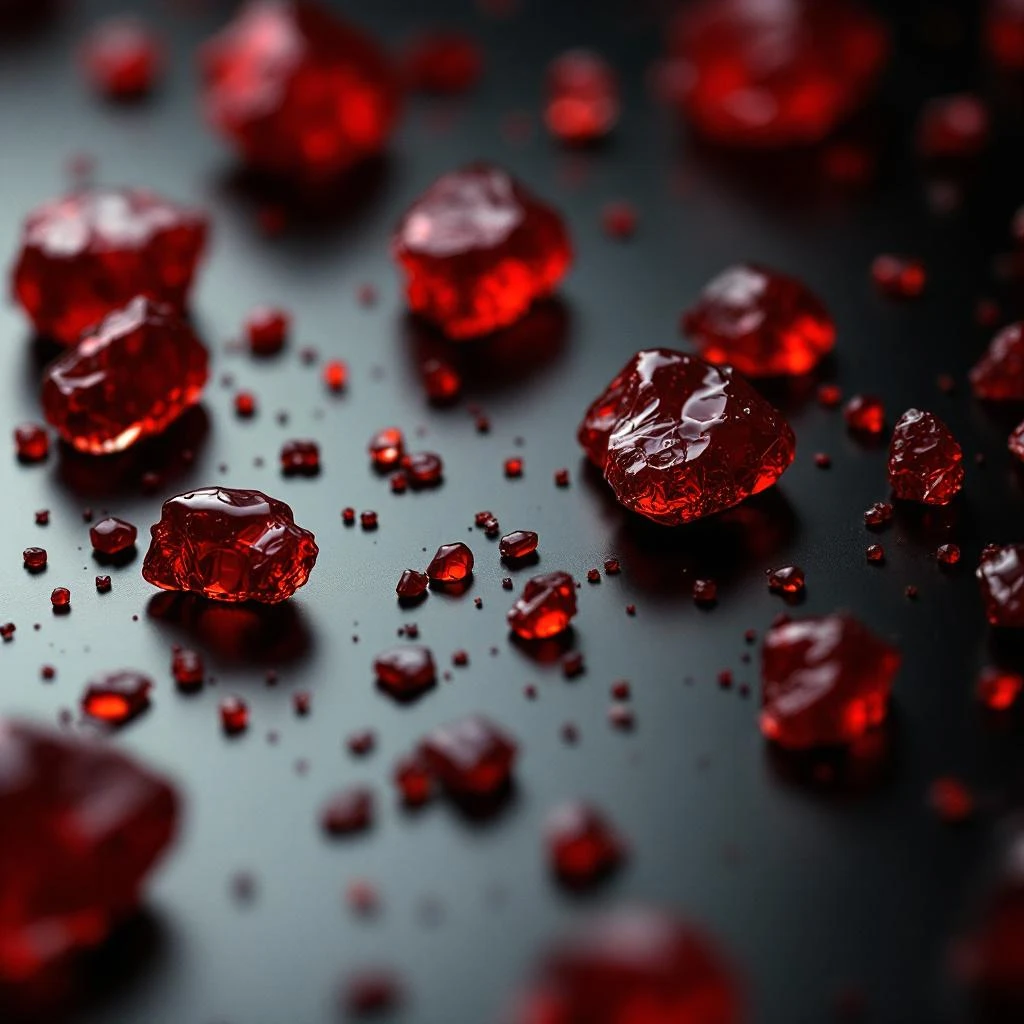
Roman and Byzantine traders prized it so highly that it sold at twice its weight in silver, then later gold, throughout antiquity. A dedicated farmers' guild maintained its production for over 1,000 years, making it one of perfumery's longest continuously cultivated ingredients.
The resin's reputation as a universal cure eventually entered common language, where "Balm of Gilead" became synonymous with any soothing remedy. Today, botanists debate whether the original was Pistacia lentiscus or Commiphora gileadensis, but both carry forward this legendary heritage.
Wears it best
Fragrances featuring Balm Of Gilead
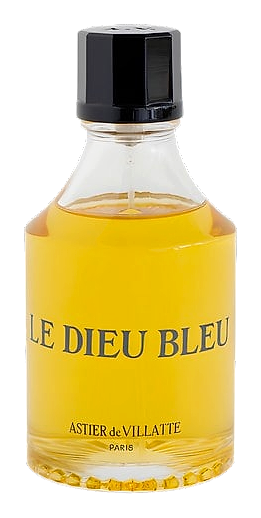
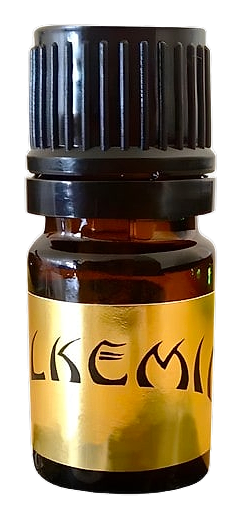
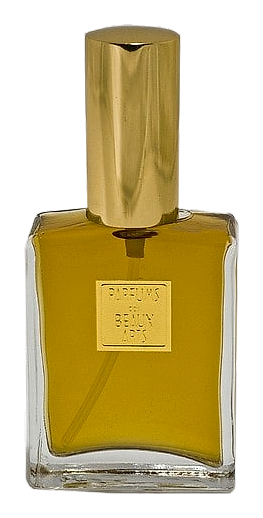
Brands
Brands known for Balm Of Gilead
Good to know
Questions, answered
The essentials on Balm Of Gilead in perfumery: how it smells, where it comes from, and how it behaves on skin.
What exactly is Balm of Gilead in modern perfumery?
Modern Balm of Gilead typically refers to resin from Pistacia lentiscus or essential oil from Commiphora gileadensis. The original biblical ingredient remains debated among botanists, but both sources offer rare balsamic character rare in contemporary fragrances.
Why was Balm of Gilead so expensive historically?
During the Middle Ages, this resin sold at twice its weight in gold. Its rarity stemmed from careful hand-harvesting requirements and a cultivation guild that maintained production traditions for over 1,000 years.
Where does the "Balm of Gilead" name originate?
The name traces to the ancient Gilead region in the Levant, now spanning Jordan and Palestine. Ancient texts from the Old Testament and Torah reference this resin as a healing substance, establishing its legendary reputation.
What does Balm of Gilead smell like?
The resin from Pistacia lentiscus offers fresh, green-balsamic warmth with subtle pine and cedar undertones. Commiphora gileadensis oil presents deeper myrrh-like warmth with earthy, slightly medicinal complexity.
Is the original Balm of Gilead still available?
The exact original preparation is largely lost. Pistacia lentiscus resin from Chios, Greece, represents the closest surviving material, while Commiphora gileadensis remains rare and poorly documented in trade.
Was Balm of Gilead used for medicine historically?
Ancient sources describe it as a cure-all salve for wounds, skin conditions, and spiritual purification. This "healing" reputation became so established that the phrase entered common language for any soothing remedy.
What happened to the ancient cultivation guild?
The farmers' guild maintaining Balm of Gilead production survived over 1,000 years before disappearing. Political upheaval in the region and changing trade routes likely contributed to its decline.
Is Balm of Gilead safe to use in fragrances today?
When properly identified and sourced, both Pistacia lentiscus resin and Commiphora gileadensis oil meet modern IFRA standards for fragrance use. Always verify botanical source and supplier documentation.