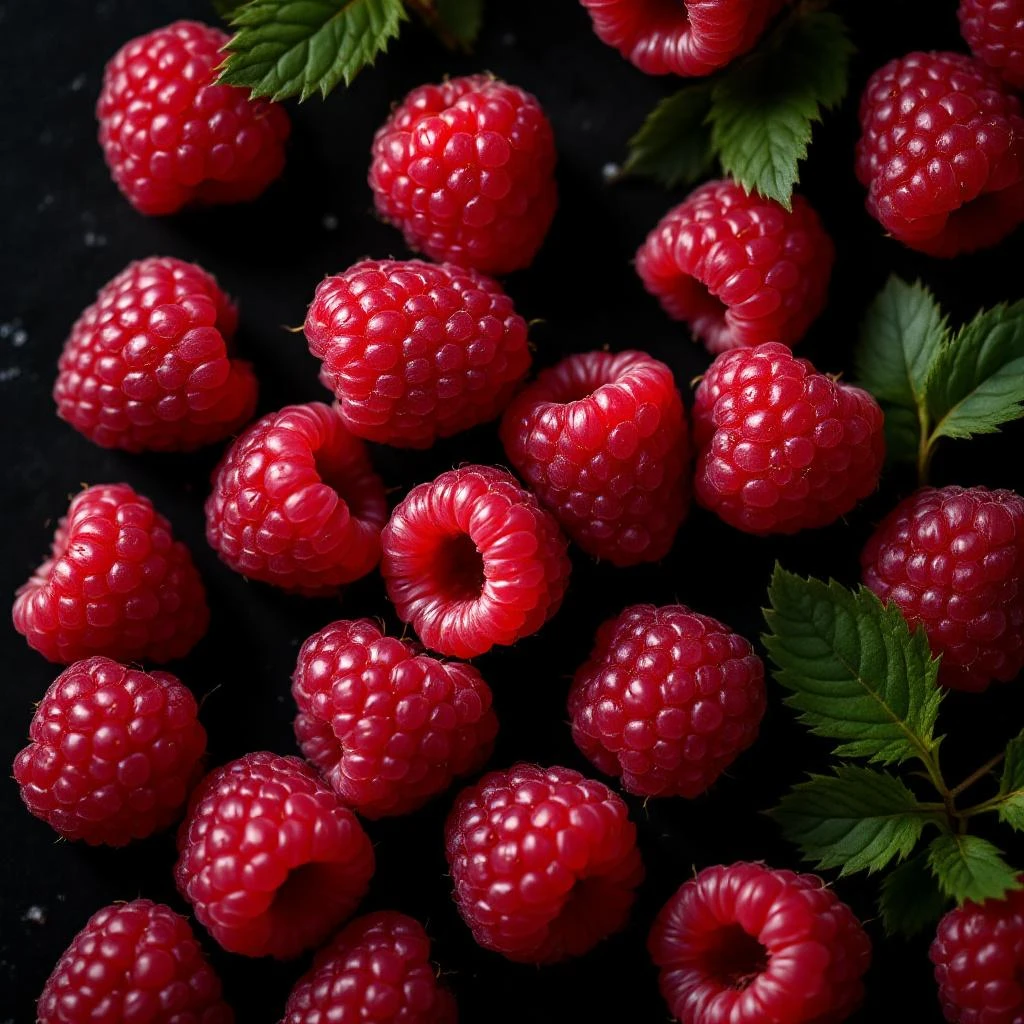
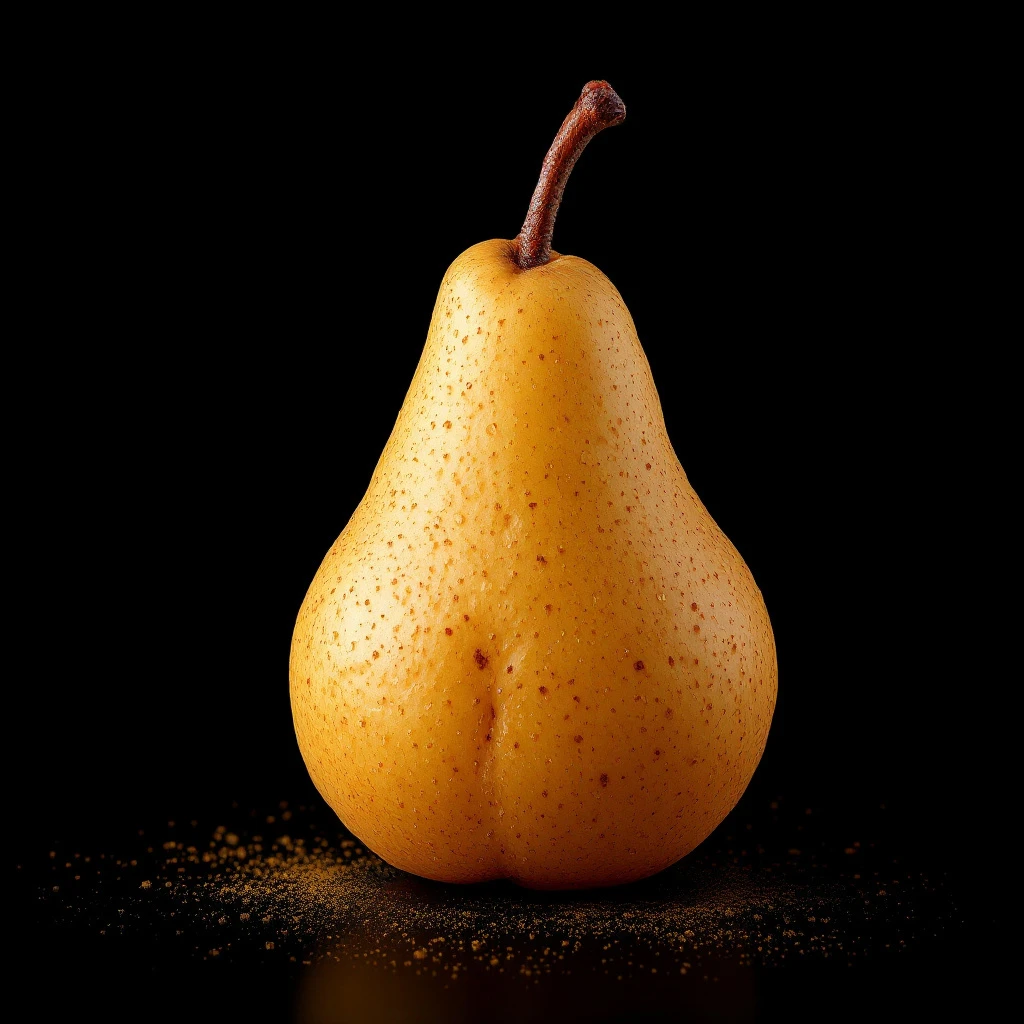
Baked Pear
A warm, caramelized fruit note that captures the sweet depth of pear slow-roasted with brown sugar, vanilla, and a hint of spice. The baked interpretation transforms fresh orchard brightness into cozy, edible warmth.
Character
How it smells
Orchard warmth, oven-baked.
The baked pear note emerged in the 1990s when perfumers began reverse-engineering the chemistry of caramelized and Maillard-reacted fruit.



Origin
France
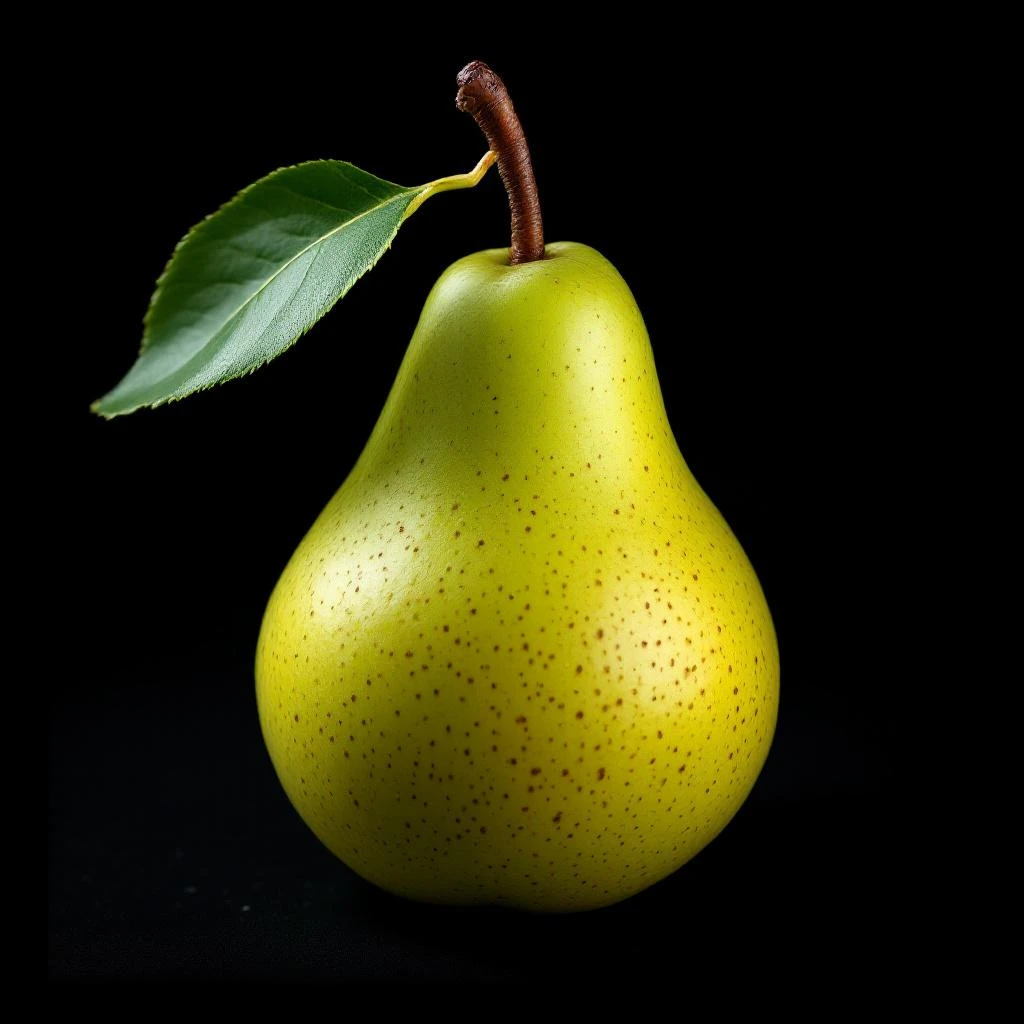
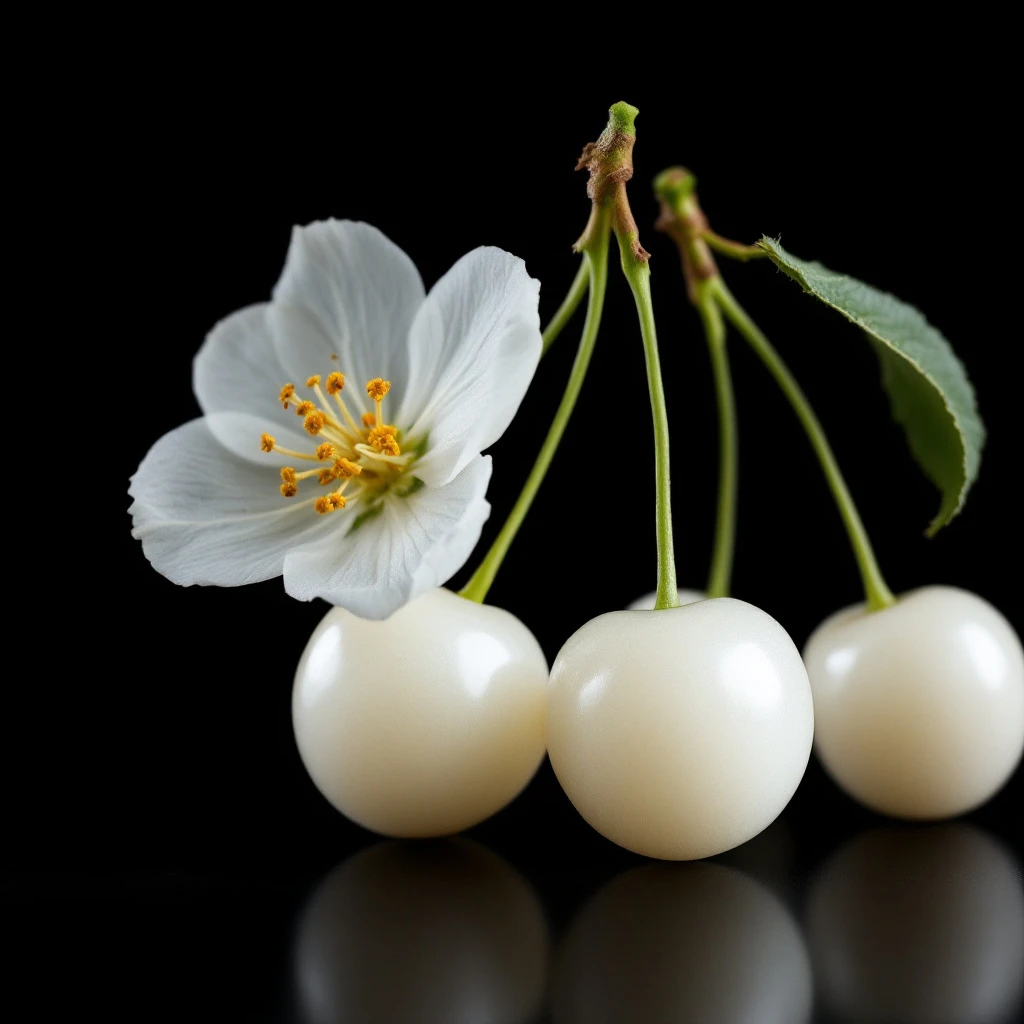
The common pear, Pyrus communis, originated in Western China and has been cultivated for thousands of years. Ancient texts mention pear cultivation across Persia and the Mediterranean, where the fruit held cultural and medicinal significance. However, the baked interpretation of pear in perfumery is a modern phenomenon.
For most of fragrance history, pear appeared only as a fresh, green note derived from natural fruit materials or early synthetics like isoamyl acetate. The baked variant emerged only when analytical chemistry allowed perfumers to understand precisely which compounds create the caramelized, Maillard-reacted character of cooked fruit. This understanding arrived in the late 20th century, and the baked pear note quickly became a staple in gourmand perfumery, appearing in everything from designer releases to niche creations.
Today it represents a distinctly modern approach: taking a classical fruit and transforming it through chemical artistry into something that evokes kitchens, autumn, and comfort.
Wears it best
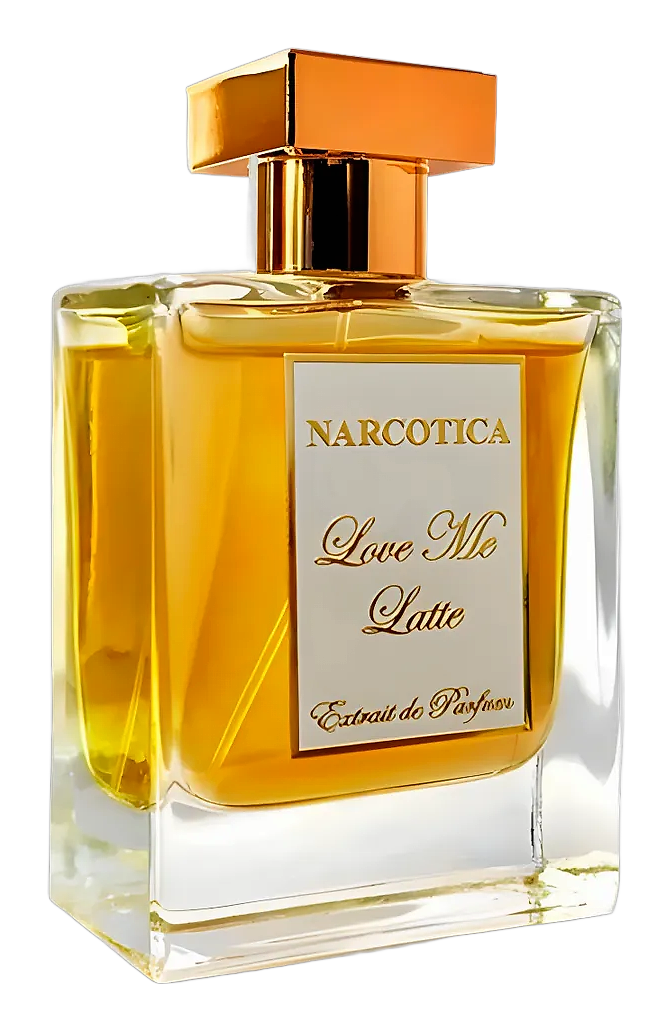
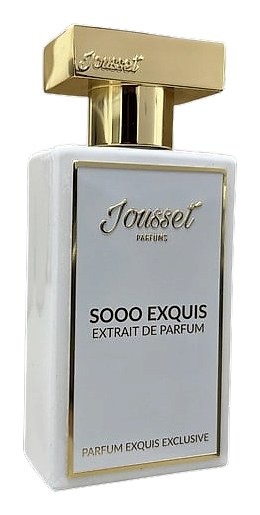
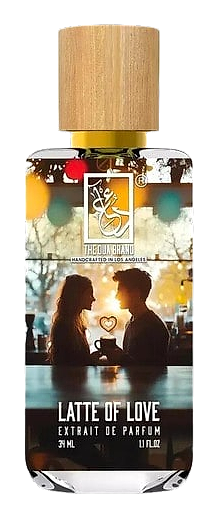
Fragrances featuring Baked Pear
Brands
Brands known for Baked Pear
Good to know
Questions, answered
The essentials on Baked Pear in perfumery: how it smells, where it comes from, and how it behaves on skin.
Is baked pear a natural or synthetic ingredient?
Baked pear is a synthetic reconstructed note. No natural extract captures the caramelized character of baked fruit. Perfumers blend aroma chemicals to achieve this effect.
How does baked pear differ from fresh pear in fragrance?
Fresh pear relies on green ester compounds like ethyl acetate. Baked pear layers those with vanillin, coumarin, and lactones to create warm, caramelized depth that evokes cooked fruit.
What does baked pear smell like?
Baked pear combines the sweetness of ripe pear with warm caramel, vanilla, and subtle spice. It reads as edible and comforting, like fruit compote or orchard-inspired desserts.
Does baked pear come from actual pears?
No. The fresh pear dimension uses synthetic aroma chemicals inspired by pear chemistry. The baked character comes from entirely different compounds designed to mimic cooked fruit.
When did the baked pear note first appear in perfumery?
The baked pear interpretation emerged in the 1990s as analytical chemistry allowed perfumers to understand the compounds created during fruit caramelization.
What fragrance families use baked pear?
Gourmand fragrances most commonly feature baked pear, but it also appears in warm florals, chypres, and autumn-themed woody compositions for its edible quality.
Is baked pear the same as candied or cooked pear?
Yes, in perfumery terminology. These terms describe the same warm, caramelized fruit character achieved through synthetic aroma chemistry rather than actual cooking.
Does baked pear smell more like dessert or fruit?
It bridges both. The pear foundation keeps it fruit-forward while the caramelized elements add dessert-like sweetness, making it versatile across fragrance styles.