White cherry
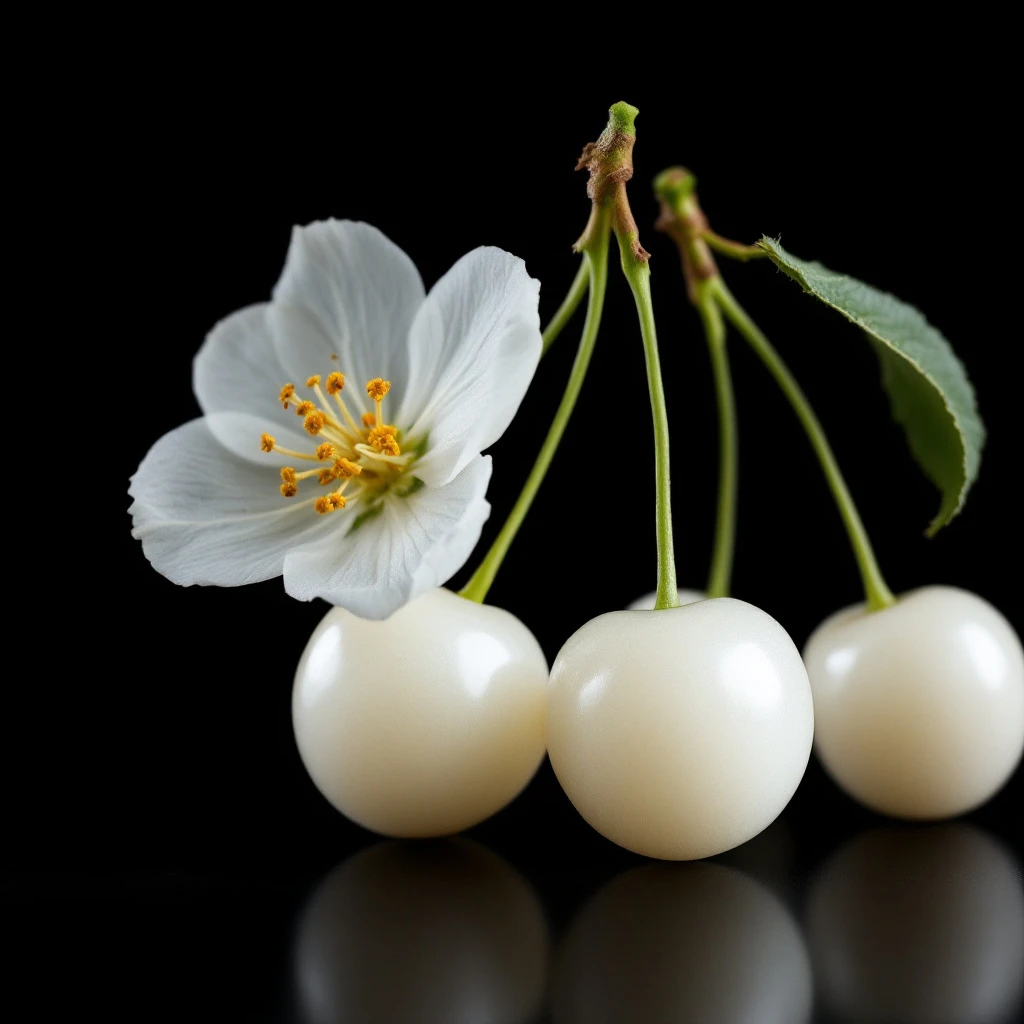
White cherry is a synthesized aromatic accord that captures the fleeting sweetness of ripe Prunus avium fruit. Instead of extracting scent from the cherry itself, perfumers construct the profile from aromatic molecules that mirror its delicate, honeyed character. The result is a clean, luminous sweetness that reads as both modern and nostalgic.
Character
How it smells
A luminous sweetness born from the perfumer's palette.
The cherry's signature almond note comes from benzaldehyde, the same compound that gives marzipan and bitter almonds their distinct aroma.







Origin
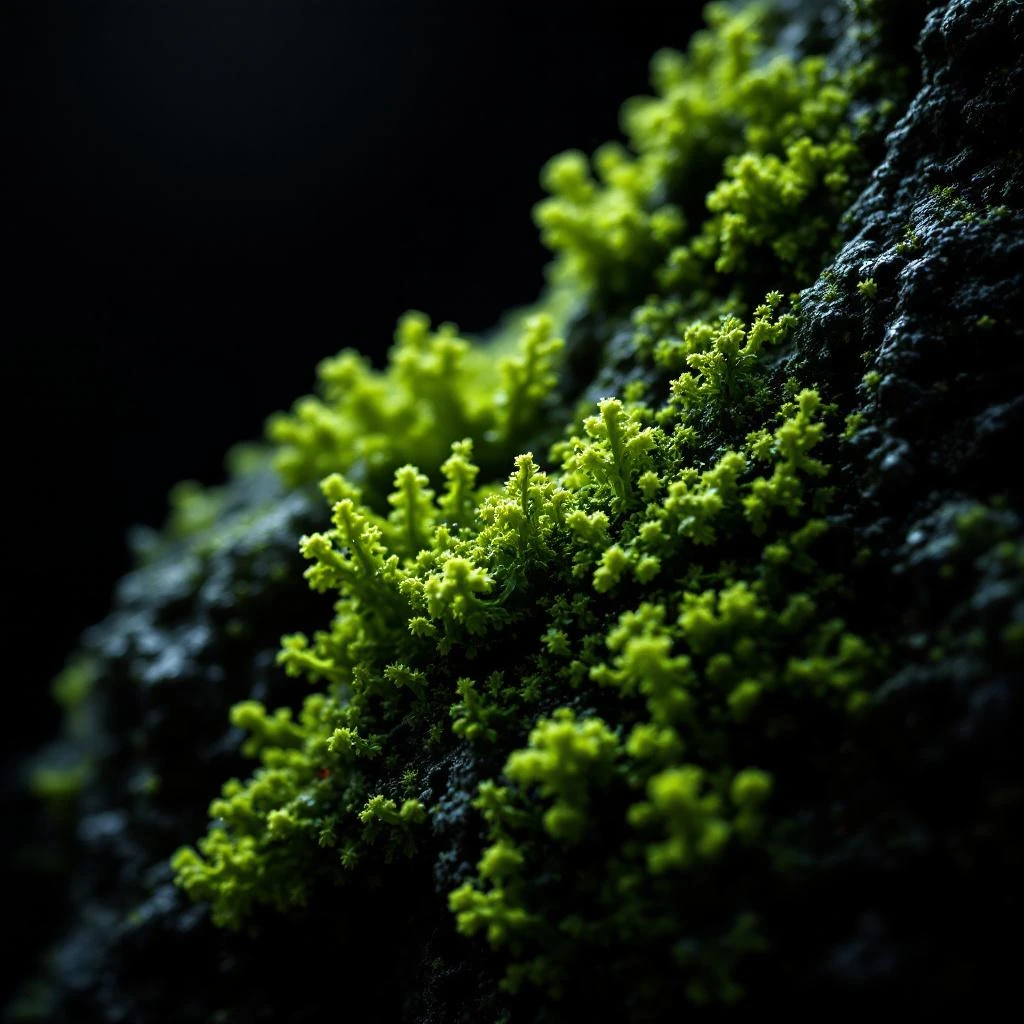
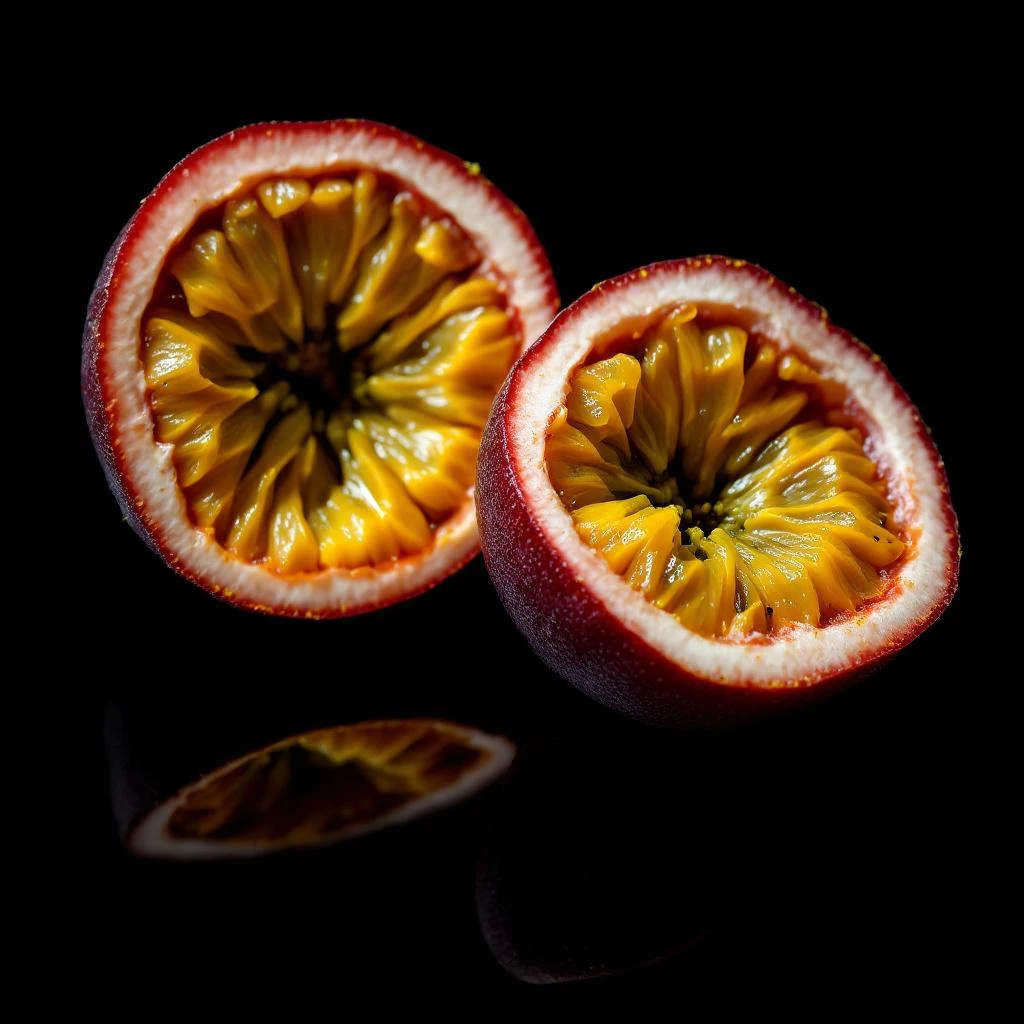
Laboratory derived
Cherries have been consumed and prized across Eurasia for thousands of years, but their journey into perfumery began only in the twentieth century. While perfumers had long worked with fruit-derived aromas through distillation and enfleurage, the cherry's delicate aromatic profile resisted reliable natural extraction. The real breakthrough came with the rise of aroma chemistry in the mid-1900s, when researchers learned to isolate and replicate individual molecules.
Benzaldehyde, identified as the primary aromatic component of bitter almonds, was found to evoke the cherry's characteristic scent when combined with fruity esters. Perfumers began constructing synthetic cherry accords in the 1970s and 1980s, initially for food flavoring and later for fine fragrance. White cherry specifically emerged as a distinct sub-category, emphasizing the lighter, honeyed qualities of sweet cherries over the tart, syrupy character of their darker cousins.
Today it appears across niche and designer lines as a way to add youthful, approachable sweetness without relying on natural fruit extracts.
Wears it best
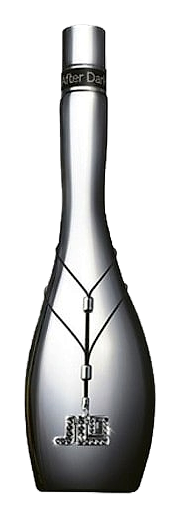
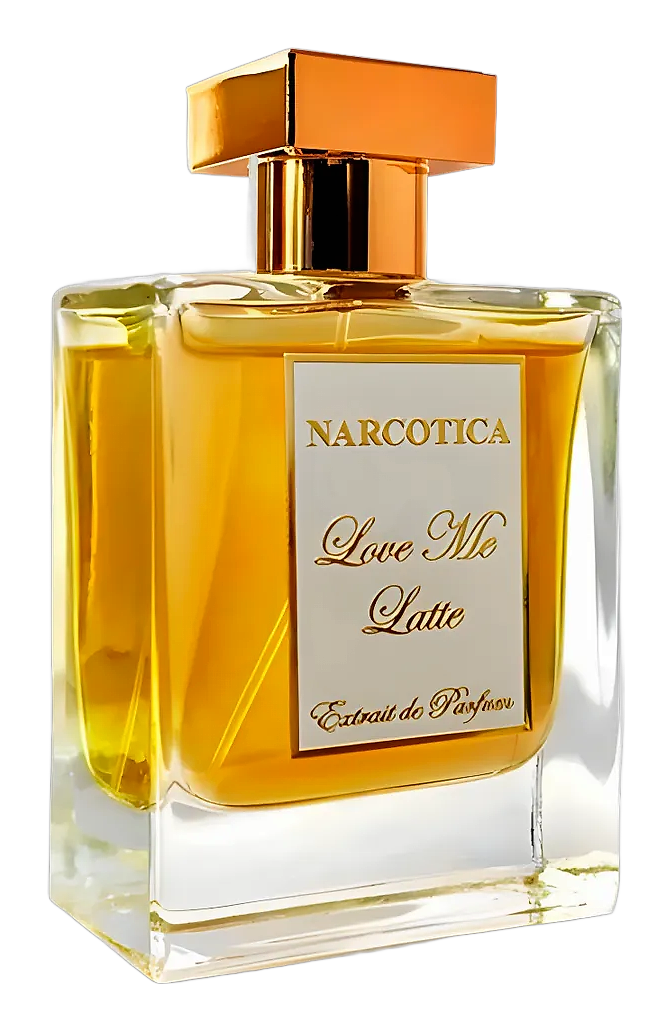
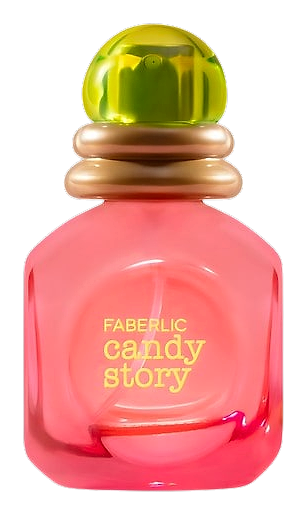
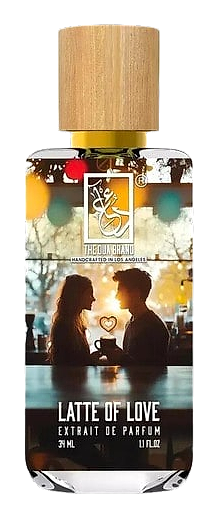
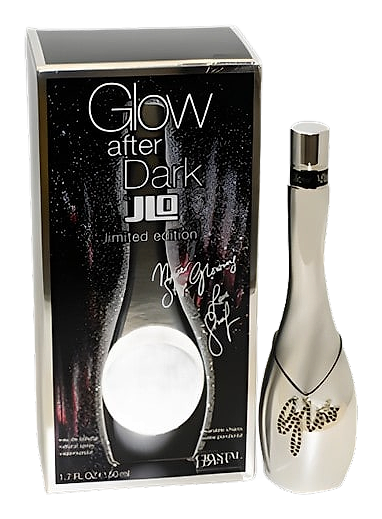
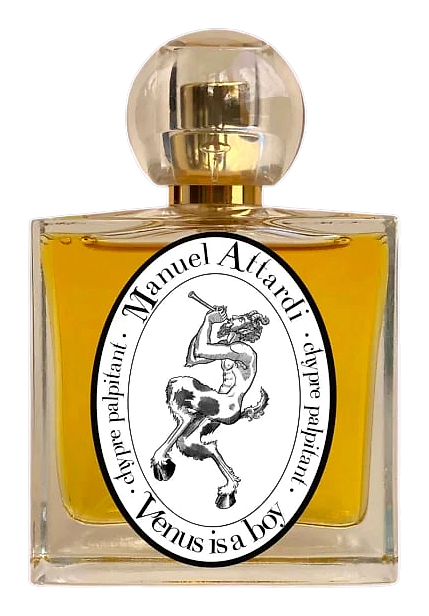
Fragrances featuring White cherry


Brands
Brands known for White cherry
Good to know
Questions, answered
The essentials on White cherry in perfumery: how it smells, where it comes from, and how it behaves on skin.
What does white cherry smell like in perfume?
White cherry reads as sweet, slightly tart, and softly nutty. It blends ripe fruitiness with a creamy almond quality, creating a luminous profile that works well alongside florals and musks.
Is white cherry a natural ingredient?
No. White cherry is a synthetic accord built from aromatic molecules like benzaldehyde and fruity esters. No natural cherry extract is used in its production.
What gives white cherry its characteristic scent?
Benzaldehyde is the primary aromatic molecule. It delivers the almond-like note that defines cherry's recognizable scent profile in combination with sweeter fruity esters.
When was cherry introduced to perfumery?
Cherry accords entered fragrance in the 1970s through aroma chemistry. Earlier attempts to capture cherry through enfleurage or distillation proved unreliable due to the fruit's fragile aromatic profile.
What fragrances feature white cherry prominently?
White cherry appears in numerous contemporary fragrances across floral, fruity, and gourmand families. Its versatility makes it popular in both casual daytime scents and more complex oriental compositions.
How does white cherry differ from dark cherry?
White cherry emphasizes honeyed, slightly tart sweetness inspired by sweet cherries. Dark cherry leans toward deeper, jammy, almost boozy qualities associated with morello or black cherries.
Can white cherry be combined with other fruity notes?
Yes. It pairs naturally with raspberry, strawberry, and pear. It also works well with white florals like jasmine and peony, adding a fruity dimension without overwhelming the composition.
Does white cherry fade quickly in a fragrance?
White cherry typically functions as a top-to-heart note due to its molecular weight. In an eau de parfum or parfum concentration, it can remain detectable for two to four hours before softer base notes take over.