Asian Liquorice
Asian liquorice brings a dark, sweet-rooted character to fragrance, pairing dried herbal depth with a powdery, anisic edge.
Character
How it smells
Dark sweetness, dried roots, and aromatic depth
The name liquorice comes from the Latin word glabra, referring to the plant’s smooth, hairless pods.
Pairs beautifully with
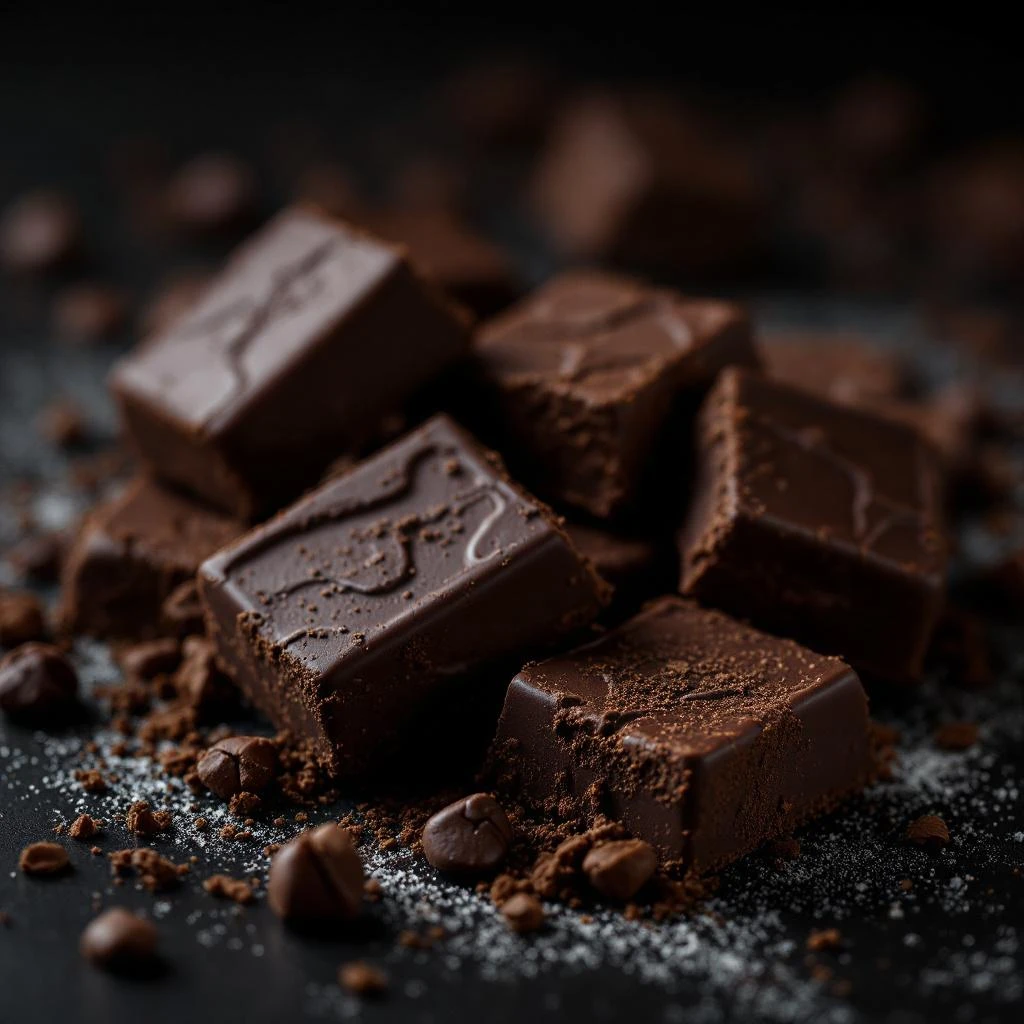
Origin
Iraq
Liquorice is an herbaceous perennial legume native to regions spanning West Asia, North Africa, and Southern Europe. Its roots have served as a sweetening and flavouring material for thousands of years, including in traditions associated with the Middle East, South Asia, and the Mediterranean. In historical fragrance practice, licorice appears more often as a supporting aromatic than as the central material.
Its sweet, root-like character suits incense, resinous compositions, medicinal-smelling preparations, and later orientally influenced perfumery. The plant’s origin is sometimes associated with the area around Iraq, while Glycyrrhiza glabra is now widely distributed across Europe and Asia. Its history reflects the long exchange of plants, remedies, flavours, and fragrance materials across Eurasian trade routes.
Today, liquorice remains relevant to perfumery through both natural extracts and carefully selected aroma chemicals.
Wears it best
Fragrances featuring Asian Liquorice
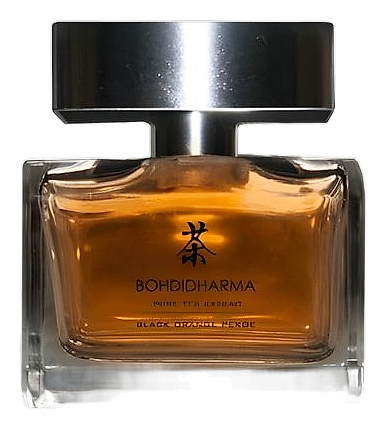
Brands
Brands known for Asian Liquorice
Good to know
Questions, answered
The essentials on Asian Liquorice in perfumery: how it smells, where it comes from, and how it behaves on skin.
What does Asian liquorice smell like in perfume?
Asian liquorice smells sweet, woody, earthy, and slightly anise-like, often with a dusty, bittersweet edge. It usually acts as a supporting note because its profile can become very dense in larger amounts.
Where does Asian liquorice come from?
Asian liquorice comes from the roots and rhizomes of Glycyrrhiza plants, which occur across Asia and parts of the Mediterranean. Licorice is thought to have originated around Iraq, though several species now grow widely.
What plant part is used to make liquorice fragrance?
Perfumers mainly use dried liquorice roots and rhizomes. These are washed, cut, dried, powdered, or processed into extracts to capture their characteristic sweet, earthy aroma.
How is liquorice extracted for perfumery?
Liquorice aromatic materials can be prepared through solvent extraction or alcohol infusion, depending on the supplier and intended fragrance format. The chosen process affects concentration, colour, and how much of the root’s earthy character appears in the final material.
Is Asian liquorice the same as anise?
No. Asian liquorice has a sweet, earthy, woody profile with an anisic impression, but it is not the same plant as anise. The two materials may share certain aromatic qualities without producing identical fragrances.
What fragrance family is liquorice associated with?
Liquorice is often used in oriental, woody, spicy, and amber-style compositions. Its dark sweetness works well with resins, balsams, incense materials, tobacco notes, and warm woods.
Why is liquorice used in oriental perfumes?
Liquorice adds a bittersweet sweet base that connects bright spices with deep woods and resins. This bridging quality makes it useful in oriental compositions that need texture rather than a simple candy-like sweetness.
Does natural liquorice vary by country?
Yes. The species, growing conditions, harvest stage, and drying method can change the colour and aroma of liquorice roots. Turkish, Iranian, and other Asian sources may present different balances of sweetness, earth, and bitterness.