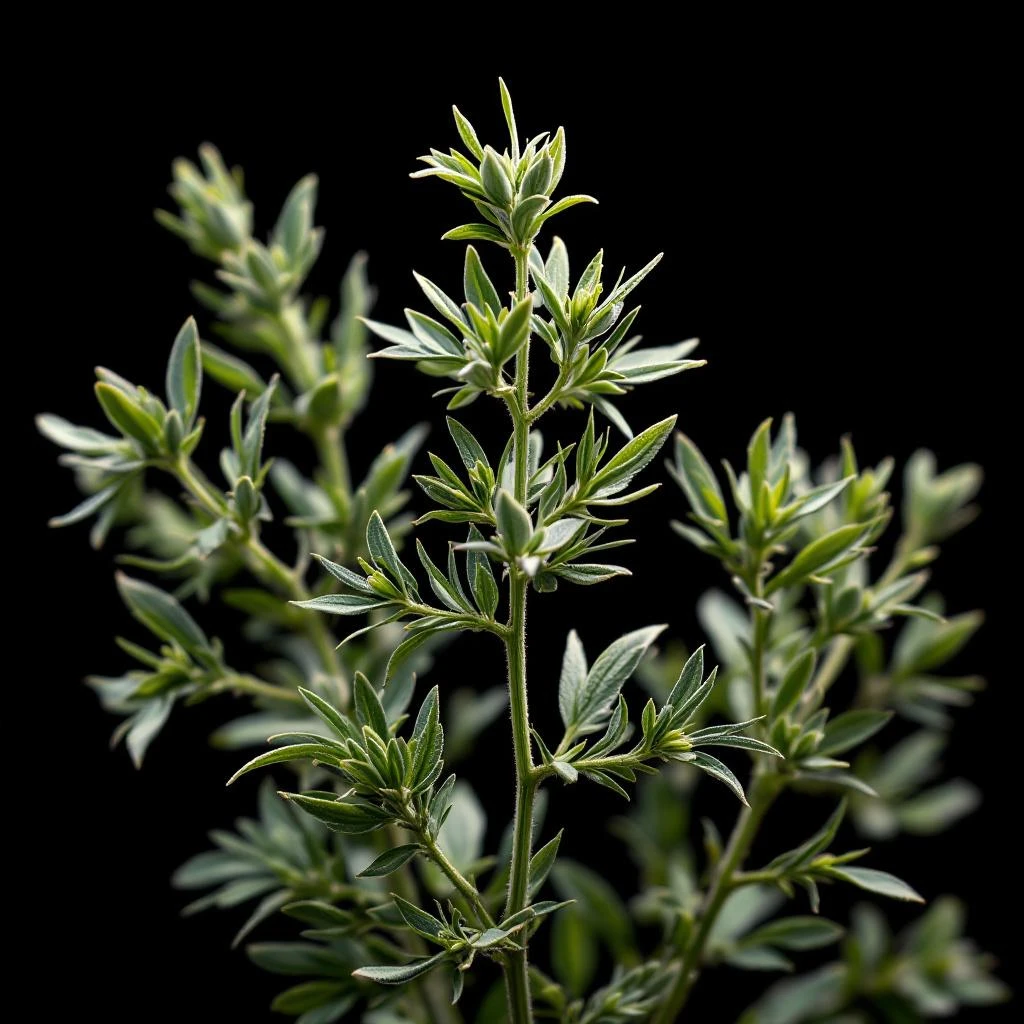
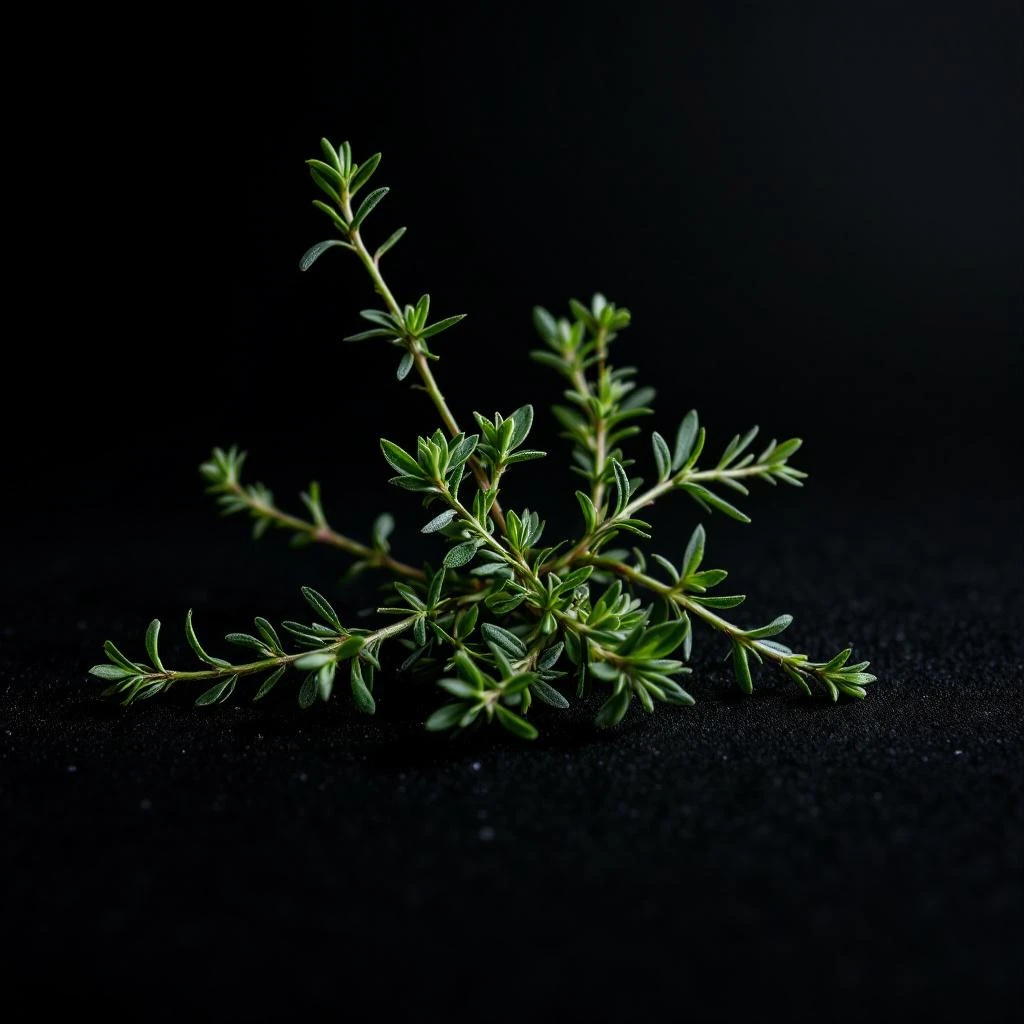
Artemisia Bitters
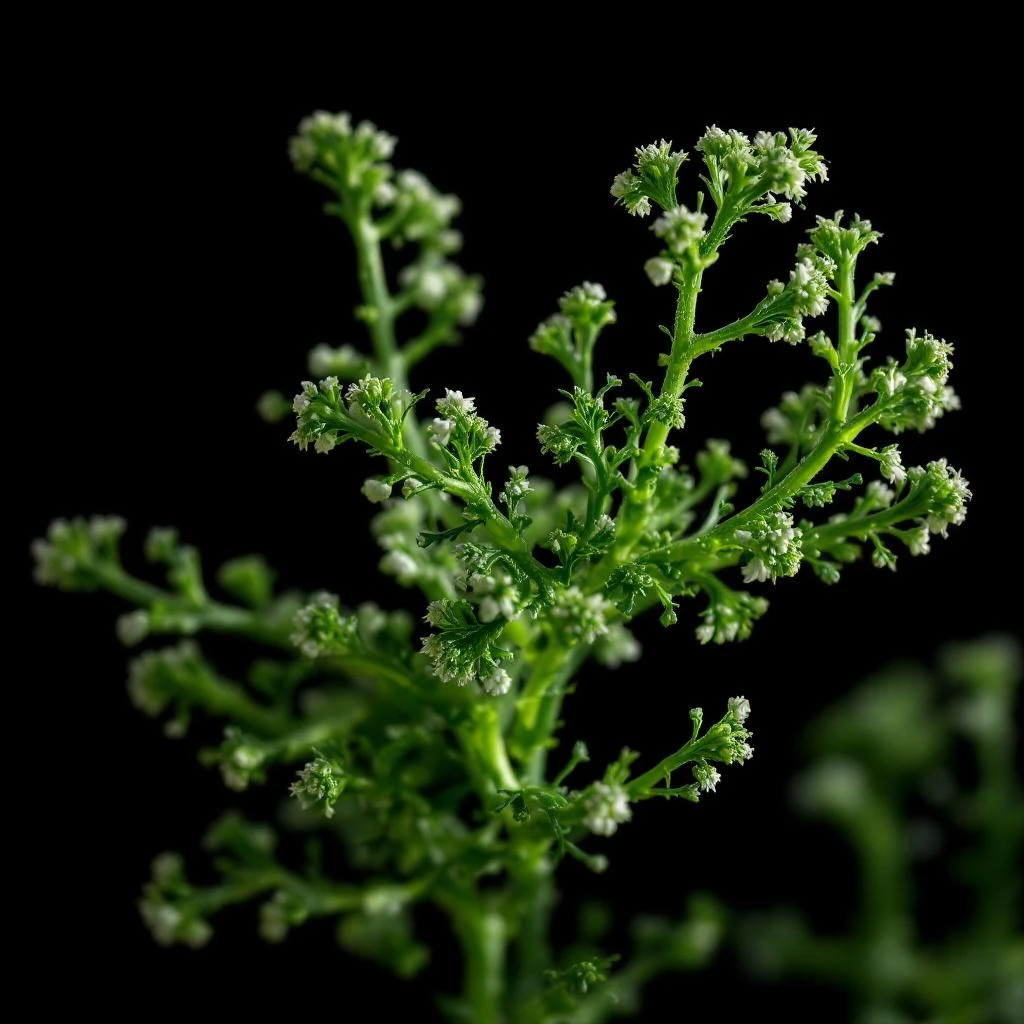
There is a moment in every perfume when bitterness becomes beauty. Artemisia delivers that moment with an intensely green, herbaceous punch accented by camphor, a note that挑剔地 redefines what herbal can mean.
Character
How it smells
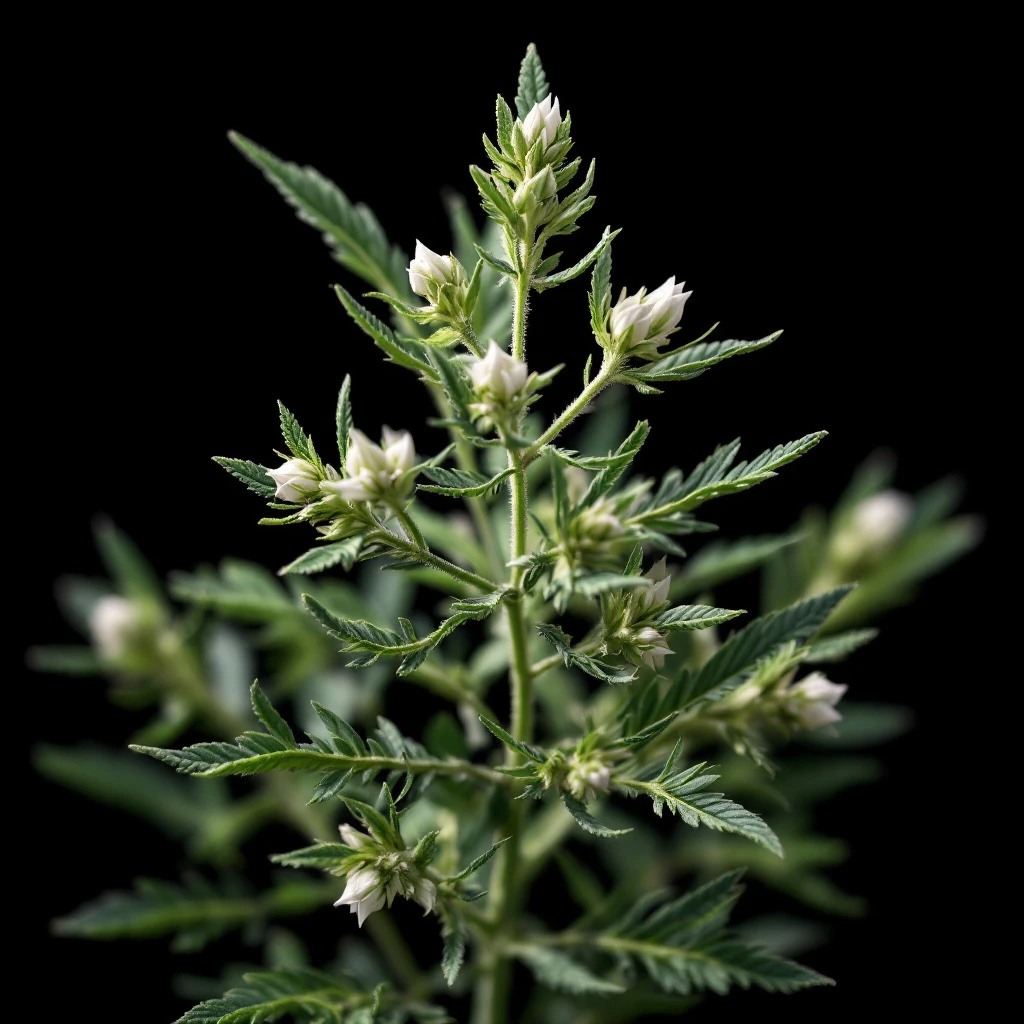
Bitter-green sophistication with a herbal, camphoraceous edge.
Distant cousin to absinthe, artemisia carries the same bitter-green soul that inspired Van Gogh's fever dreams.




Origin
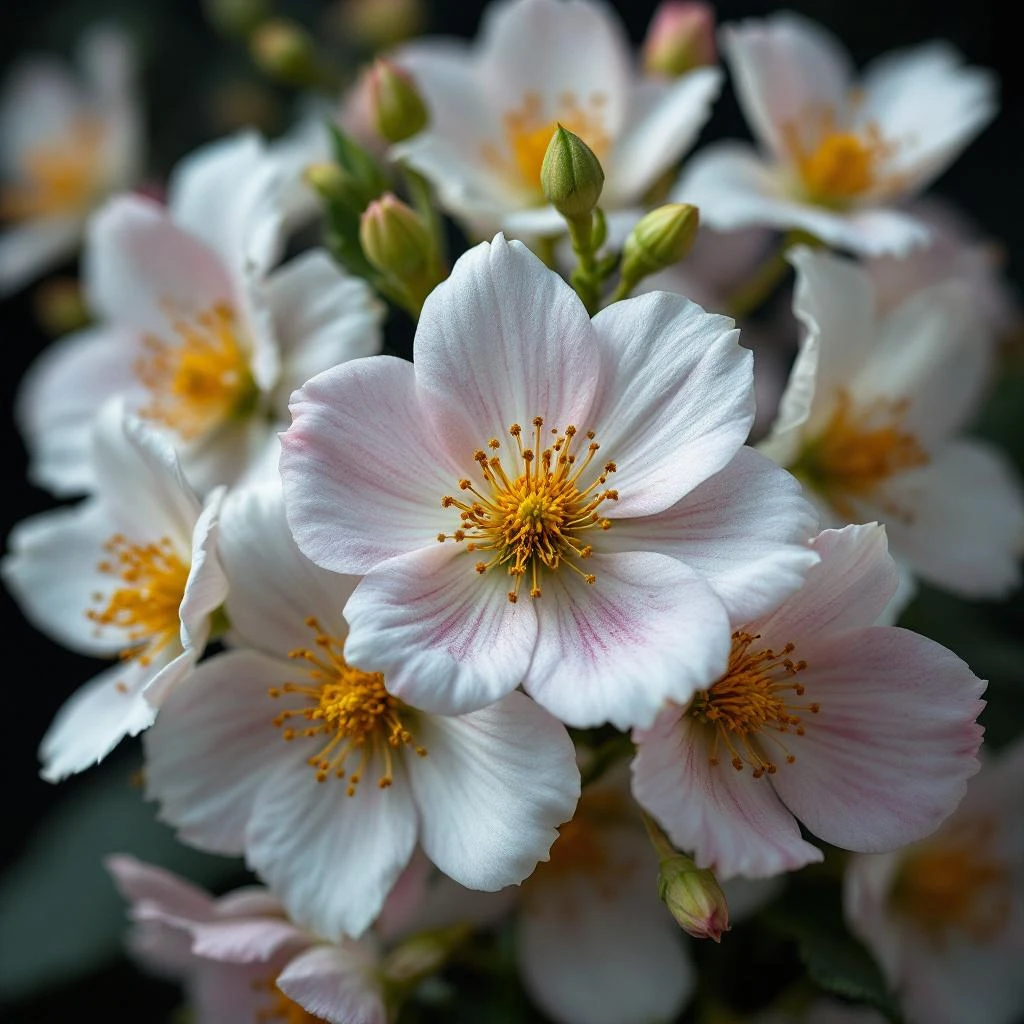
Morocco
Artemisia has been valued across ancient civilizations for thousands of years. Egyptians, Greeks, and Romans all used species within this genus for medicinal, ritual, and protective purposes. The botanical name itself honors Artemis, the Greek goddess of hunting and wilderness, reflecting the plant's reverence in classical tradition.
Wormwood, perhaps the most famous relative, became central to the absinthe culture of 19th-century France, gaining legendary status among artists and writers drawn to its potent bitterness. Medieval Europeans regarded artemisia as a protective talisman, hanging it over doorways to ward off witchcraft and plague. In East Asian traditions, mugwort holds deep significance in herbal medicine, cuisine, and the Dragon Boat Festival.
Across all these cultures, the bitter-green quality that artemisia brings to perfumery was recognized long before modern fragrance chemistry, making it one of the oldest bitter ingredients still used in fine perfume today.
Wears it best
Fragrances featuring Artemisia Bitters
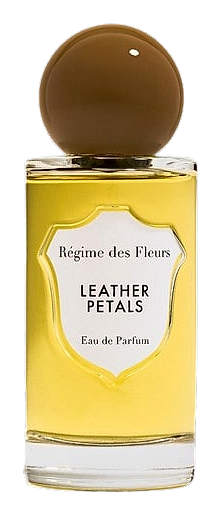
Brands
Brands known for Artemisia Bitters
Good to know
Questions, answered
The essentials on Artemisia Bitters in perfumery: how it smells, where it comes from, and how it behaves on skin.
What is Artemisia Bitters in perfumery?
Artemisia Bitters refers to the essential oil extracted from plants in the Artemisia genus, commonly related to wormwood or mugwort. Steam distillation of the leaves and stems produces an oil with a distinctive bitter-green, slightly camphoraceous scent profile.
What does Artemisia smell like?
Artemisia presents as intensely green and bitter with strong herbaceous character. A camphor edge gives it a cool, medicinal quality, while subtle resinous undertones add warmth. The overall effect is clean, sharp, and distinctly bitter.
Is Artemisia Bitters natural or synthetic?
Natural artemisia oil comes from steam distilling the leaves and stems of Artemisia plants. Synthetic reproductions of key aroma compounds like thujone exist for regulatory or cost reasons, but natural artemisia remains the standard in fine perfumery.
What fragrance families use Artemisia?
Artemisia appears in chypre, fougère, aromatic, and green fragrance families. It works as a heart note at higher concentrations or as a modifier at lower levels, shaping the overall character of a composition.
Is Artemisia safe to use in perfume?
Artemisia contains thujone, a regulated compound with recommended concentration limits set by IFRA. Proper dilution is essential, and IFRA guidelines suggest thujone levels stay below 0.5% in final fragrance compounds for cosmetic use.
How does Artemisia compare to other bitter notes?
Artemisia sits alongside galbanum and wormwood as a bitter-green anchor. Galbanum is more watery and metallic, while artemisia brings a uniquely bitter and camphoraceous quality that sets it apart from other herbal bitters.
What is the origin of the name Artemisia?
Carl Linnaeus named the genus after Artemis, the Greek goddess of hunting and wilderness. The plant's historical use across ancient cultures, from Egyptian medicine to Greek rituals, gave it a reverence that carried into botanical nomenclature.
Does Artemisia appear in historical perfumery?
Artemisia has ancient roots in Egyptian, Greek, and Roman traditions, where it served medicinal and ritual purposes. Its use in perfumery grew steadily through the 20th century as bitter-green notes gained popularity in modern fragrance design.