Arbutus Honey
A rare golden syrup distilled from the nectar of strawberry tree flowers, prized for its bittersweet complexity and amber warmth in fine perfumery.
Character
How it smells
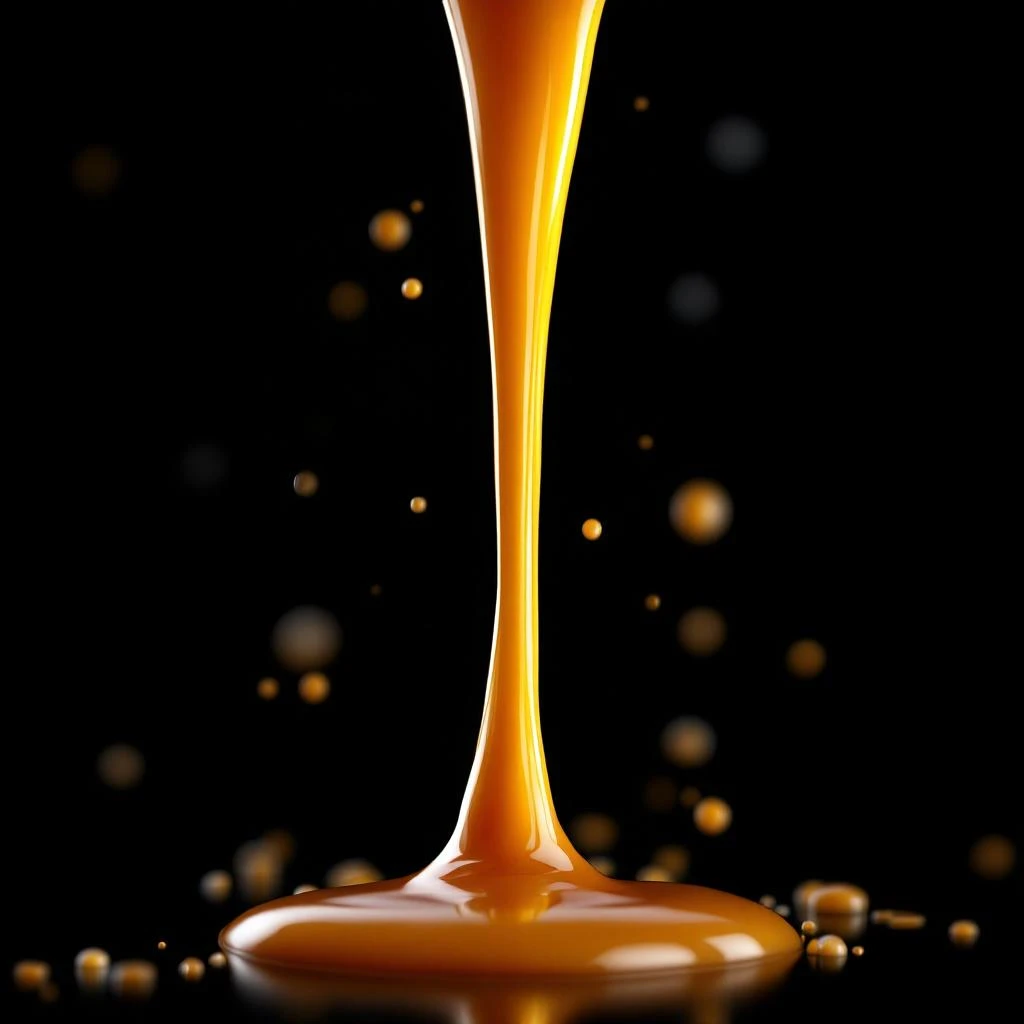
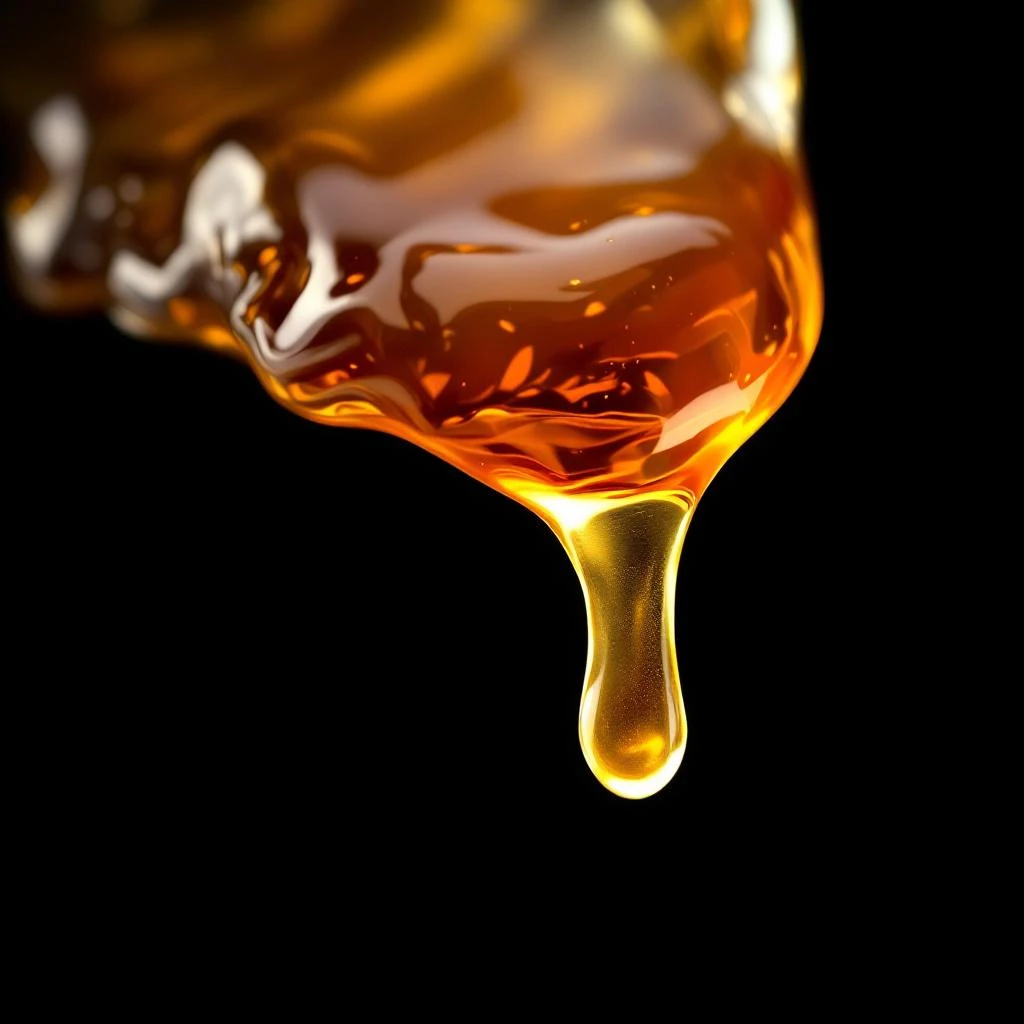
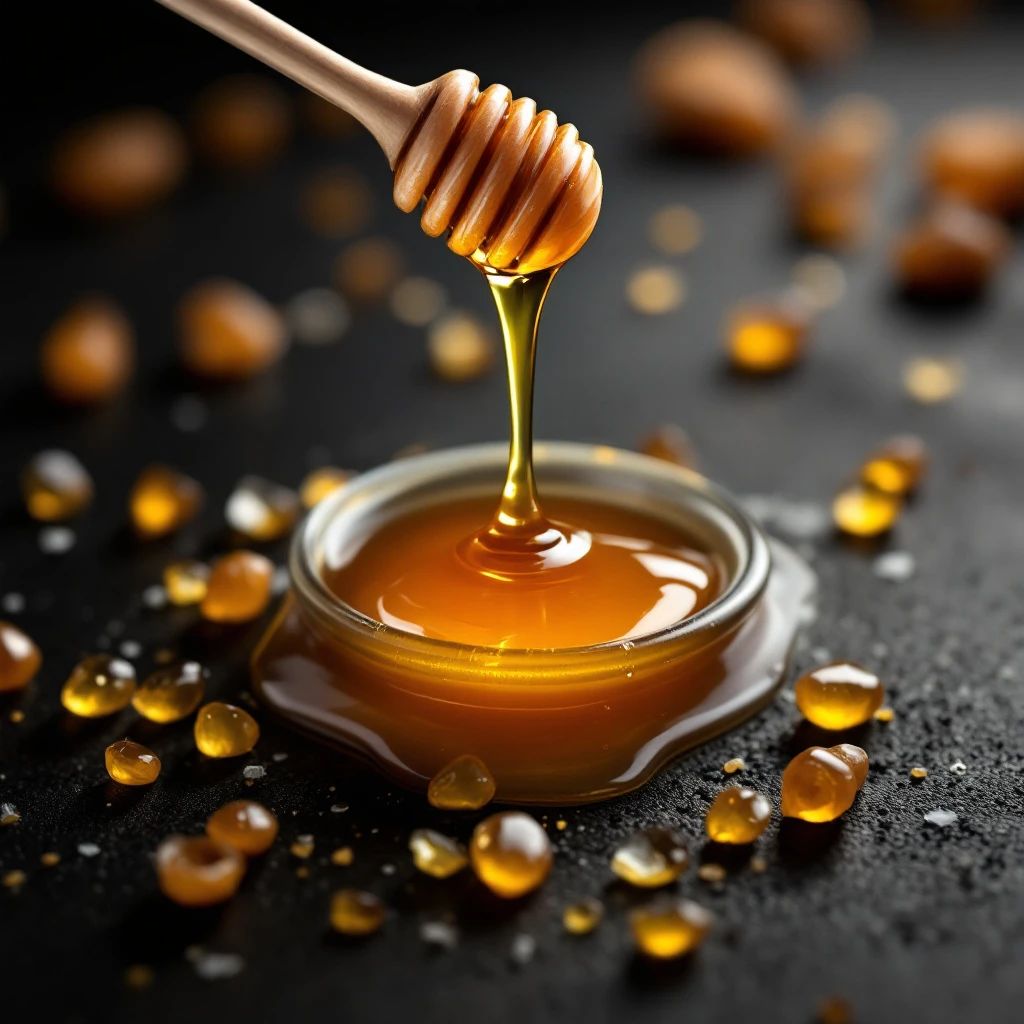
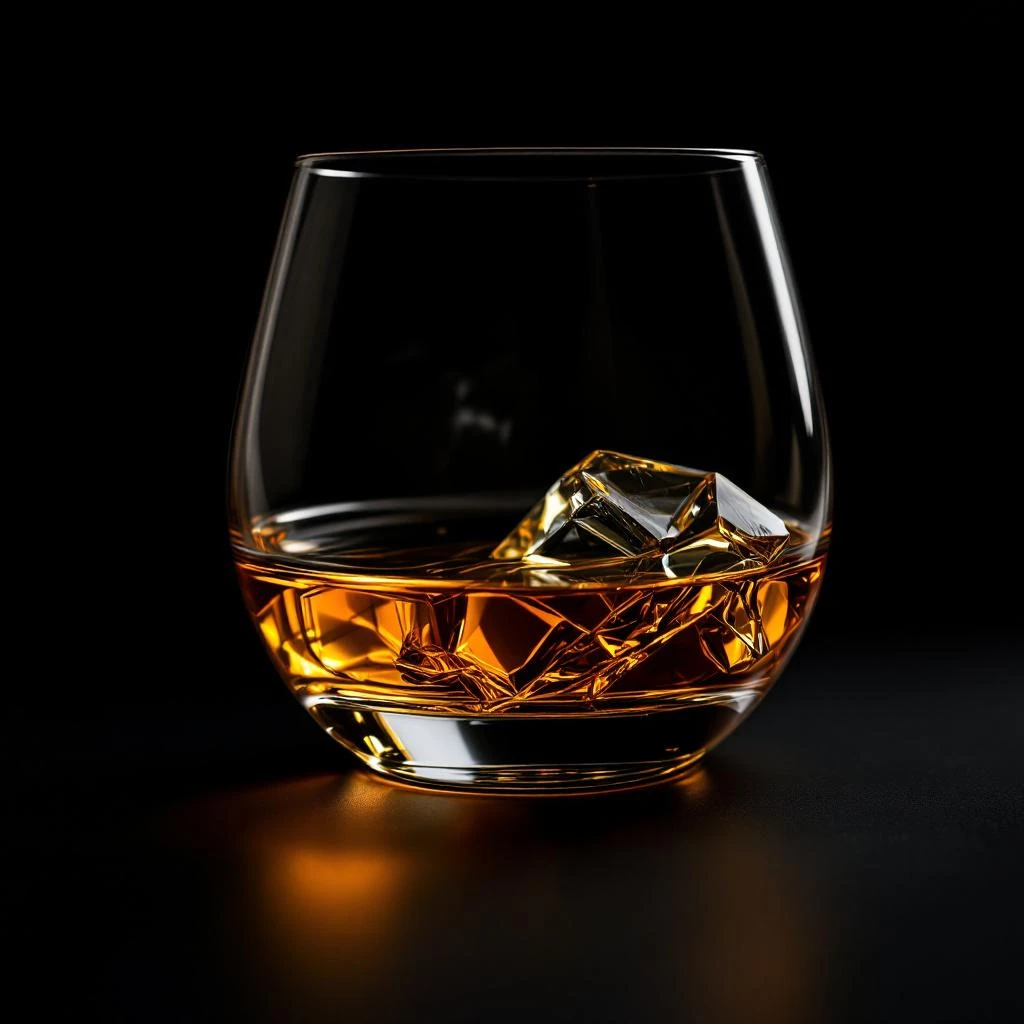
Golden nectar with a bittersweet edge
Bees produce arbutus honey only when strawberry trees bloom in late autumn, making it one of the rarest and most prized honeys in the world.



Origin
Portugal
Honey holds the oldest documented role in fragrance history, with cave paintings in Spain and South Africa depicting prehistoric honey harvesting dating back at least 8,000 years. Ancient Egyptians incorporated honey into unguents and sacred balms as early as 3,000 BC, valuing its persistence as a natural fixative. The Greek physician Hippocrates recommended honey-based preparations for their aromatic and preservative qualities.
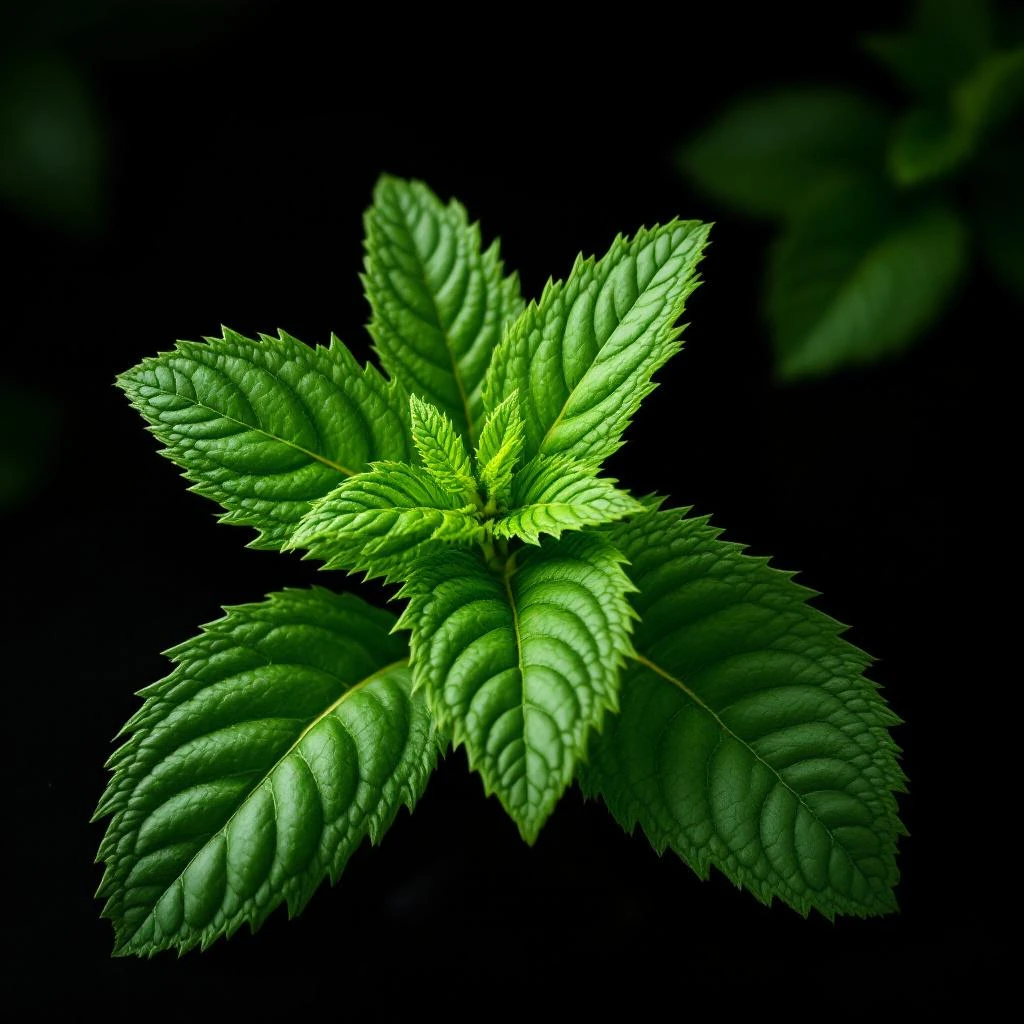
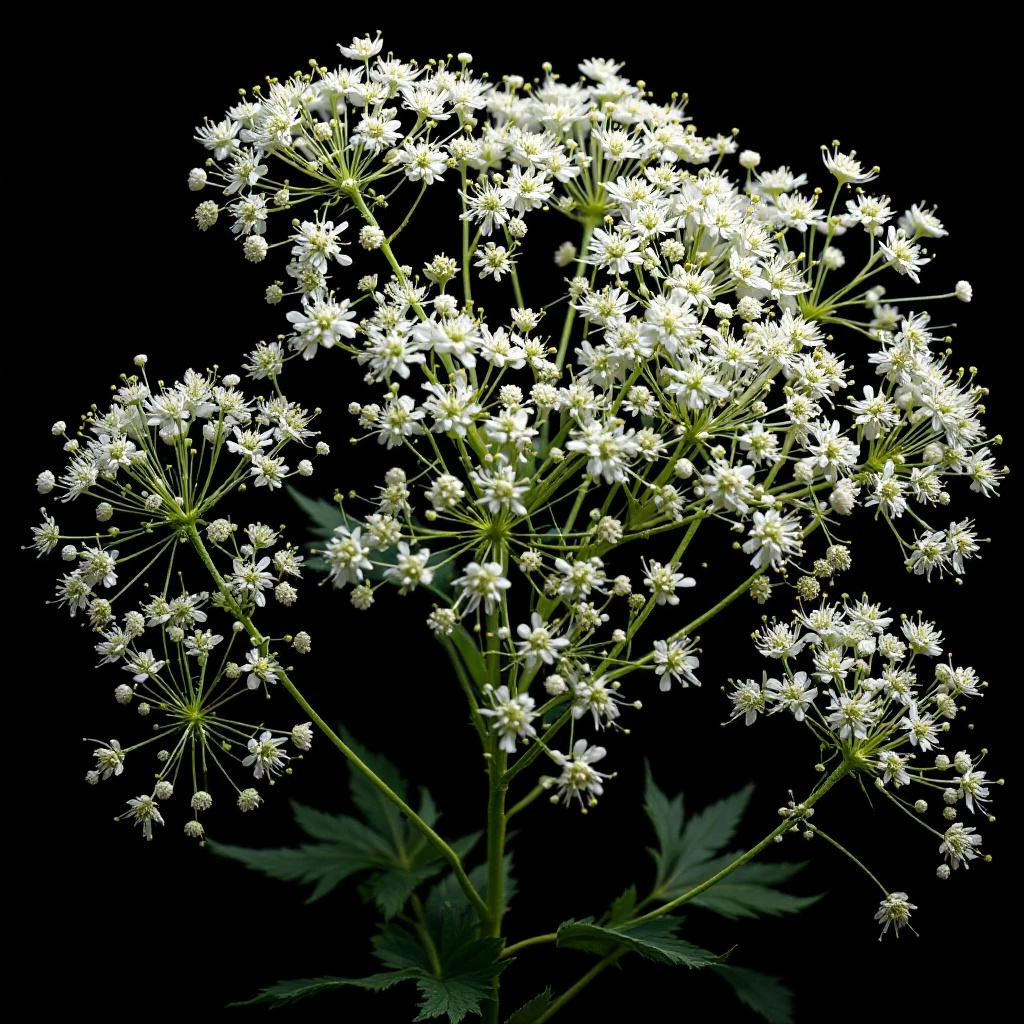
Arbutus honey specifically comes from the Arbutus unedo, the strawberry tree, native to the Mediterranean basin and western Europe. This evergreen shrub produces clusters of tiny white and pink flowers in October and November, feeding bees during a season when little else blooms. Mediterranean cultures from Portugal to Sardinia have long prized this honey for its unusual bitterness, which sets it apart from clover or wildflower varieties.
Perfumers began isolating honey as a distinct olfactive accord in the late 20th century, though historical formulas like the ancient kyphi incense of Egypt likely contained fermented honey components. Today arbutus honey remains a niche but sought-after ingredient in niche and avant-garde perfumery.
Wears it best
Fragrances featuring Arbutus Honey
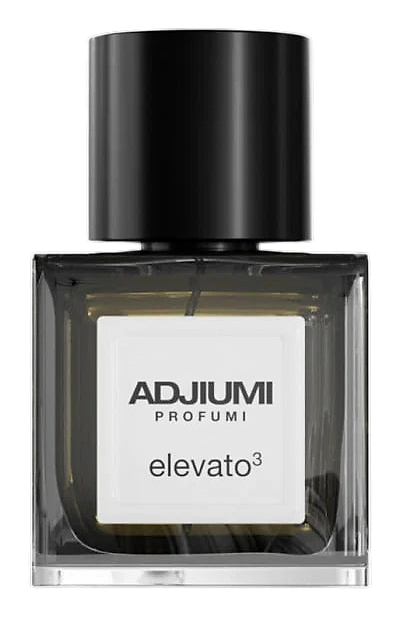
Brands
Brands known for Arbutus Honey
Good to know
Questions, answered
The essentials on Arbutus Honey in perfumery: how it smells, where it comes from, and how it behaves on skin.
What does arbutus honey smell like in perfume?
Arbutus honey smells warm and bittersweet, with notes of caramelized fruit, waxy pollen, and a slightly medicinal bitterness. It is less sweet than generic honey accords, carrying resinous and almost burnt-sugar undertones.
Why is arbutus honey rare and expensive?
Arbutus honey is rare because Arbutus unedo trees bloom only in late autumn, and bees produce it in small quantities. One kilogram can cost significantly more than common honeys, which is why most perfumers use reconstructed accords instead.
Is arbutus honey used directly in perfumery?
Directly, yes, but rarely. Most commercial fragrances use synthetic reconstructions built from furaneol and ethyl phenylacetate. True arbutus honey extract appears primarily in niche and natural perfumery due to cost.
Where does arbutus honey come from?
Arbutus honey originates from the Mediterranean basin, particularly Portugal, Sardinia, Corsica, and southern Spain. The Arbutus unedo tree, also called the strawberry tree, grows wild across these regions.
What is the difference between arbutus honey and regular honey in perfumery?
Arbutus honey contains higher levels of bitter compounds and methylglyoxal than common honeys, giving it a more complex, less cloying sweetness. It also carries subtle phenolic and resinous notes absent from clover honey.
Which perfumes feature arbutus honey as a main note?
Several niche houses have built compositions around arbutus honey, including L'Artisan Parfumeur's Mûre et Bois and select offerings from independent perfumers in the Mediterranean. It also appears as a supporting note in many oriental fragrances.
Can arbutus honey notes be recreated synthetically?
Yes. Modern synthetic accords combine furaneol, ethyl phenylacetate, and oxidized terpenes to approximate arbutus honey's profile. These reconstructions capture roughly 80 percent of the natural ingredient's character at a fraction of the cost.
Does arbutus honey have fixative properties in fragrance?
Yes, arbutus honey contains natural sugars and trace aromatic acids that slow evaporation of top and heart notes. Its thick molecular structure helps anchor lighter citrus and floral components in a composition.