



Heritage
A house, in its own words
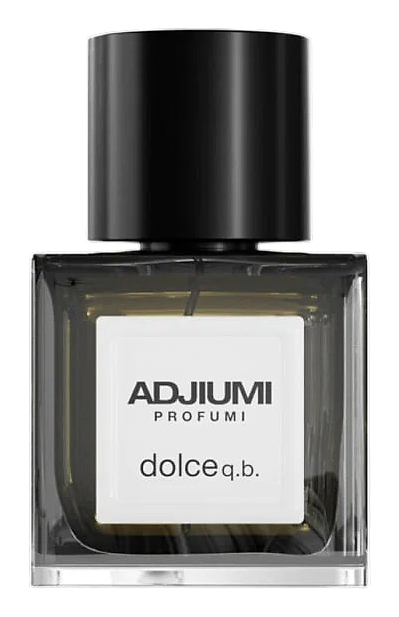
Adjiumi's origins trace back to an Italian perfume enthusiast community that formed around the shared passion of its members for niche and artisan fragrances. Cristian Cavagna emerged as a central figure within this group, establishing Adjiumi as a platform for exploring perfumery through a distinctly personal lens. The community had been active for years before attempting to create its own fragrances, using that time to develop an acute understanding of what separated memorable scents from ordinary ones. October 27, 2020 marked a significant turning point when Adjiumi released its first perfume, Dolce Q.B., demonstrating that the group's expertise could translate into finished compositions. The name itself references the Italian concept of quanto basta, meaning "to taste" or "as much as needed," signaling a philosophy of restraint and balance that would characterize future work. Following this debut, the house maintained a steady release cadence, with Elevato Al Cubo arriving in 2021, Incubo in 2022, Vaniglia 18 in 2023, and Cubo Libre in 2024. Each launch built upon the community's growing confidence in articulating its own olfactory vision, with names suggesting mathematical concepts and sensory themes that reflect a thoughtful, intellectual approach to fragrance creation. Adjiumi operates from the belief that authentic fragrance creation must stem from genuine obsession rather than market analysis. The collective approach means that ideas for new compositions emerge from passionate discussions among members who share a deep appreciation for materials, techniques, and the emotional power of scent. Rather than commissioning work from external perfumers without involvement, Adjiumi positions itself as deeply embedded in the creative process, treating each fragrance as a personal statement. The house seems drawn to concepts that challenge expectations, whether through unusual ingredient combinations, provocative names, or thematic directions that invite wearers to engage intellectually with their scent. There is a clear preference for complexity and character over broad appeal, which aligns with the niche fragrance philosophy of creating scents for those who actively seek them rather than trying to please everyone. The use of Italian terminology in fragrance names further grounds the brand in a specific cultural perspective, emphasizing that these are creations from a particular community with its own language and references.