Apple Puree
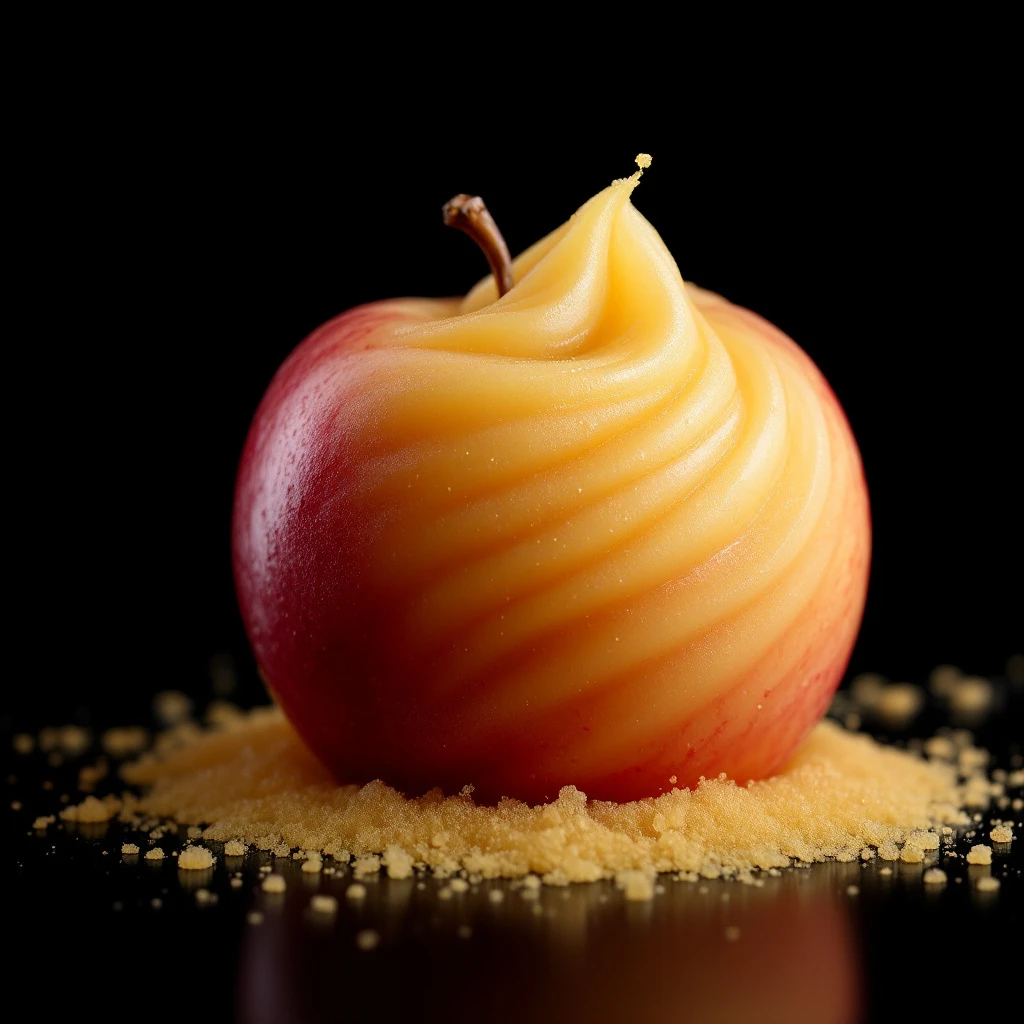
Apple Puree captures the crisp sweetness of fresh orchard fruit in a concentrated form. This note brings a creamy, ripe character to fragrance compositions, evoking the moment an apple breaks skin and releases its aromatic burst. A versatile heart and top note that balances sweetness with natural freshness.
Character
How it smells
Fresh orchard sweetness, captured.
Apples contain more than 300 volatile aromatic compounds. Replicating this complexity in perfumery requires sophisticated analytical chemistry and synthesis techniques.








Origin
Switzerland
Apples have accompanied human civilization since the Neolithic era, originating in the mountains of Central Asia before spreading along trade routes to become one of the world's most cultivated fruits. However, apple notes in perfumery emerged only in the twentieth century as analytical chemistry advanced.
Before modern techniques, perfumers struggled to capture true apple character because the fruit's aromatic compounds evaporate quickly and exist in relatively low concentrations. The breakthrough came with headspace analysis in the 1970s, when scientists learned to trap and identify volatile molecules surrounding fresh produce.
This technology allowed fragrance houses to understand exactly what makes an apple smell like an apple, opening the door for synthetic recreation. Today, apple notes appear across thousands of fragrances, from fresh colognes to gourmand perfumes.
Wears it best
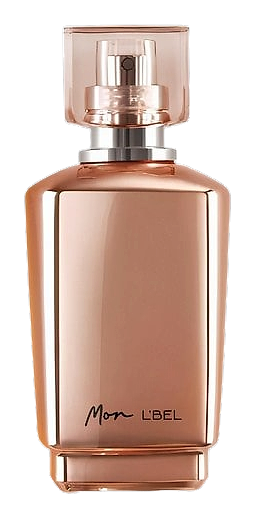
Fragrances featuring Apple Puree
Good to know
Questions, answered
The essentials on Apple Puree in perfumery: how it smells, where it comes from, and how it behaves on skin.
Is Apple Puree made from real apples?
Apple Puree in perfumery is typically a nature-identical synthesis, not a fruit extract. Perfumers replicate the exact aromatic compounds found in fresh apples, primarily esters and aldehydes, using laboratory synthesis. This approach ensures batch-to-batch consistency that natural extracts cannot provide.
What does Apple Puree smell like?
Apple Puree presents a crisp, sweet-fruity aroma with green undertones and a creamy, ripe character. It combines the sensation of biting into a fresh apple with a soft, almost buttery sweetness that rounds out the sharper green notes.
Which fragrances commonly feature Apple Puree?
Apple notes appear frequently in fresh and gourmand fragrances. You will find them in bright citrus compositions, crisp chypres, and sweet orientals. The note works particularly well in fragrances marketed toward younger demographics and in seasonal spring and summer releases.
What fragrance families pair well with Apple Puree?
Apple Puree blends naturally with citrus, green florals, and watery notes in fresh compositions. In richer fragrances, it pairs well with vanillas, musks, and woody accords. Apple also combines effectively with spices like cinnamon and cardamom for warm, edible character.
How long does the apple note last in a fragrance?
As a top to heart note, apple typically remains noticeable for 2 to 4 hours depending on the fragrance construction and the specific compounds used. Lighter apple esters evaporate quickly, while heavier molecules can extend the note's presence when properly formulated.
Is Apple Puree suitable for both men's and women's fragrances?
Modern perfumery uses apple notes without strict gender boundaries. While traditionally associated with feminine fragrances, fresh green apple appears increasingly in men's colognes and gender-neutral compositions. The note reads as youthful, energetic, and approachable across contexts.
What distinguishes high-quality apple aroma materials?
Superior apple aroma materials offer a complete olfactory profile that includes top notes, body, and supporting elements found in natural apple scent. Lower-quality versions may smell one-dimensional, overly sweet, or artificially chemical. Professional evaluation involves comparing against natural apple headspace reference data.
Are there sustainable options for apple-derived fragrance ingredients?
Yes. Nature-identical synthesis can be more sustainable than natural extraction because it avoids land use, water consumption, and seasonal harvest limitations. Some producers also create apple aroma from upcycled apple processing byproducts, capturing value from materials that would otherwise go to waste.