
The Story
Why it exists.
The beginning
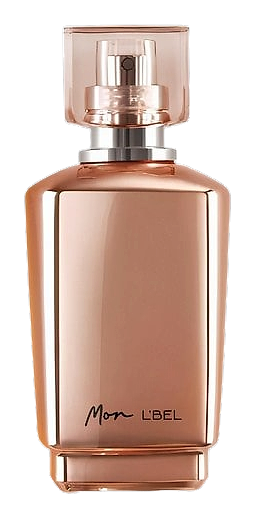
Mon arrived in 2019, a composition from Maurice Roucel working within the L'Bel range. The brief, it seems, was contradiction: take white florals, magnolia, jasmine sambac, and anchor them to something unexpected. Suede. Cashmere. Not another floral that smells like a florist. A fragrance that knows the difference between delicate and weak, between sophisticated and trying too hard.
The suede note does something unusual here. Most floral-orientals use warmth as a bridge, amber, vanilla, wood. Mon uses texture instead. Suede absorbs the sweetness of the apple and blackcurrant opening, tames the jasmine, and emerges in the drydown not as a note but as a quality, the sense that the florals have been worn, handled, lived in. Indonesian patchouli and cashmere wood in the base reinforce this: neither sharp nor animalic, just warm and present. The result is a floral that doesn't apologize for being floral, but has clearly grown up.
The evolution
The opening arrives fast, apple puree and blackcurrant, bright and slightly tart, with bergamot keeping things from getting sticky. Twenty minutes in, the florals take over. Magnolia opens first, full and creamy, then jasmine sambac slides underneath. The suede appears here, not as an announcement but as a softening agent, it keeps the florals from blooming into something shouty. By the second hour, the composition settles. Amber emerges. Sandalwood and cashmere wood create a base that doesn't project aggressively but lingers close to the skin. The Indonesian patchouli adds just enough earth to keep it interesting. Four to six hours later, on most skin types, what remains is a warm, powdery whisper, musk, light wood, the ghost of magnolia. Not a sillage monster. A presence you notice when someone leans in.
Cultural impact
Mon L'Bel arrived in 2019 as part of a broader movement within Latin American beauty brands to compete in the global fine fragrance market. The L'Bel brand, under Peru's Belcorp conglomerate, positioned Mon as a signature scent for contemporary women in South America before expanding its reach. The fragrance reflects a cultural shift where regional beauty companies stopped modeling themselves solely after European houses and began developing distinctly modern compositions. Mon's success helped validate Belcorp's investment in perfumery as a premium category, influencing how Latin American consumers perceive domestic fragrance brands.