Antillone
Antillone is a natural aroma molecule originally discovered in select varieties of tropical pineapple. This prized ingredient brings a distinctive fruity-green character to perfumery, capturing the sun-ripened essence of the tropics with pear, apple and lush green facets.
Character
How it smells
Tropical pineapple distilled into a single, luminous molecule.
Antillone takes its name from the Antilles, the Caribbean island chain where wild pineapples first grew.




Origin
Costa Rica
Modern perfumery transformed in the late nineteenth century when chemists learned to isolate individual aromatic molecules from natural sources. Before this era, perfumers worked only with whole essential oils, absolutes and natural extracts. The shift from blended naturals to isolated molecules opened an entirely new creative vocabulary.
Antillone's discovery fits squarely within this tradition of finding precious aromatic molecules hiding inside everyday botanicals. Though pineapples had been prized in perfumery for centuries, no one had pinpointed which specific molecule carried that characteristic fruity, green freshness. MANE's nearly forty years of research eventually isolated and commercially developed Antillone, giving perfumers a dedicated tool for tropical fruit and green notes.
The ingredient bridges the gap between natural origin and reproducible synthetic precision, a hallmark of how contemporary fragrance chemistry continues to evolve.
Wears it best
Fragrances featuring Antillone
Brands
Brands known for Antillone
Good to know
Questions, answered
The essentials on Antillone in perfumery: how it smells, where it comes from, and how it behaves on skin.
What does Antillone smell like?
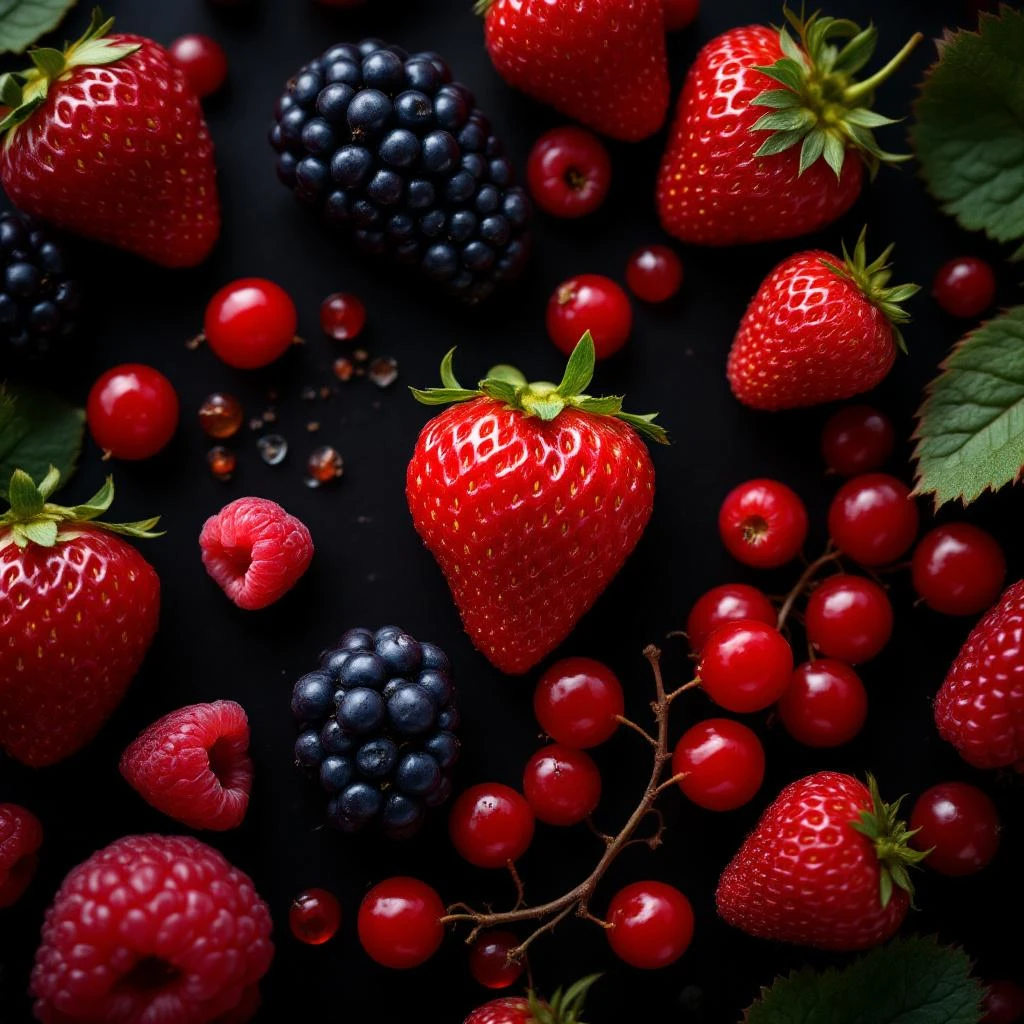
Antillone delivers bright tropical fruit notes of pineapple paired with ripe pear and apple, finished with fresh green facets that add depth and natural crispness.
Is Antillone natural or synthetic?
Antillone is classified as a natural isolate. It occurs naturally in certain pineapple varieties and is reproduced through biotechnological processes rather than direct fruit extraction.
What fragrance families use Antillone?
Perfumers use Antillone most often in tropical, fruity and green fragrance compositions. It works especially well in summer scents, florals and chypre structures.
How is Antillone produced commercially?
MANE identified the molecule in pineapples from Costa Rica and Mauritius, then developed biotech reproduction methods that replicate the natural molecule at commercial scale sustainably.
Which perfumes contain Antillone?
Antillone appears primarily in mass-market and niche fruity fragrances. MANE supplies it as a proprietary ingredient, so specific formulations remain confidential.
Why was Antillone developed?
Traditional pineapple absolute is costly and inconsistent. Antillone gives perfumers a reliable, concentrated alternative that delivers the same characteristic fruit-green note in every batch.
What does Antillone pair well with?
Antillone harmonizes with tropical florals like ylang-ylang, bright citruses and woody bases including sandalwood, creating well-rounded tropical fragrance constructions.
Is Antillone used in fine fragrance or only cosmetics?
Antillone appears primarily in fine fragrance, where its clean, natural fruit character supports top and heart notes in modern perfume compositions.