Ambronova
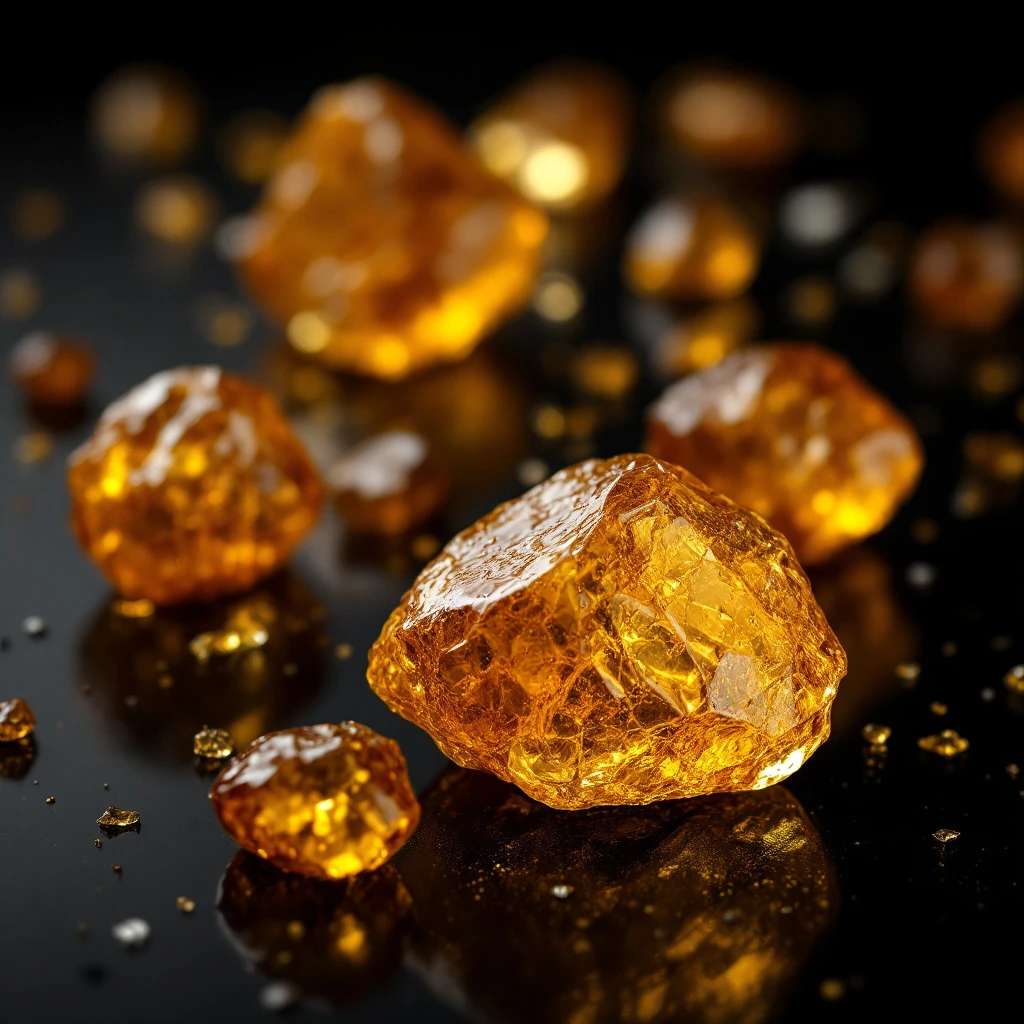
Ambronova is a synthetic ambergris substitute developed by Firmenich, capturing the warm, oceanic depth of natural ambergris without the ethical and sourcing concerns of the original material.
Character
How it smells
The warm, marine depth of ambergris, recreated in the lab.
Natural ambergris can sell for thousands per gram on the black market; Ambronova provides identical olfactory qualities at industrial scale.






Origin
Switzerland
The development of Ambronova traces to the mid-20th century when perfumers faced increasing restrictions on natural ambergris. Sperm whale populations had declined dramatically from centuries of harvesting, and the 1973 CITES treaty effectively banned international trade in ambergris.
The fragrance industry needed a solution that could preserve the beloved ambergris note without depending on an endangered species and unreliable natural supply. Firmenich invested heavily in research to understand the precise chemical compounds responsible for ambergris odor characteristics.
After decades of development, Ambronova emerged as one of the most successful ambergris alternatives, now used extensively across the industry. It represents a broader shift toward synthetic ingredients that solve ethical and supply challenges while maintaining the sensory qualities perfumers demand.
Wears it best
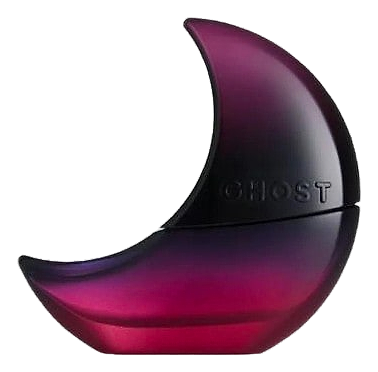
Fragrances featuring Ambronova
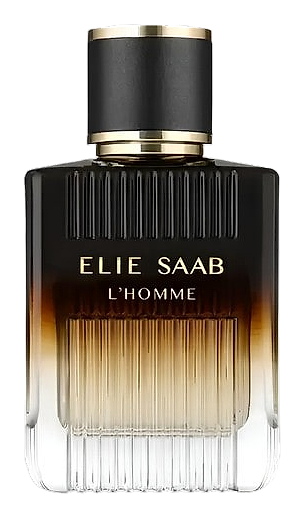
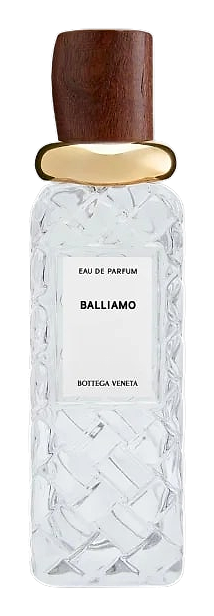
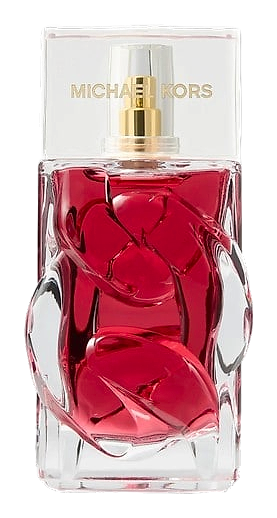
Brands
Brands known for Ambronova
Good to know
Questions, answered
The essentials on Ambronova in perfumery: how it smells, where it comes from, and how it behaves on skin.
What is Ambronova in perfumery?
Ambronova is a synthetic ambergris substitute created by Firmenich. It replicates the warm, slightly marine, ambery notes of natural ambergris without ethical or sourcing concerns. Perfumers use it extensively for its fixative properties and distinctive olfactory profile.
What does Ambronova smell like?
Ambronova delivers warm, ambery notes with subtle marine and mineral facets. It resembles the dry, aged quality of natural ambergris, featuring a smooth, slightly sweet background with oceanic undertones. The scent evolves slowly, adding depth and longevity to fragrance compositions.
Is Ambronova a natural or synthetic ingredient?
Ambronova is entirely synthetic, produced through proprietary organic synthesis in laboratories. Its molecular structure was engineered to match the odor properties of natural ambergris, making it one of the most successful synthetic replacements in modern perfumery.
Why was Ambronova developed?
Firmenich created Ambronova to solve the fragrance industry's ambergris shortage problem. Natural ambergris comes from sperm whales, now protected internationally. The synthetic alternative ensures consistent supply and ethical production while preserving the warm, marine character perfumers value.
How does Ambronova differ from natural ambergris?
Natural ambergris varies significantly between samples, developing unique characteristics during years of ocean aging. Ambronova offers batch-to-batch consistency and standardized performance. Both share the core warm, ambery, marine profile, though natural ambergris contains additional complexity from its organic origins.
In which fragrance families is Ambronova used?
Ambronova appears primarily in oriental and amber fragrances, where it reinforces the warm base. It also features in marine and woody compositions, adding depth without heaviness. Unisex and masculine fragrances commonly leverage its distinctive profile in heart and base notes.
Is Ambronova considered sustainable?
Yes. Ambronova is fully sustainable because it requires no animal sourcing or environmental extraction. Laboratory synthesis produces consistent yields without the ecological impact of searching for rare natural materials or the ethical concerns of whale-derived ingredients.
What role does Ambronova play in fragrance formulation?
Beyond providing its distinctive scent, Ambronova functions as a fixative that slows the evaporation of lighter fragrance materials. This extends scent longevity and helps blend disparate ingredients into a cohesive composition. Perfumers value it for rounding out amber and oriental formulations.