Purple Iris
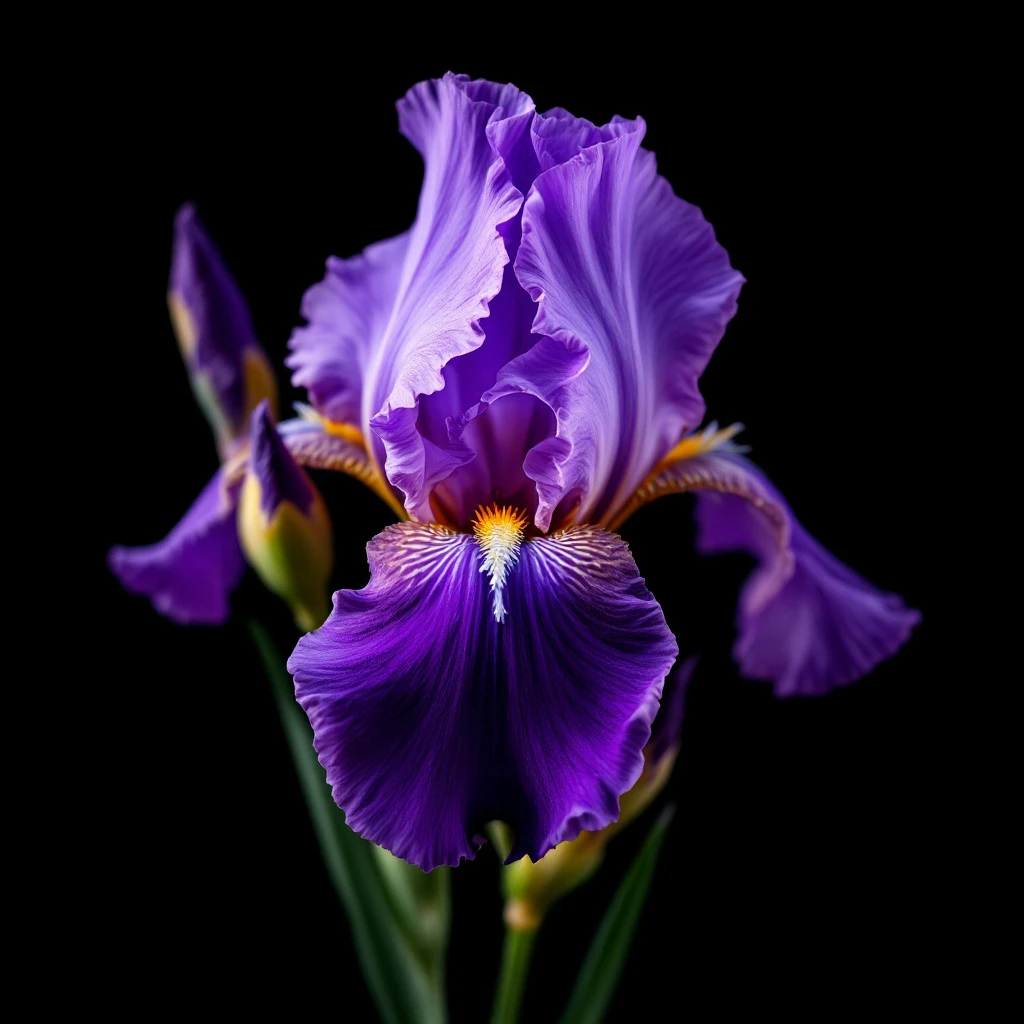
Purple Iris captures the quiet elegance of iris root, offering a powdery, woody aroma that has graced fine perfumery for centuries. This rare ingredient demands patience, expertise, and time to reveal its full character.
Character
How it smells
The powdery elegance of aged iris root
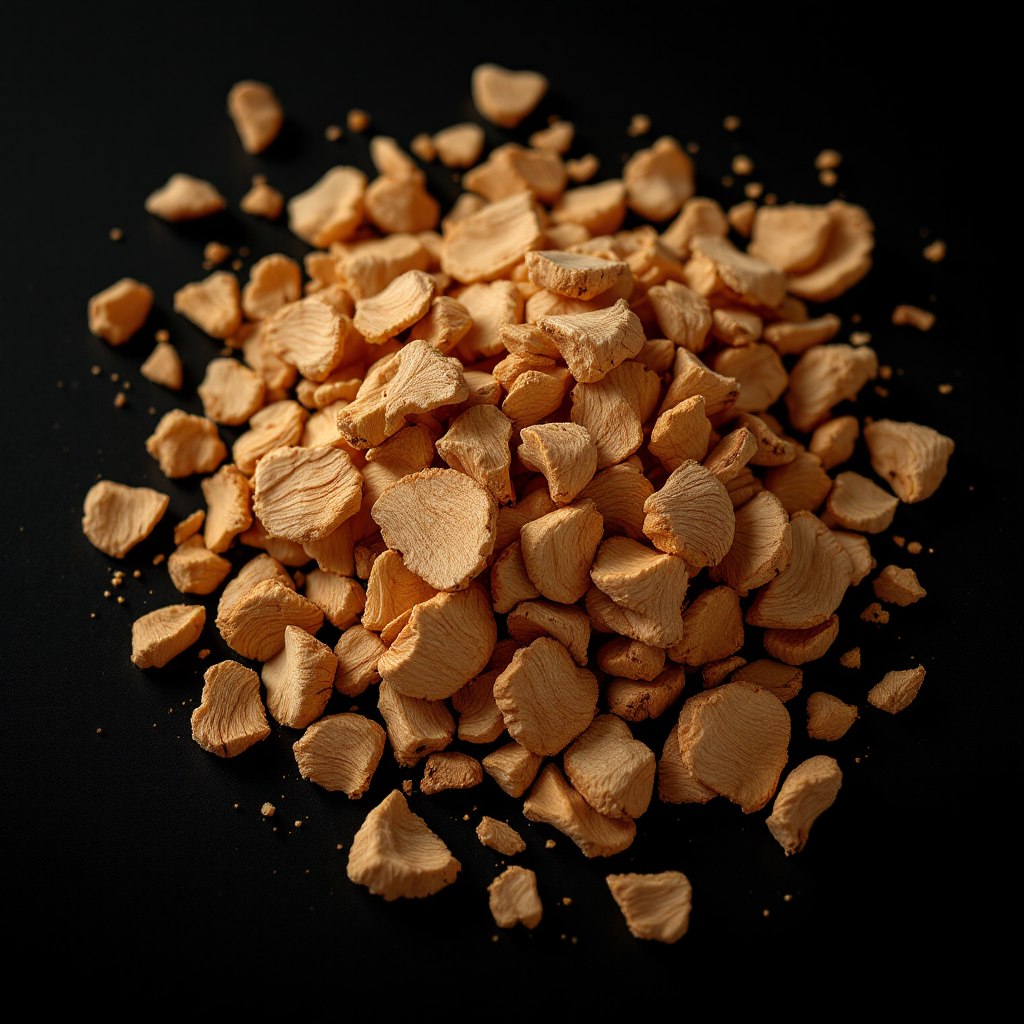
The iris root must age for three years before distillation releases its precious aroma, making it one of perfumery's most patient ingredients.






Origin
Italy
The story of iris in perfumery stretches back millennia. Ancient Egyptians used orris root in cosmetics and medicinal preparations, while Roman physicians valued its properties for therapeutic applications. The ingredient gained European prominence during the Renaissance when Catherine de Medici, queen of France, championed iris cultivation at her court.
French perfumers of the 19th century refined extraction techniques to create the soft, powdery scents that defined an era of elegance. Today, iris remains one of the rarest and most treasured ingredients in perfumery. The finest material still comes from Tuscany, where centuries of cultivation expertise produce iris pallida of exceptional quality.
Though native to the Far East, the flower found its spiritual home in Italy, where it continues to anchor some of the worlds most beloved fragrances.
Wears it best
Fragrances featuring Purple Iris
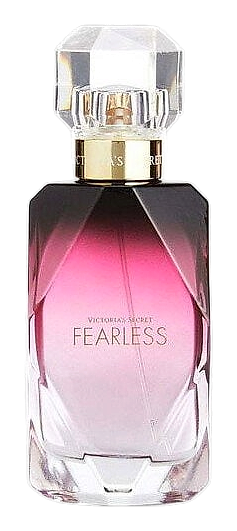
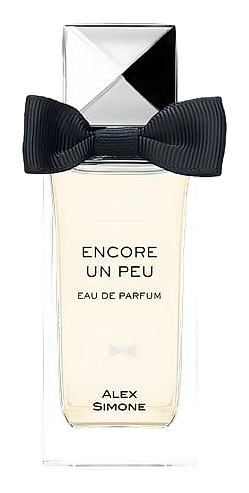
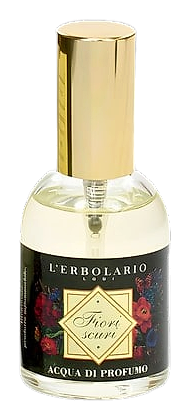
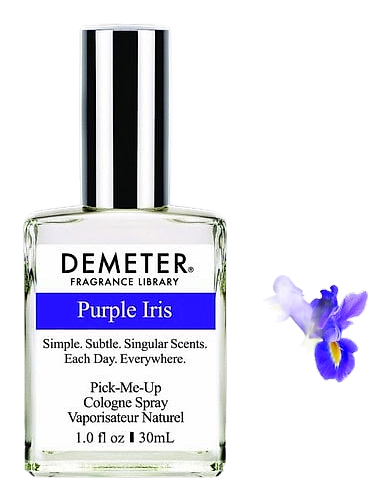
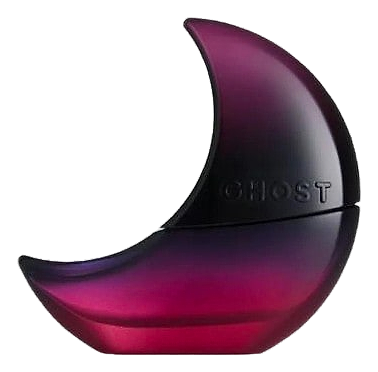
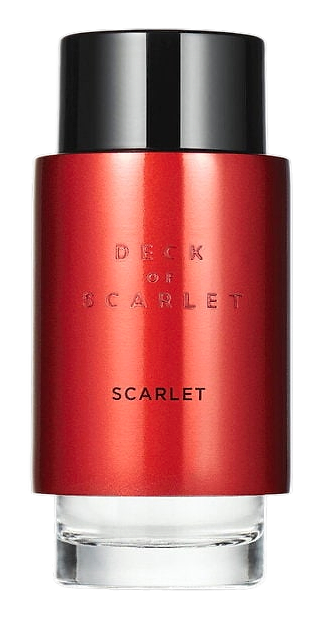
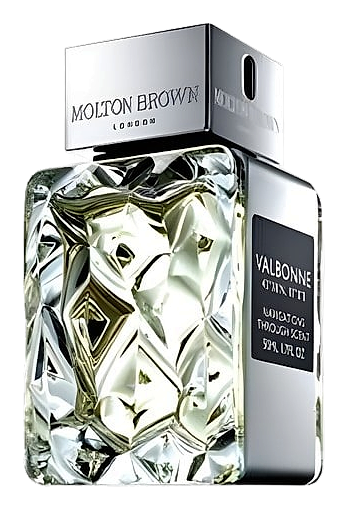
Brands
Brands known for Purple Iris
Good to know
Questions, answered
The essentials on Purple Iris in perfumery: how it smells, where it comes from, and how it behaves on skin.
What does iris smell like?
Iris delivers a powdery, woody, and slightly earthy aroma with gentle floral undertones. The scent profile develops from the aged rhizome, creating a refined note that suits both feminine and masculine fragrances.
Why is iris so expensive?
Iris ranks among the costliest perfume ingredients because the rhizomes require three to five years of aging before extraction. One kilogram of absolute needs approximately one thousand kilograms of fresh rhizomes, making supply extremely limited.
Where does the best iris grow?
Tuscan iris pallida represents the gold standard for perfumery. The specific climate and soil conditions of Tuscany produce rhizomes with superior aromatic complexity that processors and perfumers worldwide seek out.
How do perfumers use iris in compositions?
Perfumers employ iris as both a primary heart note and a subtle supporting element. Its powdery character adds sophistication to violet, rose, and woody compositions, providing a velvety depth that balances brighter florals.
What is the difference between iris and orris?
Iris describes the flowering plant itself, while orris refers specifically to the processed root material used in perfumery. The terms often appear interchangeably in fragrance contexts, though technically orris denotes the extracted ingredient.
Can synthetic alternatives replace natural iris?
Manufacturers create synthetic iris notes using ionones, which reproduce the powdery character without lengthy aging. These alternatives lack the multidimensional complexity that natural orris butter provides to premium fragrances.
How long has iris been used in perfumery?
Orris root first appeared in Egyptian perfumery around 1000 BCE. The ingredient gained European prominence during the Renaissance, when Catherine de Medici popularized its use at the French royal court.
What type of iris is used in perfumery?
Iris pallida dominates perfumery applications due to its high concentration of irone compounds that produce the characteristic powdery scent. Bearded iris varieties supply most commercial orris material sourced from Italy and Morocco.




