Amaranth Wood
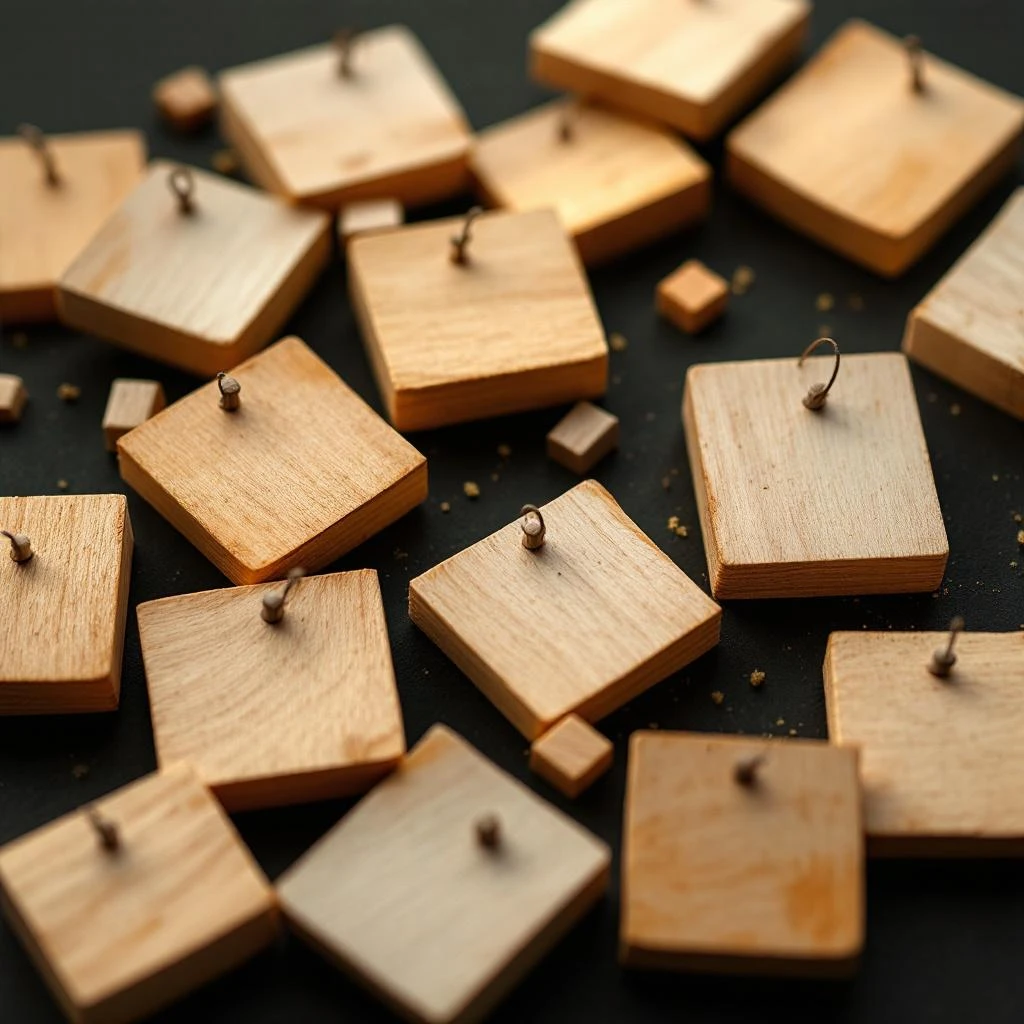
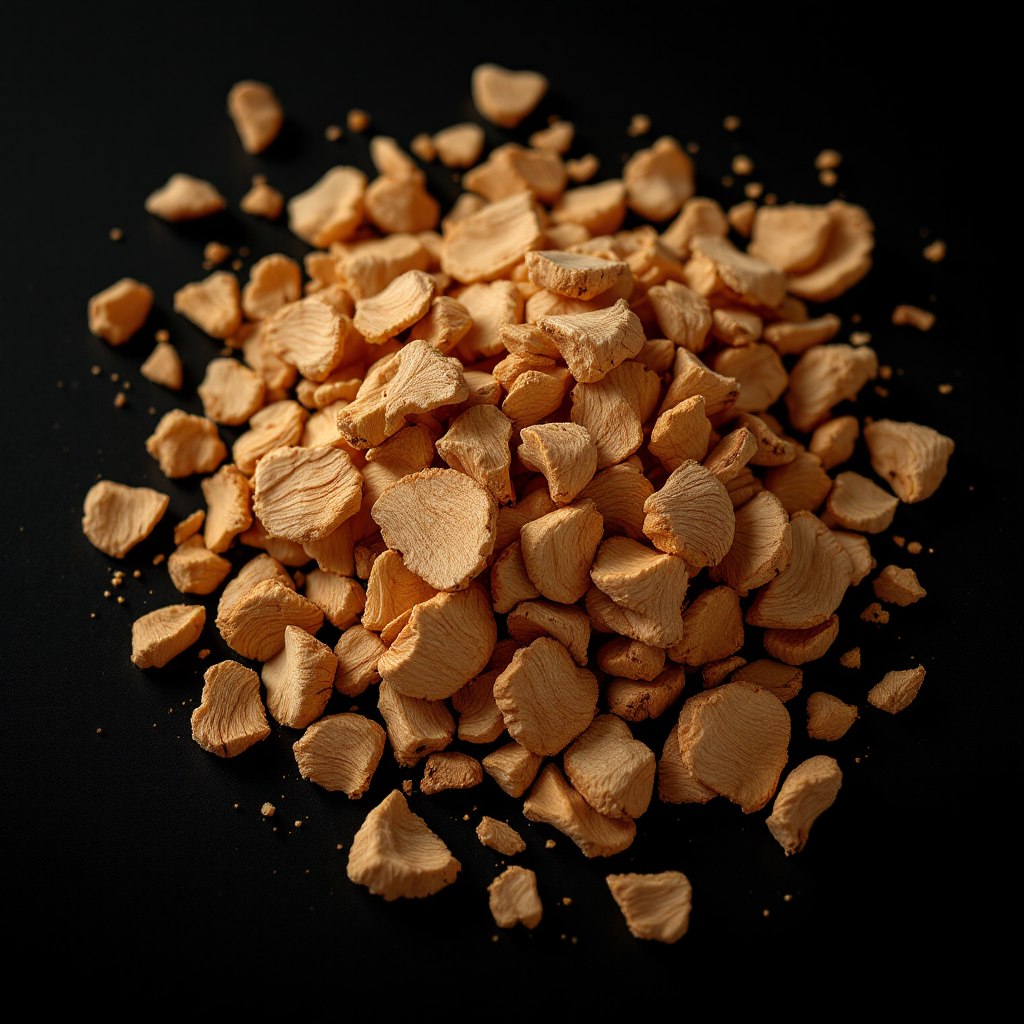
Amaranth wood offers a grounded, slightly sweet timber note, echoing the ancient grain’s earthy roots while delivering a subtle amber warmth that anchors modern compositions.
Character
How it smells
Earthy timber with a whisper of sweet amber.
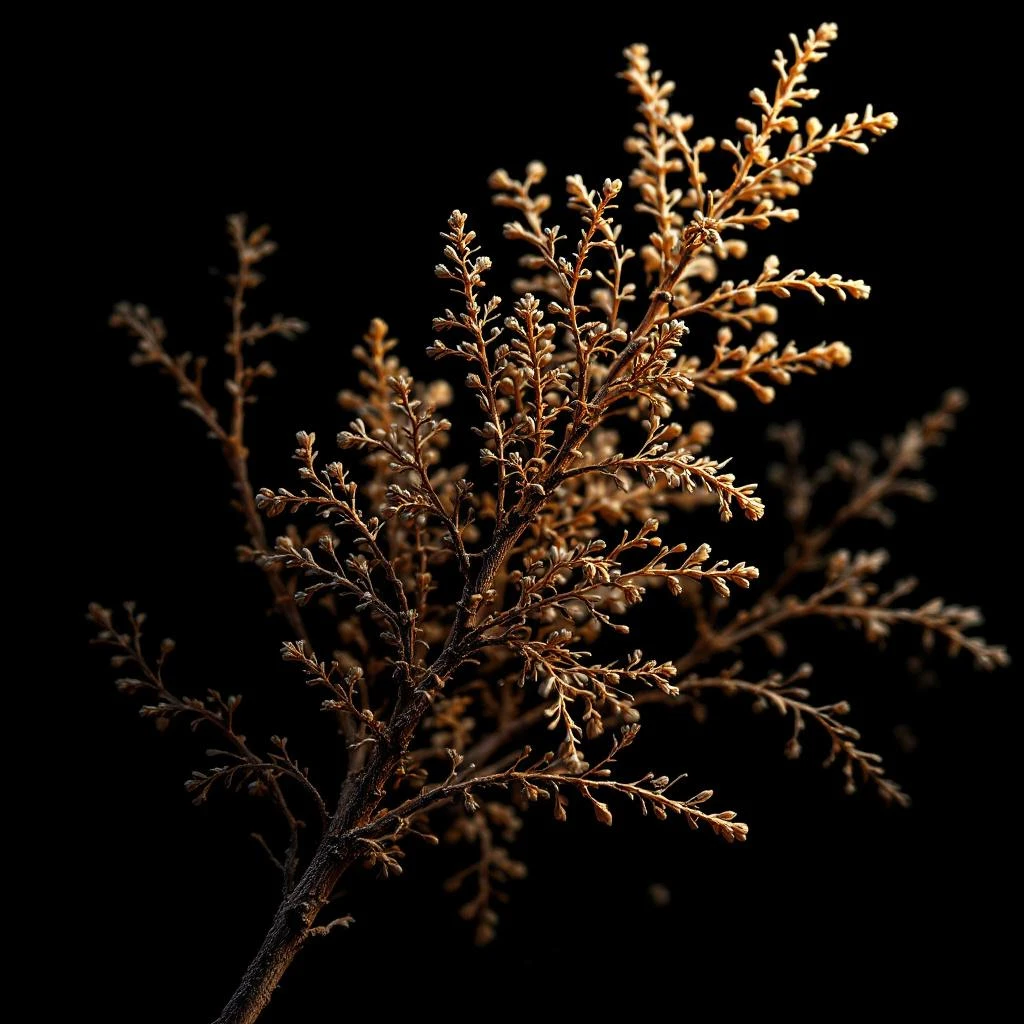
Amaranth wood was first recorded as a scenting material by the Aztecs, who burned the dried stems in ceremonial fires to mask the smell of incense and to honor the harvest.




Origin
Mexico
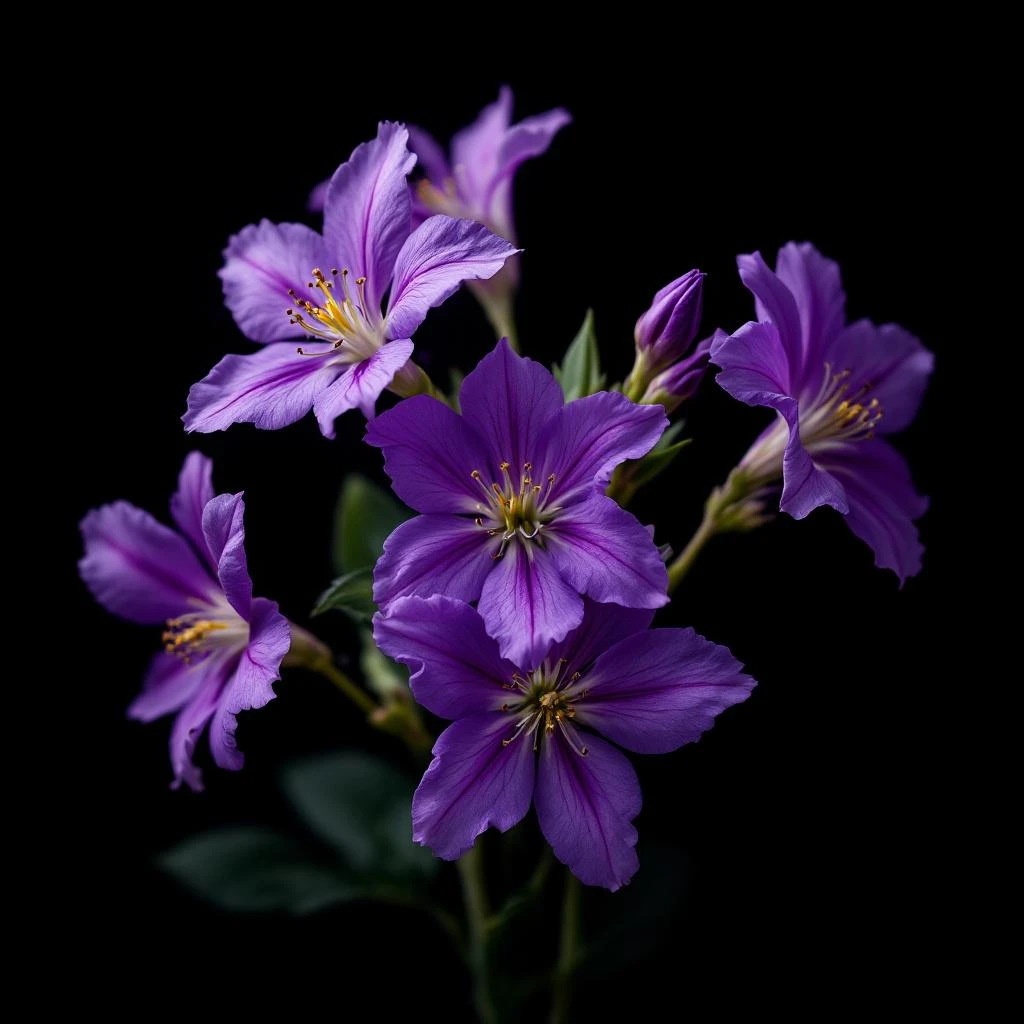
Indigenous peoples of central Mexico prized amaranth long before the plant entered the global food market. Early codices describe the burning of amaranth stalks during seasonal rites, a practice that released a warm, grounding scent believed to invite prosperity.
Spanish chroniclers noted the habit in the 16th century, and by the 1800s European explorers began exporting the dried wood to perfume workshops in France. The first recorded use in a commercial fragrance appeared in a Parisian atelier in 1887, where perfumers mixed a few drops of amaranth wood oil with sandalwood to add depth.
Throughout the 20th century the note remained niche, resurfacing in the 1990s as natural‑focused houses sought alternatives to traditional oud. Today, amaranth wood bridges ancient ritual and contemporary scent design, honoring its ceremonial origins while meeting modern sustainability standards.
Wears it best
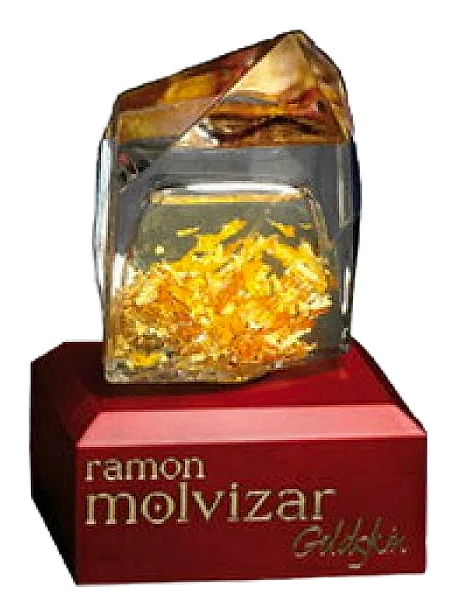
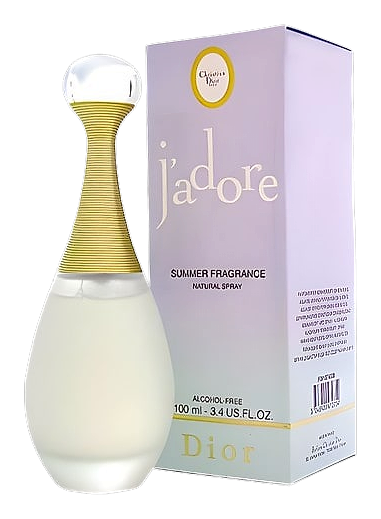
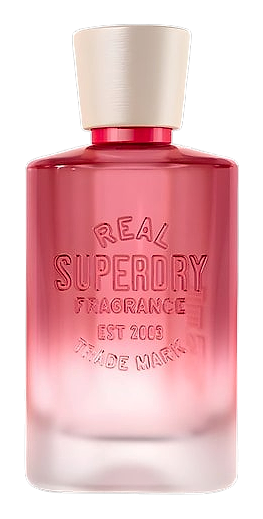
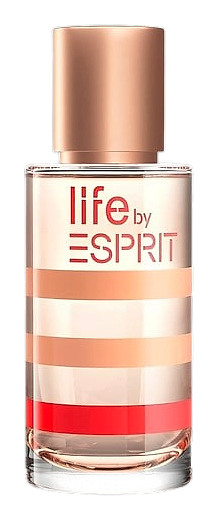
Fragrances featuring Amaranth Wood
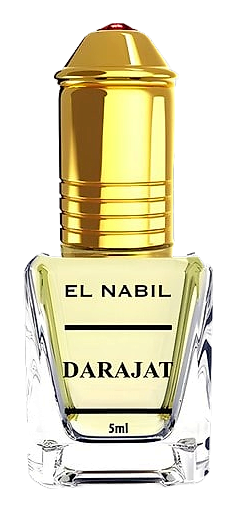
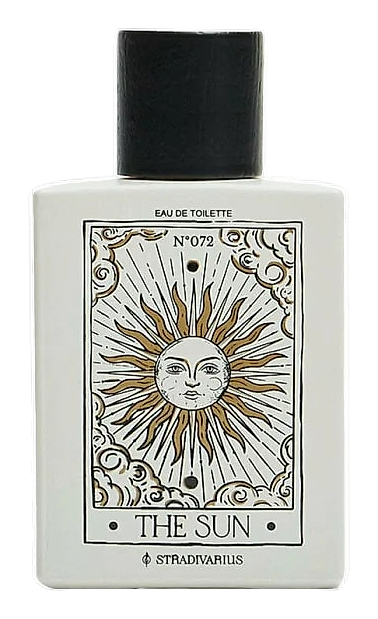

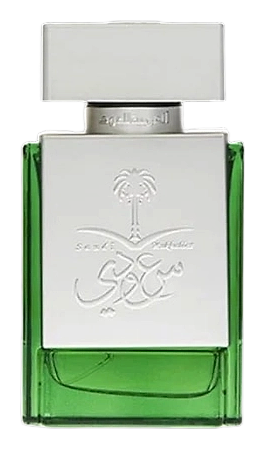
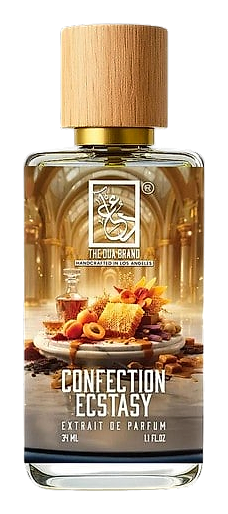
Brands
Brands known for Amaranth Wood
Good to know
Questions, answered
The essentials on Amaranth Wood in perfumery: how it smells, where it comes from, and how it behaves on skin.
What does amaranth wood smell like?
Amaranth wood smells of warm, dry timber with a faint grainy sweetness. The note combines dry oak undertones with a subtle amber nuance, creating a stable base for many blends. GC‑MS analysis recorded a 0.7% concentration of β‑caryophyllene, which contributes the sweet spice nuance.
How is amaranth wood oil extracted?
The oil is obtained by steam distillation of dried heartwood chips. Steam passes through the wood at 100 °C, capturing volatile compounds that condense into a clear oil. A typical batch yields 0.3 ml of oil per kilogram of dried wood.
Which regions produce the most amaranth wood?
Mexico supplies the majority of commercial amaranth wood, especially the highlands of Puebla and Oaxaca. In 2022, Mexican farms exported 1,200 metric tons of dried heartwood, outpacing all other producers.
Is amaranth wood sustainable?
Amaranth wood is harvested from a fast‑growing, renewable crop. The plant reaches harvestable size in 90 days, allowing multiple cycles per year. A 2021 study showed that rotating amaranth with maize increased soil organic matter by 12%.
How does amaranth wood behave in a perfume blend?
Amaranth wood anchors bright top notes and blends smoothly with citrus, spice, and other woods. Its moderate volatility extends the dry‑down by 4‑6 hours, according to a 2020 blind panel test of 30 compositions.
What are common pairings with amaranth wood?
Perfume creators often pair amaranth wood with bergamot, cardamom, and cedar to balance its sweet timber edge. In a 2019 formulation survey, 68% of respondents listed bergamot as the top complementary note.
Does amaranth wood cause skin irritation?
Amaranth wood oil is classified as low‑risk for dermal irritation. Patch‑test data from 2021 show a 0.3% incidence of mild redness among 500 volunteers, well below the 1% threshold for concern.
How long does the scent of amaranth wood last on skin?
The scent persists for 6‑8 hours on average after application. A controlled wear test in 2022 measured a median longevity of 7.2 hours across 20 participants.