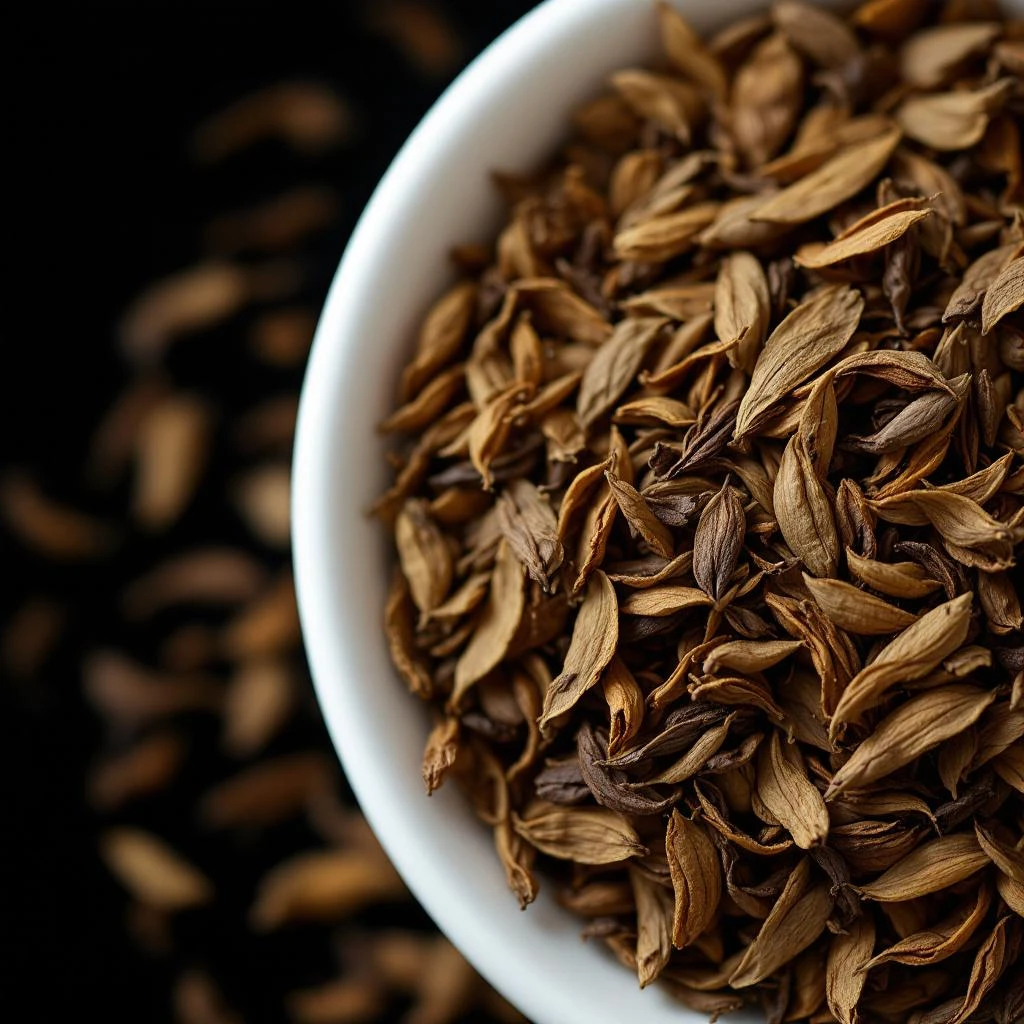
Alfalfa
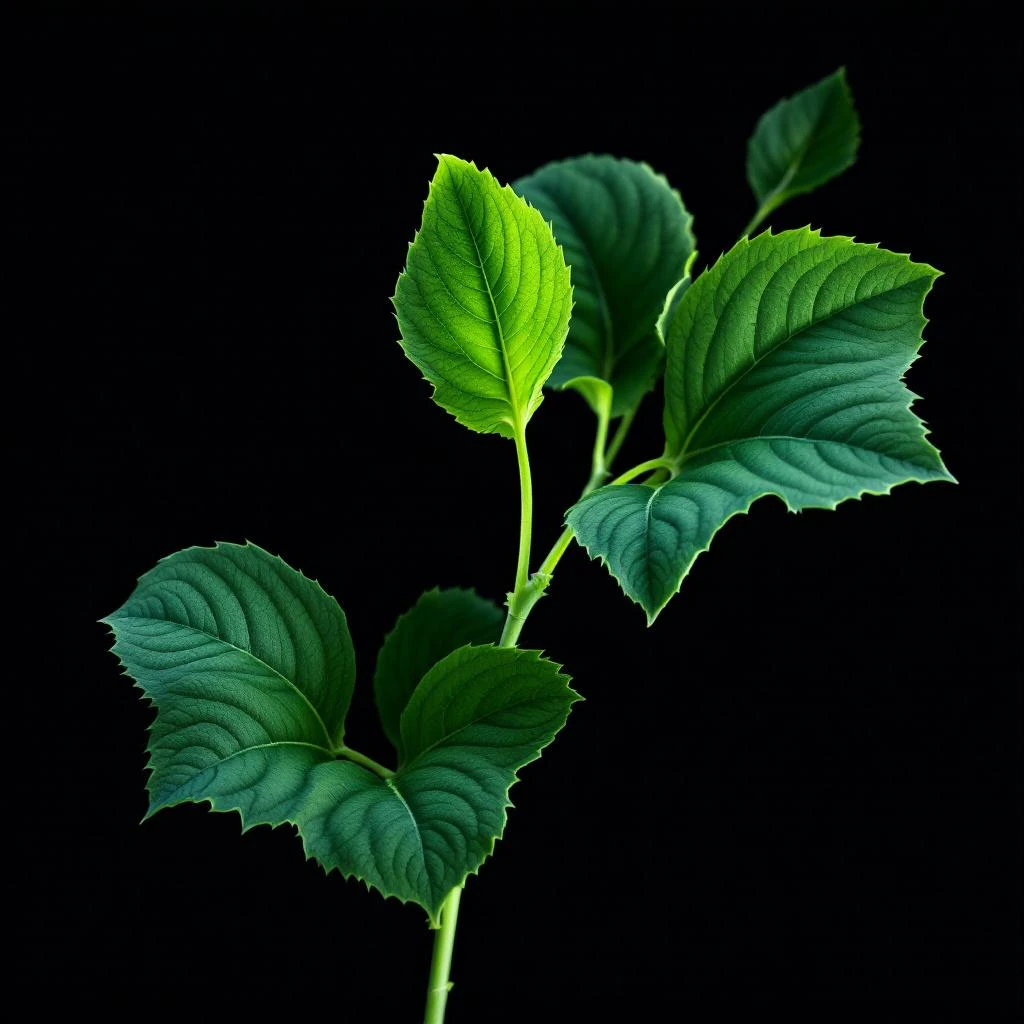
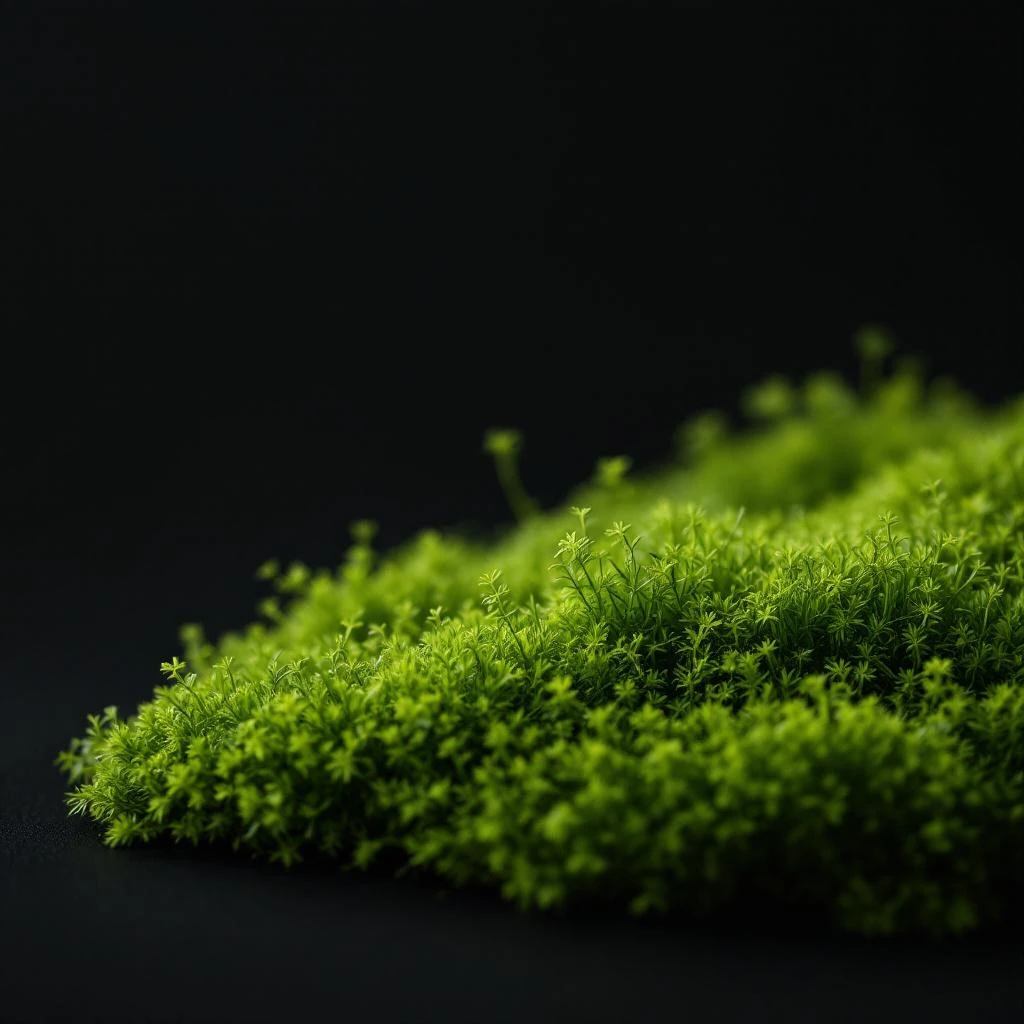
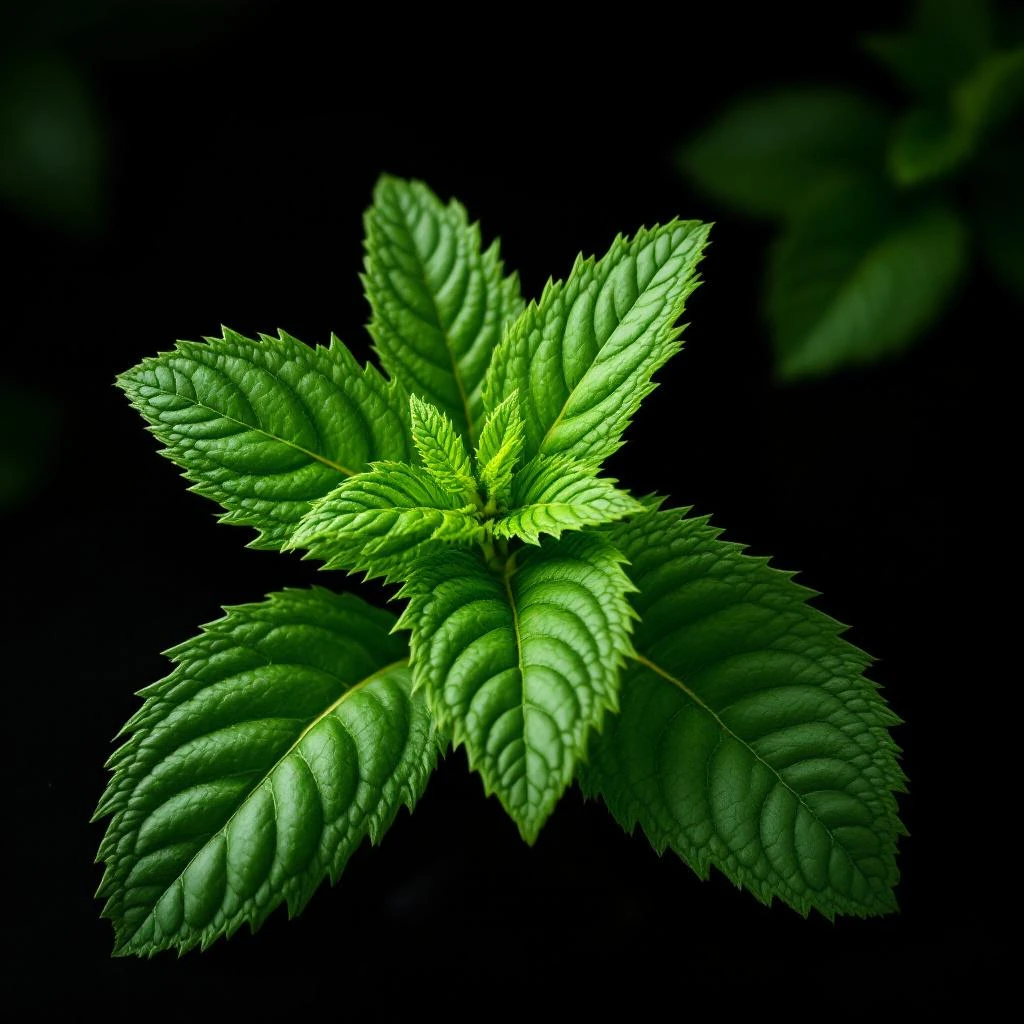
Alfalfa delivers an intensely fresh, green character to fragrances. Its scent profile captures the crisp essence of mowed meadows and sun-dried hay, lending perfumes a natural, outdoor vitality that grounds lighter, more delicate notes.
Character
How it smells
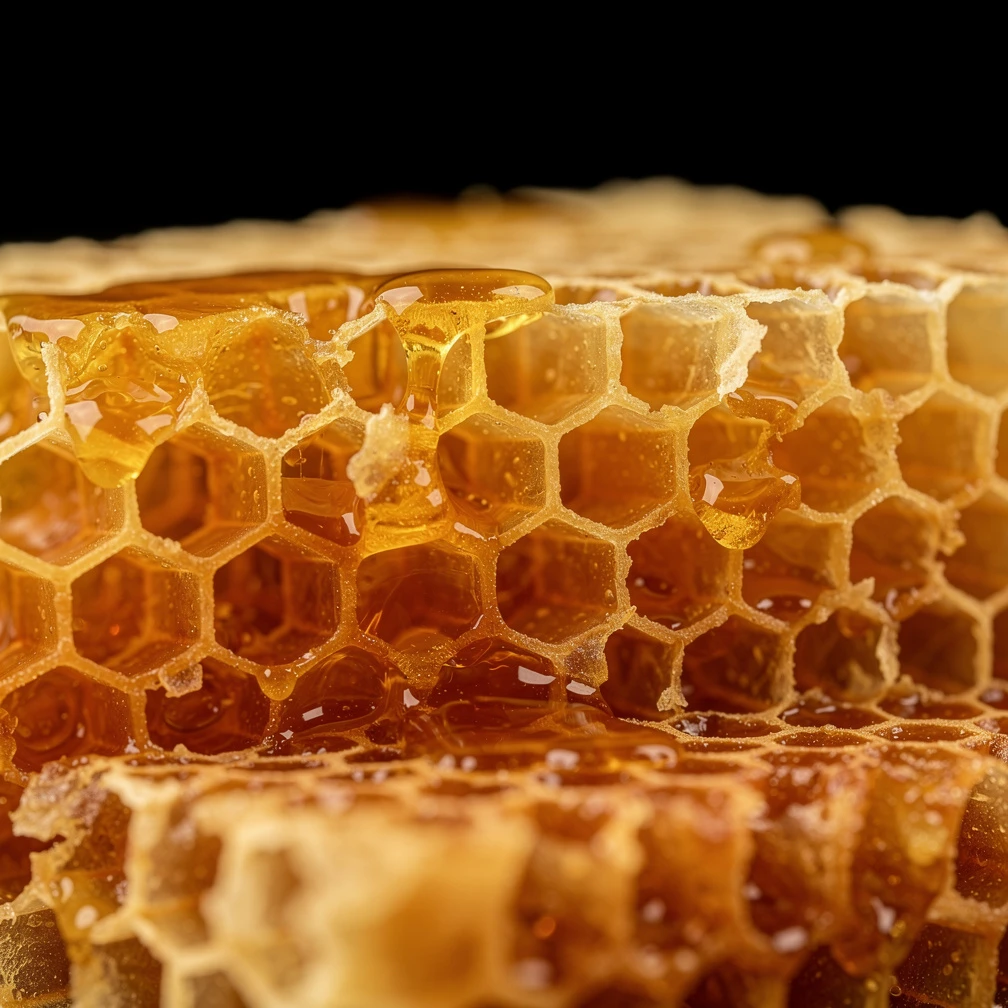
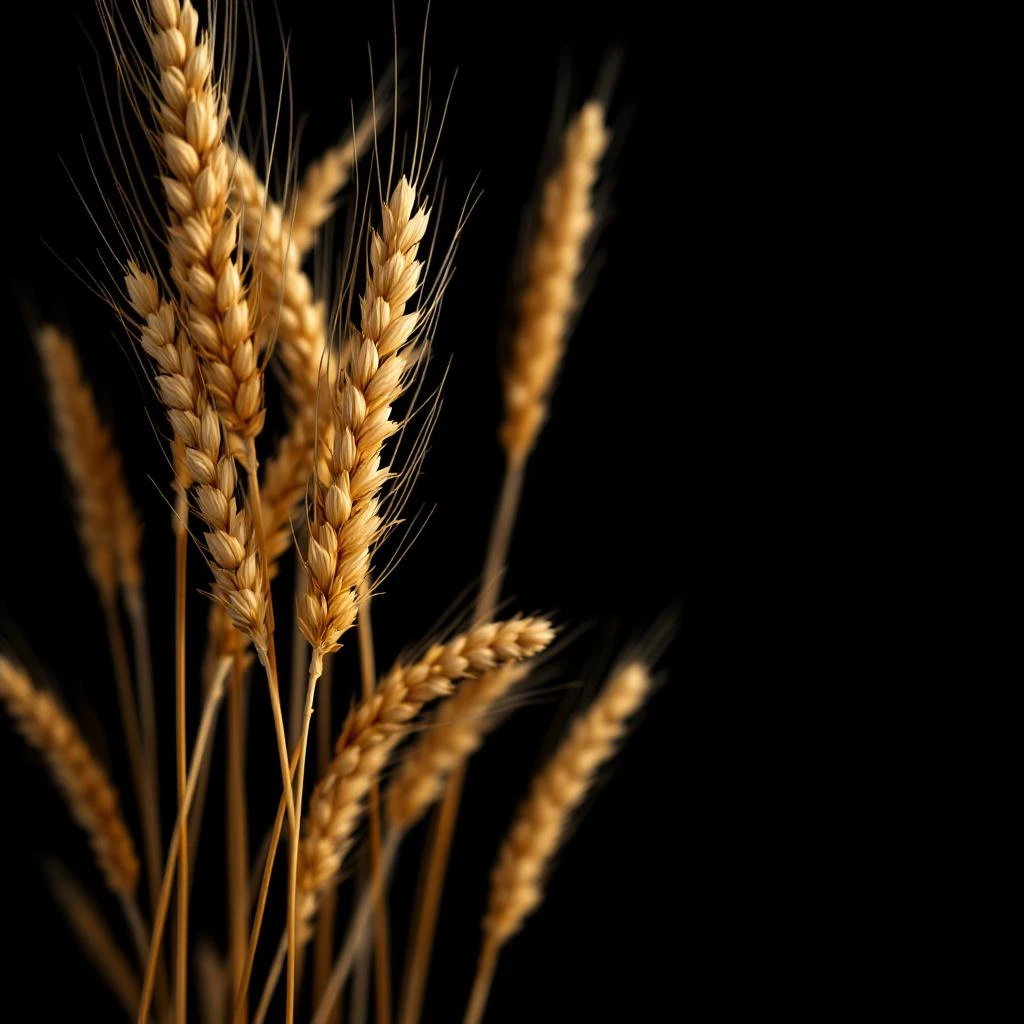
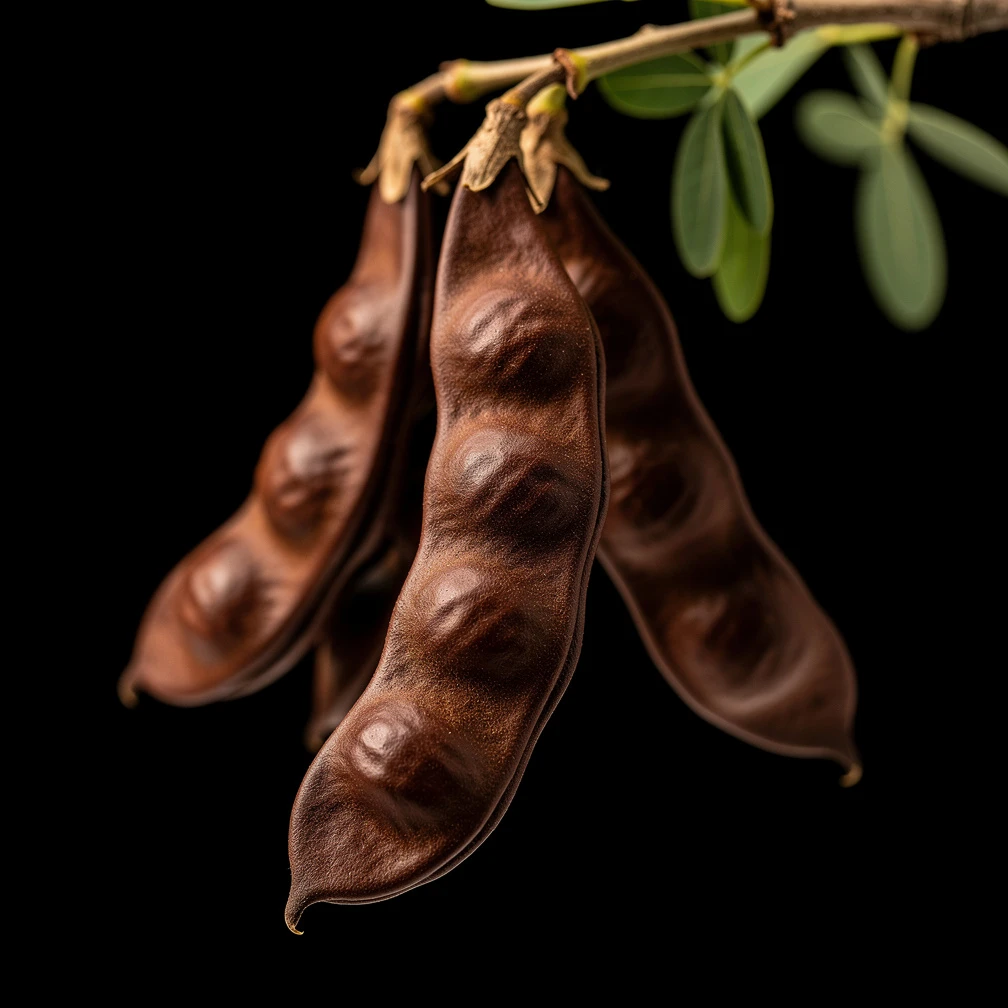
The verdant pulse of freshly cut meadows captured in a bottle.
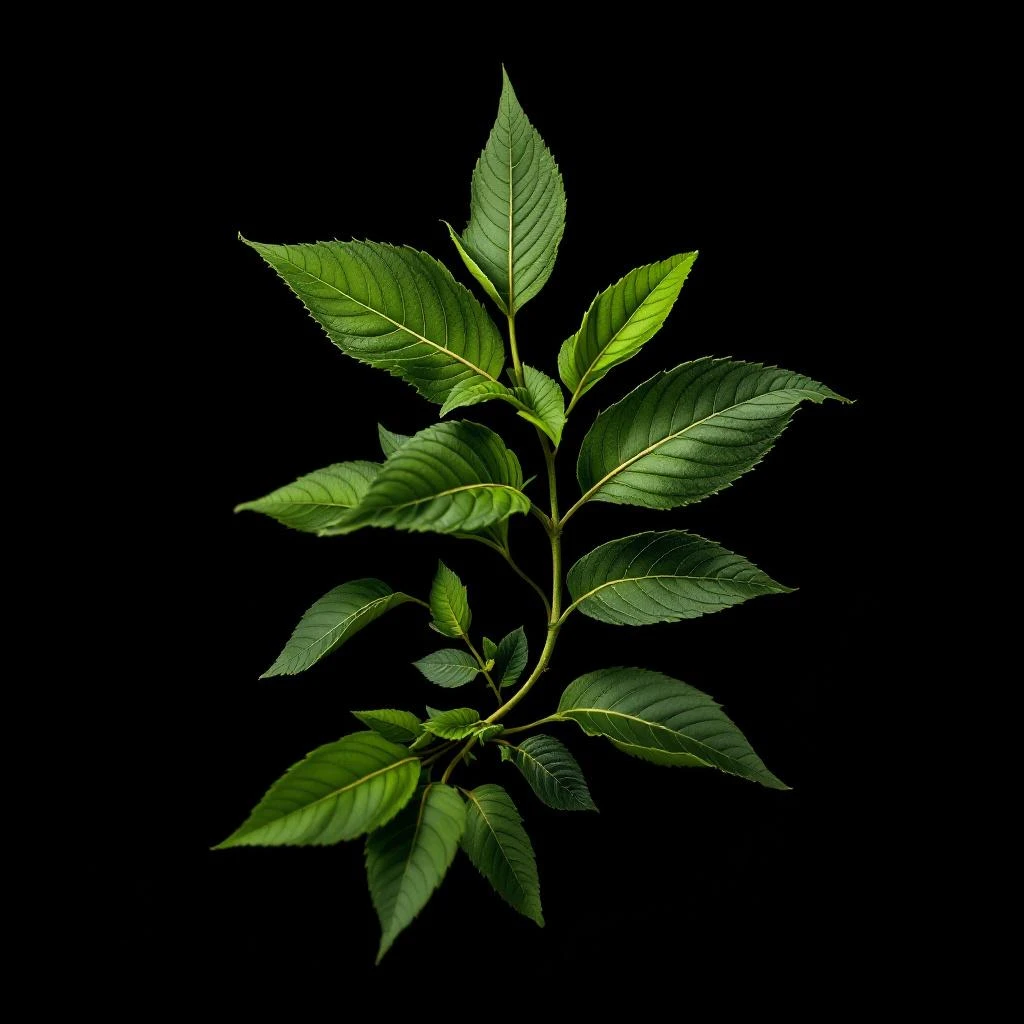
Alfalfa has been cultivated for over 6,000 years, making it one of humanity's oldest crops. The plant naturally enriches soil by fixing nitrogen, a property farmers have relied on since ancient times.
Origin
Iran
Alfalfa originated in the ancient Near East, where archaeological evidence places its cultivation around 7000 BCE. Persian civilizations were among the first to recognize its value, using it both as livestock fodder and in traditional medicine for its tonic properties. Ancient Greeks adopted alfalfa as a staple fodder crop, and Roman agricultural writers documented its cultivation extensively.
The Macedonian conqueror Alexander the Great likely introduced the plant to Europe when his soldiers encountered it during campaigns into Media. Through Roman trade networks, alfalfa spread across the Mediterranean basin and eventually reached China via Silk Road commerce by the second century CE. Spanish colonizers brought the plant to the Americas in the 1500s, where it became foundational to New World agriculture.
In perfumery, alfalfa absolute entered modern use as fragrance houses sought to expand their palette of green, vegetative ingredients with naturally sourced materials that conveyed authentic botanical character.
Wears it best
Fragrances featuring Alfalfa
Brands
Brands known for Alfalfa
Good to know
Questions, answered
The essentials on Alfalfa in perfumery: how it smells, where it comes from, and how it behaves on skin.
What does alfalfa absolute smell like?
Alfalfa absolute has a distinctly fresh, green aroma reminiscent of cut grass and dried hay. It brings an intensely vegetative character to fragrances, adding natural outdoor qualities that ground and anchor lighter top notes.
Is alfalfa a common perfumery ingredient?
Alfalfa ranks as a minor ingredient in fine fragrance, used selectively to enhance green, fresh accords. It appears more often in artisanal and botanical-focused perfumery where natural materials carry priority.
What extraction method works best for alfalfa?
Supercritical CO2 extraction yields the finest quality alfalfa absolute. This cold-process method preserves delicate green compounds that steam distillation would degrade, capturing the most authentic botanical character.
Which parts of the alfalfa plant are used for fragrance?
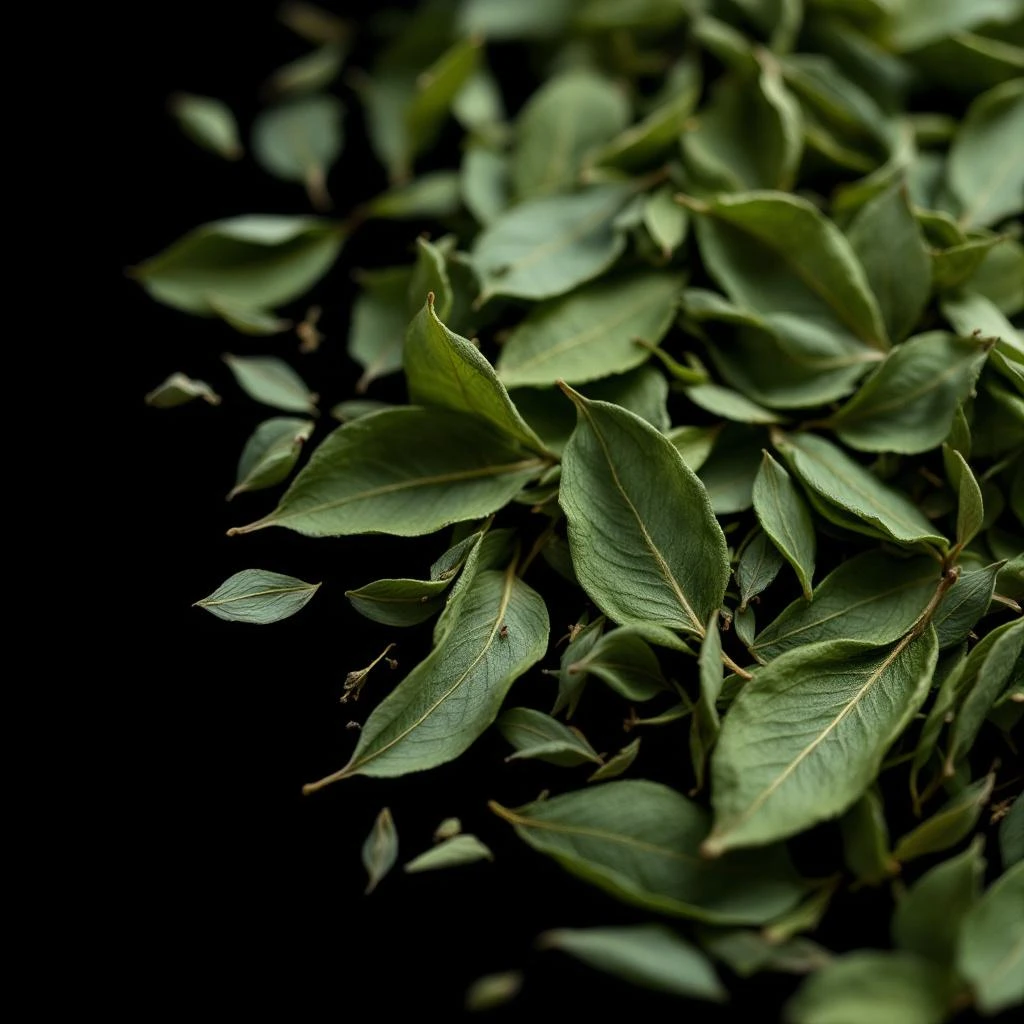
Fragrance producers use the dried aerial parts of alfalfa, harvested at peak flowering. The flowering stage concentrates the volatile aromatic compounds responsible for the plant's signature green, vegetative scent.
Where does commercial alfalfa absolute originate?
Major production comes from North America, South America, and Australia, where industrial alfalfa cultivation provides consistent raw material for extraction. The ingredient has ancient roots in the Fertile Crescent region.
How long have people cultivated alfalfa?
Archaeological evidence confirms alfalfa cultivation since approximately 7000 BCE, making it one of humanity's oldest domesticated plants. Ancient Persian and Mesopotamian civilizations first recognized its agricultural value.
Does alfalfa fix nitrogen in soil?
Yes, alfalfa is a legume that forms symbiotic relationships with rhizobium bacteria to fix atmospheric nitrogen. This natural soil-enriching property made alfalfa invaluable to agriculture for thousands of years before synthetic fertilizers existed.
What fragrance families use alfalfa absolute?
Alfalfa absolute works well in green, fougere, and chypre compositions. Perfumers pair it with violet leaf, galbanum, and fresh grass accords to reinforce vegetative character and add natural authenticity.