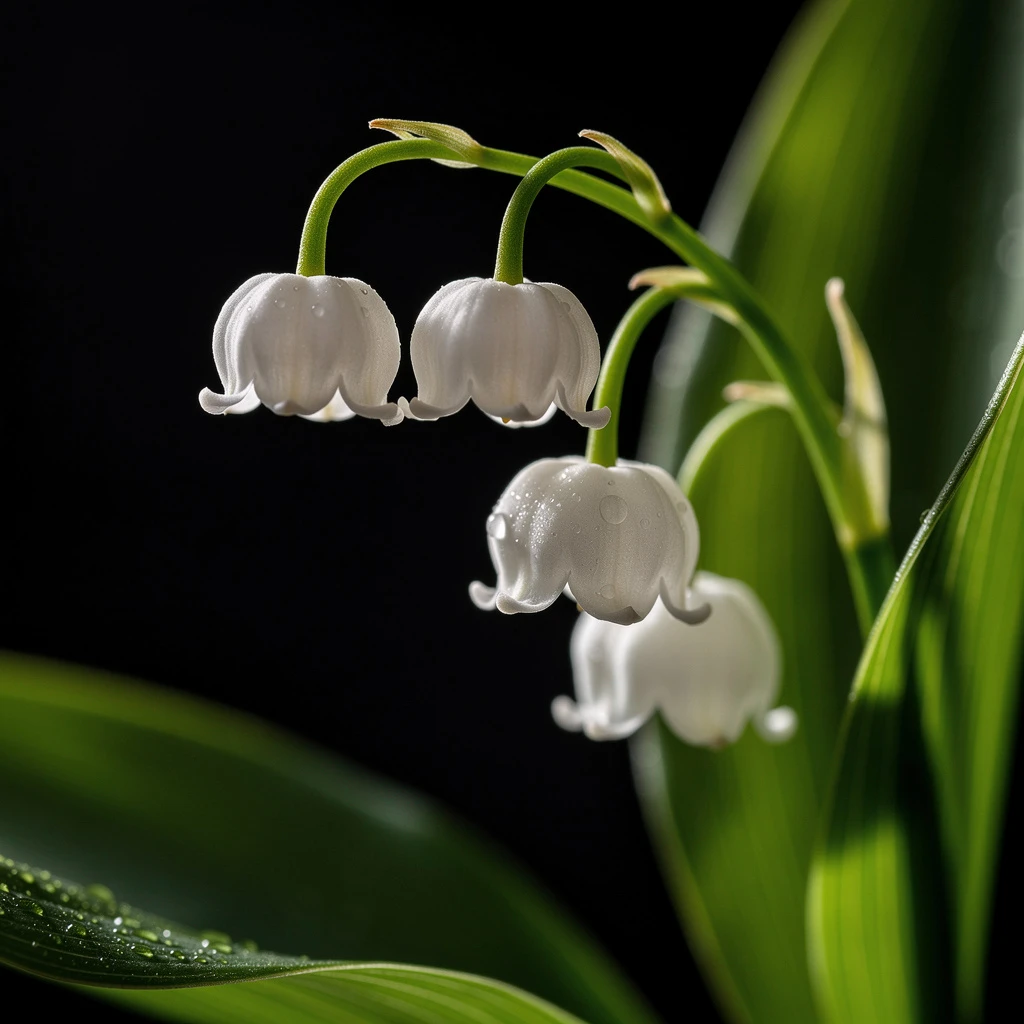
Deertongue
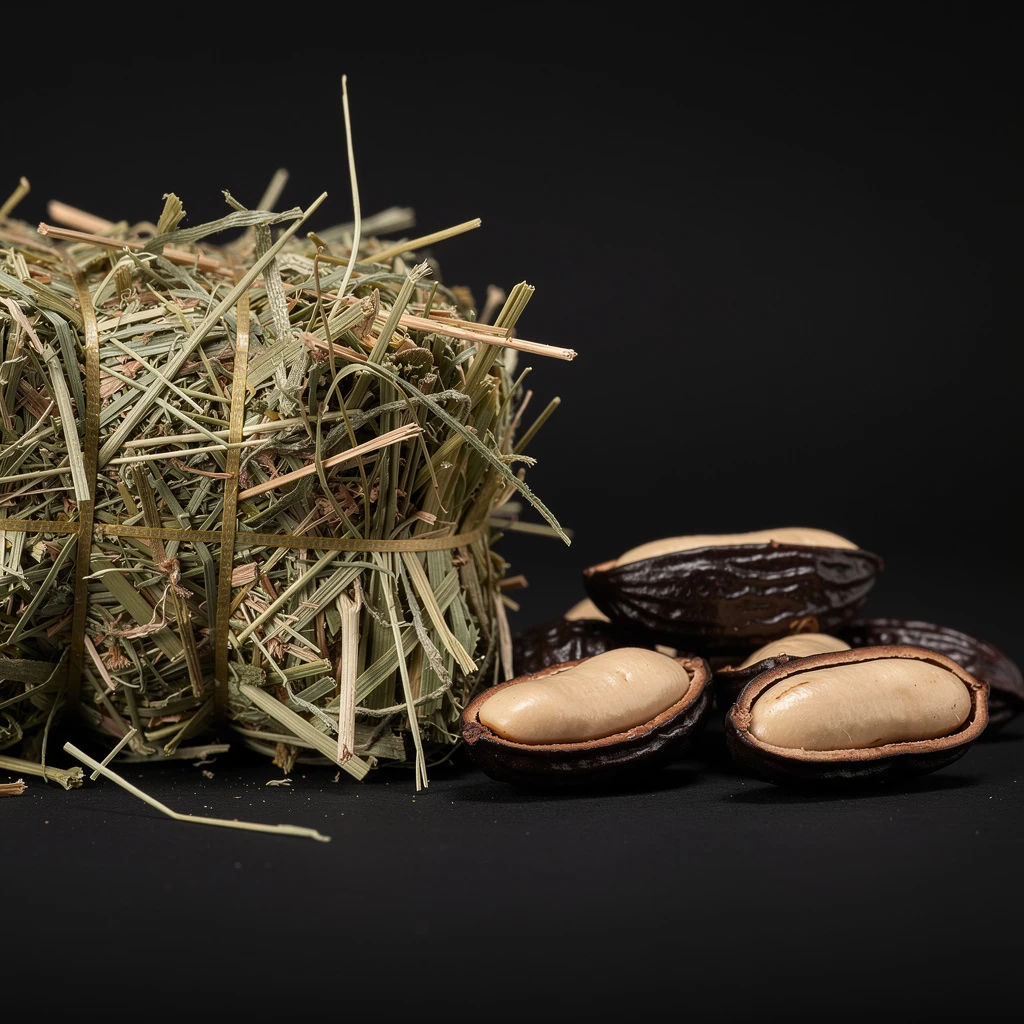
Deertongue is a North American wildflower prized in perfumery for its sweet, vanilla-kissed aroma. The leaves carry coumarin-rich oils that evoke warm hay and tonka bean, lending depth to base compositions.
Character
How it smells
North America's hidden vanilla treasure.
Early American perfumers used deertongue leaves to scent sachets before synthetic vanillin became commercially available in the 1890s.




Origin
United States
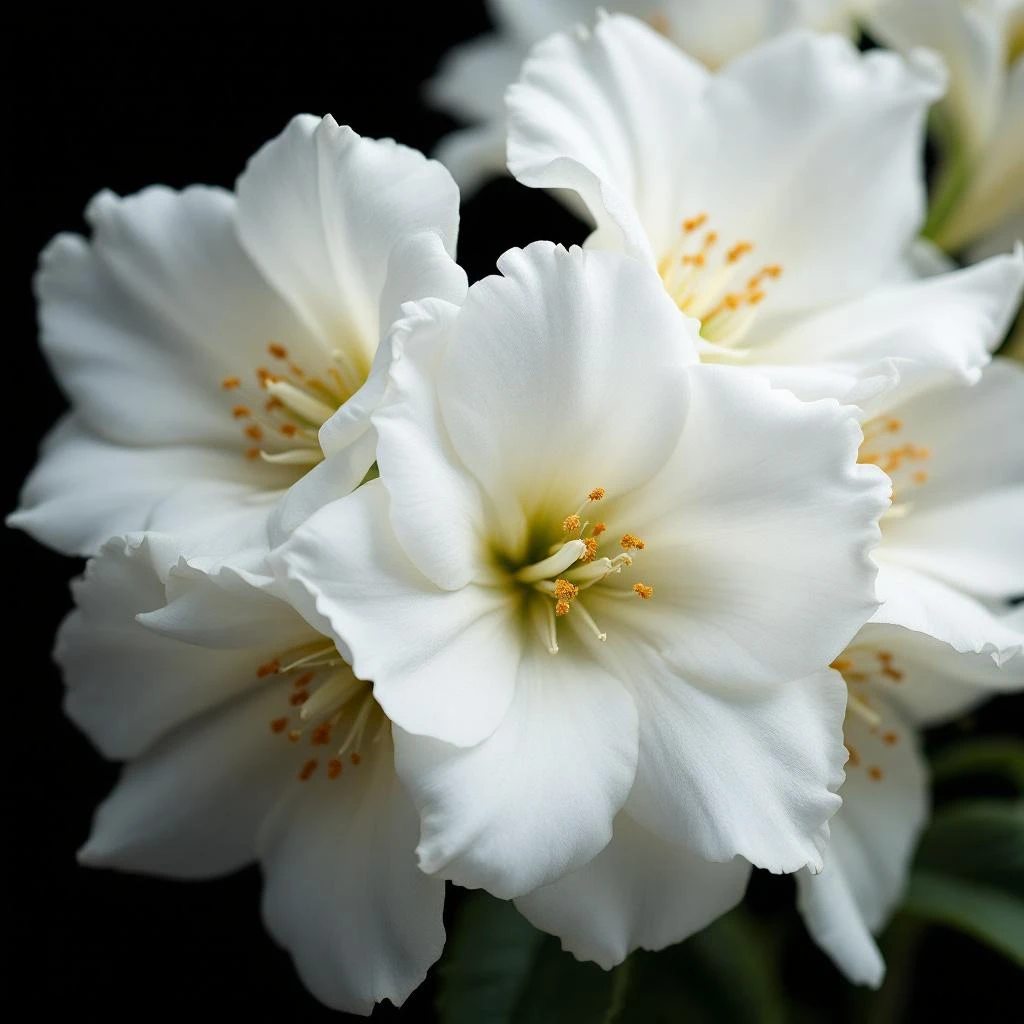
Native to the southeastern United States, deertongue (Liatris odoratissima) grew wild in pine barrens and dry grasslands from Florida to Virginia. Indigenous peoples used the fragrant leaves in ceremonial bundles and as a natural air freshener.
By the early 19th century, American perfume houses began incorporating deertongue absolute into their formulations, valuing its warm, vanilla-like character before synthetic alternatives existed. The ingredient became a staple in rustic sachets and potpourri blends throughout the Victorian era, fell from favor mid-century, and has recently drawn renewed interest from natural perfumers seeking regional North American materials.
Wears it best
Fragrances featuring Deertongue
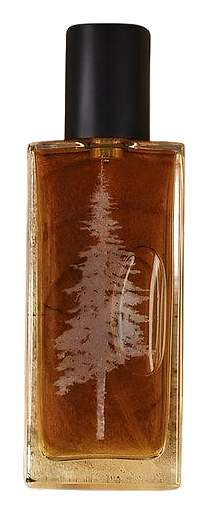
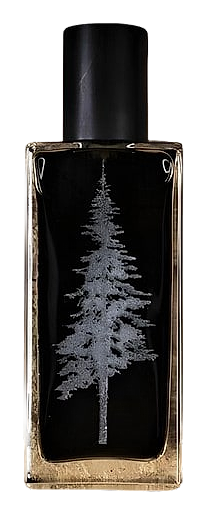
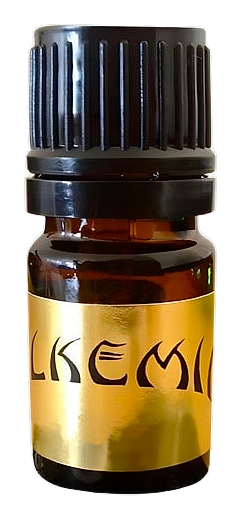
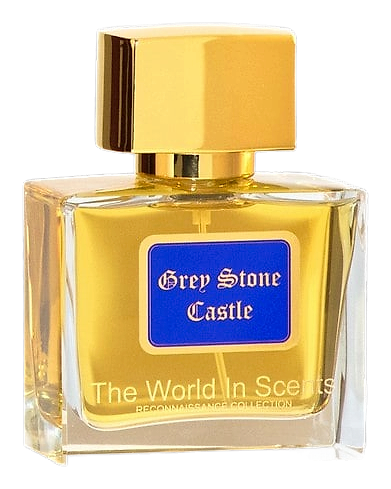
Brands
Brands known for Deertongue
Good to know
Questions, answered
The essentials on Deertongue in perfumery: how it smells, where it comes from, and how it behaves on skin.
What does deertongue smell like?
Deertongue carries a sweet, warm aroma reminiscent of vanilla and tonka bean, with hay-like and slightly coumarin-rich facets that add depth to fragrance bases.
Is deertongue used in modern perfumery?
Deertongue absolute appears occasionally in niche natural perfumery, particularly in botanical-focused or American-heritage fragrance lines. It remains a specialty ingredient rather than a mainstream material.
Does deertongue contain coumarin?
Yes, deertongue leaves contain natural coumarin, which produces the characteristic sweet scent. This compound also occurs in tonka bean, sweet clover, and various grass species.
Where does deertongue grow?
The plant grows natively across the southeastern United States, thriving in pine flatwoods and sandy savannas from Florida north to Virginia.
Can deertongue be synthetically replicated?
Synthetic coumarin can approximate deertongue's sweet note, but the full botanical contains a complex blend of aromatic compounds that complete fragrance compositions value for their natural nuance.
What other names is deertongue known by?
The plant is also called vanilla plant, marsh blazing star, and scientifically Liatris odoratissima or Carpheola odoratissima.
Is deertongue safe for cosmetic use?
Natural coumarin content means deertongue absolute faces regulatory restrictions in some markets. Professional formulation guidance is essential for compliant cosmetic and fragrance use.
What type of fragrance compositions use deertongue?
Deertongue works best in oriental, vanilla, andchypre compositions where its warm, coumarin-like base note adds herbal depth and natural sweetness.
In the same family