Albanian Juniper Berry
Albanian juniper berry oil delivers a crisp, resinous brightness that anchors aromatic compositions. Cold-pressed character meets conifer depth in this Balkan-sourced classic.
Character
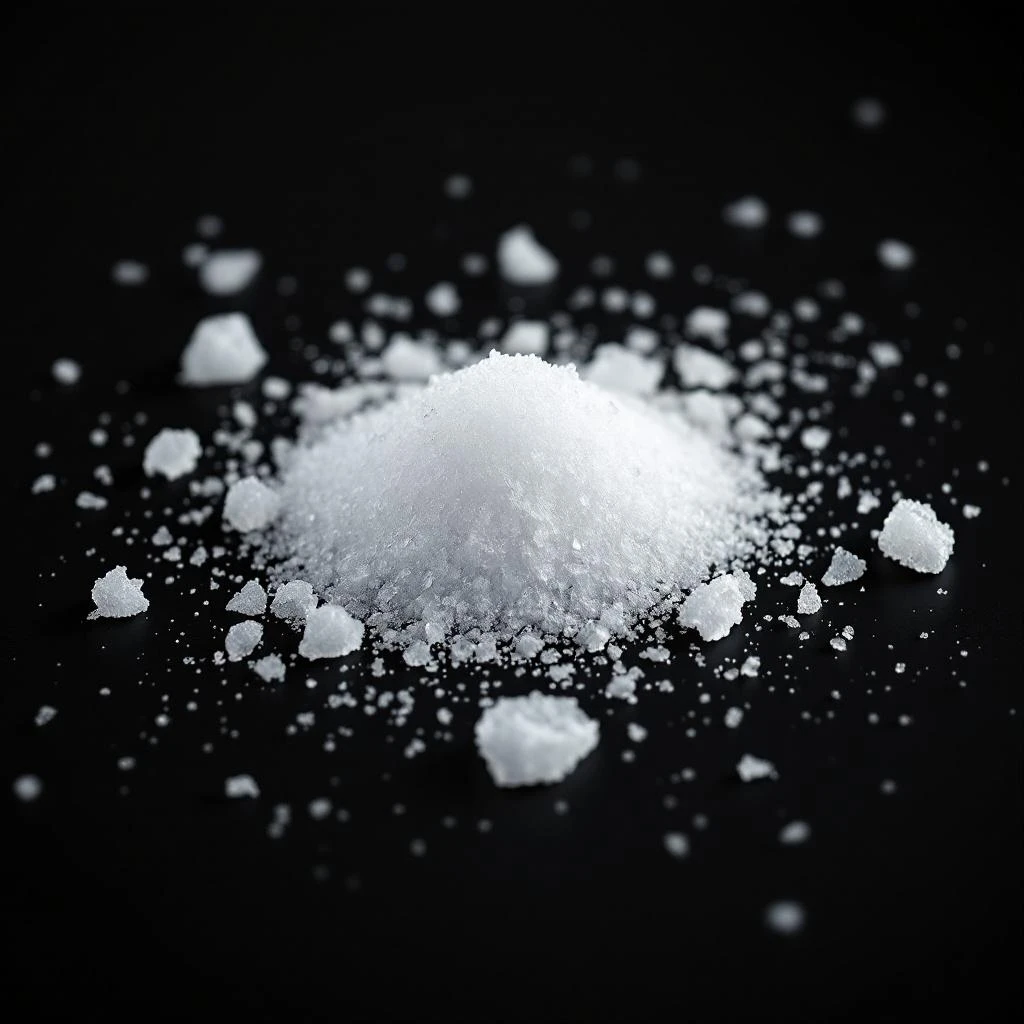
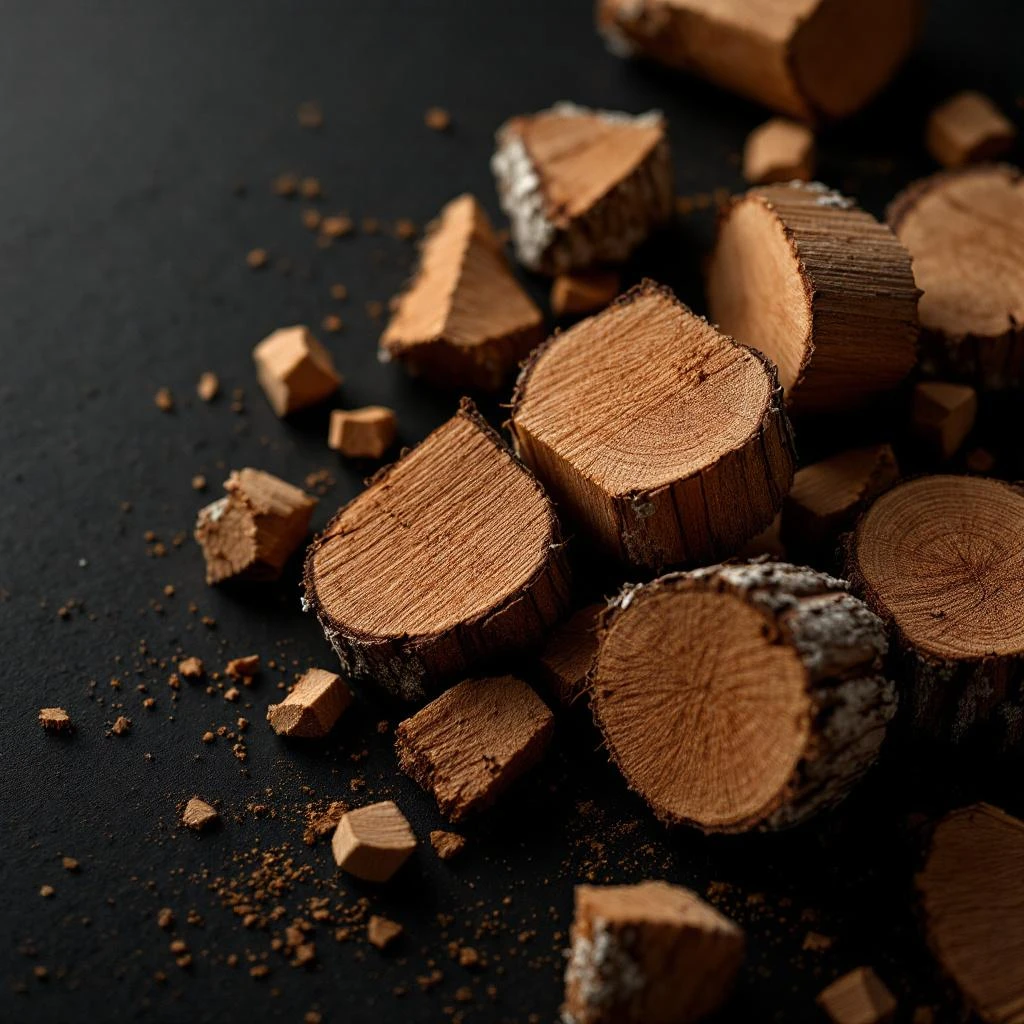
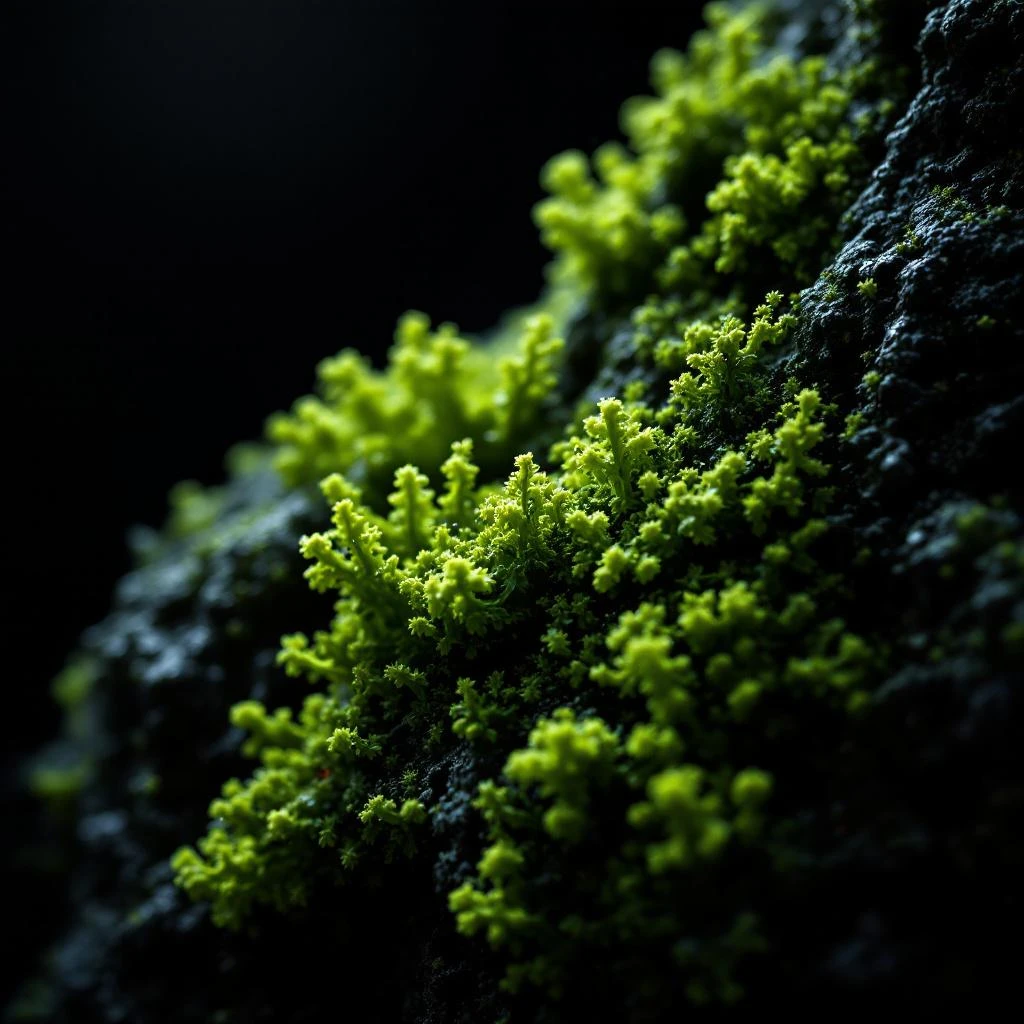
How it smells
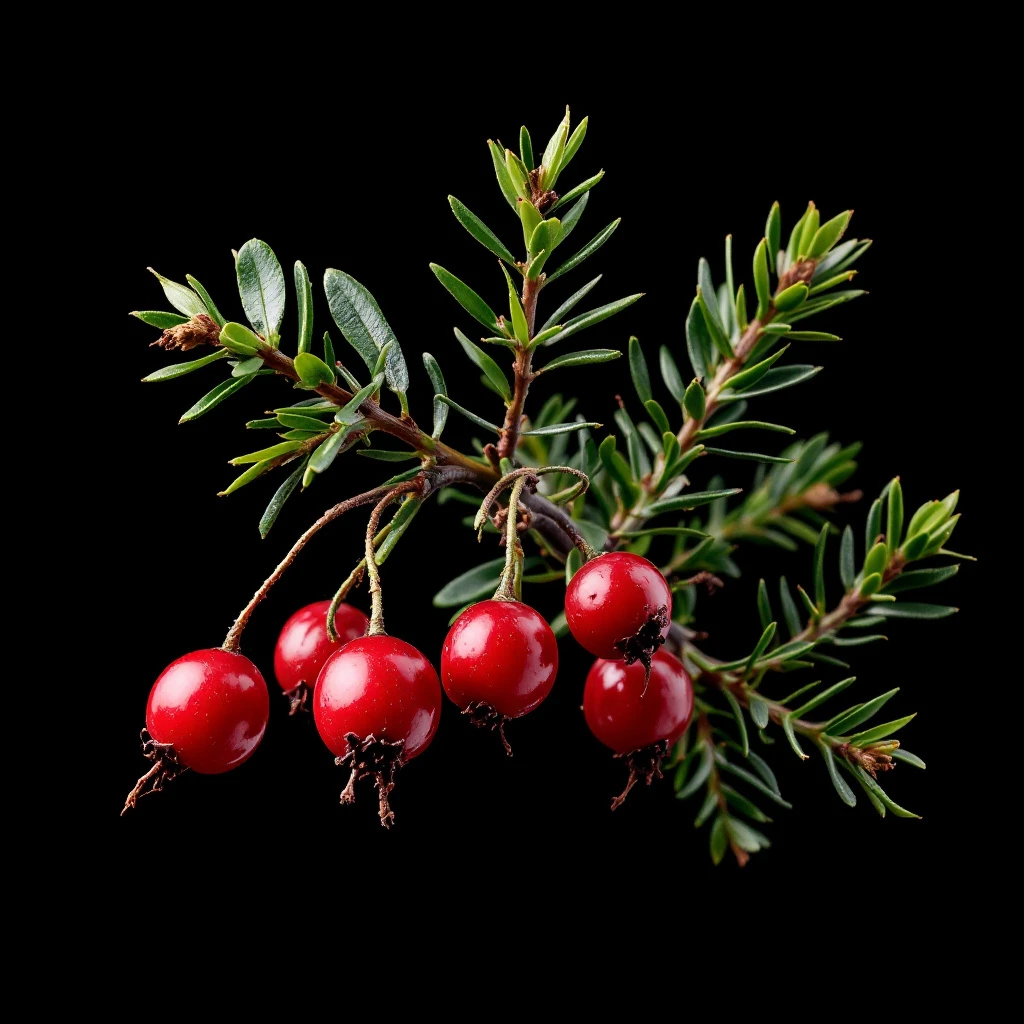
What we call juniper berries are technically fleshy seed cones, the only one used as a primary spice in modern Western cuisine.


Origin
Albania
Juniper's aromatic legacy stretches back centuries, with archaeological evidence suggesting its use in ancient Egyptian and Greek medicinal and ritual practices. The earliest documented use of juniper as a flavoring spirit appears in 17th-century European texts, laying the groundwork for what eventually became gin. Albanian juniper harvesting traditions run parallel to this broader history, with rural communities gathering wild berries for centuries as both folk medicine and trade commodity.
Throughout the 20th century, production expanded across central and southern Europe, establishing the Balkans as a premier source region for high-grade juniper berry oil. Albania's particular contribution emerged from its extensive wild shrub populations and traditional harvesting knowledge passed through generations. The country's juniper industry formalized as international demand for natural aromatic ingredients grew, though many harvesting practices remain tied to small-scale, artisanal methods.
Today, Albanian juniper oil occupies a specific niche in fine perfumery, valued for the distinctive character imparted by the region's soil composition, altitude, and climate. This geographic specificity makes it functionally distinct from juniper oils sourced elsewhere in Europe.
Wears it best
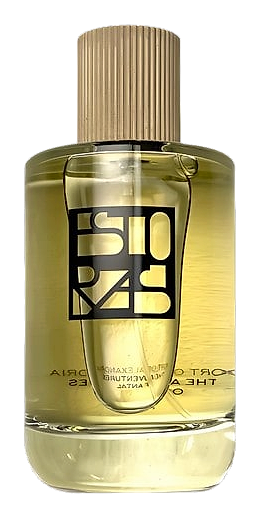
Fragrances featuring Albanian Juniper Berry
Brands
Brands known for Albanian Juniper Berry
Good to know
Questions, answered
The essentials on Albanian Juniper Berry in perfumery: how it smells, where it comes from, and how it behaves on skin.
What does Albanian juniper berry oil smell like?
Albanian juniper berry oil smells crisp, piney, and slightly resinous, with a clean brightness dominated by alpha-pinene. The character carries subtle green and woody undertones that distinguish it from oils sourced in other Balkan regions.
Is Albanian juniper berry oil different from other juniper oils?
Albanian juniper berry oil can differ based on chemotype, with alpha-pinene levels often exceeding 30 percent. Geographic factors including Albania's altitude and soil composition produce a specific aromatic profile valued in fine perfumery applications.
What is the CAS number for juniper berry oil?
The CAS number for juniper berry essential oil is 8012-91-7. This identifier helps verify material authenticity and supports regulatory documentation in commercial fragrance production.
How is juniper berry oil extracted in Albania?
Albanian juniper berry oil is typically produced through steam distillation of dried, crushed berries in copper stills. The process requires approximately 70 kilograms of berries for each kilogram of finished oil.
What perfumes commonly use Albanian juniper berry oil?
Albanian juniper berry oil appears most often in aromatic fougère compositions, where it anchors the herbal heart alongside lavender and sage. Its crisp character also suits fresh woody and conifer-forward fragrance structures.
Can juniper berry oil be used in aromatherapy?
Juniper berry oil serves both perfumery and aromatherapy applications, valued for its fresh conifer aroma. The CO2 extract variety captures a broader chemical spectrum suited to creative blending work.
Why is Albania a premier source for juniper berry oil?
Albania ranks among premier juniper berry oil sources due to extensive wild Juniperus communis populations and generations of harvesting knowledge. The country's mountainous terrain produces berries with consistent oil content and distinctive chemotype characteristics.
Are juniper berries actually berries?
Juniper berries are technically fleshy seed cones, not true berries. They remain the only cone widely used as a primary spice in modern Western cuisine and distilling.