
The Story
Why it exists.
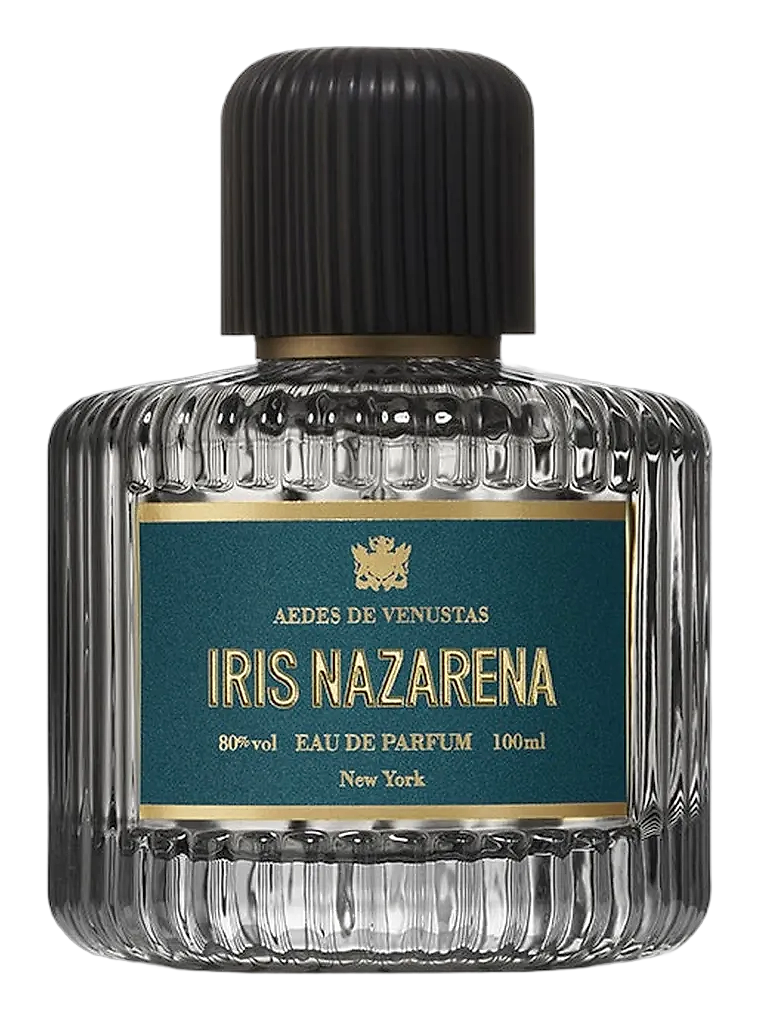
Iris Nazarena takes its name from the Bismarck iris, a variety that grows wild in the hills east of Nazareth, the flower the brand calls Nazarene. Perfumer Ralf Schwieger chose this specific iris for what it brought to the composition, a cooler, more mineral quality that reads almost chalky rather than floral. The Bismarck variety carries a character that the more common perfumery irises do not. The result is an iris that behaves unlike most of what you'll find under that name in perfumery.
If this were a song
Community picks
Wandering Star
Portishead
The Beginning
Iris Nazarena takes its name from the Bismarck iris, a variety that grows wild in the hills east of Nazareth, the flower the brand calls Nazarene. Perfumer Ralf Schwieger chose this specific iris for what it brought to the composition, a cooler, more mineral quality that reads almost chalky rather than floral. The Bismarck variety carries a character that the more common perfumery irises do not. The result is an iris that behaves unlike most of what you'll find under that name in perfumery.
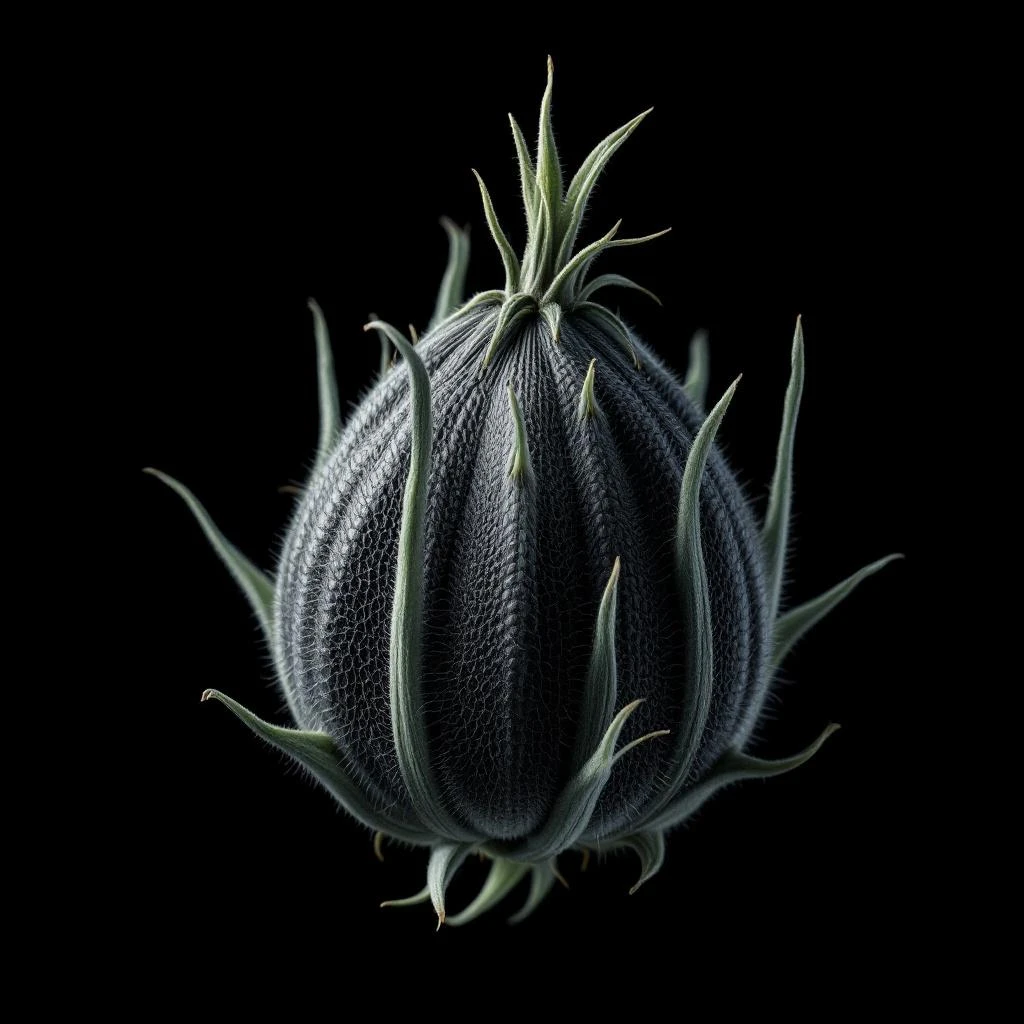
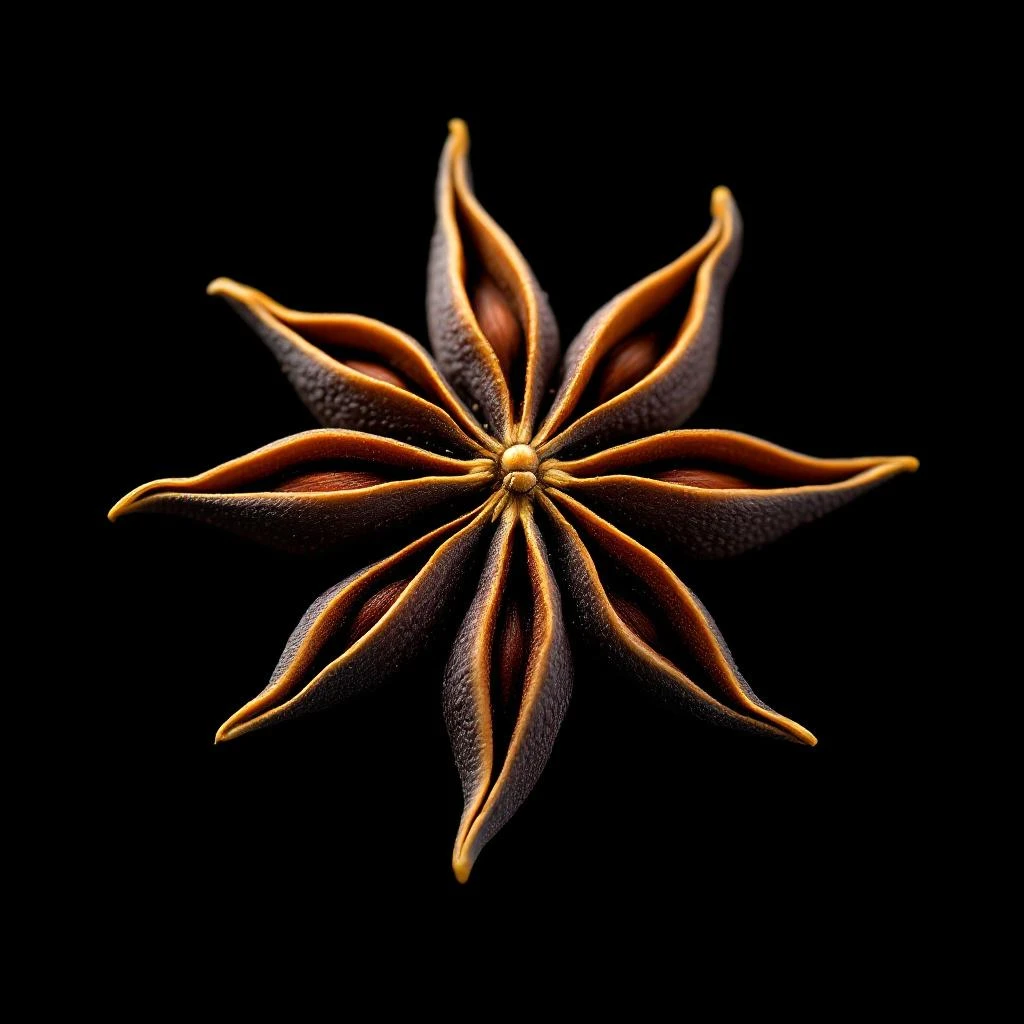
The challenge with iris as a material is that it's expensive and often arrives in diluted or synthetic form. Schwieger did not try to soften that reality. In Iris Nazarena, the iris leans into its own nature, embracing the powdery, orris-like character rather than stepping back from it. Incense, oud, and leather provide enough weight to support the flower without erasing it. Ambrette, the musky mallow seed, adds warmth underneath. There is also a quiet aniseed sweetness in the blend that keeps the mineral quality company.
The Evolution
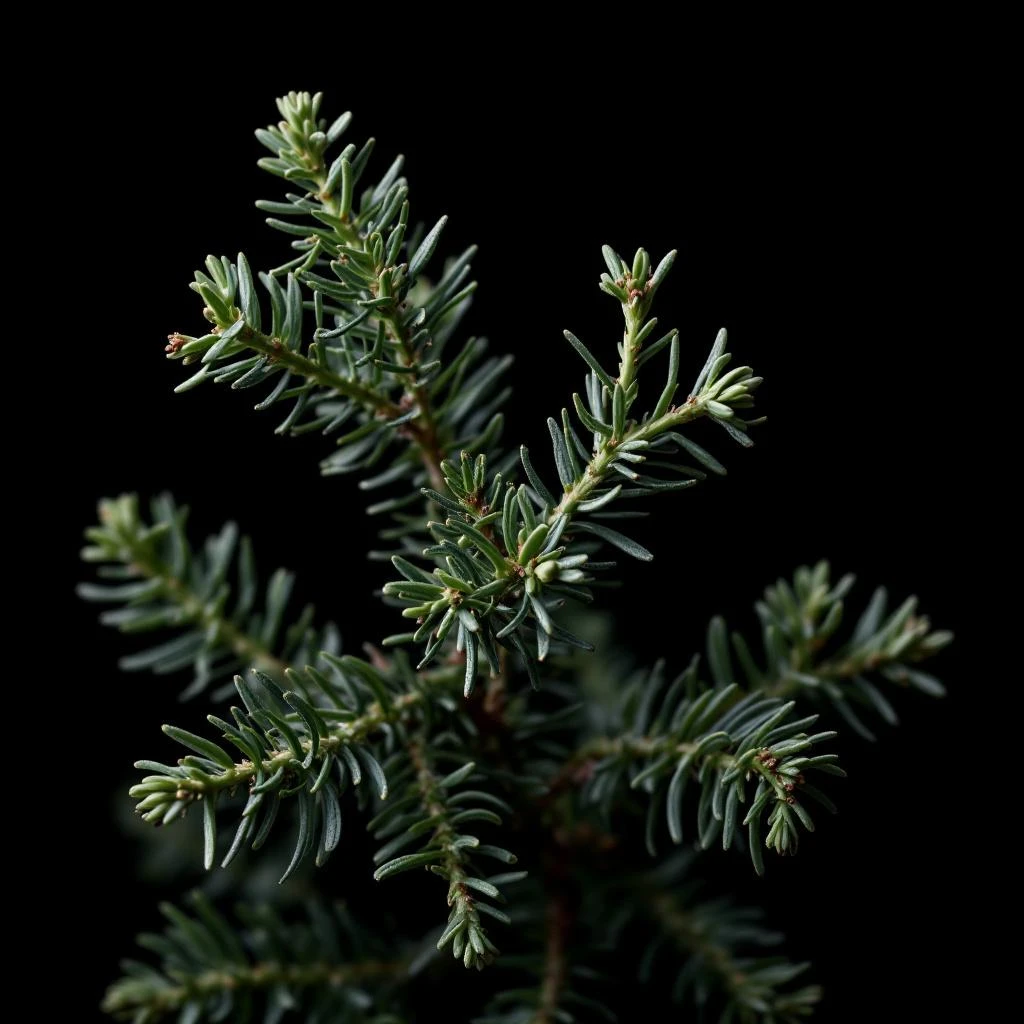
The vetiver leaves a smoky, earthy impression that lingers. As the composition settles, the iris loses its powdery brightness and becomes something more mineral, almost like cold soil. In the late drydown the scent leans into smoky vetiver, warm amber, and a ghost of that root iris. Not sweet. Not soft. Just there, and still interesting. Each wearing reveals something new about how the materials interact as the fragrance develops on your skin.
Cultural Impact
Iris Nazarena won Fragrance Foundation recognition in 2014, one of the higher honors in niche perfumery. The shift from powdery opening to smoky, leathery drydown is what makes it distinctive, and divisive. The fragrance is not the easiest entry point, but it rewards attention. Each wearing reveals something new about how the materials interact.
The House
United States · Est. 1995
Aedes de Venustas occupies a singular position in niche fragrance. The house emerged from a New York perfumery boutique founded in 1995 by Robert Gerstner and Karl Bradl, becoming a bridge between the old-world ateliers of Europe and the experimental spirit of downtown Manhattan. The brand carries the aesthetic of its West Village origins into its current Lower East Side home on Orchard Street, where collectors and fragrance enthusiasts continue to discover its compositions. Aedes de Venustas perfumes are known for their narrative depth, often drawing on architectural references, material histories, and aromatic memories that resist easy categorization. The house operates with deliberate restraint, releasing new work sparingly and maintaining an identity rooted in curiosity rather than trend.
If this were a song
Community picks
Cool mineral iris meets smoky leather depths, this is a fragrance that starts powdery and arrives somewhere darker. The mood is contemplative and slightly austere, the kind of scent you'd wear when the hour turns and the light drops.
Wandering Star
Portishead