
The Story
Why it exists.
The beginning
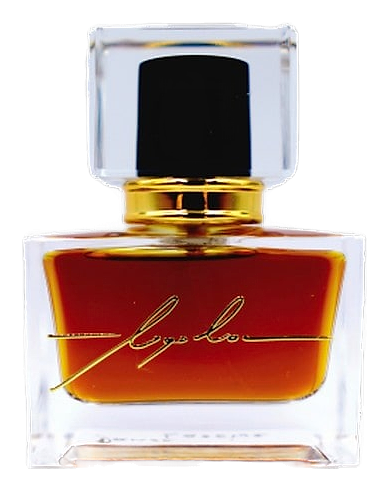
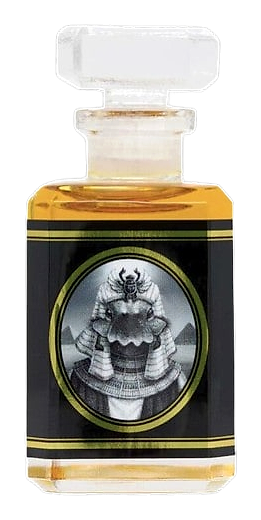
Sacred Scarab draws its name from ancient Egyptian Kyphi incense, a sacred blend burned in temples, now reimagined for the skin. Sultan Pasha composed this attar version as a richer, more nuanced evolution of the acclaimed Extrait de Parfum, translating the ritual into scent that lingers close.
The attar format sets this apart. Oil-based rather than alcohol, attars offer a different intimacy, a skin-warm presence rather than room-filling projection. The double appearance of red wine in both heart and base speaks to how deeply it threads through the composition, anchoring the sweeter fruit notes in something fermented and resinous. Galbanum's green bite keeps the resins from becoming too heavy, a counterpoint that prevents the whole thing from collapsing into sweetness. This is structured patience.
The evolution
The opening is brief but striking. Aldehydes lift the lemon, creating a waxy brightness that fades within 30 minutes. Then the heart arrives, plum and blue lotus sweeten the wine, and that's when the civet becomes unmistakable. Not aggressive, but present. The resins begin their slow ascent in the second hour. By the third hour, myrrh, frankincense, and benzoin dominate, warm, balsamic, almost smoky. The drydown is where this lives: amber, cedar, labdanum, and musk settling into something close and persistent. 6-8 hours on most skin, intimate rather than announced.
Cultural impact
Since its 2023 debut, Sacred Scarab Attar has developed a following among niche collectors drawn to its Kyphi incense concept and Sultan Pasha's signature layering of resins and animalic notes. The attar format positions it as a contemplative wear, for evenings, for solitude, for those who find meaning in fragrance that asks something of its wearer rather than announcing itself. It sits comfortably alongside other resin-forward niche releases, though its Egyptian incense concept and limited production give it a specific appeal.