The Story
Why it exists.
The beginning
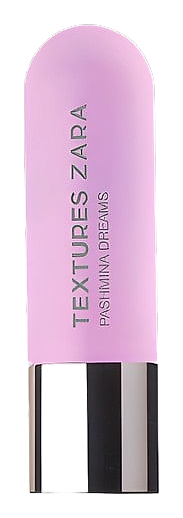
Pashmina Dreams arrived in 2000 as part of Zara's Textures collection, a line of fragrances designed to evoke the feeling of fine fabrics. Each scent in the series captured a different textile, a different mood, a different way of touching the skin. A romantic floral-fruity fragrance for sensual women, the composition was conceived as something to drape over the senses, less about a specific fabric and more about the feeling of being wrapped in something soft and weightless. The Textures collection debuted in 1999 and expanded the following year with Pashmina Dreams, Velvet Chic, Polar Winds, Cotton Kisses, and Orange Shantung. Each bottle wore an illustration by Jordi Labanda, whose work gave the lineup its visual identity.
What makes the composition interesting is its restraint. The fragrance keeps the floral presence abstract, letting the fruity and floral notes blur into a single soft impression. The result is less a bouquet and more a mood, a texture translated into scent. The choice to keep the note list open, floral and fruity without further specification, gives the fragrance a diffuse quality. It smells like a category of feeling rather than a specific flower or fruit, which is exactly what the Textures concept demanded.
The evolution
On skin, Pashmina Dreams opens with a bright burst of fruit, sweet and inviting, the kind of sweetness that announces itself without apology. The first minutes are the most playful phase, full and rounded in their fruitiness, before the florals begin to soften the edges. The heart arrives quietly. There's no dramatic shift, no sharp pivot, just a gradual rounding as the floral notes settle over the fruit like a hand placed gently on top. The sweetness remains but loses its edge, becoming warmer, more skin-like. This middle phase carries the fragrance through a long stretch of wear, the florals and fruit holding each other in a balanced exchange where neither dominates. The drydown is where Pashmina Dreams earns its place in the collection. The fruit fades to a memory, the florals recede, and what's left is a soft, sweet warmth that sits close to the skin for hours.
Cultural impact
Pashmina Dreams reflects a specific approach to fragrance, the idea that a scent can be named for a feeling rather than a literal source. The Textures collection took that concept and made it the foundation of the entire line, with each fragrance built around the suggestion of a different fabric. Within that context, Pashmina Dreams was the romantic gesture, the soft one, the scent you'd wear with something draped and delicate.