The Story
Why it exists.
The beginning
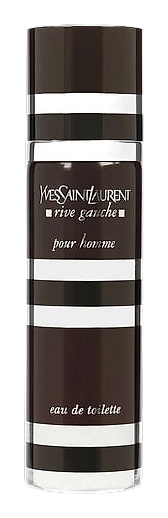
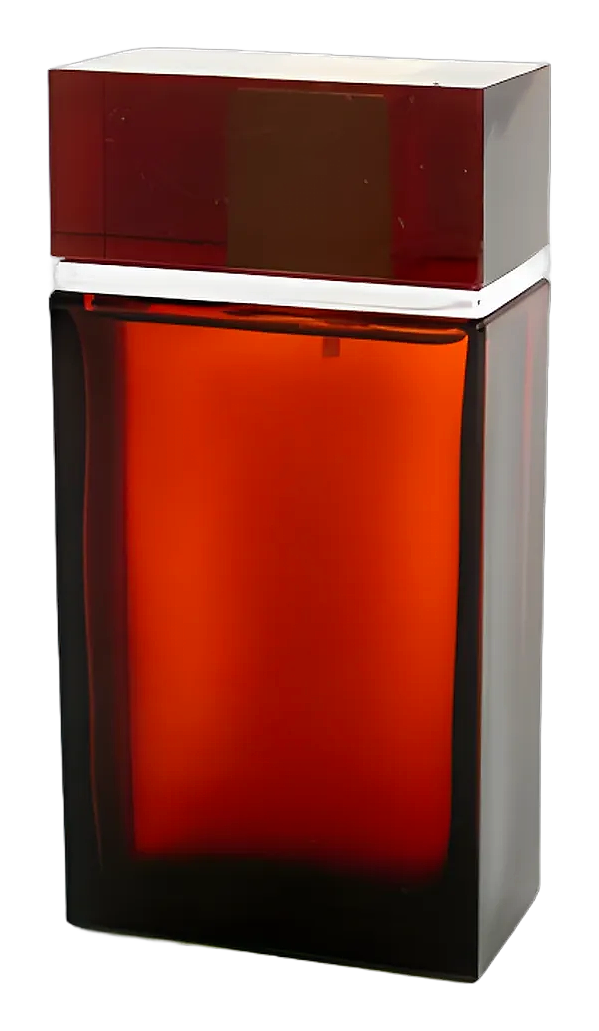
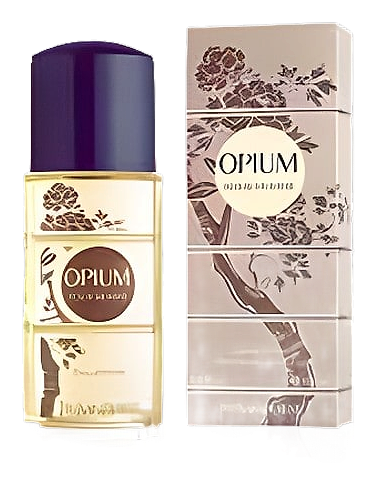
Opium Pour Homme Eau d'Orient arrived in 2007 as a flanker to YSL's legendary 1999 men's scent, extending the Opium universe into territory the house hadn't fully explored for men, a fresh oriental, built on the tension between crisp citrus and deep resinous warmth. The name itself is a provocation: d'Orient evokes the original 1977 Opium's scandalous Eastern references, the spice routes and lacquered mystery that made that fragrance a cultural flashpoint. By 2007, YSL was ready to reclaim that energy for a male wearer who wanted more than clean and fresh. The flanker added star anise and vetiver to the established Opium Pour Homme structure, creating something that smelled like it belonged to a different time of day, not the morning meeting, but the evening that followed.
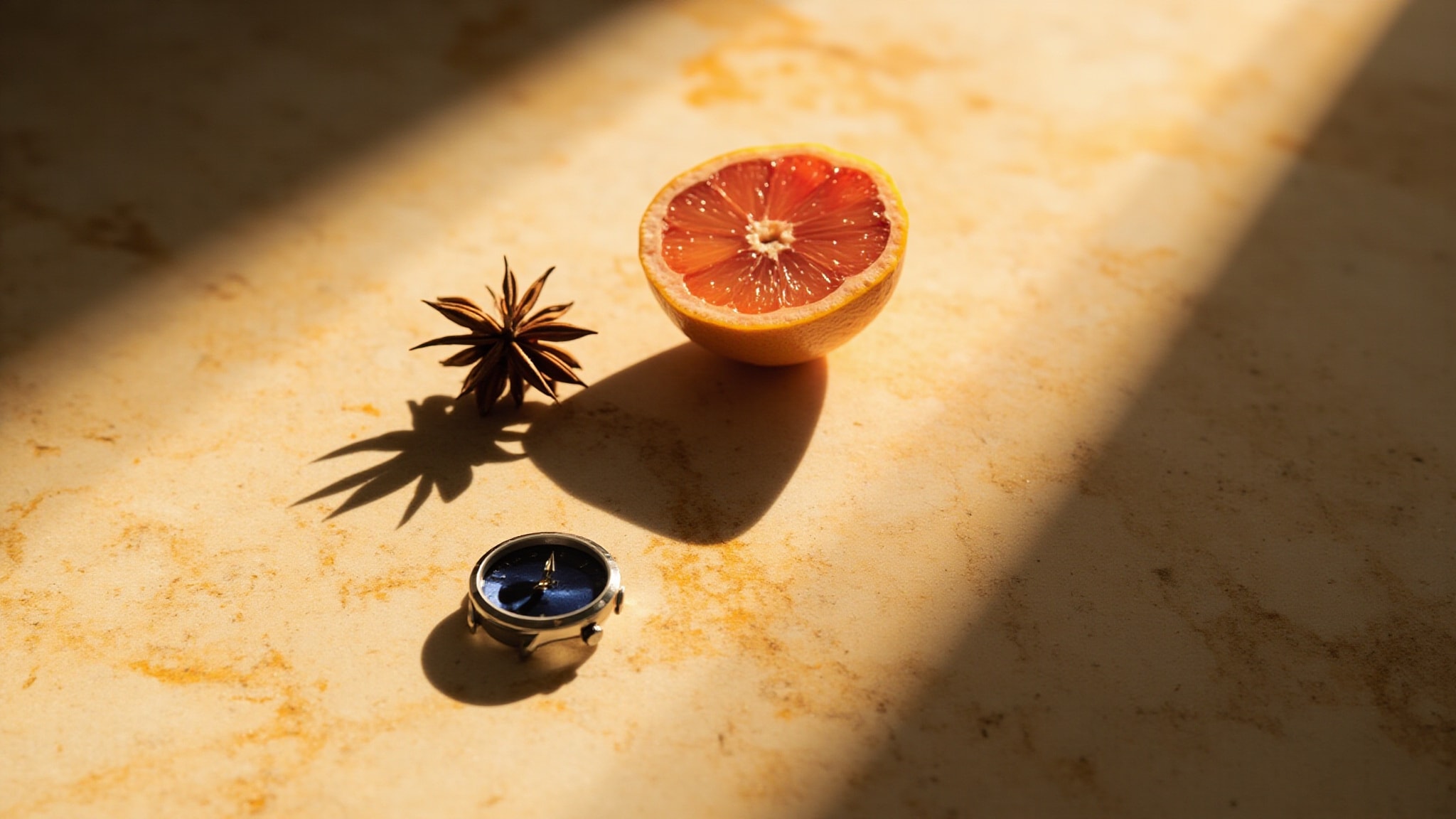
What makes the note structure unusual is the pairing of star anise with grapefruit and lemon. Anise is typically associated with licorice candies and absinthe, sharp, sweet, and slightly medicinal. Used sparingly in perfumery, it adds warmth and an aromatic complexity that citrus alone can't achieve. Here, the star anise doesn't dominate; it threads through the ginger and white pepper heart, adding a quiet sweetness that prevents the composition from becoming merely refreshing. The vetiver base grounds everything, pulling the fragrance away from the watery freshness of a typical summer scent and toward something with actual weight.
The evolution
The opening hits bright, Florida grapefruit, bergamot, and lemon in quick succession. There's a burst of citrus that reads clean for the first five to ten minutes, then the spices begin to surface. Ginger arrives first, warming the citrus rather than competing with it. White pepper adds a subtle prickle. Then the star anise emerges, that quiet licorice whisper that shifts the fragrance's personality mid-drydown. By the second hour, the composition has settled into something warmer and more resinous. The amber and sandalwood hold, with vetiver providing an earthy counterweight that keeps the oriental sweetness from becoming cloying. The sillage settles to moderate, present in the first hour, then intimate and close to the skin for the remaining hours. On fabric, the citrus fades by hour three, leaving a soft sandalwood-vetiver trail that can linger into the evening.
Cultural impact
Eau d'Orient occupies an interesting position in the Opium Pour Homme lineage: a flanker that took a risk by introducing star anise and a fresher oriental character to a house known for dramatic, rich compositions. While the fragrance has since been discontinued, it retains a small devoted following among collectors who appreciate its unusual citrus-anise balance. Its departure from the market only deepened its appeal, a cult fragrance for those who found it.