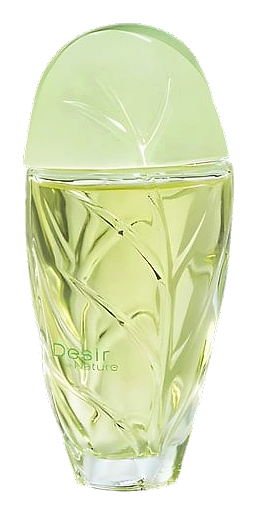

The Story
Why it exists.
The beginning
The name says everything: Désir de Nature. A desire for nature, articulated in 1981 when synthetic compounds dominated the market and anything botanical felt like a small act of rebellion. Yves Rocher, already two decades into its plant-derived philosophy, built this fragrance around the green spaces between things, between the opening citrus and the closing moss, between what you notice and what lingers. The perfumer's brief was simple: translate the feeling of open air into something you could wear. No theater. No performance. Just the thing itself.
What makes the composition unusual is the mint. It sits in the top accord not as decoration but as structural element, the cold thread that runs through the warmer lily of the valley and the earthy base. Most green florals of the era leaned on galbanum or hyacinth for their green character. Here, the mint does that work, giving the fragrance a coolness that prevents the white floral heart from becoming sweet. The oakmoss and juniper base anchors the whole thing in damp forest floor, ensuring that by the end of the day, you're not smelling flowers anymore, you're smelling the ground they grew from.
The evolution
The mandarin arrives first, bright and immediate, but it doesn't stay long. Within minutes the mint asserts itself, that cool, almost medicinal crispness that makes the opening feel like stepping into a garden after rain. The handoff to lily of the valley happens around the thirty-minute mark, the transition so smooth you almost miss it. By hour two, the lily has softened into something powdery and intimate. The drydown is where this fragrance earns its age: oakmoss and juniper, the kind of green that smells like earth, like roots, like the underside of leaves. Six to eight hours later, on skin, it fades to a quiet moss-and-skin accord that doesn't disappear, it just becomes you.
Cultural impact
As a 1981 green floral, Désir de Nature occupied a particular cultural moment, the late counterculture swing back toward natural ingredients after a decade of heavy aldehydes and orientals. It found its audience among women who wanted scent without spectacle, and it kept them for decades. Neither a blockbuster nor a cult objet, it exists in the sweet spot of quietly beloved, fragrances people return to because they do exactly what they promise.