The Story
Why it exists.
The beginning
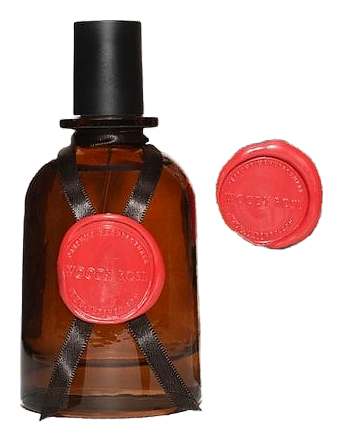
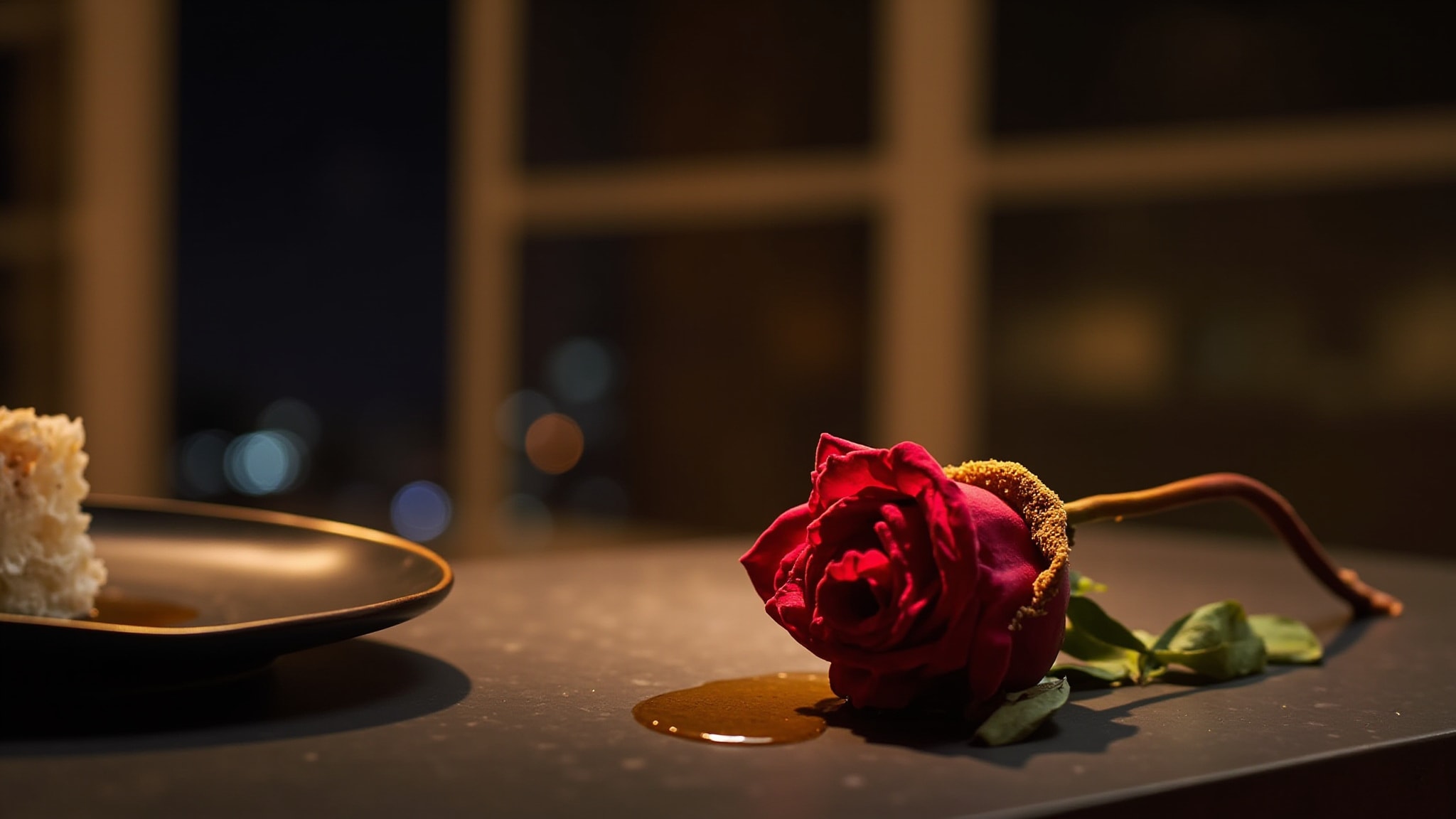
Woody Rose is built around a floral and woody character with an unexpectedly elegant sweetness. Rose supplies the central impression: soft, full, and romantic, yet tempered by materials that give the composition depth and definition. Clove introduces warmth and a controlled flicker of spice, while honey rounds the brighter notes into something smooth and enveloping. The result never settles into a purely pretty floral. Instead, rose is given a darker setting through woods and patchouli, creating a balance of tenderness, warmth, and polish. The contrast gives Woody Rose much of its appeal. It can be read as comforting and sensual, but the spice and woods keep it from feeling overly sweet.
What makes the composition worth noticing is how opposites share the same breath. Rose supplies velvet and tenderness, while clove introduces a controlled flicker of spice. Honey softens that edge without making the opening purely sweet. Cedar and sandalwood bring structure, jasmine lifts the floral center, and patchouli gives it an earthy pulse. Together, they create a layered impression in which the floral heart remains expressive while the surrounding materials keep the scent grounded. The woods lend composure to the rose, and the sweetness sits comfortably within that darker frame.
The evolution
The opening begins with rose, clove, and honey, all close enough to blur into a single impression: velvety, sweet, and warmly spiced. As those impressions soften, jasmine adds a brighter floral lift while cedar, sandalwood, and patchouli take over the weight. That's when Woody Rose stops reading like a simple rose perfume and starts to feel more dimensional, elegant without becoming severe. The composition gradually settles into sugar, woody notes, and musk, with the rose continuing to shape the overall impression. The sweetness remains present, but wood gives it restraint, and the floral character recedes without disappearing. Over time, the fragrance moves between soft rose, warm spice, polished wood, and a clean musk finish. Each note supports another rather than standing alone.
Cultural impact
Woody Rose can be appreciated as a study in contrast rather than a simple floral release. Its rose character is paired with clove, honey, woods, patchouli, jasmine, sugar, and musk, producing a composition that shifts between softness, spice, floral brightness, and earthy depth. That varied structure gives the fragrance cultural interest beyond the familiar idea of rose as a romantic note. It can be read in different ways depending on which part of the composition comes forward: honey suggests warmth, clove introduces a sharper edge, jasmine adds light, and patchouli brings a darker natural texture.