The Story
Why it exists.
The beginning
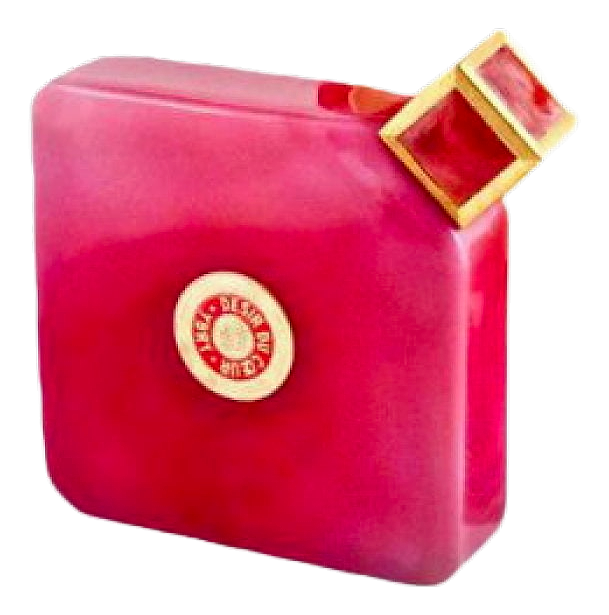
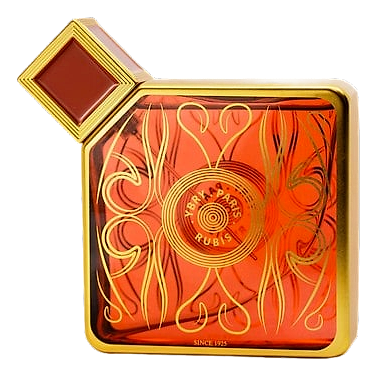
Rubis belongs to Ybry Paris, a perfume house whose catalog is arranged around recurring materials and the different ways they can shape a fragrance. That approach gives Rubis a clear place within the line: it is a study in contrast, with its named notes moving from darker fruit to flowers, woods, and amber. The name is the French word for ruby, a concise reference that gives the composition a polished identity without requiring it to imitate the visual drama of a gemstone. Rather than leaning on one dominant gesture, Rubis builds its character through the changing relationships between its materials. The result rewards attention at each stage, revealing a composition that feels considered, balanced, and worth exploring.
What sets Rubis apart is the way its materials meet across the composition. Dark cherry introduces a fruit accord with depth and sweetness, while orange brings a contrasting brightness. Jasmine and tuberose bring the floral register, adding their own soft and creamy dimensions to the scent. Beneath them, rose and patchouli lend a darker, earthier counterpoint, while sandalwood gives the structure a smooth, woody character. The listed notes are not isolated gestures; they create a sequence of contrasts between fruit, floral, spice, wood, and earth.
The evolution
Rubis begins with the dark fruit of black cherry, whose sweet, rounded character gives the composition an immediate point of entry. Orange adds brightness alongside it, creating a sharper contrast that keeps the fruit accord from seeming one-dimensional. Jasmine and tuberose then carry the fragrance into a floral phase. Their presence brings softness and fullness, while rose adds another floral dimension with a more expressive edge. Patchouli introduces an earthy depth that complicates the sweetness of the fruit and the softness of the flowers. As the composition settles, sandalwood and amber provide warmer, rounder accents that bring the note list together. The transition is less a single linear story than a gradual exchange between contrasting textures: dark fruit against citrus brightness, floral richness against earthy depth, and creamy wood against amber warmth.
Cultural impact
Rubis can be appreciated as a study in contrasts within contemporary fragrance culture. Its materials range from dark cherry and orange to jasmine, tuberose, rose, sandalwood, patchouli, and amber, creating a composition that invites repeated exploration. The fruit notes bring sweetness and depth, the flowers add softness and expressive detail, while patchouli, sandalwood, and amber lend earth and warmth. Rather than relying on a single defining gesture, Rubis offers a changing structure in which several facets can remain visible at once.
The House
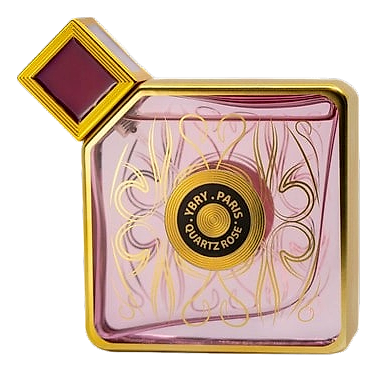
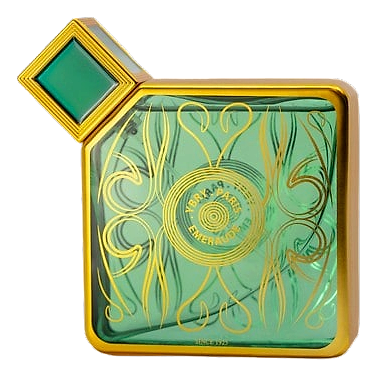
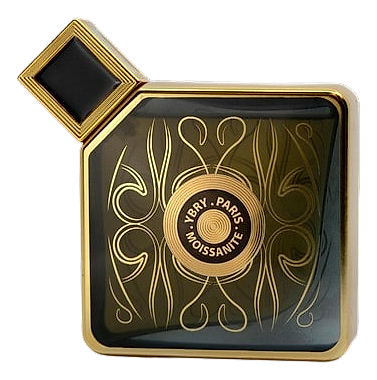
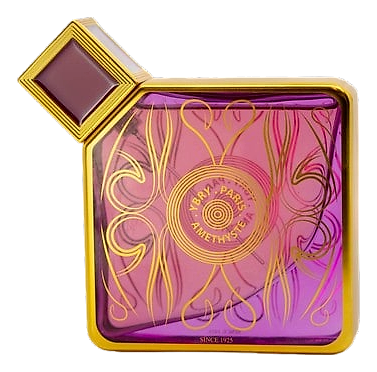
Ybry ParisYbry Paris is a French niche fragrance house with roots reaching back to 1925, when founder Simon Jaroslawski established the original maison in Neuilly-sur-Seine. After closing during the early years of the Great Depression, the brand returned a full century later through a relaunch unveiled at the 2025 TFWA exhibition in Cannes. The modern collection draws on gemstone inspiration, with each composition named after a precious stone, including Ambre, Amethyste, Emeraude, Moissanite, Quartz Rose, Rubis, and Turquoise.
The Creator
Honoré PayanPayan favors materials with complexity and a degree of unpredictability, ingredients that shift on skin rather than sitting still. His base work tends to lean on woods with grain, iris pallida rather than orris derivatives, oakmoss extractions handled with the careful dosing t…