
The Story
Why it exists.
The beginning
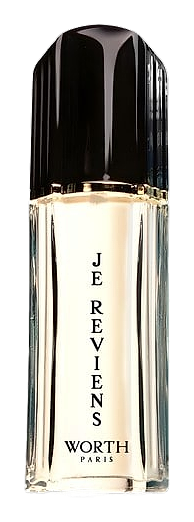
Vers Toi arrived in 1934, composed by Maurice Blanchet for the House of Worth. The name translates from French as "Towards You", an intimate directive, a directness that belies the era's restraint. This was a house still translating its couture philosophy into fragrance. Worth had spent decades insisting that beauty required vision, not capitulation. Blanchet's task was to capture that same spirit in liquid form, the structured elegance, the considered luxury, the sense that the designer knew better than the wearer what they needed. Vers Toi was one result. A fragrance that moves toward you, deliberately, without apology. The perfume doesn't ask permission. It arrives.
The note structure here is worth sitting with. Geranium and bergamot open clean and green, not aggressive, but immediate. The heart is where this earns its 1934 credentials: jasmine and rose are joined by lily of the valley, a cooler note that prevents the bouquet from becoming merely sweet. The base is where things get interesting. Sandalwood and patchouli ground the florals with wood, while benzoin adds a sticky, resinous warmth that vanilla amplifies without sugaring. This isn't a perfume that's trying to be liked. It's trying to be remembered.
The evolution
The opening announces itself quickly, geranium's green bite alongside bergamot's citrus clarity. Aromatic, slightly herbal, with a sophistication that feels antique in the best sense. Within the first hour, the florals take over. Jasmine dominates, with rose supporting and lily of the valley providing a cool, almost metallic counterpoint. This is the heart's territory for the next several hours. As it fades, the base arrives: sandalwood, benzoin, patchouli, and vanilla creating a warm, close drydown that stays near the skin. Moderate sillage throughout. Expect 4-6 hours of wear on most skin types.
Cultural impact
Vers Toi exists in a different era of fragrance. Launched in 1934, it predates most of what enthusiasts consider "classic" perfume history. It's a piece of that earlier moment, when fashion houses were just beginning to translate their couture identities into scent. The fragrance doesn't compete with modern releases. It exists alongside them, a historical document with its own integrity.